If the future is green, how will we travel?
A flip through the history books shows that people have always traveled and have endured many hardships. In the past decades, traveling has become a part of our everyday life. We have become accustomed to being able to travel at any time and to any place, however, the worldwide pandemic has brought the world to a standstill. So where does that leave us? Has Corona fundamentally changed the way we look at things?
"Green Pearls® the Future of Travel" we started with this noble goal in 2012. Has the development in tourism caught up with us?
In short- yes and no. People today travel in a much more sustainable way and are more aware of their ecological footprint. Nevertheless, sustainable travel is still a niche market, but it is constantly evolving. More people around the world have a desire to make their travel more environmentally friendly and socially responsible, even if this is not always consistently implemented. We had already begun to observe this positive trend before the pandemic. Corona has sensitised people to the issue, but it remains to be seen whether this will lead to a further evolution towards sustainability.
Trends against overtourism and towards more responsibility and individuality
Green accommodation and destinations
For a growing number of people, choosing sustainable accommodation and destinations is the first and most important step towards traveling more consciously.
Our Green Pearls® partners are seeing a strong interest from guests in sustainable issues and a greater demand for local green experiences.
Off the beaten track
The choice of lesser-known destinations and places that are not as crowded and give travelers the chance to have authentic and fulfilling experiences.
Out of season travel
Trips in the low or mid-season are becoming more and more popular. Sights are not crowded and tourists have the opportunity to get in touch with locals and get to know the destinations better. As climate change continues, there is no longer a clear weather forecast, so in many countries around the world, the weather is pleasant even in the low season.
Local encounters
The demand for trips that provide local experiences is growing rapidly. For the younger generation in particular, travel is about meeting locals, experiencing other cultures and traditions, and about learning new skills that can still be applied at home.
Flying and the environment
The flight-shaming movement is making people think twice about their flight behavior. So much so that more travelers prefer the train as a means of transportation, at least for shorter distances. It is not about not flying any more, but about relating the stay to the CO2 consumed. In order to make flying more environmentally friendly, research is being carried out on alternative biofuels.
We have asked our Green Pearls® hoteliers about their experiences
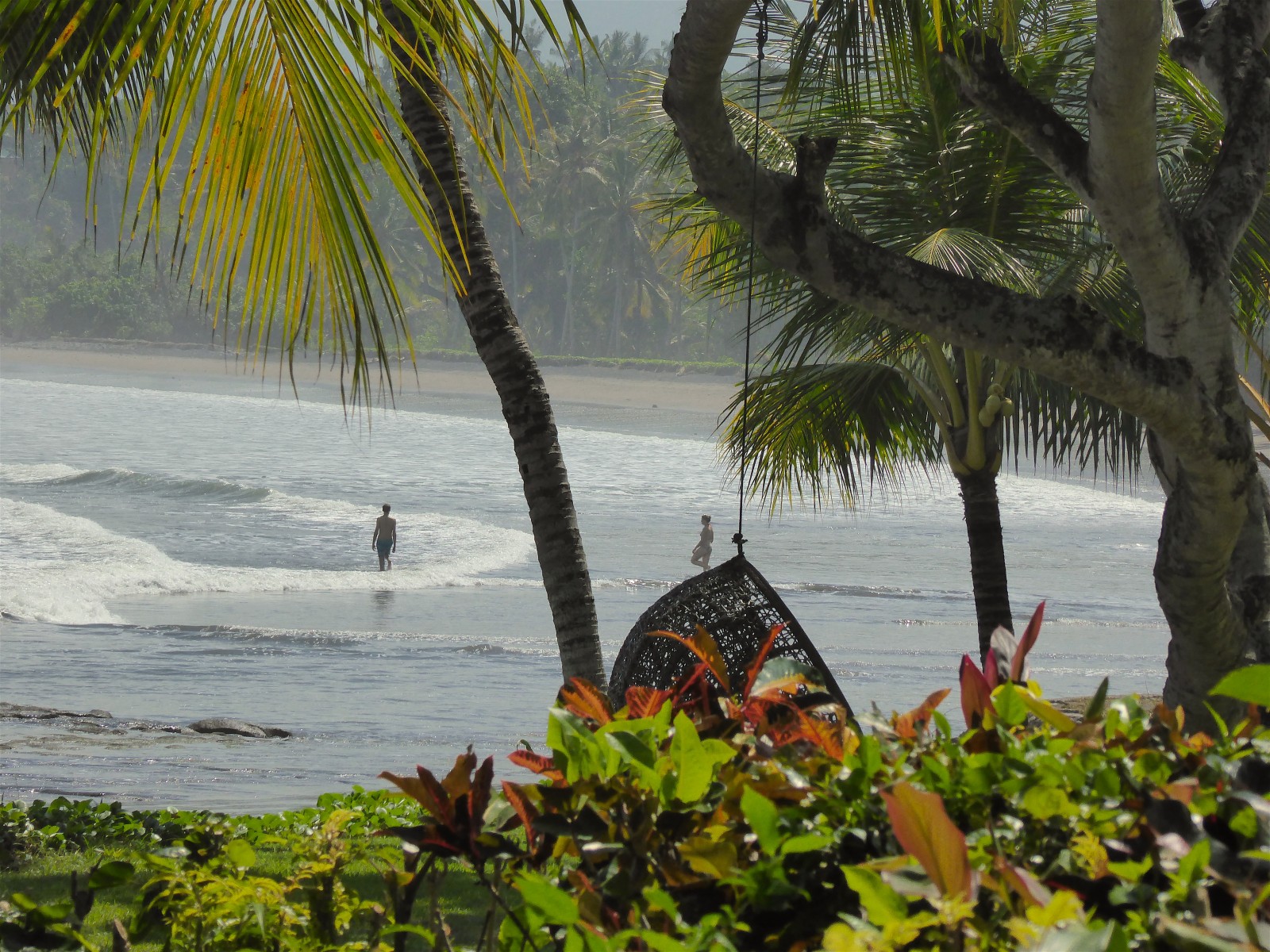
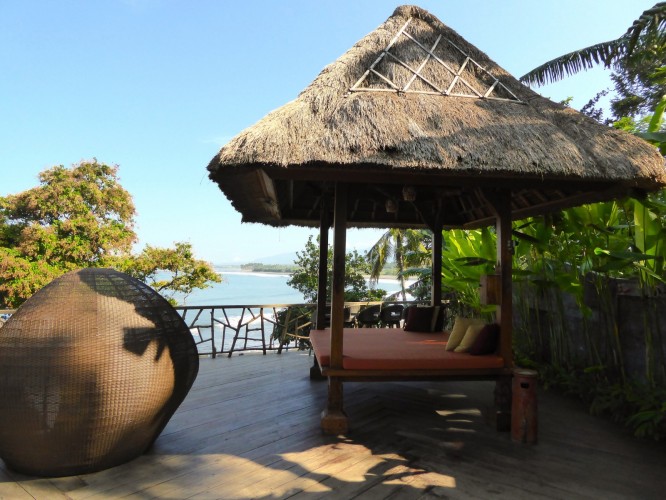
Louis Balme, Puri Dajuma, West Bali
How do you think Corona will change travel behavior?
Travelers will probably prefer more environmentally friendly transportation and stays
What changes have you already noticed?
We want to keep safe the unique nature and culture of Bali. We will offer to our guests more cultural experiences with the local villagers.
What sustainable vision do you have for the future of your hotel?
The commitment to sustainability by our guests is undoubtedly on the way since a few years. With the corona virus, we expect an acceleration of the phenomenon.
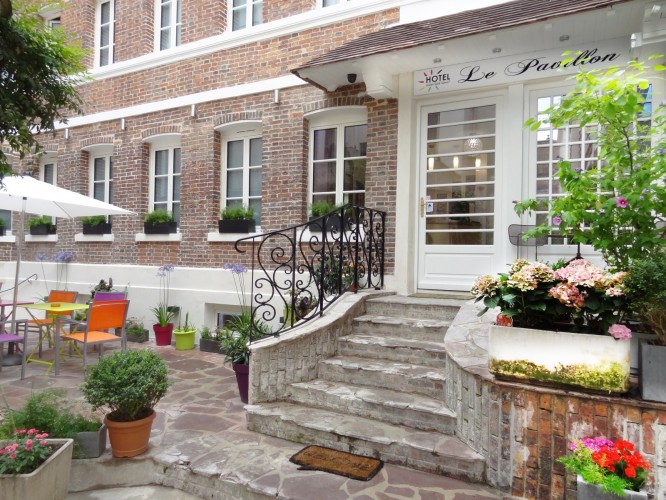
Barbara Tascijevic-Porwoll, Hôtel Le Pavillion, Paris
How do you think Corona will change travel behavior?
Priority will be given to destinations in their own country, in the countryside and in nature, in order to regenerate and relax far away from everyday life. Flats with self-catering facilities will certainly become even more popular in the future.
What changes have you already noticed? (Longer stays, other means of transport for guests, etc.)
We can see that the big cities are avoided and that Paris, for example, has dropped to zero in terms of tourism. Business tourism is also falling away as people work in home offices and meetings are held online. Large events are no longer necessary.
What sustainable vision do you have for the future of your hotel?
The only chance for us in the future, here in the heart of Paris, is our pioneering position in terms of sustainability and health for the customer. Hôtel Le Pavillon is the first and only hotel in France that has an air filtration system specially designed for asthmatics, harmonisation of electrosmog, vitalised water and rooms for electro-sensitive people. Our Green Pearl certification, European Ecolabel and also Green Key are a guarantee of sustainable quality and therefore there is always a basis for health and safety for a stay in Paris.

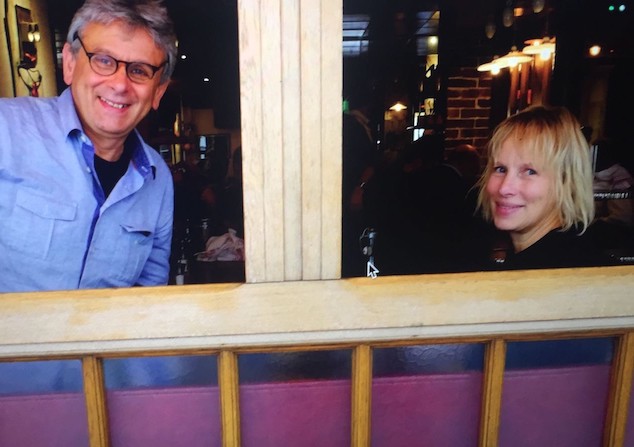

José Koechlin von Stein, Inkaterra, Peru
How do you think Corona will change travel behavior?
Tourism not only is a source of inspiration, but a human right as well. We humans need to travel, to move, to experience the diversity of culture and nature abroad. Travel makes us wiser and more sensitive. It allows us to feel free. Eventually, COVID will fade away, but our bucket lists will not.
Travelers will look for meaningful experiences to learn, and to reconnect with nature and local cultures. There will be a need for solitude, a very scarce commodity nowadays, and a commitment towards a positive social and environmental impact. Niche markets will bloom, many of which Inkaterra champions through the vast array of experiences available in our properties – say birding, family travel, gastronomy, or academic tourism.
Blessed with an extraordinary biodiversity and a 55-century history, Peru has everything to fulfill the yearnings that stir the travel community.

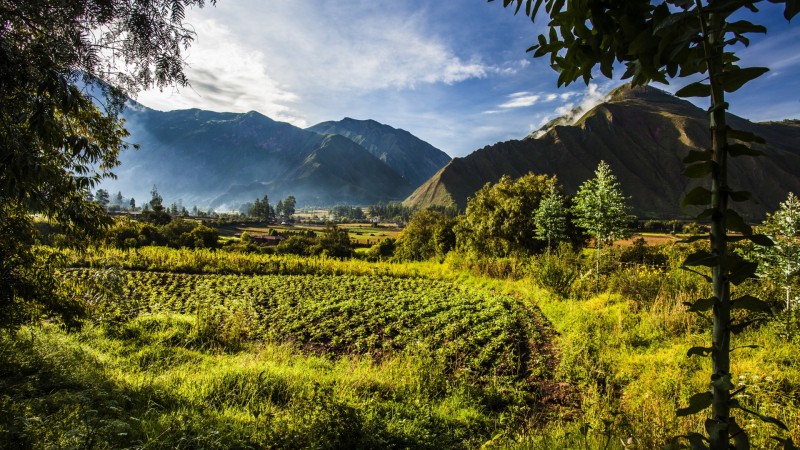
What sustainable vision do you have for the future of your hotel?
Since 1975, when we pioneered ecotourism in Peru, Inkaterra has a culture of sustainability in its DNA. Sustainable development is the very core of our business; ecotourism is our means to achieve it.
The current context drives us to keep championing scientific research as a basis for biodiversity conservation and the wellbeing of local communities. More than ever, we need to preserve our cultural and natural patrimony for future generations.
For instance, NGO Inkaterra Asociación has a strategic alliance with multinational beverage company AJE Group, Green Initiative and the Machu Picchu town hall to turn Machu Picchu into the first carbon neutral Wonder of the World – a replicable model on circular economy through the sustainable management of almost all its solid waste.
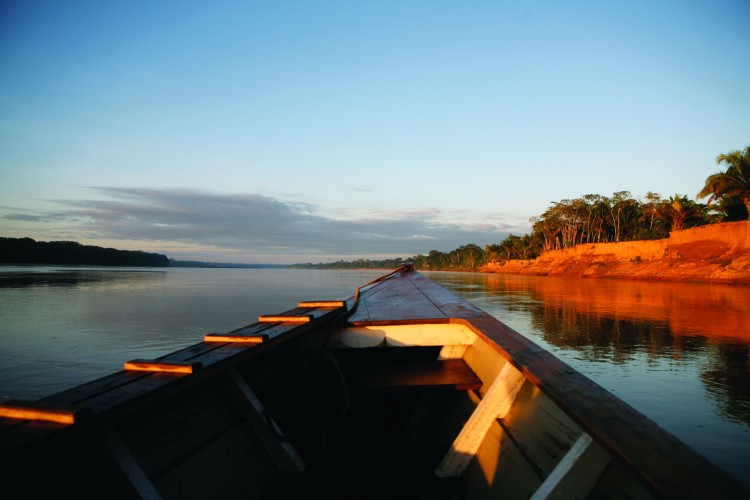
Additionally, our joint venture with the Smithsonian Institution aims to restore genetic connectivity in the Madre de Dios rainforest, Southeastern Amazon of Peru, through an 84,000-hectare Sustainable Landscape Corridor from the Low Madre de Dios River to the Peru-Bolivia border. An initiative to mitigate the effects of illegal mining, through reforestation and the development of new sustainable sources of income in benefit of local communities.