

Sustainable Adventure Trip in Peru – Traveling with Inkaterra
From the magic of the Andes to the mist over Machu Picchu and the colors of the Amazon rainforest, Peru is a country full of contrasts and natural beauty. But how can you experience this adventure without leaving a trace? We'll show you a way to discover Peru while respecting its people, nature, and culture—and explain the role of sustainable hotels like Inkaterra in this.
Sustainable Travel with New Perspectives
Peru is one of the most fascinating travel destinations in South America and on many travelers' bucket lists. Maybe it's on yours, too? With its breathtakingly diverse landscapes, ancient culture, and impressive biodiversity, the magic of this country is hard to resist. However, Peru also faces the challenge of protecting its sensitive ecosystems and its cultural heritage. In this, the growing tourism brings opportunities but also challenges.
Fragile ecosystems, such as the Amazon rainforest, are particularly affected, as are cultural treasures, such as Machu Picchu, where visits had to be strictly regulated to prevent irreversible damage. In Peru, sustainable travel means one thing above all else—taking responsibility for nature, historical treasures, and the local people.
It's not only where we travel, but also how we travel that makes the difference. Those who travel respectfully contribute to the protection and conservation of biodiversity and cultural heritage and create regional value.

Your Mini Guide to Conscious Adventures in Peru
Are you planning a trip to Peru? Here, you will find our tips for a more sustainable stay, summarized in a compact form:
- What is the best time to travel?
→ April through October is considered the dry season — the ideal time for hiking in the Andes. However, the rainy season also has its charm, especially since there are generally fewer tourists around. The coast is pleasantly warm during this time. In any case, the most sustainable time to travel is outside of the peak season (June through August).
- What is the eco-friendliest way to travel in Peru?
→ If possible, avoid taking domestic flights. Plan longer stays instead and use the well-developed bus network, railways, or ships. This will allow you to experience the country more intensely and see more of its fascinating landscapes.
- What is a good souvenir to take home?
→ Handmade items from small workshops or cooperatives, which are best purchased directly from villages rather than large cities.
- What language is spoken here?
→ Spanish is the official language, but Quechua and Aymara also have official status in certain regions.
- What currency is used in Peru?
→ The currency in Peru is the sol (PEN).
- How do I travel respectfully through Peru?
→ It's best to learn about the local customs in advance, and to approach the culture and its people with an open mind and a desire to learn. Maybe even learn a few Spanish and Quechua words. And always (!) ask for permission before taking photos of people.
- Why are guides important?
→ Trained guides ensure your safety and the safety of the environment, especially on jungle tours and wildlife watching trips. They are sure to spot things you would have missed and will share their knowledge of the country, its nature, and its people with you.
Pioneering Work in Gentle Tourism in Peru
The owner-operated Peruvian hotel group Inkaterra is an inspiring example of sustainable tourism. For over 40 years, Inkaterra has been committed to preserving biodiversity, operating its hotels according to ecological and social principles — from energy and water management to educational projects and scientifically supported reforestation. As part of this commitment, Inkaterra collaborates closely with local communities, creates jobs, and strengthens traditional knowledge. As a result, they are playing a pioneering role in Peru and worldwide.
Good to know: Inkaterra was the first South American company to be recognized as climate neutral by the United Nations Climate Alliance.
Hotels with Principles: Sustainable Accommodation at Inkaterra Hotels
From the Amazon to the Sacred Valley to the heart of Cusco, Inkaterra demonstrates how sustainable tourism can thrive in Peru without sacrificing comfort. All of their properties are committed to nature conservation, supporting scientific projects, and collaborating with local communities. Rather than pursuing a one-size-fits-all approach, they focus on the specific local, natural, and cultural conditions of each location.
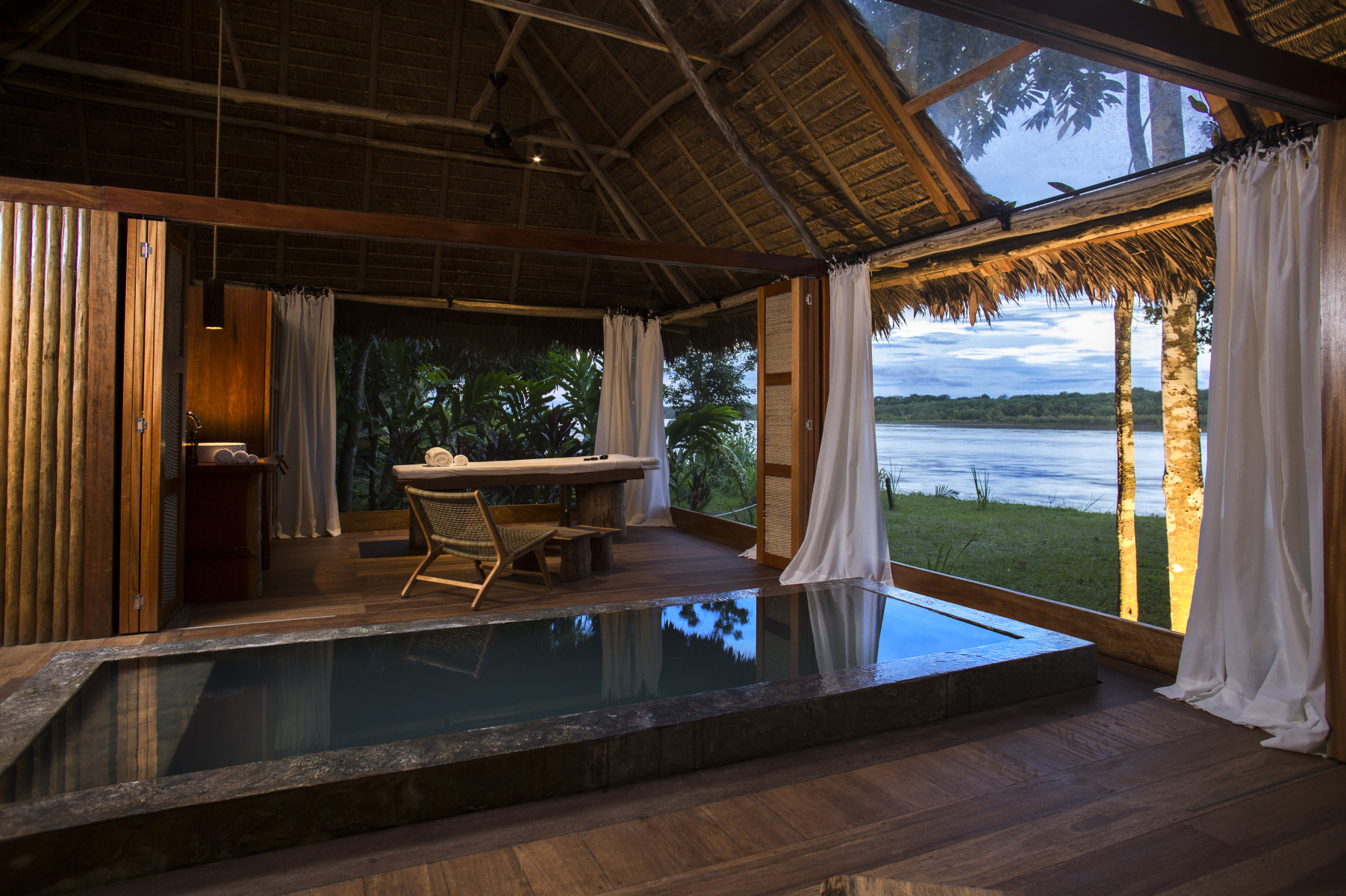
Inkaterra Reserva Amazónica – Spend the Night in the Rainforest
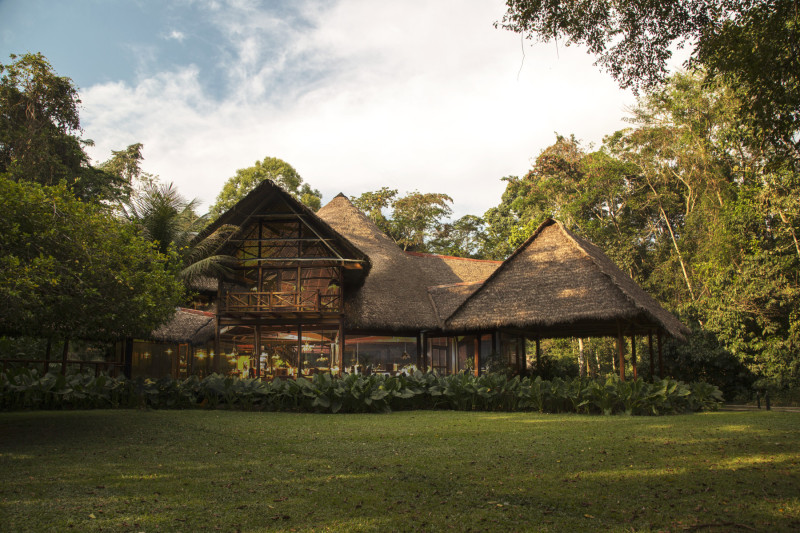
Located on the edge of Tambopata National Park, the area surrounding the Inkaterra Reserva Amazónica jungle lodge is one of the most biologically diverse places in the world. Over 540 bird species have been documented here. The cozy accommodations are inspired by the architecture of the local indigenous Ese'Eja group.
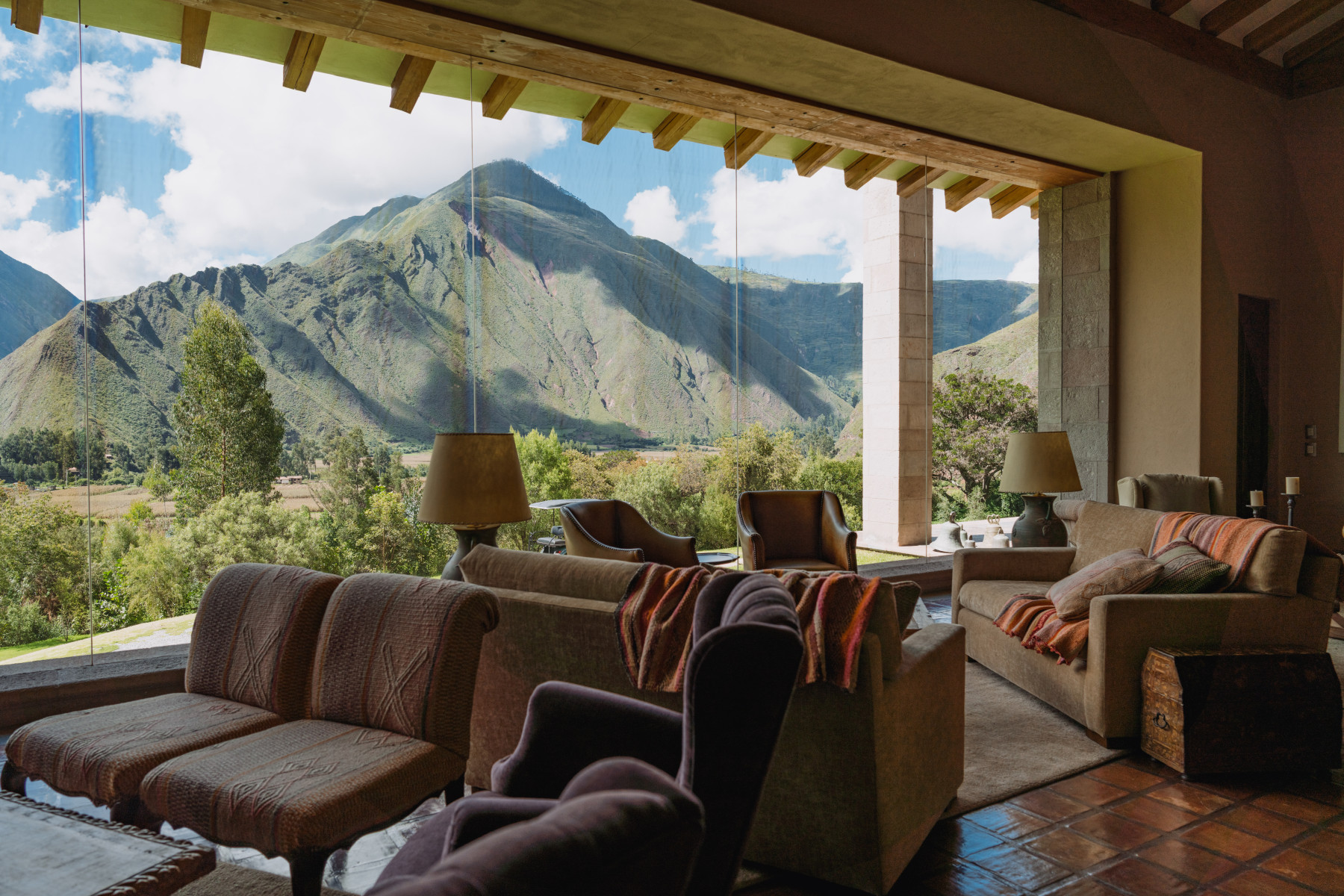
Inkaterra Hacienda Urubamba – Discover the Sacred Valley
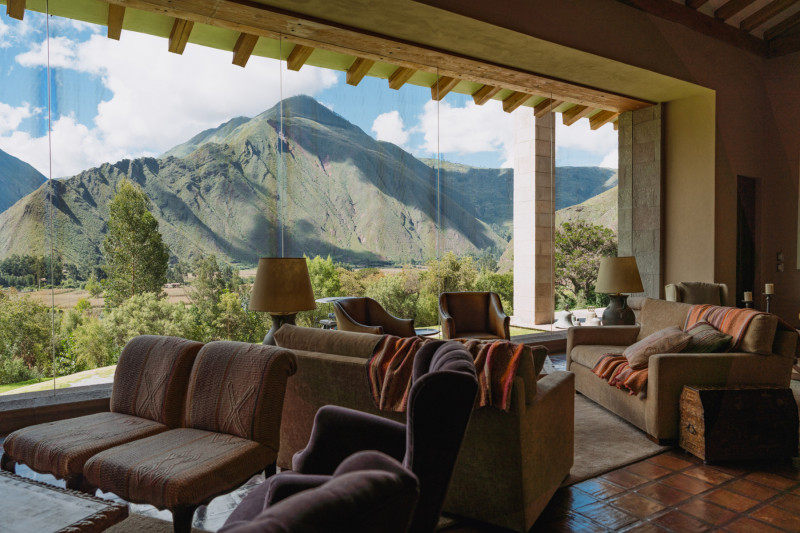
In the heart of the Sacred Valley of the Incas, you will find the Inkaterra Hacienda Urubamba which combines regional architecture with modern comforts and is fully committed to sustainability. For example, the kitchen and spa use ingredients and products that mainly come from the hotel's organic medicinal herb garden or from local producers. Tip: This hotel is also well-suited for families with children.

Inkaterra Machu Picchu Pueblo Hotel – Uncover the Secrets of the Incas
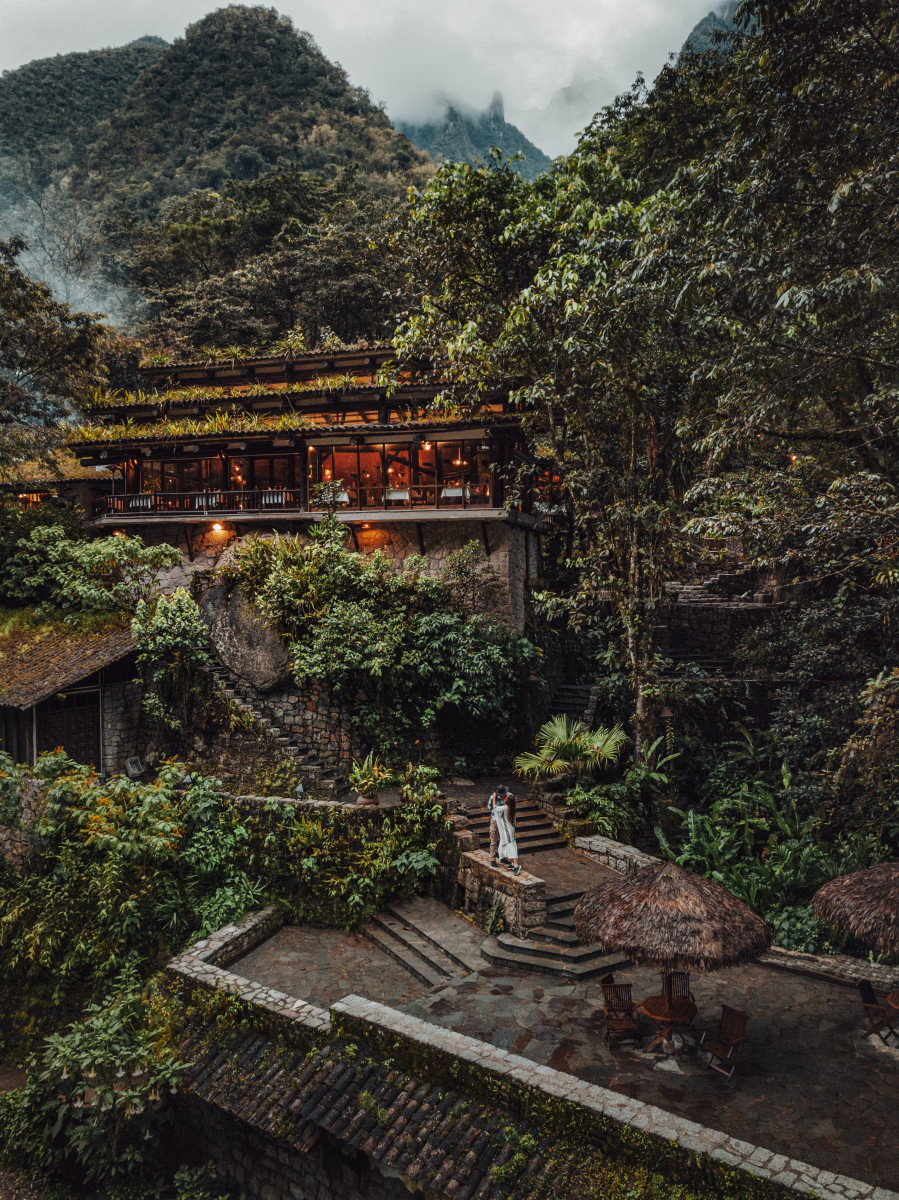
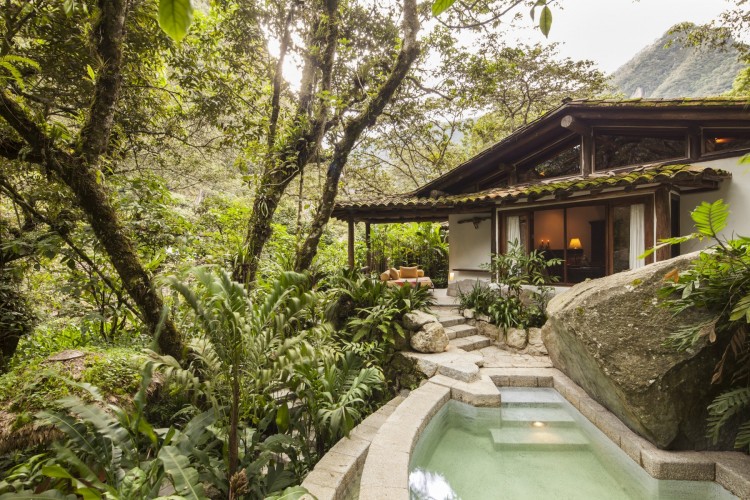
Nestled in the typical cloud forest of the Andes, just a few minutes' walk from the Aguas Calientes train station, sits the Inkaterra Machu Picchu Pueblo Hotel. The hotel is part of a protected area that boasts over 200 species of orchids and hummingbirds, as well as numerous environmental education projects. By the way, one of the first projects undertaken by the Inkaterra Association was the reforestation of the original cloud forest surrounding the ancient Inca site of Machu Picchu, high up in the Andes. Today, you can admire the results right outside the hotel.
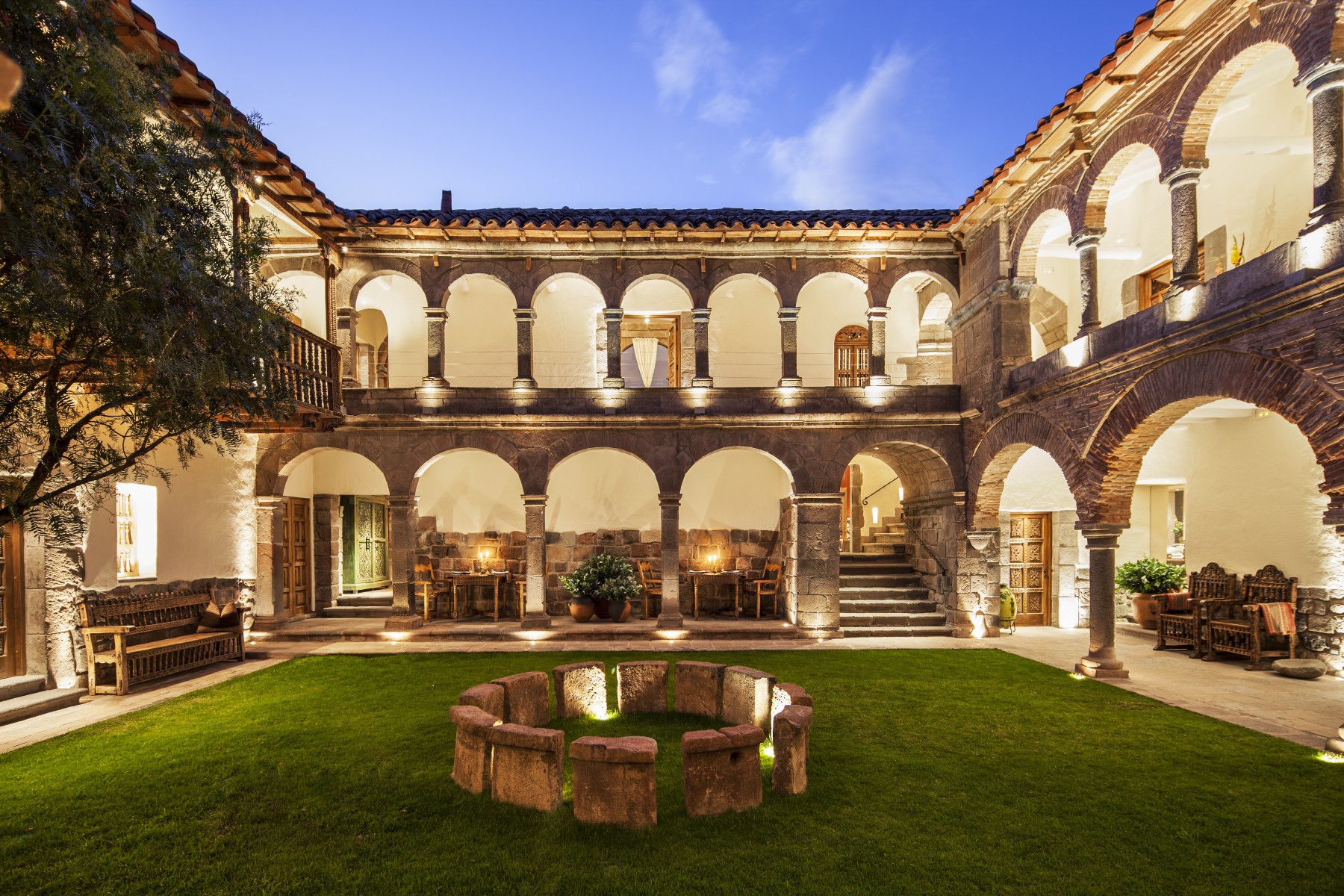
Inkaterra La Casona — Immerse Yourself in Cusco's Way of Life
Inkaterra La Casona is housed in a carefully restored colonial building in Cusco's historic old town. Here, living history meets responsible tourism, from the interior design to the sustainable management of resources. The boutique hotel has only 11 rooms, ensuring an intimate experience in the heart of Cusco.
Ready to Embark on your Sustainable Adventure in Peru?
When you travel sustainably in Peru, you not only get to experience the country's beauty, but you also become part of a movement that views travel as an opportunity for genuine change. Are you ready? If you're ready to start planning or would like to learn more about Peru, we highly recommend our Green Travel Guides for trips to the Peruvian Andes and Rainforest.
👉Go to the blog article: Green Travel Guide Peru: The Andes
👉Go to the blog article: Green Travel Guide Peru: The Rainforest
Have you ever been to Peru? What impressed you the most?
We'd love to hear about your experiences. Also, if you know anyone planning a trip to Peru, feel free to forward this newsletter. #sharingiscaring

Discover the GREEN TRAVEL BLOG editorial team's favorite articles from the past month.
Discover Historical Treasures on Vacation
Blog Series about Traveling with History
Historical sites are more than just fascinating photo opportunities. They are valuable cultural heritage sites—and therefore an important part of sustainable travel. In this series, we take you to some of these special places!

Vegan Pašticada from Croatia
Original recipe from Hotel Korinjak near Zadar
Pašticada is a braised beef dish and an absolute classic in Croatia. How exactly can this be a vegan highlight? The team at the vegan-vegetarian Hotel Korinjak shared their recipe for vegan pašticada with us.

Green & Gorgeous
The most beautiful rooms in sustainable hotels worldwide
“All our rooms are beautiful” – that's the first thing many of our hotel partners said when I asked them about their “BEST ROOM.” But it turns out there really is that one very special room.

Stories often change our perspective on travel. These subtle influences linger long after we hear them. In our editorial office, we regularly discuss what has recently moved, inspired, or made us think. Here, we share our personal recommendations of books, films, documentaries, and podcasts with you — honest, hand-picked, and always with conscious travel in mind.
This is what Mara was delighted about lately:
"Sometimes it's not the new releases that fascinate you, but the old ones. That's how I felt about the report by Lene Gammelgaard, the first Scandinavian woman to climb Mount Everest. She wrote a book about this climb in May 1996, how she experienced and perceived it, and the catastrophe that occurred (eight climbers died in a snowstorm that night). “Climbing High” is unique, impressive, and intimate. You shouldn't read it as an almost objective travelogue. Rather, it is an insight into a diary, a philosophy of life, and a personal perspective on the world."
To the book at medimops. (unpaid ad)