

Is travel a privilege or a fundamental right?
A weekend in Rome, a summer by the sea, or a winter vacation in the mountains. For many people, these are normal parts of everyday life—things they can plan, book, and repeat almost at will. However, the majority of the world’s population never experiences this sense of normalcy. For them, their hometown often remains the only world they know. Income, inclusion, citizenship, and background determine who has access to this freedom and who does not. The current figures clearly illustrate this disparity, with enormous differences sometimes existing between individual countries and regions.
The numbers reveal a world of inequality
The extremely uneven distribution of travel experience is demonstrated by a 2023 study from the Pew Research Center, for example. While 88% of Swedes have traveled to five or more countries, nearly a quarter of Americans have never left their own country. For people in the Global South, as well as in many emerging economies, the freedom to travel often remains purely theoretical. Income plays a central role in this. In 20 of the 24 countries surveyed, the higher one’s income, the more likely one is to travel internationally. Education also impacts travel: in 18 countries, people with higher levels of education travel abroad more frequently.
Marco Spiss, the owner of Summit Lodges in Pfunds, recognizes this disparity as well. To him, travel is a luxury that many people around the world simply cannot afford because their income is spent entirely on necessities. Spiss advocates valuing travel accordingly, conserving resources, and respecting local cultures.



When a passport decides one's freedom
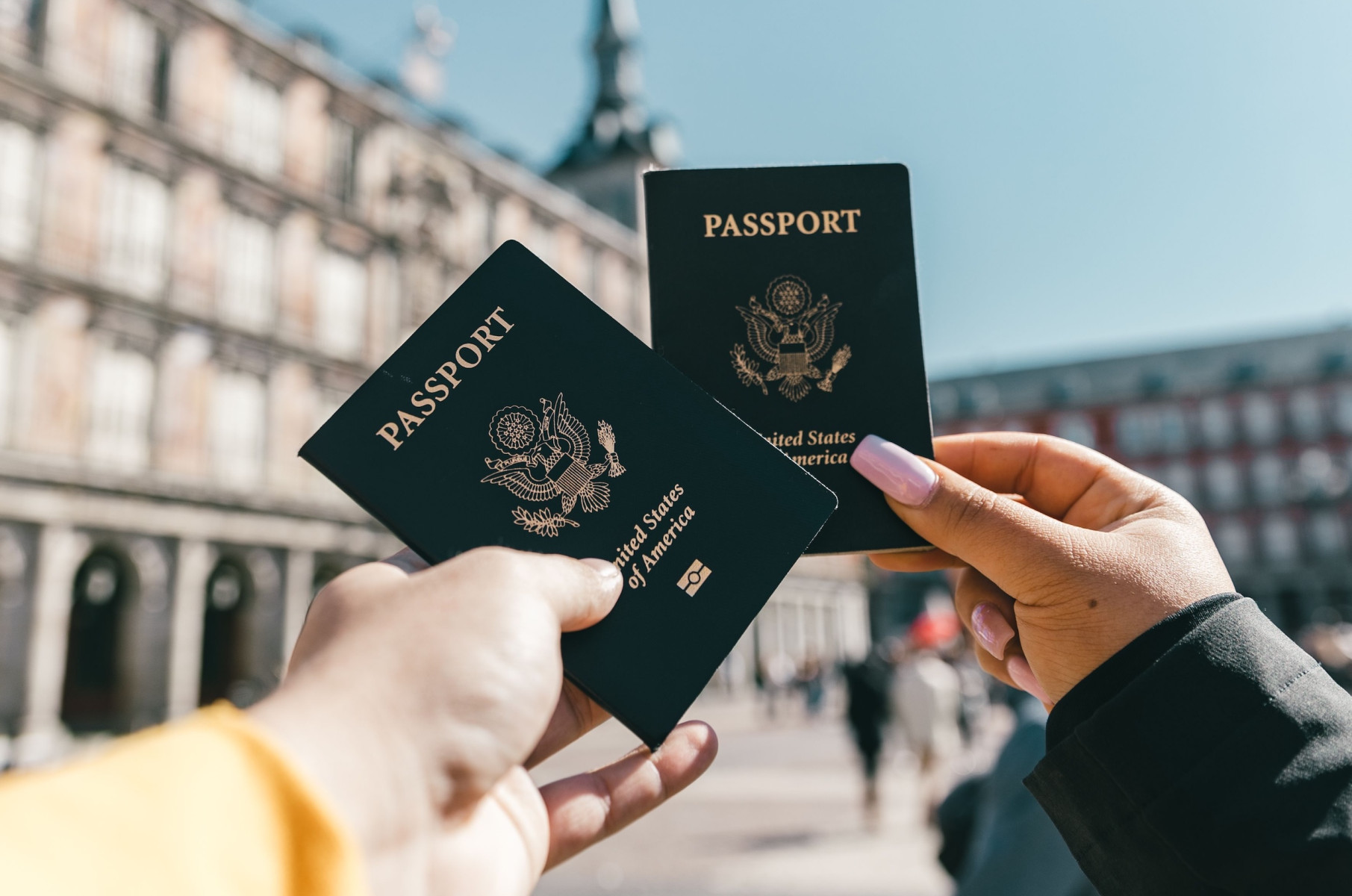
Access to travel depends largely on one’s place of birth. Travelers from lower-income countries and regions often encounter significant bureaucratic obstacles and restrictive visa procedures. The latest Henley Passport Index illustrates just how unevenly freedom of travel is distributed worldwide. While German passport holders have access to 186 destinations without needing a visa in advance, Indian passport holders have access to only about 55. For people from countries with weaker passports, visas, fees, supporting documentation, and long processing times can make international travel considerably more difficult. While the Global West views freedom of movement as a basic need, real disparities in power and wealth become apparent at borders.
Marion Muller, owner of the SANDcollection, which includes two hotels — one on the North Sea (SANDglow) and one on the Baltic Sea (SANDnature) — has also noted that travel options for individuals are more limited today than they were just a few years ago. She says that traveling has become more restrictive and deliberate due to global crises and conflicts, climate change, travelers’ nationalities and personal circumstances, and changes in transportation and travel options.


Travel connects
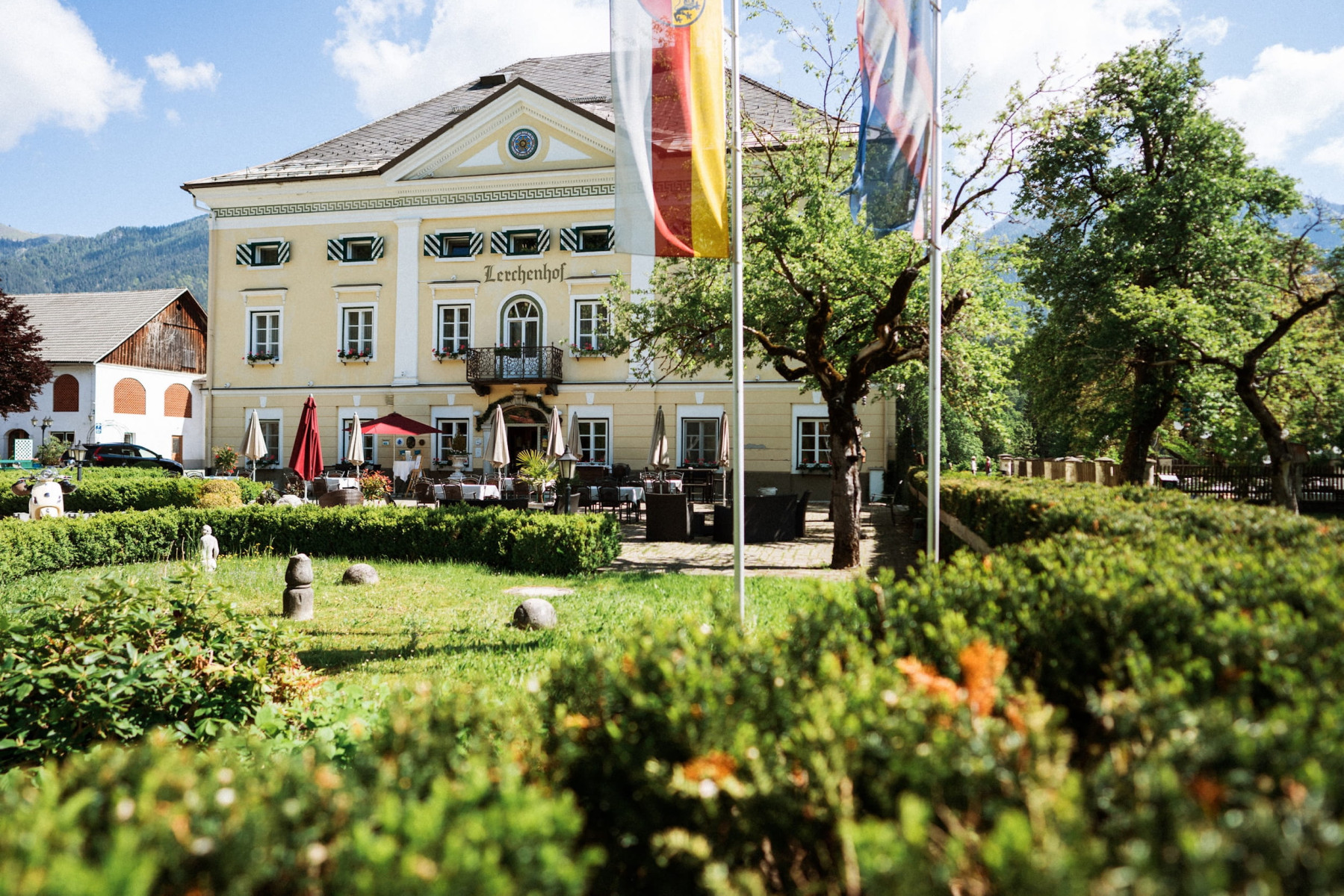
For Johann Steinwender, the owner of Hotel Schloss Lerchenhof, travel remains an expression of personal freedom, despite such obstacles, coupled with a sense of responsibility toward nature, the regions, and the local people. To him, it is important to welcome guests from all over the world while preserving the cultural diversity that makes this exchange possible in the first place, now and for future generations.
That these encounters are of inestimable value is also empirically demonstrated by the study from the Pew Research Center. People who travel frequently develop a stronger sense of belonging to the global community (42% compared to 30% among those who travel rarely or never) and have a broader international perspective.

Isis Cordova, the head of marketing at Inkaterra Hotels in Peru, shares this view. She believes that the hospitality industry provides an opportunity to connect people with different cultures, nature, and one another. However, this access is not yet equal for everyone. That is precisely why Inkaterra is committed to creating more open and welcoming experiences. The goal is to allow more people to experience the understanding, inspiration, and sense of connection that such trips provide.
Tourism booms – but not everywhere at the same rate
A look at the figures shows that the global travel boom is continuing, albeit unevenly. According to the UN World Tourism Organization, there were approximately 1.52 billion international tourist arrivals worldwide in 2025, which is nearly 60 million more than the previous year and a 4 percent increase. At the same time, international travel is heavily concentrated in a few economically strong source markets. China, the United States, Germany, and the United Kingdom are among the countries with the highest spending on international travel.
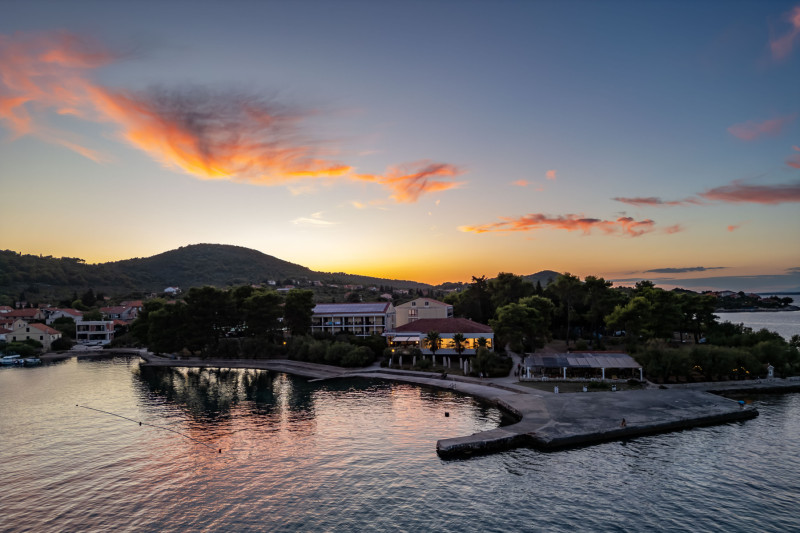
Therefore, demand remains high from certain regions despite rising travel costs and geopolitical uncertainty. However, Ben Förtsch of the Hotel Luise in Erlangen points out that an increase in vacationers does not necessarily improve the situation. For Förtsch, travel is a fundamental right that should be treated as a privilege. He says the real problem isn’t rising numbers but cheap all-inclusive packages, which tend to destroy tourist destinations because guests never leave the hotel grounds. Sustainable, value-adding stays should be accessible to everyone. But that does not mean flying necessarily has to get cheaper. The manager of the Hotel Korinjak in Croatia also emphasizes that meaningful tourism must foster genuine connections between people, cultures, and nature, rather than merely consuming destinations.

Accessibility as a shared responsibility
Accessibility also presents significant untapped potential in the tourism sector. There are approximately 90 million people with disabilities living in the EU. Despite this, travelers still encounter barriers and a lack of accessibility in many places. According to a European Commission survey, 37 percent of people with limited mobility have decided not to travel at some point because of a lack of suitable, accessible facilities, equipment, or services. Forty-eight percent said they would travel more often if there were more suitable options available. The practical implementation of inclusion is important, and hospitality must extend to everyone. This also includes accessibility, since it means enabling participation.

Martina Dellerba, the hotel manager at Relais del Maro in Borgomaro, views this primarily as a shared responsibility. As long as access to travel remains unequally distributed, she believes the industry must take responsibility for breaking down barriers rather than accepting them. For her, this starts on a small scale with the question of whom a hotel welcomes.
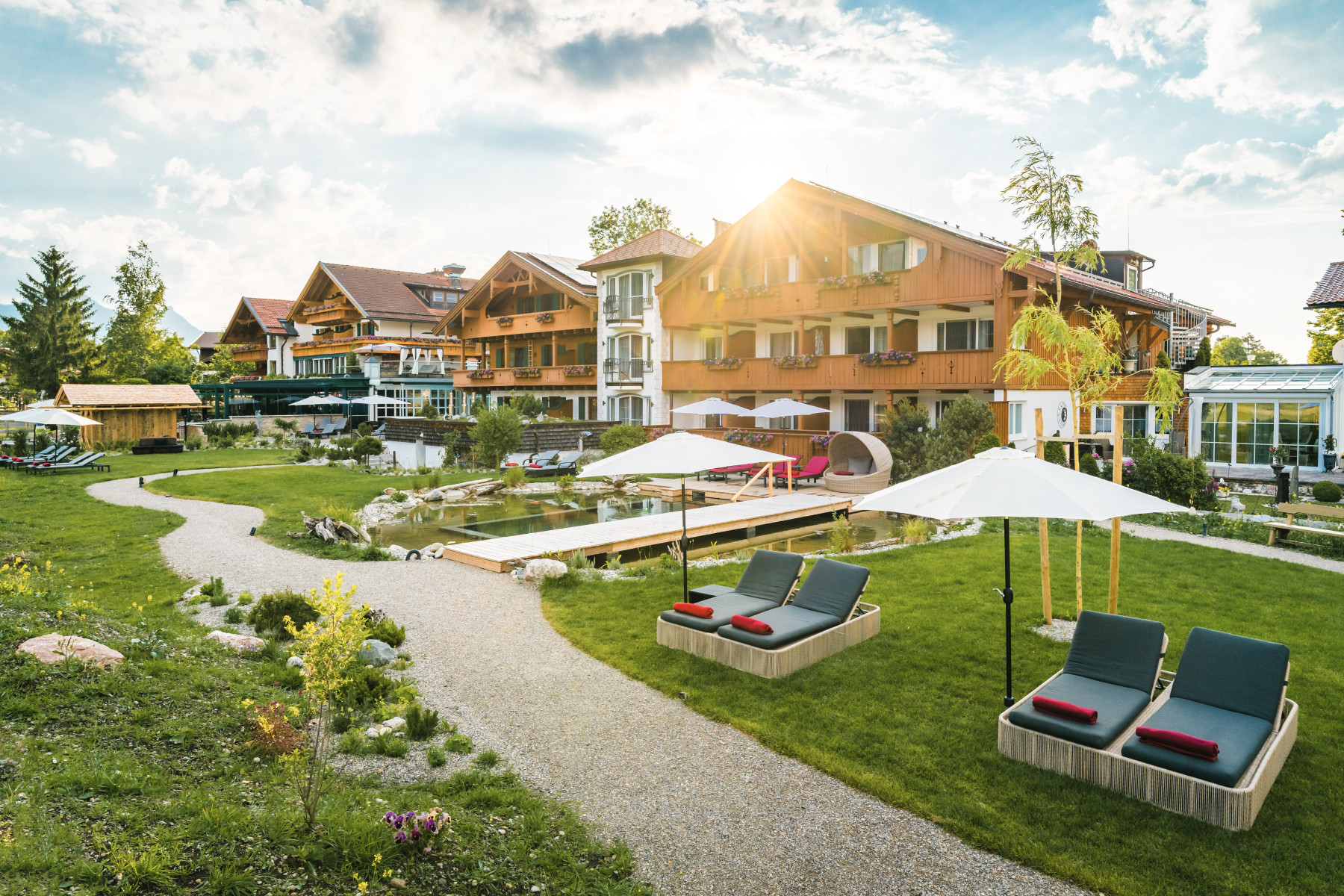
Alexander Thurm, junior manager of the Hotel Das Rübezahl, shares this view. He believes that travel is an expression of a high standard of living enjoyed by only a small portion of the world’s population. This makes it all the more important to approach this luxury responsibly—through accessibility, fair working conditions, and social projects—without losing sight of the global context.

After all, as Ursula Wagner, the hostess at Naturresort Gerbehof, points out: The human need to travel in order to gain experiences, learn about other cultures, and recharge is as old as humanity itself.
Between Privilege and Right
In principle, everyone should have the right to recreation, self-fulfillment, and cultural exchange. In practice, however, access to these depends on factors such as income, citizenship, background, and accessibility. Consequently, recreation, self-fulfillment, and cultural exchange remain more of a privilege than a right. For this to change, the tourism industry must become more equitable. This includes physical and social inclusion, fair wages, and consistent environmental protection. Those who view travel as a respectful encounter between worlds rather than a cheap consumer good lay the groundwork for ensuring this exchange remains open to future generations.
Our sources:
- DEHOGA: Barrierefreiheit in Hotellerie und Gastronomie
- European Commission: Accessibility in Inclusive Tourism? Hotels Distributed through Online Channels
- Eurostat: Population with disability
- Henley Global: Asian Nations Dominate Passport Power Ranking as US and UK Continue to Decline
- Pew Research Center: International Travel
- Rainer Ebert: Travel is a right, not a privilege, and the Global South is leading the way
- Statista: Reiseverhalten der Deutschen - Daten & Fakten
- UN Tourism: International tourist arrivals up 4% in 2025 reflecting strong travel demand around the world
- UN Tourism: World Tourism Barometer