


A truly clean matter – Steps toward eco-friendly laundry in hotels
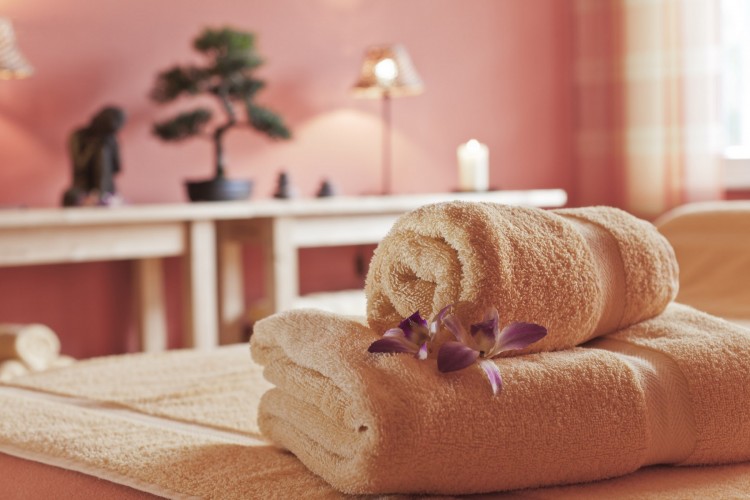
Every year, countless tons of laundry is produced in hotels around the globe. An example demonstrates the impact of laundry on the environment: On average, a washing cycle of 10 kg consumes at least 50 liters of water and about 1.2 kWh of electricity; the detergent is not even calculated. Meanwhile, hotels draw their guests’ attention to using towels and other textiles several times – with increasing success. For instance, some hotels with a size of 700 rooms saved more than 125,000 towels per year, equivalent to around 129,000 liters of water and 1.6 kg of CO2. On the one hand, this is profitable for the hotel budget, and on the other, it is a huge benefit for the environment. However, such advising decals do not always serve their purpose, as hotels often tend to change towels on a daily basis. In these cases, either employee communication lacks or the project is not genuinely pursued.
Washed dirty
In addition to the required resources, such as water and electricity, conventional detergents, in particular, are putting a strain on the environment. The contained fragrances, antibacterial and bleaching ingredients, preservatives and fillers cannot be (fully) filtered by sewage treatment plants and, thus, enter the environment through the wastewater. These substances have serious consequences for the health and the environment, as they can destroy important microorganisms and cause allergies. At the same time, they impact nature with salts, phosphates or bleach, such as chlorine. Though, several opportunities for hotels exist to reduce their ecological footprint when doing their laundry.
Efficient in the Black Forest
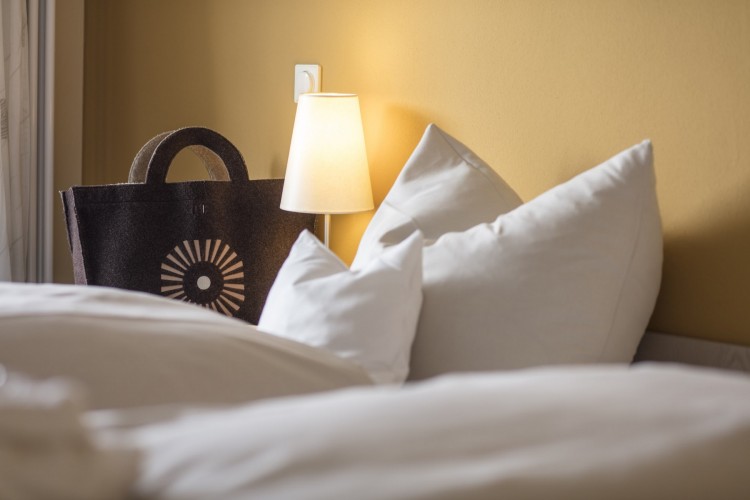
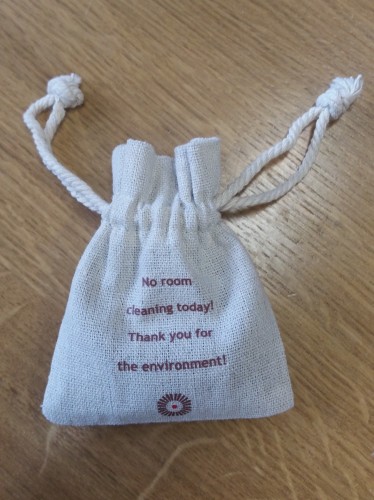
The selfness-hotel SCHWARZWALD PANORAMA hands over the accruing laundry to an external laundry shop that works in a gentle and environmentally friendly manner. Among other things, it uses technologies for water recovery, water heat exchangers and exhaust air exchangers. Moreover, a decentralized heating supply for the machines efficiently distributes the energy exactly where it is currently needed in the washing process. Besides, the washing detergent used is Ecolab certified. In addition to the usual notices of towel change, the hotel introduced lavender bag door signs, intending to prevent unnecessary room service. That way, cleaning products and resources are saved.
Vegan laundry room
The LA VIMEA in South Tyrol washes the laundry in-house. To save energy, the washing machines are only run when fully loaded and equipped with a water recovery mode reducing the water consumption by around 40 % and energy consumption by around 15 %. According to the hotel's vegan philosophy, LA VIMEA only uses vegan detergents that have not been tested on animals. Moreover, all detergents are biodegradable in order to minimize the environmental impact. A dosing system additionally calculates the amount of detergent to prevent waste. The dispenser works depending on the type, size, and temperature of the washing cycle as well as the required detergent. That way, optimal wash results, low consumption and thus cost savings are guaranteed and extend the machine’s service life.
Kissed by the Tuscan sun
The laundry is also washed in-house at the Bio-Agrivilla i pini. In like manner as the hotel LA VIMEA, a dosing system for the detergent is operated, solely full washing machines are run and biodegradable, vegan detergents without animal testing are used. A special advantage of the Bio-Agrivilla i pini: The warm climate of Tuscany contributes to air-drying the laundry, and avoids wasting energy, which is required for drying. Duvet covers and naperies are made of linen, so no ironing is required, thus, also saving energy.
Due to the large amounts of laundry that hotels all over the world produce, eco-friendly and energy-efficient handling is good for environmental protection. If implemented correctly, the purposes also pay off financially for the hotels in regards to the three pillars of sustainability. Besides nature hotel guests also benefit from a gentle cleaning method with natural detergents being beneficial to the health.