

Freshness rather than frost: How hoteliers are reducing their cold storage base load through purchasing strategies
The 2026 energy crisis is intensifying the economic pressure on the hotel industry to an unprecedented degree. Triggered by geopolitical tensions in the Middle East, energy markets are experiencing turbulence with immediate consequences for electricity prices. For hotels, which are already facing rising grid fees and increasing CO₂ costs, energy expenses are becoming a major risk factor. Hotel kitchens, which operate behind the scenes but play a significant role in cost structures, are under particular focus.
Cooling comes at a price
Cold storage and deep-freeze facilities operate continuously, 365 days a year. Due to their constant cold chains, complex storage technology, and energy-intensive defrost cycles, these facilities generate an enormous baseline energy load, resulting in high electricity costs and a significant environmental impact. Moreover, stockpiling as part of conventional bulk purchasing often results in unclear, "hidden inventory," thereby increasing the risk of food waste.
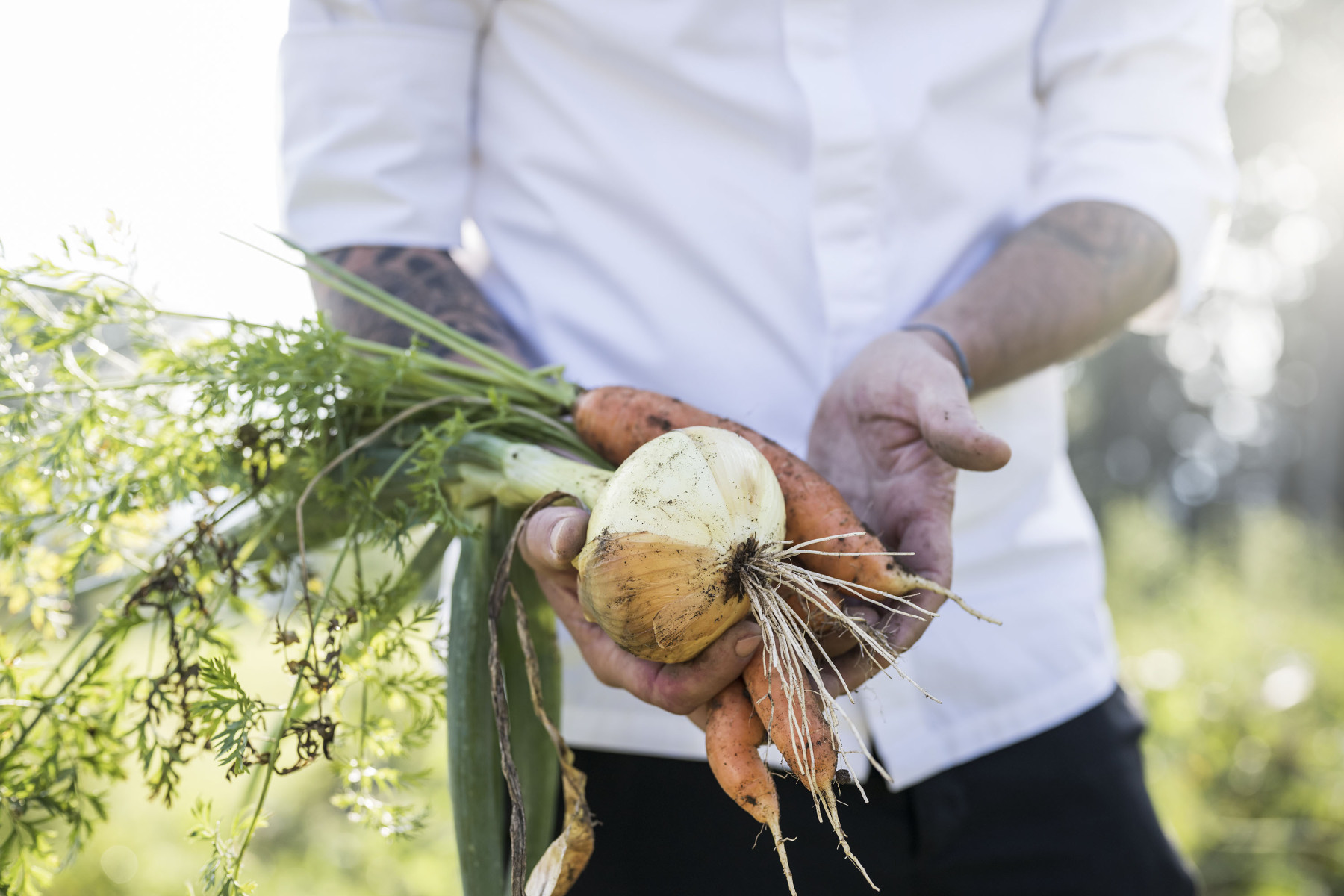
However, some hoteliers are showing that strategically reorganizing their procurement processes addresses this energy demand at its core. By shifting to regional, fresh, demand-driven procurement, they are reducing energy consumption right from the start. Rather than relying on global supply chains and frozen, prepackaged products, these early adopters are implementing just-in-time delivery based on demand. Short transport routes from producers to processing facilities minimize the need for on-site refrigeration, enabling large cold storage facilities to be replaced by modern refrigeration units designed to meet daily needs.
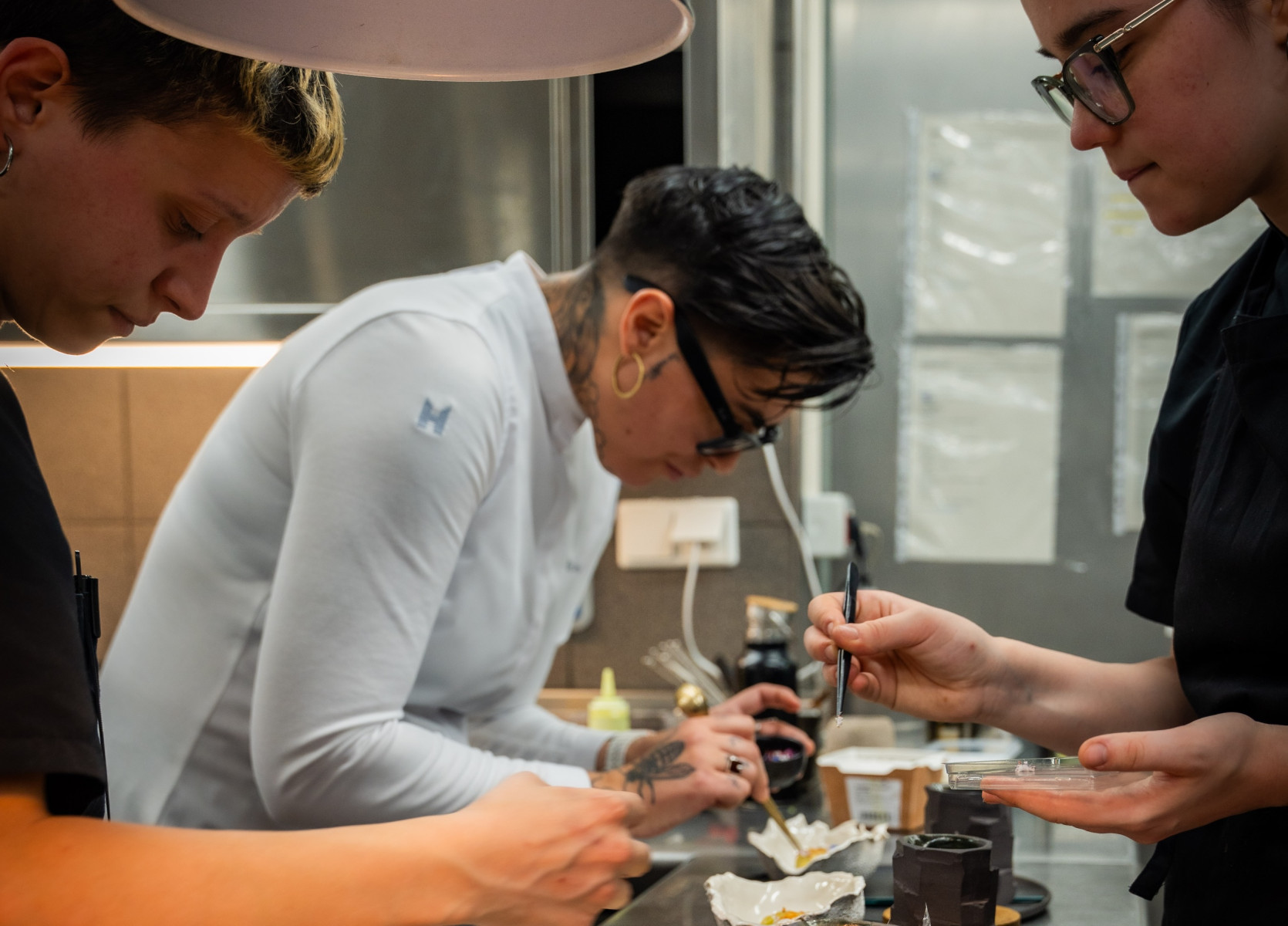
This new approach to kitchen organization reduces electricity consumption and offers qualitative benefits. Using fresh ingredients, a high proportion of homegrown produce, and traditional preservation methods such as fermentation, canning, or drying enables sustainable food storage without the need for continuous refrigeration. An added benefit: Packaging waste is reduced through the use of reusable systems and direct supply chains.
This results in an approach that combines environmental responsibility with economic resilience, demonstrating that the kitchen, one of the most energy-intensive areas of a hotel, can also be a key driver of efficiency. How differently these strategies are implemented in practice and what concrete results they yield are illustrated by the following examples from Green Pearls® partner hotels.
Regional strategies for daily kitchen operations

At the Green Spa Resort Stanglwirt in Tyrol, tightly scheduled deliveries, sometimes several times a day, have replaced the traditional bulk purchasing model. Close collaboration with regional partners minimizes intermediate storage times—and thus the need for refrigeration. The resort's model is complemented by a high proportion of in-house production and a kitchen that operates based on availability rather than a rigid standard menu.
At the Relais del Maro in Liguria, the restaurant is committed to preparing everything in-house, replacing energy-intensive, industrially processed products. Cakes and tomato sauces are baked and cooked on-site. The freshly prepared breakfast items are all “zero-kilometer” products that come directly from local producers in the surrounding valleys. The bread baked daily, the croissants, and the traditional focaccia go straight from the village baker's oven to your table. Due to these short supply chains and smaller, more flexible purchasing cycles, extensive stockpiling in large refrigeration facilities is unnecessary.

The ADLER Ritten also relies on a network of regional partners. The kitchen uses fresh produce from the immediate area and maintains close, reliable relationships with local producers. These short supply chains ensure high quality and freshness while reducing the need for energy-intensive refrigeration. The hotel's 4,000-square-meter farm garden complements this strategy by yielding summer wheat, potatoes, beets, leeks, strawberries, and many other varieties.
The Naturresort Gerbehof on Lake Constance operates in a similar way and takes a pragmatic approach to this issue. The resort buys eggs, cheese, and vegetables from neighboring farmers and harvests herbs, lettuce, and seasonal vegetables directly from its garden. However, the resort also emphasizes that reliable food refrigeration is indispensable in a professional kitchen, especially during the warm summer months. Nevertheless, the combination of growing produce on-site and transporting it without detours reduces the logistical energy required and the need for refrigeration beforehand.
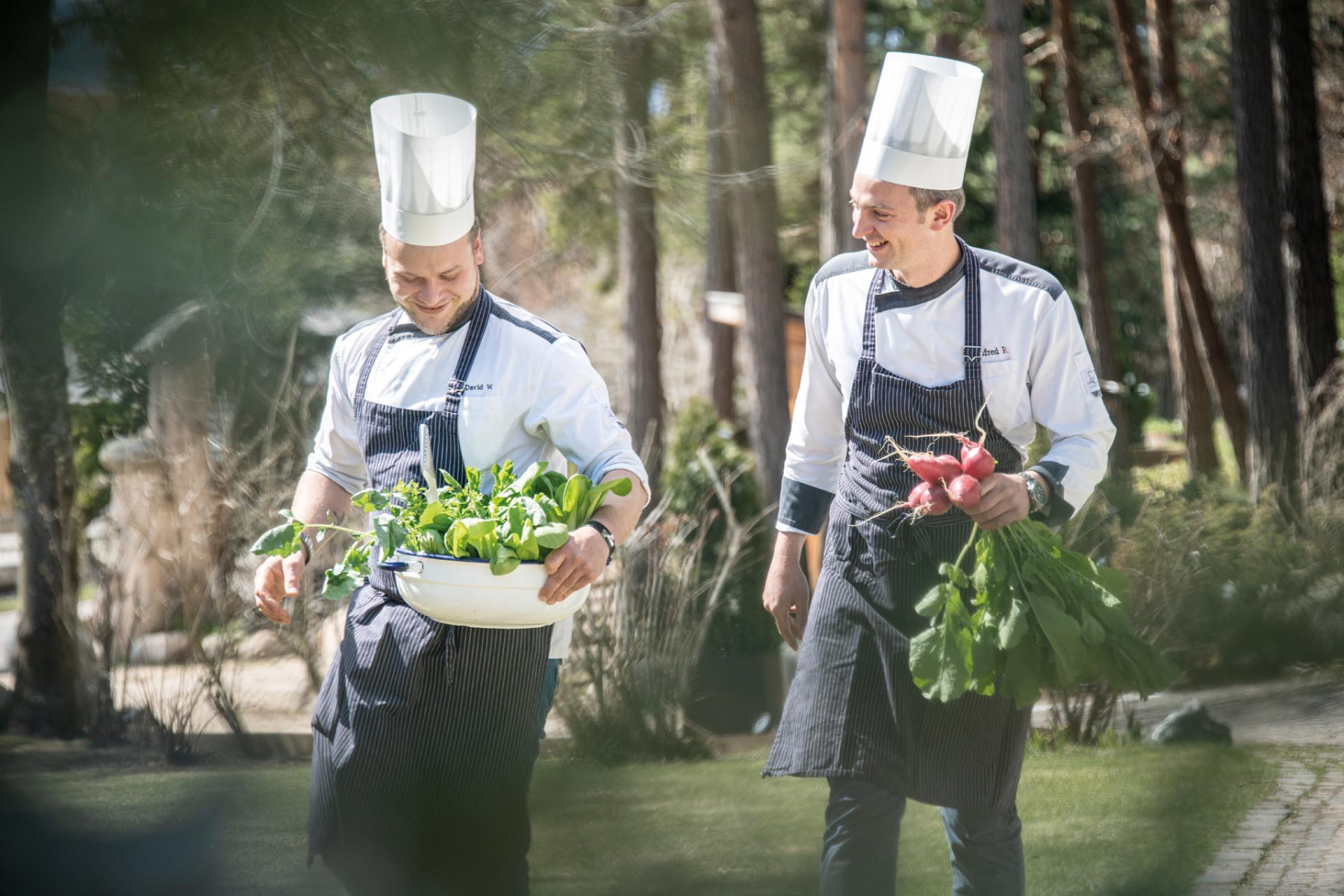
One place that exemplifies a consistent farm-to-table approach is the APIPURA hotel rinner in South Tyrol. Fresh fruits and vegetables are delivered directly from a neighboring farm to the kitchen several times a week. Any surplus produce is preserved using traditional methods, such as fermentation, canning, or pickling. The hotel works closely with the producers, sometimes even extending their collaboration to crop planning. APIPURA Executive Chef Manfred Rinner was also part of a working group that helped develop the “Bio Fair Südtirol” culinary concept in 2022. This certification system supports local organic farming by requiring food to come from within a 200-kilometer radius.
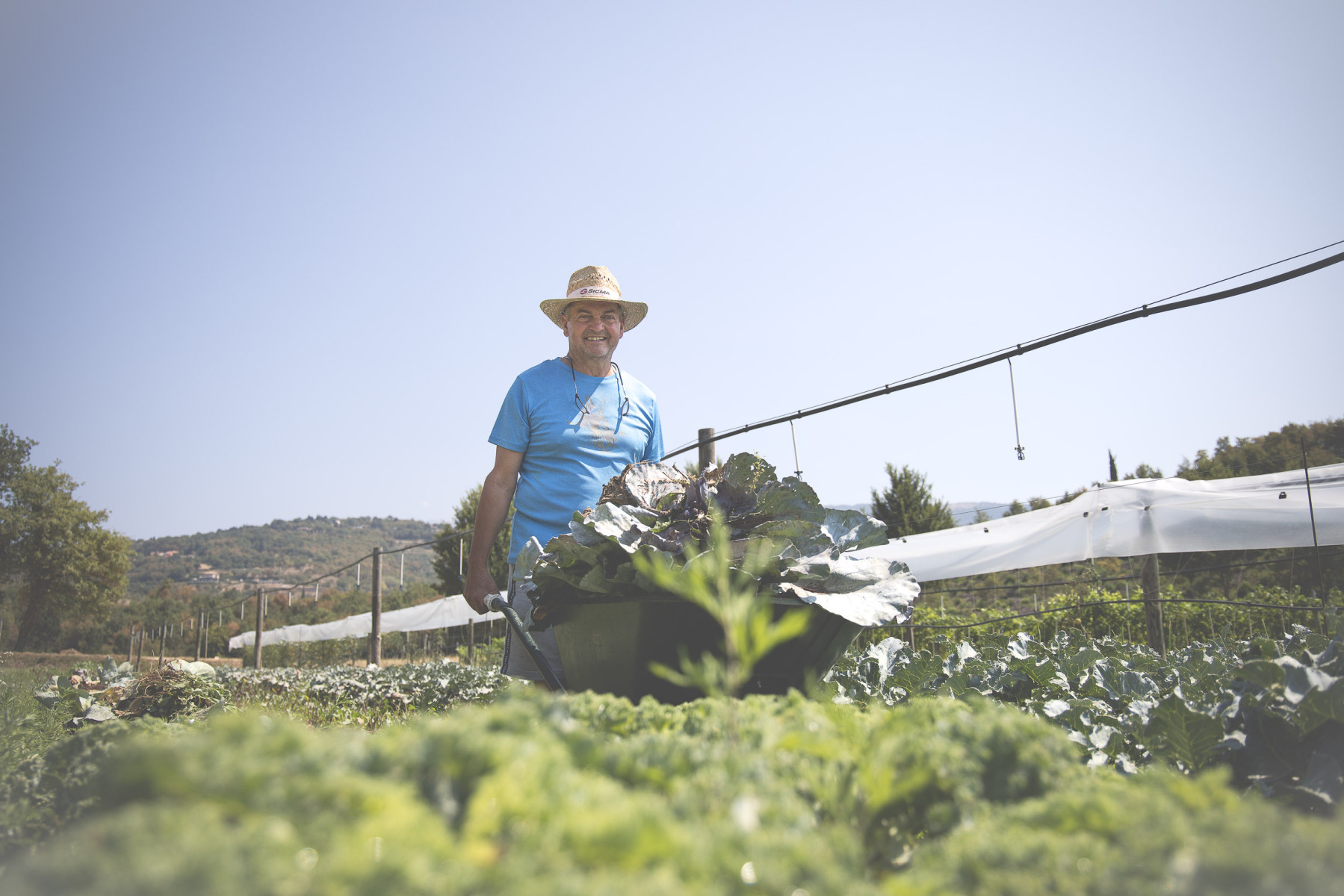
The My Arbor wellness hotel near Brixen confirms that switching to regional, fresh, homemade products improves this South Tyrolean business's energy efficiency, primarily by drastically reducing refrigeration and freezing needs, shortening supply chains, and significantly reducing storage times. Compared to a traditional procurement model involving the long-term use of cold storage, the hotel reduces its direct on-site electricity costs and indirect energy consumption related to logistics. Moving away from continuously refrigerated inventory conserves resources and results in higher-quality products for guests because ingredients fresh from the harvest require fewer energy-intensive processing steps in the kitchen.
Another example of how a fresh, regional procurement strategy is a culinary and energy-efficient choice is the SCHWARZWALD PANORAMA Hotel in Bad Herrenalb. Traditional bulk purchasing increases energy costs due to uninterrupted cold chains and long storage times. In contrast, a focus on seasonal products shortens delivery routes and storage times. Smaller, demand-driven order quantities reduce food waste and lower the required refrigeration capacity at the wellness hotel in Bad Herrenalb, which in turn minimizes the technical base load in kitchen operations. The kitchen team prepares basic ingredients such as stocks, dressings, and baked goods in-house, achieving resource-efficient production that combines lower energy consumption during storage with higher culinary quality.
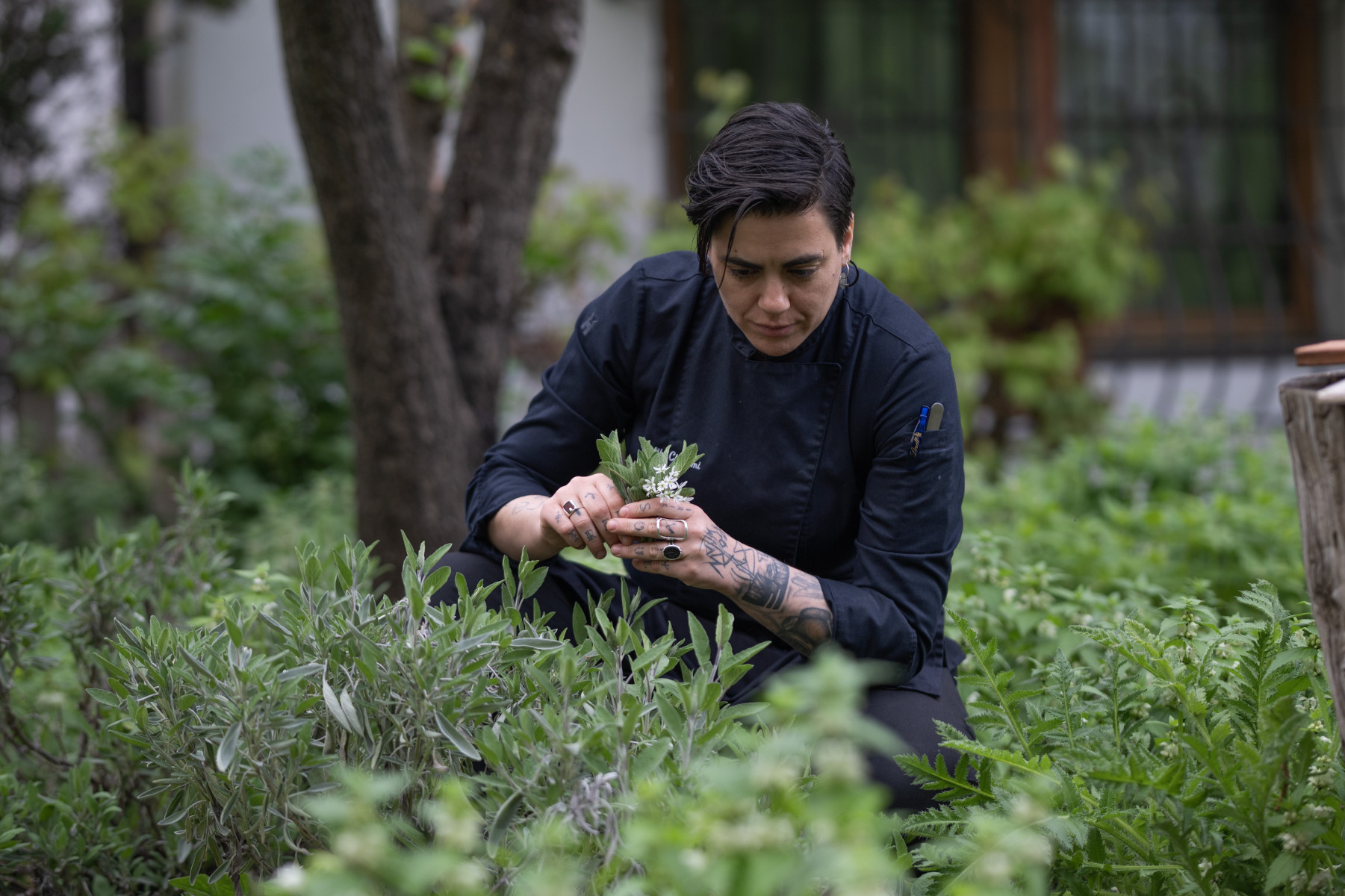
At the vegan hotels Paradiso Pure.Living and LA VIMEA, this purchasing philosophy is combined with a consistent zero-waste strategy. Under the direction of Executive Chef Aggeliki Charami, the kitchens use only fresh, organic, locally sourced ingredients. Orders are placed more frequently, but in smaller quantities. Inventory levels are carefully calculated, and regular deliveries of seasonal fruits and vegetables reduce the need for storage space even further. The goal is to utilize high-quality organic ingredients as efficiently as possible by focusing purchasing and cooking exclusively on in-house prepared dishes. Combined with the zero-waste food policy in the restaurants, product utilization efficiency is exceptionally high.
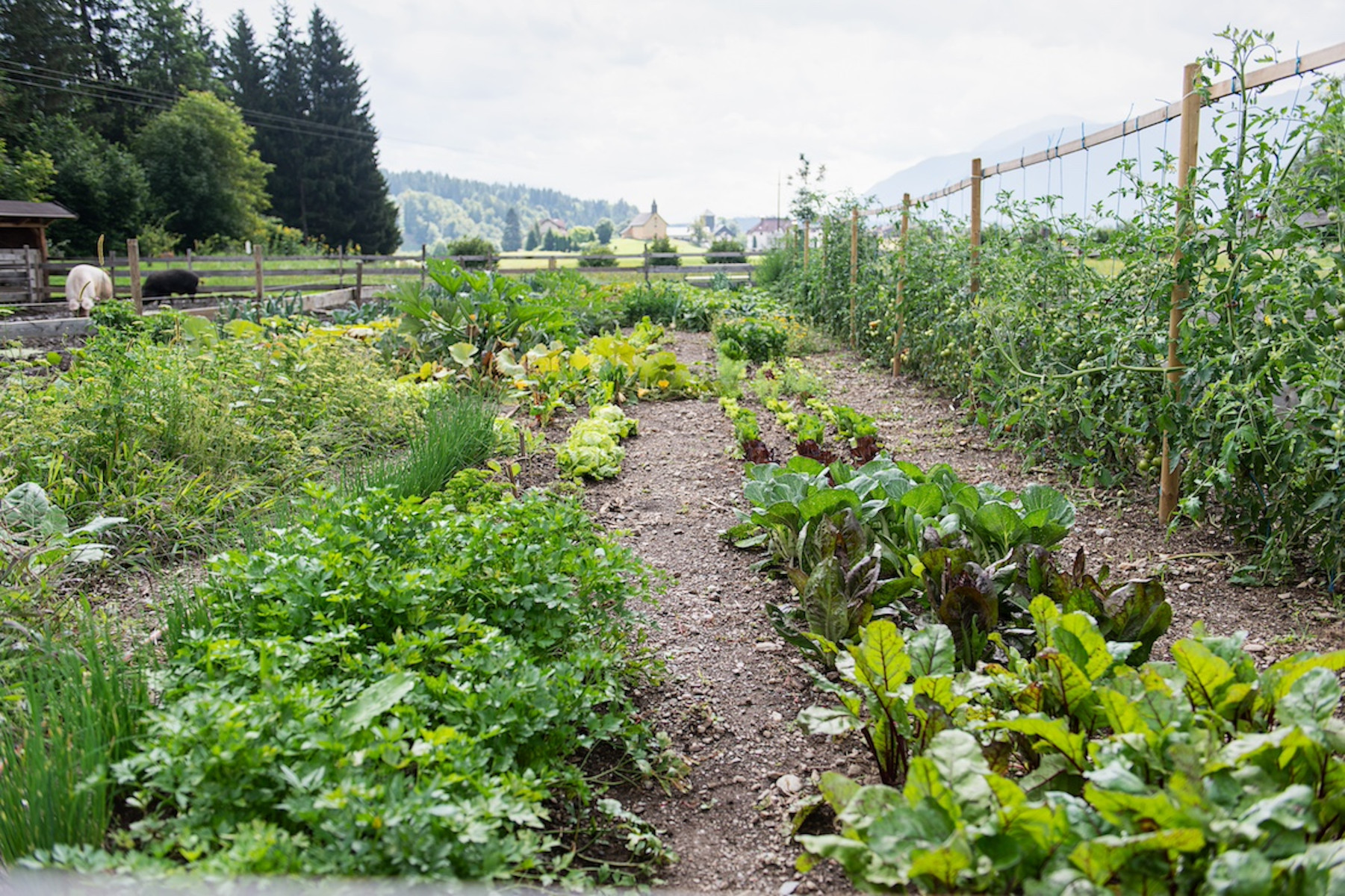
The Carinthian Slow Food Hotel Schloss Lerchenhof has dedicated its cuisine entirely to the rhythm of the seasons. Each morning, ingredients are delivered fresh from the hotel’s own farm just around the corner or from local producers. "Our cuisine is based exclusively on the season. We serve whatever is currently growing and available," explains owner Johann Steinwender. "Often, it’s not until morning—after the harvest and delivery—that we decide what will be cooked in our natural kitchen that day," he adds with a smile.
The SANDnature at the SANDcollection in Timmendorfer Strand is taking a more analytical approach. Currently, it is conducting a systematic review of its refrigeration capacity. To this end, the facility is reevaluating its purchasing and warehousing processes. The goal of this logistical restructuring is to store refrigerated products in a more concentrated manner and consolidate the technical infrastructure into a single, centralized refrigeration system. Through this space optimization, a former cold storage facility will be converted into an uncooled dry storage area. This reduction in refrigerated space is expected to lower electricity consumption in the kitchen area without compromising the freshness or quality of food served to guests.

Since completely doing without refrigeration in a professional kitchen is not realistic, the Hotel Das Rübezahl in Schwangau combines modern technology with traditional expertise. Located in the Allgäu region, the hotel relies on highly advanced, energy-efficient cooling systems and a clever recirculation system that redirects the waste heat generated by the cooling systems to heat the hotel’s outdoor pool. Additionally, the team at the award-winning Louis II restaurant focuses intensely on preservation methods. By utilizing traditional methods to preserve seasonal, regional products, the restaurant reduces transportation distances, avoids imported goods, and optimizes resource efficiency while keeping the ingredients fresh without the need for continuous electricity use.
Regional sourcing as a lever for energy efficiency in hotel kitchens
The examples demonstrate that a frequently overlooked lever lies in how food is sourced, stored, and processed. Shorter supply chains, smaller order quantities, and closer collaboration with local producers minimize the need for large-scale refrigerated and frozen storage facilities. Traditional preservation methods, a high proportion of in-house production, and precise inventory planning also minimize food loss while using resources efficiently. What becomes clear is that doing without oversized stockpiles does not in any way result in a loss of quality. Using fresh, seasonal ingredients enhances culinary quality, strengthens regional value chains, and creates an authentic guest experience. Where refrigeration remains essential, modern, energy-efficient systems and smart heat recovery systems provide additional savings. In light of the ongoing 2026 energy crisis, regional sourcing is therefore evolving from a sustainability measure into a key factor for economic success.