

Sustainability and Michelin-starred Cuisine: Contradiction or Opportunity?
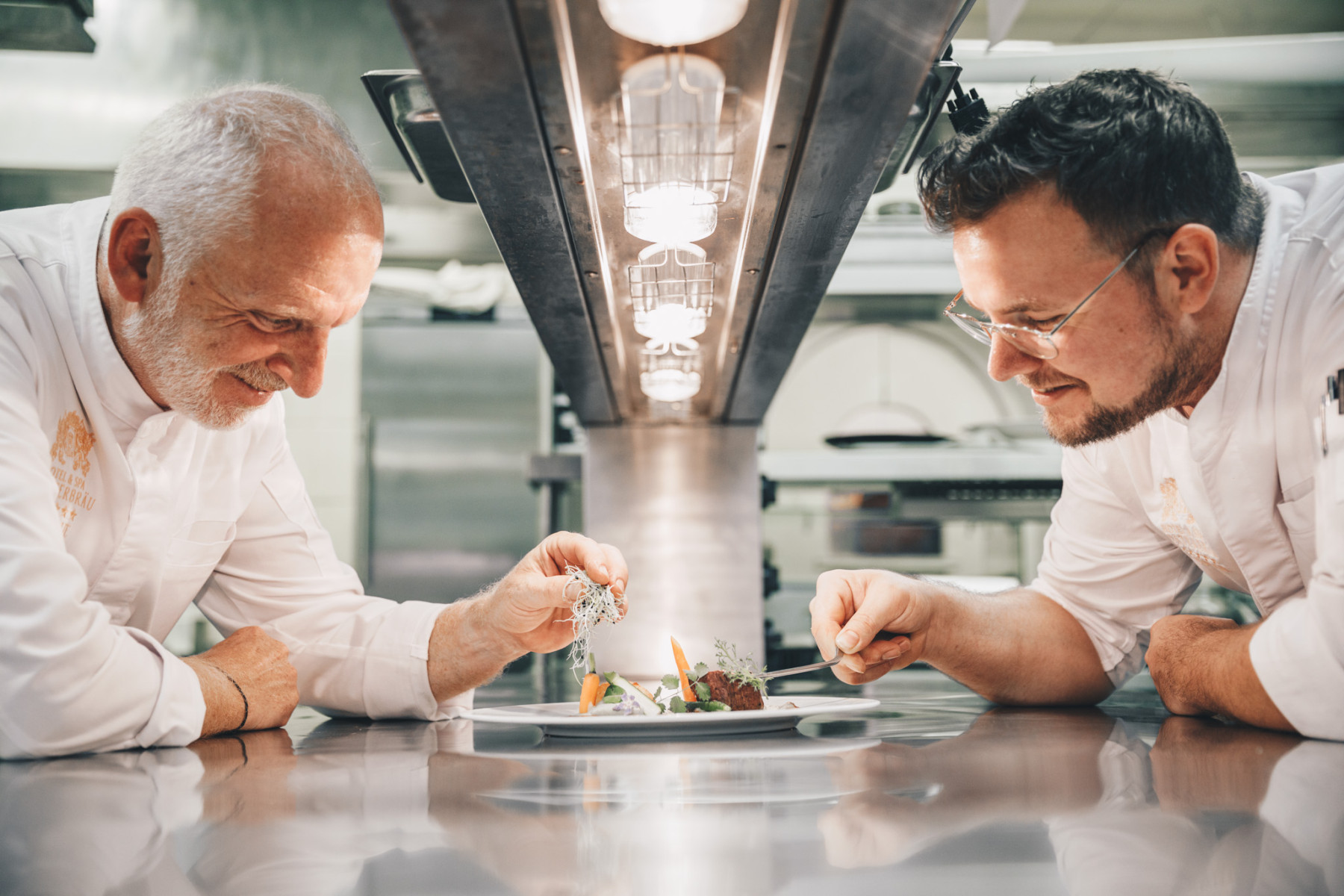
In modern gastronomy, sustainability is no longer a short-term trend, but a key issue. However, the challenge is always the same: Is it possible to combine fine dining with a sustainable approach? This question becomes particularly relevant when you consider the culinary delights of Michelin-starred cuisine - exclusive ingredients that are not always available locally, and the high expectations of diners who often demand unusual, exotic products.
The Green Michelin Star, awarded since 2020, is an attempt to counter this contrast and, above all, to recognize restaurants that, through their actions, define a new model of gastronomy and take the impact of their daily activities on the environment into account. While the traditional Michelin-star recognizes a restaurant's culinary excellence, the Green Star also recognizes an establishment's sustainable initiatives. But how do these two worlds fit together?
In this newsletter, we take a look at the different perspectives and challenges that restaurateurs and hoteliers face when combining sustainability and Michelin-star cuisine. We interviewed not only the Michelin Guide itself but also the Green Pearls® hotels, whose sustainable concepts and culinary offerings provide an interesting picture of how indulgence and responsibility can be reconciled.
Sustainability is not a trend, it is a necessity for the future of gastronomy.
Green Pearls®

What is a Michelin Green Star?
The Green Star is awarded in addition to the regular Michelin star and considers a variety of factors that go beyond the pure quality of the food. These include the origin and seasonality of ingredients, the use of resources, and the promotion of environmental awareness among diners. "We wanted to give more visibility to restaurateurs who focus on sustainability and recognize them for their efforts," explains the director of the Michelin Guide for Germany, Austria, and Switzerland in an interview with Green Pearls®. The Green Star is an invitation to act more responsibly and set an example as a restaurateur. The quality of the ingredients continues to play a decisive role: Only those who practice both culinary excellence and environmental awareness can be awarded the Green Star.
The Path to Sustainability in High-End Gastronomy
Local and Organic as the Only Way
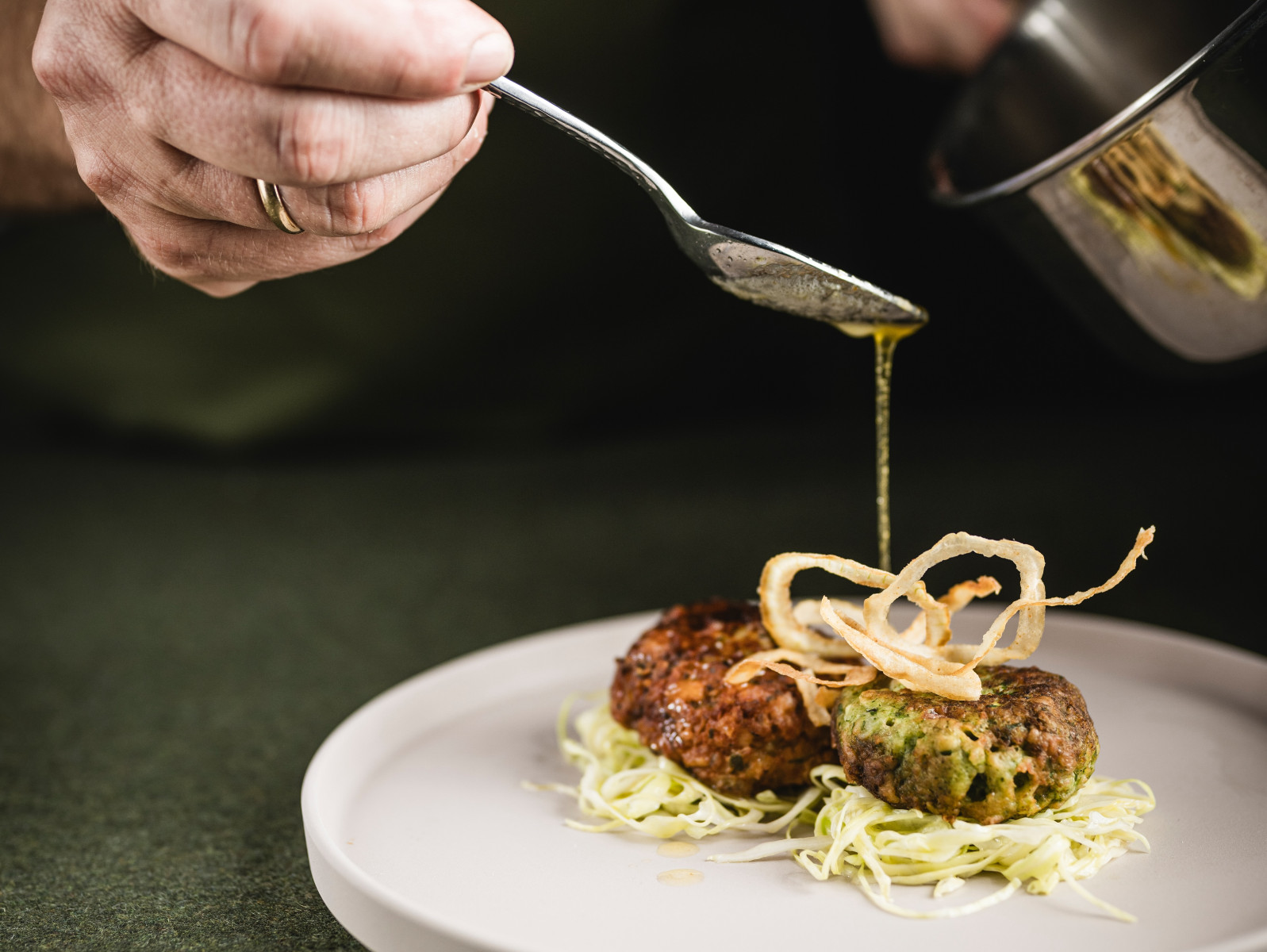
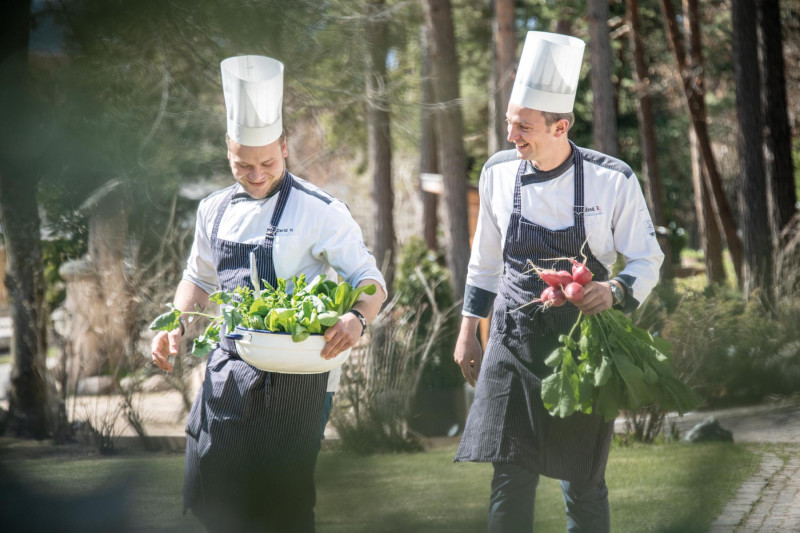
The APIPURA hotel rinner* in South Tyrol follows a clear philosophy: The kitchen consistently uses regional and organic ingredients. "We are convinced that it is possible to work with regional products even in a Michelin-starred kitchen," explains junior chef Manfred Rinner. The hotel's mission is to show guests how diverse and creative sustainable cuisine can be - without resorting to exotic ingredients. "The challenge is to make guests aware that the highest culinary quality can be achieved without expensive imported products," says Rinner. Sustainability is not seen as a limitation but as an opportunity to create new, authentic taste experiences.
Challenges of Guest Expectations
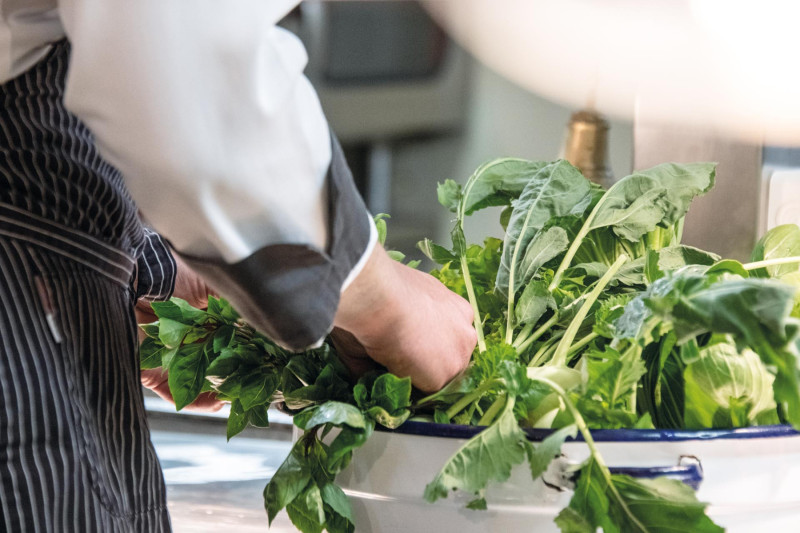
At the Hotel My Arbor* in South Tyrol, the cuisine focuses on regional and seasonal products, most of which come from the hotel's farm. Sustainability plays a central role in the culinary concept. "We source almost all of our ingredients from local suppliers, and many products, such as fruit, vegetables, and eggs, come directly from our farm," explains head chef Matthias Hinteregger.
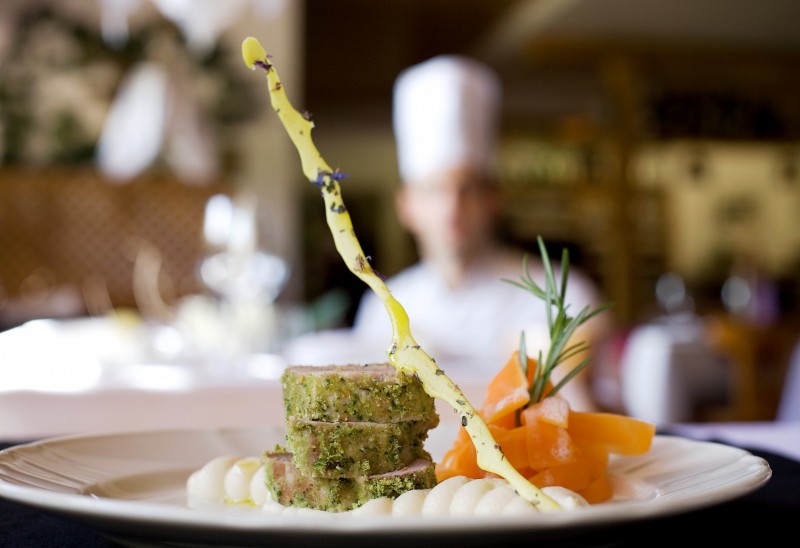
The biggest challenge in combining fine dining and sustainability is diners' expectations. "Many associate fine dining with exotic ingredients from faraway places that require long transportation routes and a larger environmental footprint," says the chef. To meet these expectations while still relying on local produce requires a lot of creativity. "It requires communication and innovation to show that equally sophisticated and complex dishes can be created with sustainable, locally sourced ingredients," he adds. While a Michelin Green Star is not currently on the agenda, My Arbor remains true to its commitment to sustainable, responsible cuisine and its focus on innovation and regionality.
A Clear Position on Luxury Ingredients
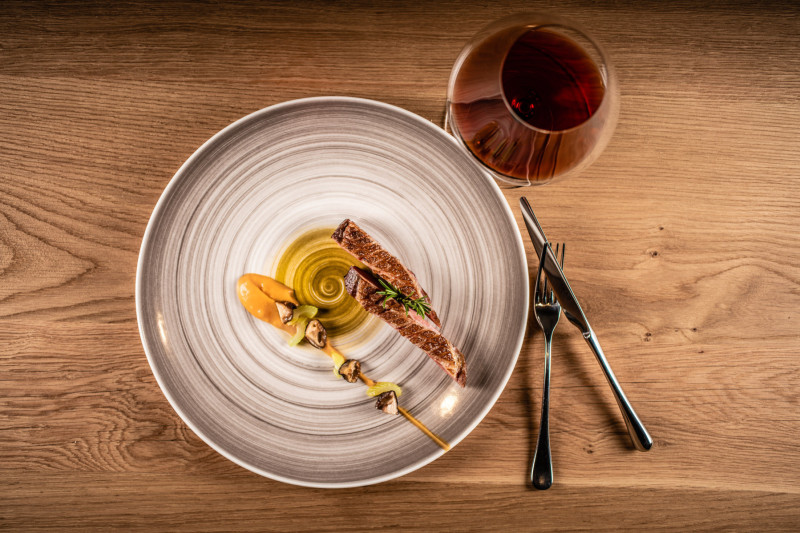
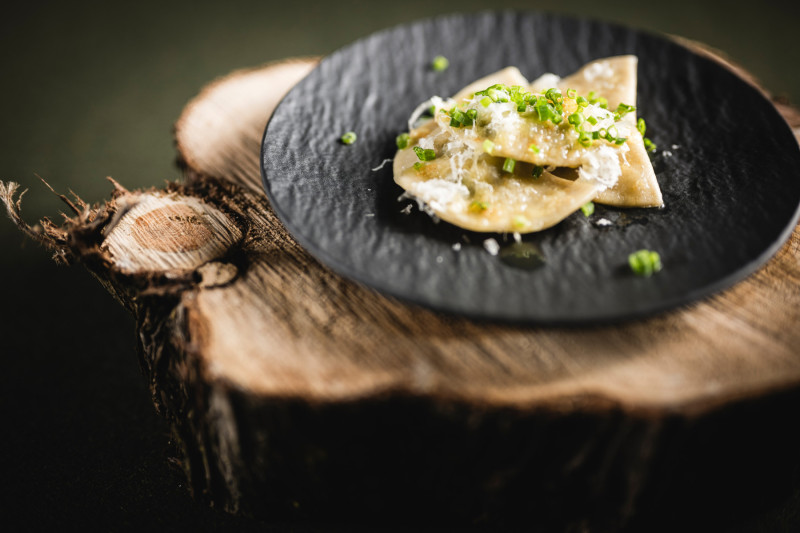
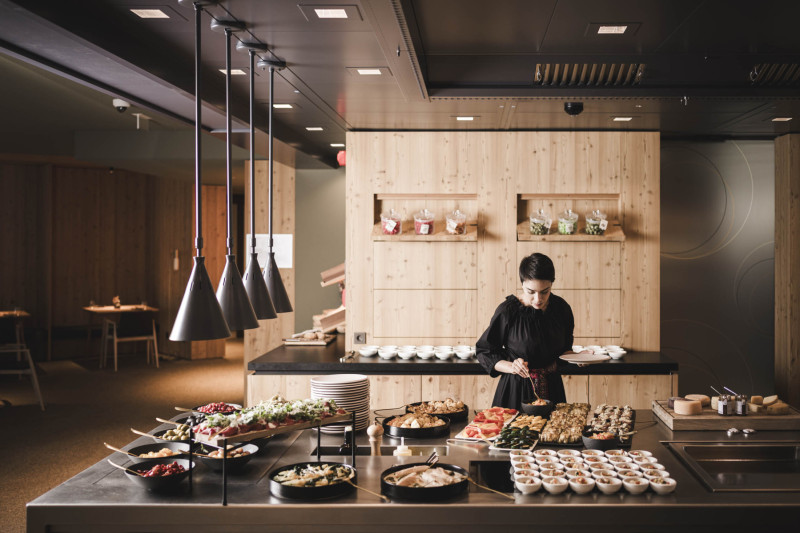
The Eco Aparthotel OLM Nature Escape*, also in South Tyrol, places sustainability at the heart of its culinary philosophy. The culinary concept, developed by and in collaboration with OLM chef Berni Aichinger, longtime sous-chef to Norbert Niederkofler, and Michelin-starred chef Theodor Falser, is consistently regional. "Top chefs often work with luxury foods like foie gras or New Zealand lamb. We say: That's not necessary," explains Berni Aichner. Instead of using products with a high ecological footprint, the focus is on the quality of local ingredients. "It will be exciting to see how the trend towards more regionalism in fine dining continues," says Aichner. For OLM, the decision to use regional ingredients is not a fad, but a clear position with sustainable enjoyment at its core.
Balancing Exclusivity and Sustainability
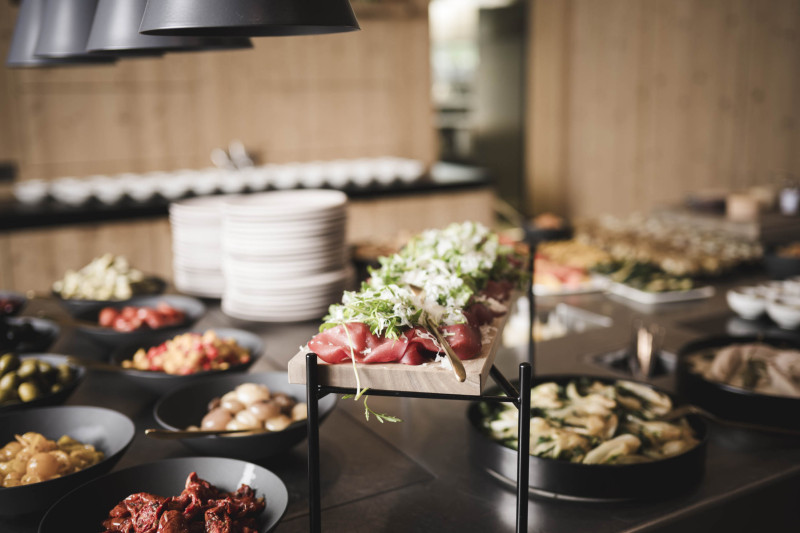
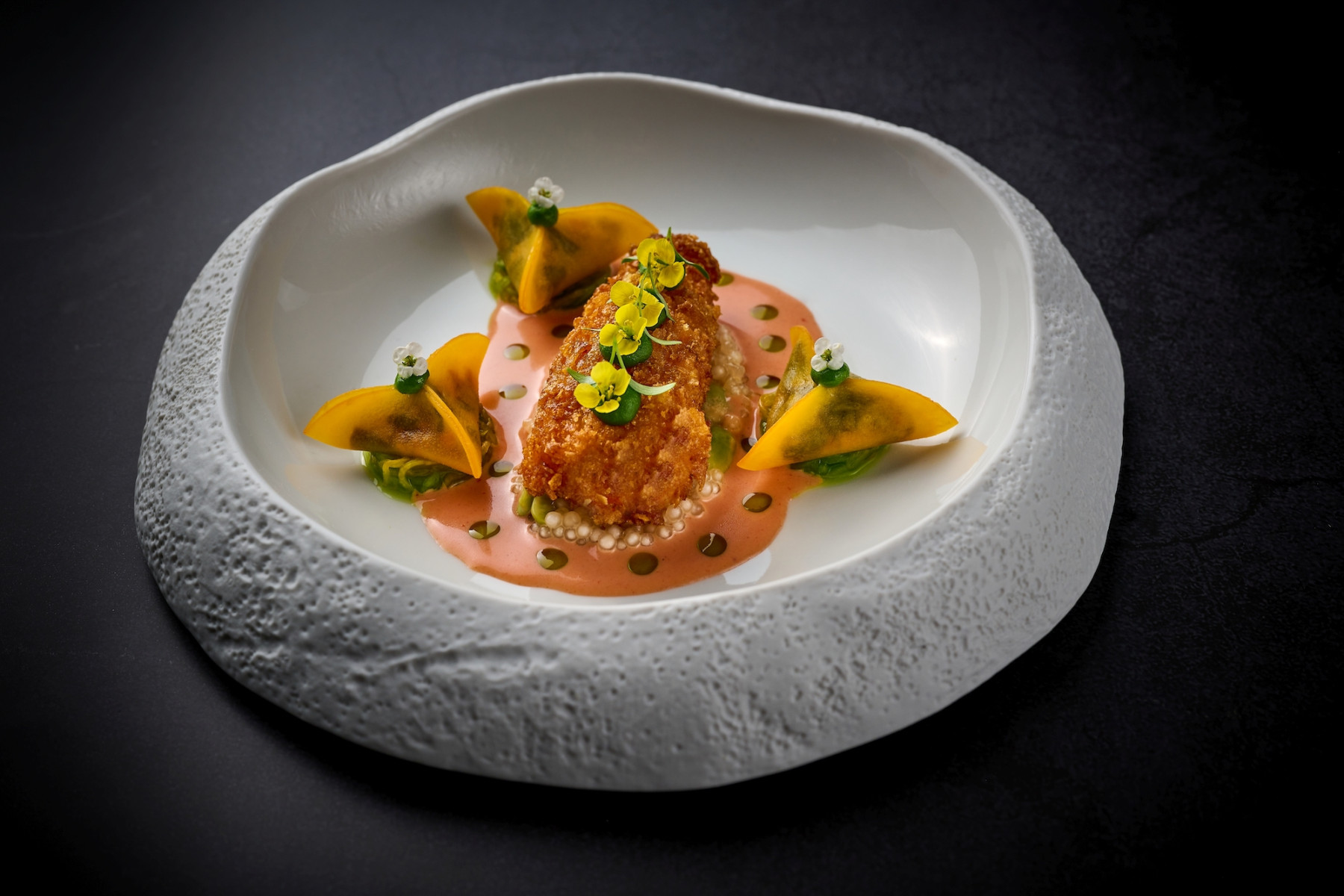
Finding a balance between exclusivity and sustainability is a constant challenge at Birkenhof***** Spa & Genussresort in the Upper Palatinate region of Bavaria. The Eisvogel restaurant, which has been awarded two Michelin stars, consistently pursues the goal of offering sustainable and regional cuisine. However, many diners who visit a starred restaurant expect high-quality products. This desire for special, sometimes exotic ingredients conflicts with the restaurant's philosophy of focusing on regional products. Despite this challenge, the Eisvogel remains true to its principle of regionalism. Chef Sebastian Obendorfer places great importance on using ingredients from the immediate vicinity of the hotel. "We insist on absolute freshness and high-quality products from the region," he explains. The biggest challenge is communicating to guests that sustainability and exclusivity are not mutually exclusive. "It takes a constant dialogue to show that sustainable cuisine at the highest level can also be enjoyed," says Obendorfer.
Innovative Approaches to Fine Dining.
The Hotel Klosterbräu in Seefeld, Tyrol, sees the green Michelin star as an opportunity to promote innovative and environmentally friendly approaches to fine dining. Chef Julius Polak and his team may not have a green star, but they still focus on local, seasonal produce and responsible consumption. "By creating smaller but more sophisticated menus, we reduce food waste," Polak explains. The biggest challenge, he says, is communicating the higher price of sustainable ingredients. "Sustainability and quality cuisine complement each other and set new standards," Polak continues. He sees the combination of quality cuisine and responsibility as an opportunity to lead the restaurant industry into a sustainable future.
Sustainability as a Lived Tradition
The Biohotel Grafenast in Tyrol, Austria, has been living sustainability for more than 25 years. It was one of the first hotels in the region to be awarded the "Green Toque," an Austrian seal of quality for organic and vegetarian cuisine. "For us, sustainability is not a fad, but a matter of course," says the Unterlechner family, which owns the hotel. The Grafenast focuses on organic, seasonal, and vegetarian cuisine at the highest level. "Sustainability and culinary delights can complement each other perfectly," the team explains. The decision to forgo meat and exotic ingredients has made the hotel a pioneer in sustainable fine dining, and here too it is evident: Indulgence and responsibility can go hand in hand. Even without a star.
Conclusion: Sustainability as an Opportunity for the Future of the Restaurant Industry
The experience of Green Pearls® hotels shows that it is possible to combine top cuisine with sustainability, even if it is not always easy. The challenges often lie more in guests' expectations than in sourcing suitable ingredients or creating new menus.
Nevertheless, more and more restaurateurs are demonstrating that sustainability and exclusivity can go hand in hand, even in fine dining. The Green Star is a step in the right direction to encourage this development and give deserved recognition to those businesses that are committed to a sustainable future. In the years to come, it will be increasingly important to find creative solutions that consider both the environment and guests' expectations. And one thing is clear: Sustainability will be an integral part of culinary excellence in the future.
*CIN-Codes for Italian Hotels
- APIPURA hotel rinner: IT021072A1UOWUIDH4
- Hotel My Arbor: IT021011A1AE4737IT
- OLM Nature Escape: IT021017B4CPKU6WK9