

Sustainability wins: Iron Chef Competition in Thailand

Chef Satya Beeknoo has been responsible for the kitchen at the Zeavola Resort on Kho Phi Phi in Thailand since 2018. Zeavola is one of the pioneers in sustainable tourism in Thailand. Through his involvement in Zeavola, Satya's sustainable awareness has grown. For him, cooking is only one part of his profession, it also includes knowing where the products he uses come from and how they are grown. Only with this understanding can chefs prepare healthy and sustainable dishes. Satya involves his team from the very beginning, from the development of the menu, through to the process of preparation and knowledge of the ingredients used.
Zeavola's chef Satya Beeknoo and his sustainable approach
Satya and his team now largely avoid fried dishes that use a lot of oil, which ultimately has to be imported. The chef uses mainly local products and almost completely avoids imported items. The cooking techniques shifted to grilling, steaming, and “Au Papillote”. Instead of imported fish, there is the “Catch of the Day”, where 100% local and sustainable products are used and the guests are informed about the environmental benefits. Satya's recipe for healthier and lighter cuisine is to avoid heavy sauces, fats, and dairy products. As a result, the kitchen team reduced the monthly consumption of cooking oil from 24 cans (4 liters) to 11 cans per month, which not only reduced costs but also relieved the strain on the sewage system while benefiting the health of the guests.
By focusing on regional products, their relationships with suppliers, farmers, and fishermen were strengthened. The whole team learned more about the food on offer and in return, they were able to communicate their philosophy and sustainability goals to the suppliers.
As the products are transported by boat weekly from Phuket to Phi Phi Island, the kitchen team introduced reusable crates in which all products such as fruit and vegetables are transported without the need for plastic bags. All items that need to be refrigerated are placed in reusable iceboxes. With these measures, the resort has been able to reduce the 12 kg of plastic packaging to just 1.5 kg per month, which is good for the environment and significantly reduces waste costs.
One of the biggest challenges in every hotel is the organic waste caused by leftover food. Zeavola took this to the landfill in Krabi, and then the kitchen team began to weigh the wet waste. It was about 40 tons of organic waste per year! The question that arose was how to reduce this waste and turn it into something useful. The answer: a composting machine from Redonatura, which enabled the kitchen team to compost the wet waste into a highly concentrated fertilizer within 24 hours. The result was an amazing reduction from 40 tons of waste to 4 tons of fertilizer for the gardens. This reduced waste costs by 35%, thus protected the environment and while also boosting plant growth. Most importantly, the dedicated staff welcomed this new practice and are very proud to be able to improve the natural environment of their country.
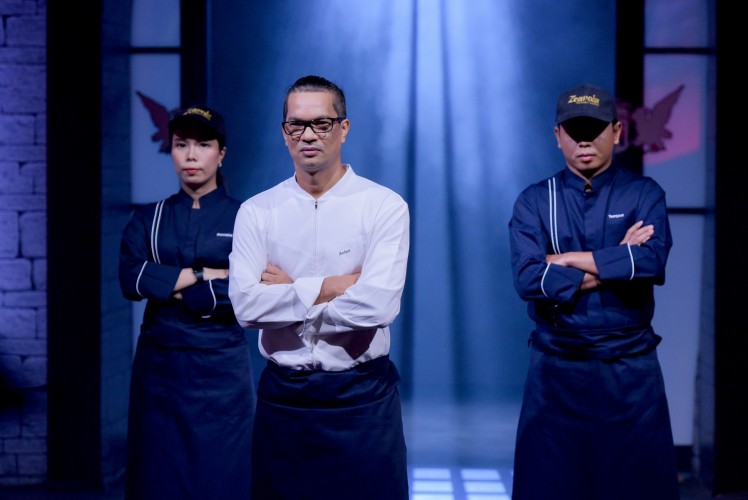
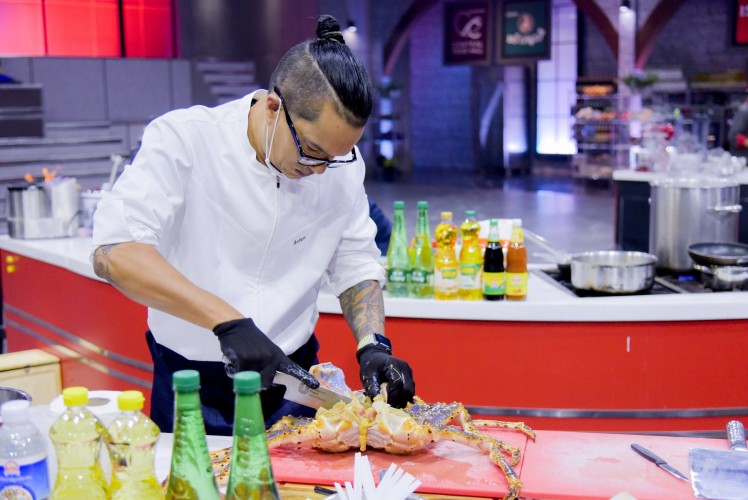
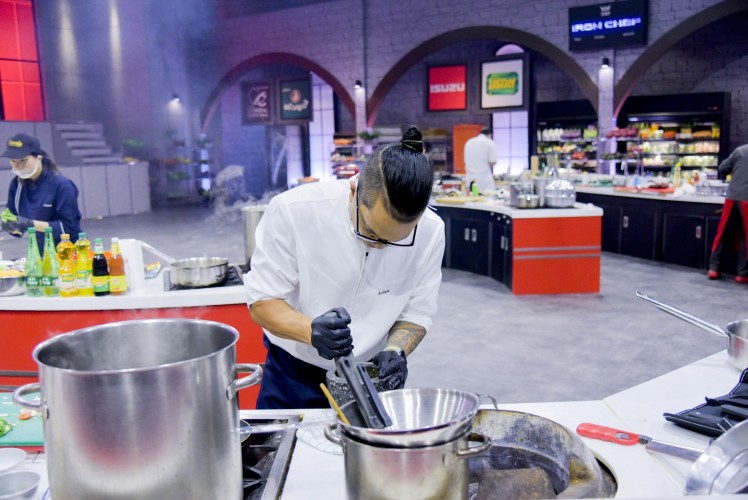
Iron Chef Competition Thailand
On the 8th of July 2020, Chef Satya and two teammates from the Zeavola Resort won the Iron Chef reality show competition. During the preparation phase, the trio was looking for a suitable concept for the competition and found it in sustainability.
Iron Chef Thailand is a competition in which all participants receive two secret ingredients and have to make five different dishes. Only the decoration and garnishes are able to be organized and prepared in advance.
Satya and his team decided on the “concept of sustainable living”. It was about demonstrating simplicity and respect for nature. They also wanted to show how they could support the local community and create a wow factor with a local product by turning it into an amazing culinary experience. The focus was on regional products such as wild rice from the southern province of Phatthalung and caviar from Hua Hin.
All the vegetables used were local and easily available in the markets all year round (green banana, snake beans, coconut, and fresh herbs).
In the end, the Zeavola team won because of the excellent cuisine, the timely completion of the tasks, and the emphasis on local products.
Although the competition was a highlight for the participating chefs and for the entire Zeavola team and its owner, a short event like this does not create awareness of sustainability. Sustainability can only grow over a long period. Team members need to develop new ideas, they need to be trained and motivated to follow these new procedures. But the most important aspect is that the whole process must be enjoyable.
Fire-roasted tomato - crab biscuit Phi Phi
- 3 onions, finely chopped
- 1/2 large fennel bulb, chopped
- 1 carrot, chopped
- 5 tomatoes (halved and roasted in Tao Charcoal)
- 2 bay leaves
- 1 clove of garlic, crushed
- 3 tablespoons tomato paste
- 300g of Pukatoy (small local Thai crab)
- 250ml brandy
- 150ml white wine (dry wine)
- 1L crab stock (made from the shells and boiled water)
- 2 tablespoons olive oil
- Salt to taste
- Freshly ground black pepper
- Lemon juice, freshly squeezed (only a few drops to taste)
- 150ml mascarpone
- 300ml fresh cream
- 1 lemon
- 10g paprika powder
- 100g Enoki mushroom
- Edible flowers (for garnishing)
- Micro Greens (for garnishing)
- 100g cornflour (for fried shrimps and enoki mushrooms)
Decoration
- 150 g white crab meat.
- Crispy fried Pukatoy and Enoki mushrooms and crab meat to garnish as a side dish.
- Crispy Fried Pukatoy and Enoki.
- Marinate with salt and pepper, dust with cornflour, and then fry over medium heat until golden and crispy.
Method
- Heat a large pot, add crabs, stir until dry, flambé with brandy.
- Add the olive oil, then add the chopped onion, fennel, carrot, roasted tomato and bay leaves and cook for 10 minutes over low heat until the vegetables are soft.
- Add the crushed garlic, stir and cook for another minute.
- Then add the tomato puree, the brown crab meat, and the white wine. Stir for 2 minutes, then add the stock to mix everything together.
- Cover the pot with a lid and let it simmer for 20 minutes on a low flame.
- Puree the soup with a hand blender. Strain the soup through a fine sieve into a clean pot, taking care to extract as much liquid as possible.
- Before adding a few drops of lemon juice, warm the soup slightly, stir well, and season to taste. If necessary, add 1-2 teaspoons of mascarpone to intensify the taste. Season to taste with freshly ground black pepper.
- Serve the soup on flat soup bowls.
- Place some of the crispy crab and enoki in the middle of each bowl and garnish with fresh herbs and a dash of paprika double cream.