

Numbers, Metrics, Impact: How Green Pearls® Partners Measure Sustainability in Hotel Operations
Rising energy prices, changing guest preferences, and competition for skilled workers are prompting hotels to align their operations more closely with environmental and social metrics. It is not just about "doing the right thing" anymore; it is about making progress measurable and demonstrating the impact of their own sustainability efforts.
Is it possible to measure sustainability?
Values cannot be measured solely by meter readings and carbon footprints. However, a recent study by the Institute of Tourism at the University of Applied Sciences of Western Switzerland in Valais, in collaboration with the German Hotel Association and the employer review platform Kununu, found a clear link between employee satisfaction and the guest experience. The study analyzed data from over 400 selected hotels and compared their reviews on Kununu, Booking.com, and TripAdvisor. The results revealed that hotels with highly motivated employees received significantly higher guest ratings, especially in cleanliness, service quality, and overall satisfaction.
Therefore, the most sustainable hotels consider more than just their resource consumption. In addition to energy and water usage, waste production, and CO₂ emissions, they also look at social metrics such as employee satisfaction, turnover rates, and survey results. This raises the question of which specific key parameters sustainable accommodations track and the insights that can be drawn from them. Examining the practices of Green Pearls® partners reveals that their approaches range from precise data analysis to creative engagement formats that involve the entire team in the transformation process.
Hard Data, soft factors: A look at the key figures
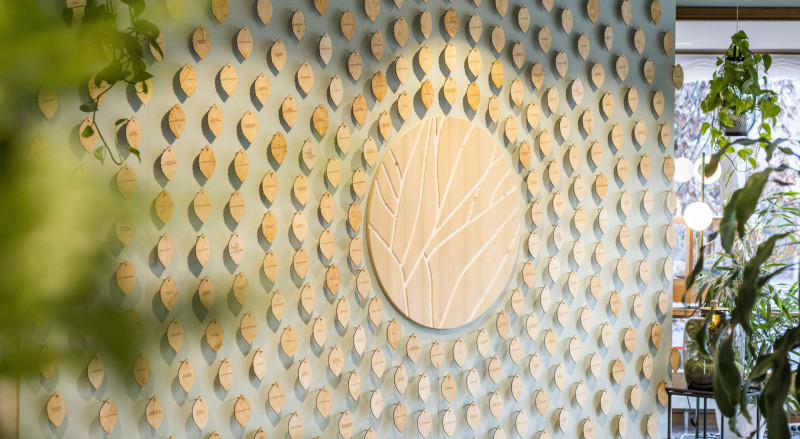
Hotel Luise in Erlangen has established a wide range of key parameters. The “Wall of Change” is the hotel's visible centerpiece of its holistic sustainability approach. This wall, located in the lobby, is also accessible digitally and documents the hundreds of initiatives through which the hotel is making its operations more environmentally and socially responsible. The spectrum ranges from structural measures and purchasing guidelines to small, everyday behavioral changes. Each measure tells a story, demonstrating that change often happens in small steps. Hidden behind the small wooden leaves on the wall lies a highly precise monitoring system. To calculate the carbon footprint, for example, detailed data is collected, including electricity and water consumption, weighed waste volumes, use of food and cleaning supplies, number of laundry loads, and employees’ commutes. The “Wall of Change” translates these figures into a vivid picture of progress.
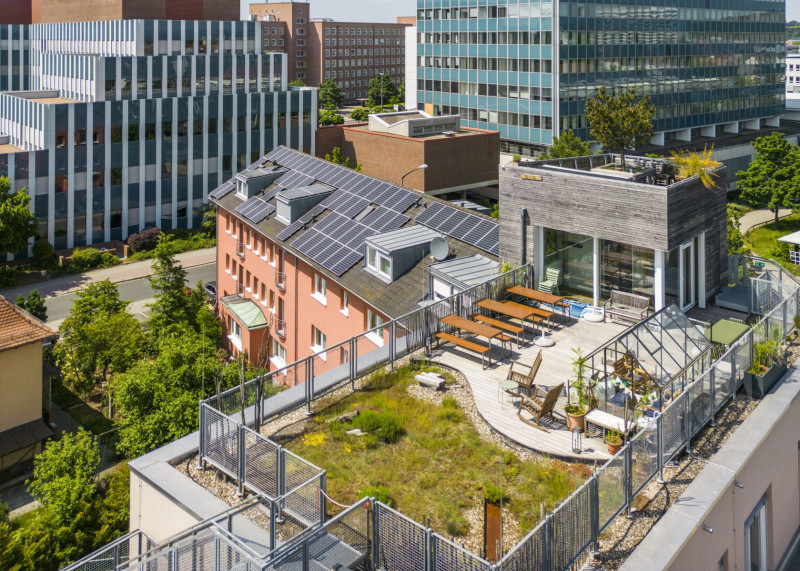
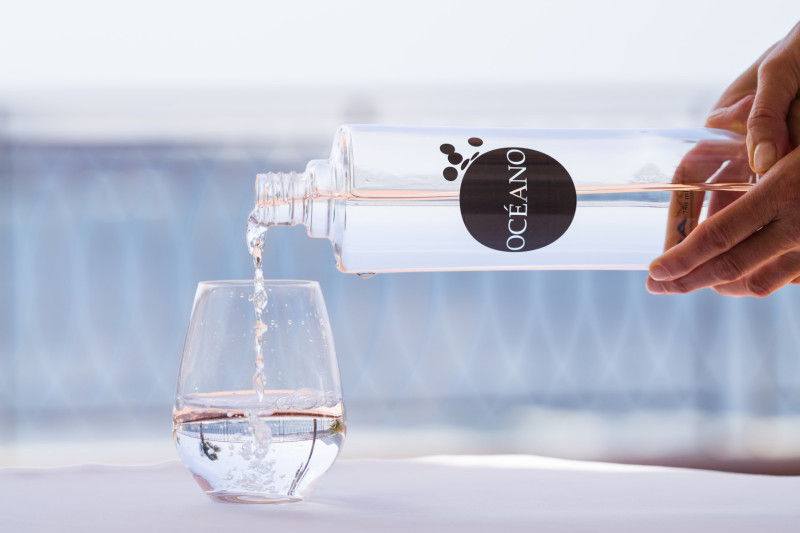
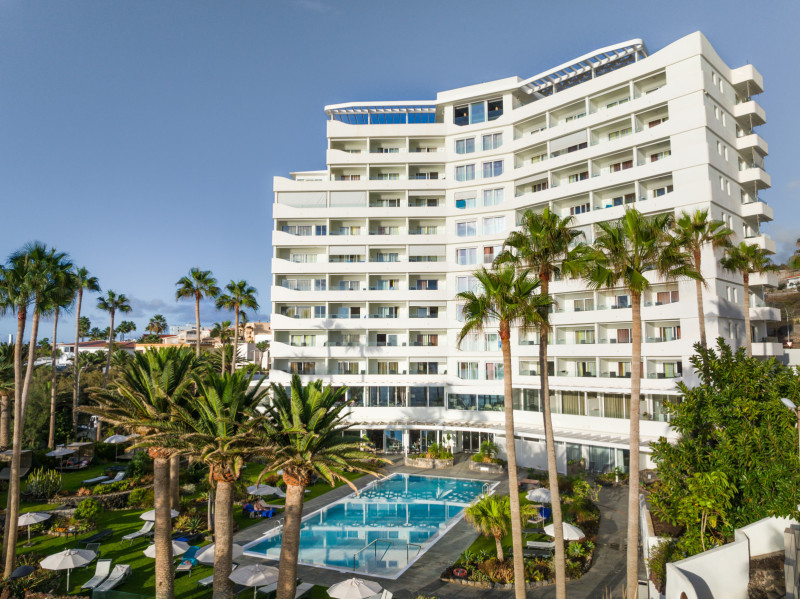
At the OCÉANO Health Spa Hotel in Tenerife, careful water usage is essential because water is a precious and limited resource on the island. The hotel continuously monitors energy and water consumption, as well as waste generation, to immediately detect leaks, track progress, and ensure ongoing improvement. To this end, the hotel relies on technical solutions, such as shower flow restrictors, which reduce consumption without compromising the quality of the guest experience. Meanwhile, the use of solar energy is expanding to increase the share of renewable energy and reduce the hotel’s CO₂ emissions.
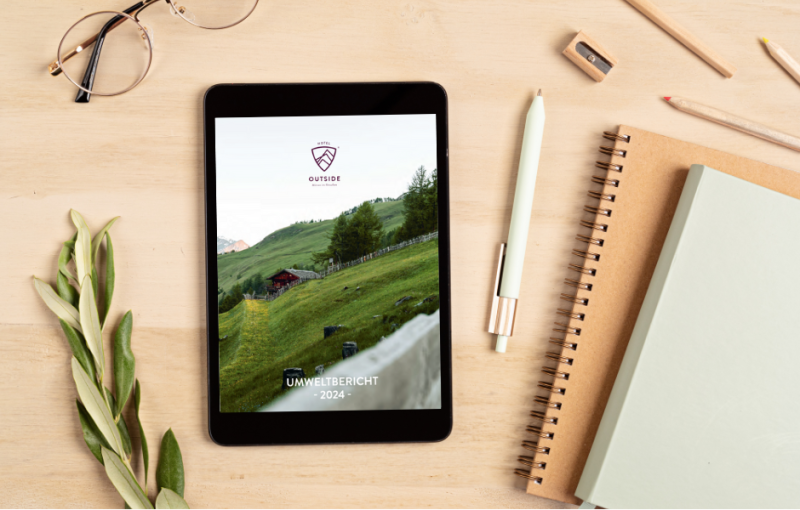
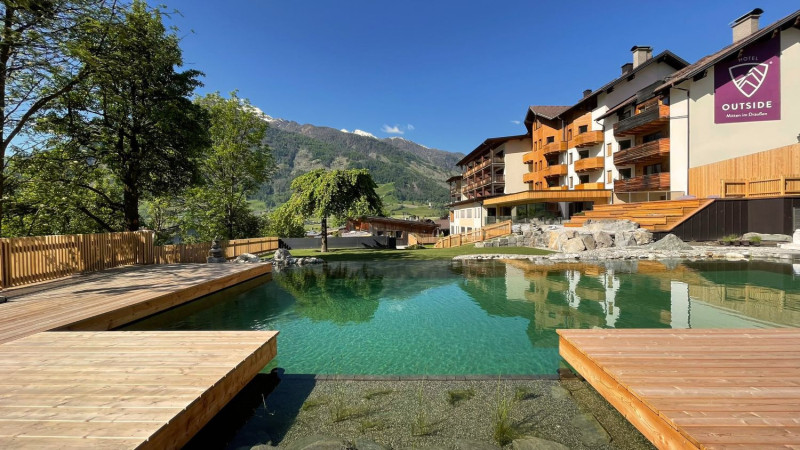
While the OCÉANO relies on day-to-day operations for management, the Naturhotel Outside in Tyrol uses centrally tracked metrics and publishes a regular sustainability report. In it, the hotel documents trends in energy and water consumption, CO₂ emissions, and waste volumes, as well as its goals for the coming years. Among other things, the report emphasizes the importance of renewable energy and illustrates the extent to which the regional economy is supported through procurement and partnerships. The environmental report serves as a compass and a calling card: internally, it helps set priorities and ensures that everyone on the team is on the same page, and externally, it builds trust with guests and partners who want to understand how sustainability is implemented locally.

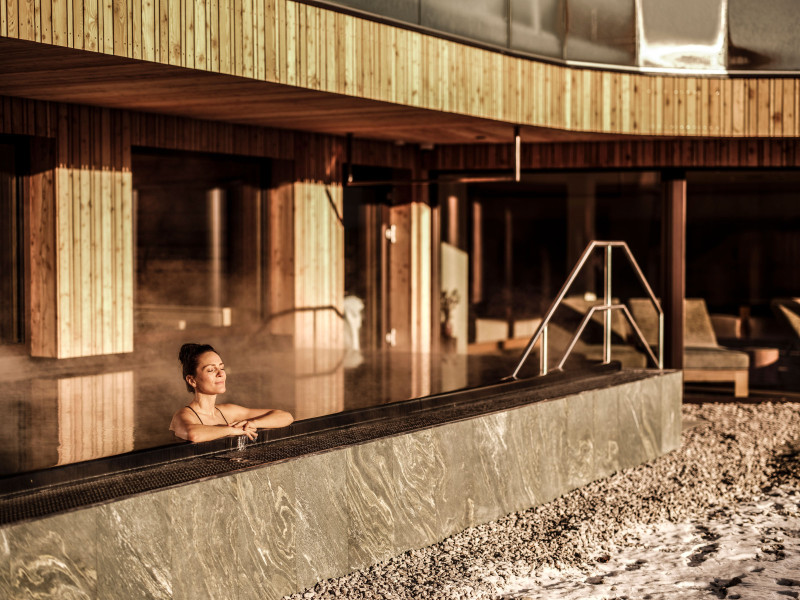
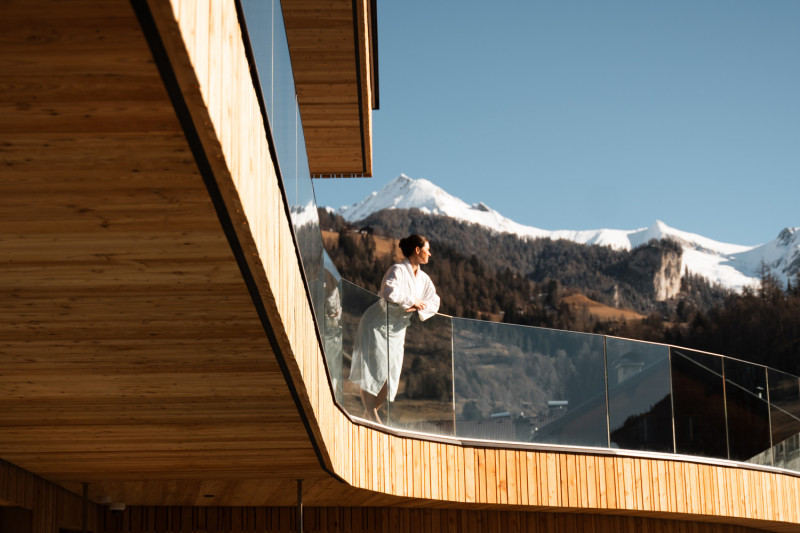
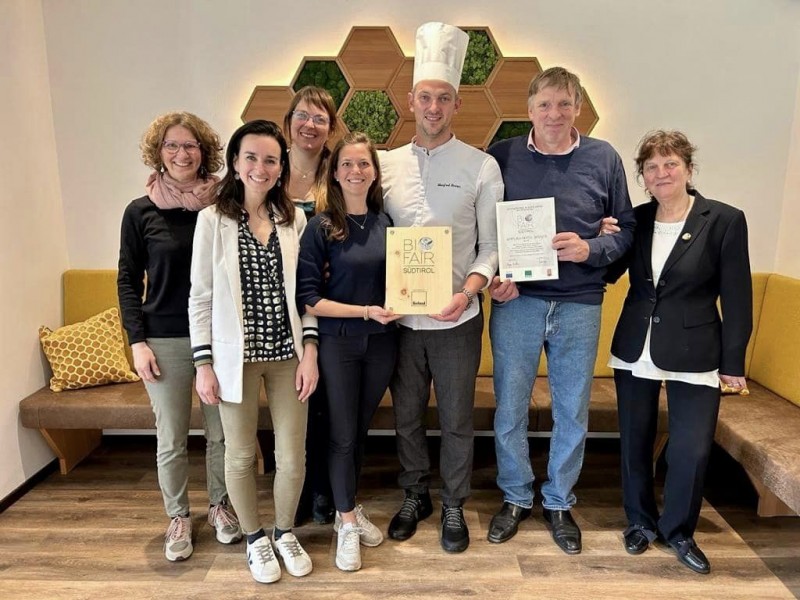
The APIPURA hotel rinner on the Ritten is another example of structured, externally audited sustainability management. This family-run business is evaluated through certification by the GreenSign Institute, which awarded it the highest level. The underlying set of criteria covers over a hundred aspects related to the environment, social responsibility, and economic development. This includes traditional environmental indicators, such as energy and water consumption, as well as waste management, and also ecological responsibility, regional value creation, and innovative approaches to forward-looking tourism. Sustainability is deeply rooted in the identity of this family-run business and has been developed continuously over three generations. Additionally, the hotel was the first to receive the Bio-Fair-Südtirol label.

Measuring, analyzing, and reducing emissions
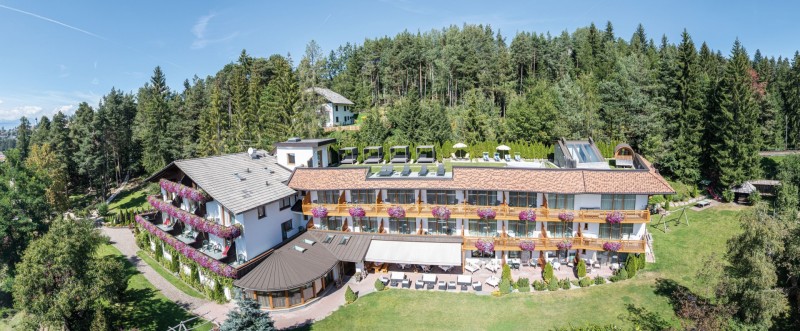
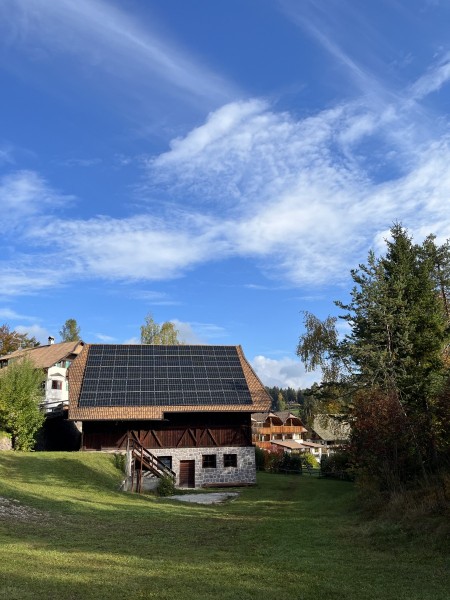
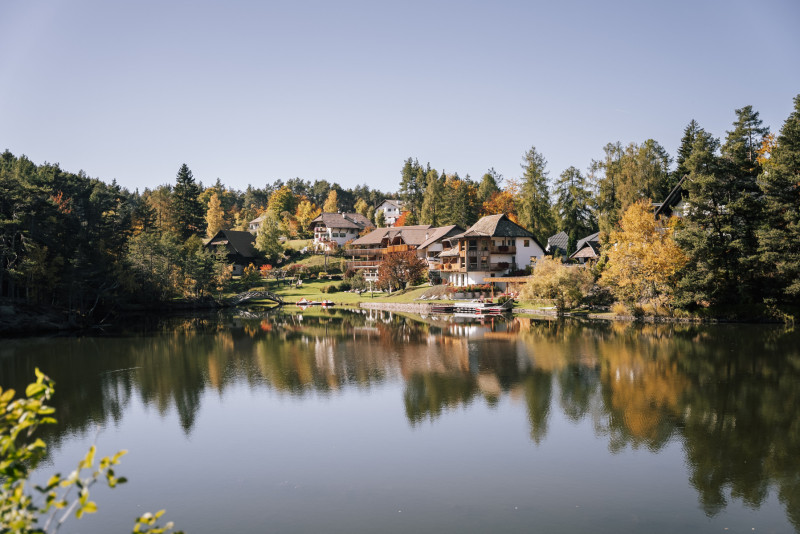
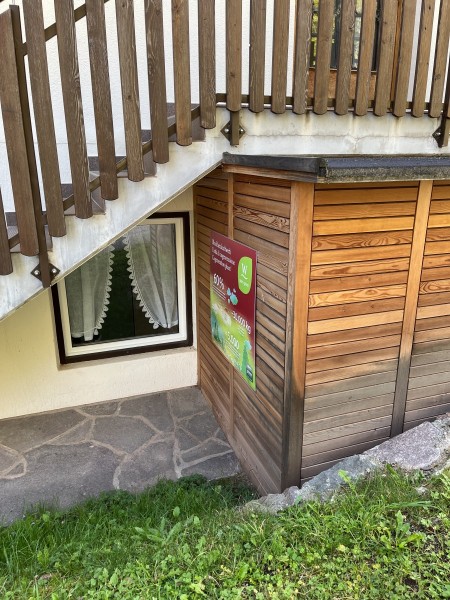
The family-run Hotel Weihrerhof is also located on the Ritten and operates according to a nature-oriented concept. The hotel carefully tracks its energy consumption, water usage per guest per night, and waste volumes and uses this data to calculate its carbon footprint. The hotel's approach follows the internationally recognized classification of direct emissions, emissions from purchased energy, and other upstream and downstream emissions along the value chain. This analysis reveals which areas account for the largest share of the overall balance and where specific measures can most effectively reduce greenhouse gas emissions. In recent years, the hotel has successfully reduced its emissions by 30%. Notably, the hotel has set a goal to reduce CO₂ emissions by 4–5% per guest night each year.
With a similarly rigorous approach, the SCHWARZWALD PANORAMA examines its key performance indicators and documents its carbon footprint in a climate report. The report focuses primarily on classic environmental parameters, such as operational CO₂ emissions, energy and resource consumption, and CO₂ emissions from transportation and procurement. This data is allocated to individual sectors and regularly evaluated to identify developments and trends. However, amid all these "dry" figures, the role of people and employees is deliberately emphasized at SCHWARZWALD PANORAMA. The company understands sustainability as a cultural process that begins with the selection and onboarding of employees and is strengthened through opportunities for participation and transparent communication. In such an environment, strong team cohesion and pride in one’s work emerge. These factors directly translate into the guest experience, reflected in high guest satisfaction and growing loyalty among regular guests.

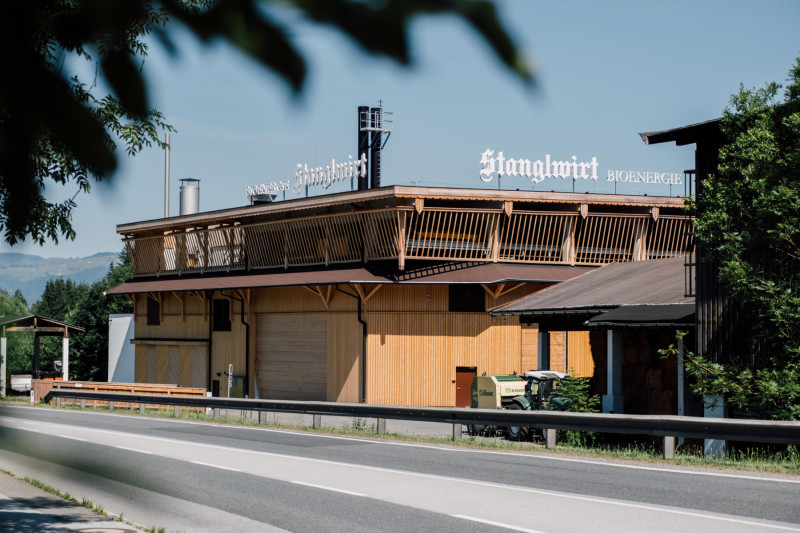
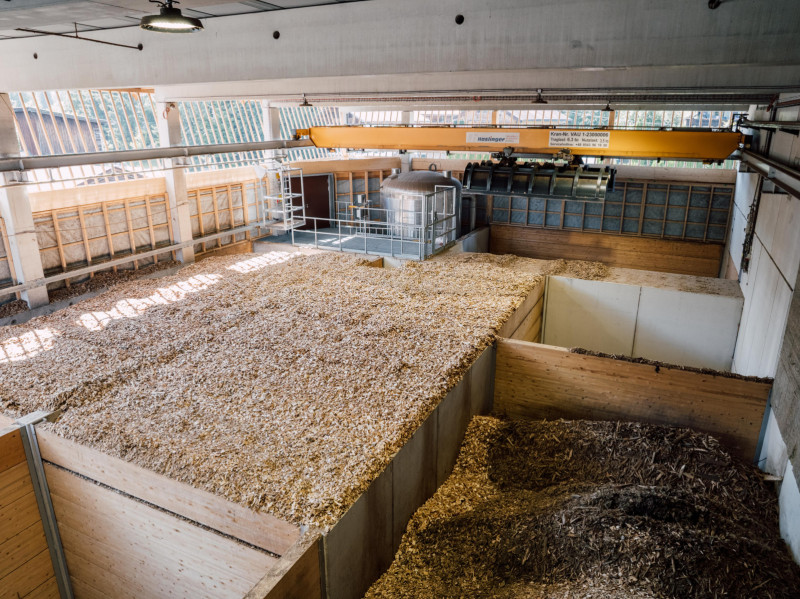
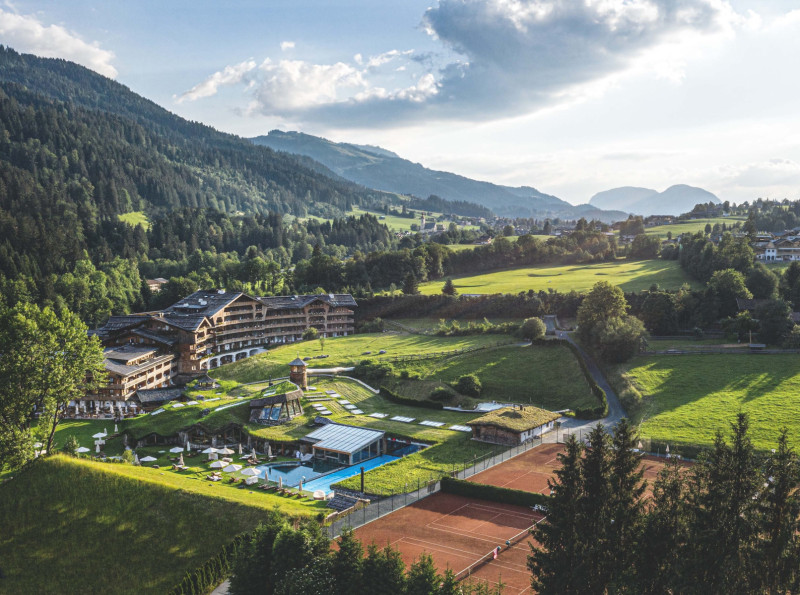
The Green Spa Resort Stanglwirt, located in the Wilder Kaiser region, is another example of the close intertwining of environmental metrics and social responsibility. For years, this family-run resort has calculated its carbon footprint and systematically measured electricity and water consumption, using a digital facility management system to identify excess usage early on. Through certifications such as the Austrian Ecolabel and the EU Ecolabel, this data is analyzed further in relation to overnight stays and guest numbers. At the same time, the Stanglwirt relies on a comprehensive human resources (HR) strategy featuring professional recruitment, mental health programs, and large-scale employee surveys. In order to support the targeted development of its employees, the Stanglwirt launched the “Stanglwirt Talent Incubator,” which offers tailored workshops for employees, managers, future leaders, interns, and apprentices, helping them reach their full potential. This approach strengthens long-term commitment and motivation among staff, fostering a personal foundation of trust similar to that with guests.
Sustainability can only be achieved as a team
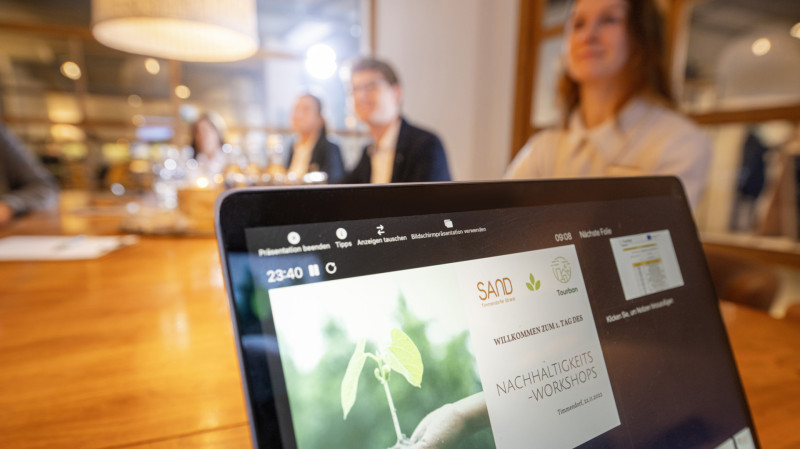
The SANDcollection, comprised of SANDglow (Husum) and SANDnature (Timmendorfer Strand), also exemplifies the close link between team culture and sustainability. The group created the SANDbook, an internal tool that structures and explains its understanding of sustainability, making it accessible to all employees. At its core is a color-coded traffic light system that evaluates performance in various areas and links it to a bonus system. Three colors and multiple criteria form a playful matrix that shows employees and teams where they stand and what steps are needed to reach the next level. The goal is to contribute to both personal development and a continuous improvement process within the company. In parallel, the SANDcollection is conducting wet waste measurements again this year to raise awareness among the new kitchen team and derive effective reduction measures.
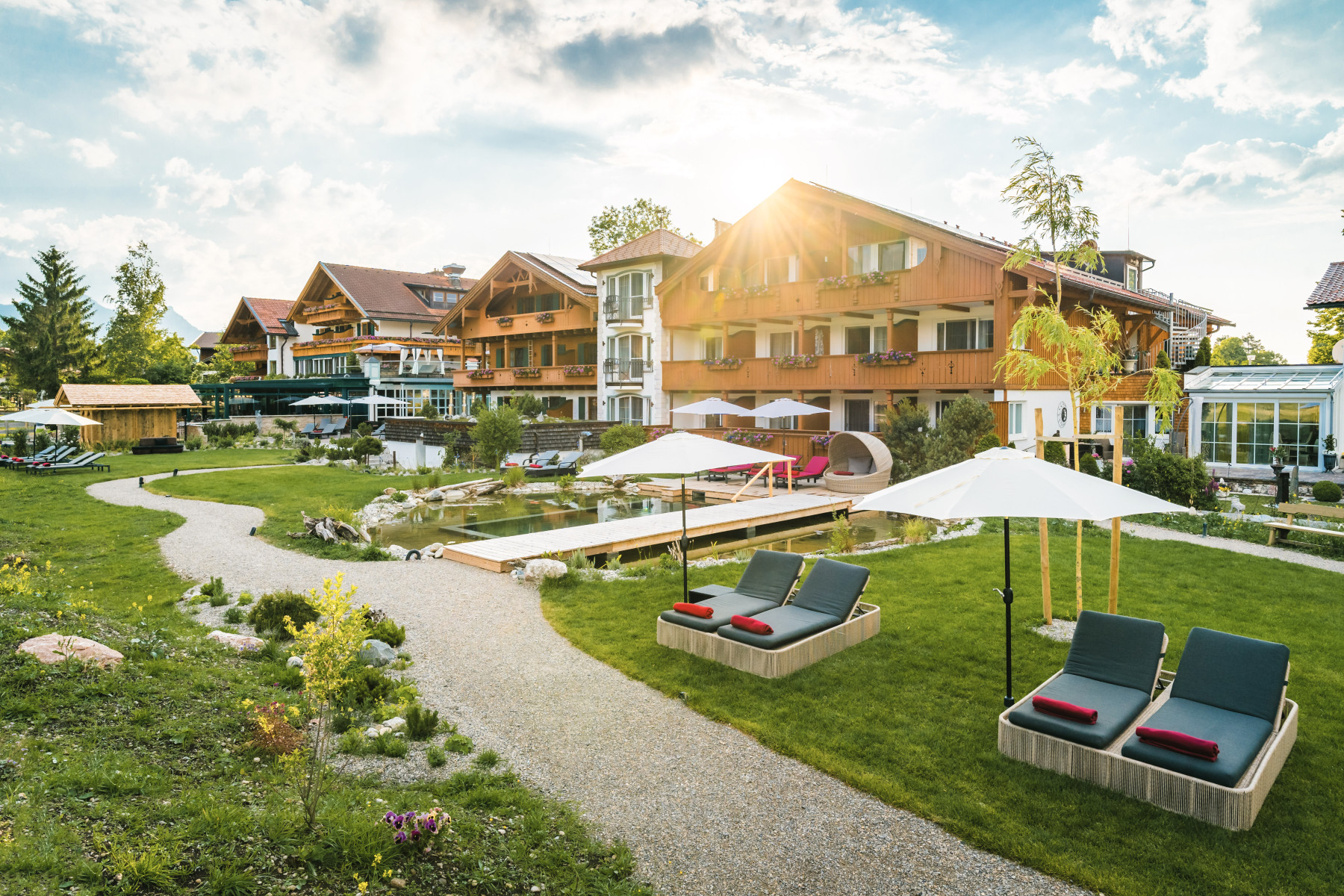
For the Allgäu-based Hotel Das Rübezahl, corporate sustainability is an ongoing process of development, not an abstract goal. Accordingly, key performance indicators are systematically tracked and analyzed. These include energy and water consumption, which are monitored and managed using meters installed at all sources. The hotel also regularly documents waste volumes and recycling rates and reviews its use of regional products. Furthermore, qualitative factors play a decisive role. Employee satisfaction is ensured through open communication within the team, which is reflected in long-term collaboration. Stable partnerships with regional businesses and direct guest feedback are incorporated into the overall assessment as well. These "soft factors" provide valuable insights into the effectiveness and lasting impact of the measures taken.
What sustainable hotels have in common
These examples all have one thing in common: sustainability is not a random assortment of individual measures, but rather a process and an overarching concept. In this context, measurement plays a dual role. On the one hand, metrics on energy, water, waste, emissions, and regional value creation provide an objective basis for documenting progress and making decisions. On the other hand, they create transparency. Employees, guests, and the region can see what lies behind an organization’s commitment. When metrics are made visible, such as in sustainability reports, installations, employee training, or traffic-light systems, they have an impact of their own. They demonstrate that individual actions yield measurable results and make developments tangible.
___________________
Our Sources:
- Study of the Institute of Tourism at the University of Applied Sciences of Western Switzerland in Valais, in collaboration with the German Hotel Association and the employer review platform Kununu
- GreenSign Certification Catalog
- Measuring Sustainability in the Hotel Industry (Prodinger Tourism Consulting)