

Sustainability in Everyday Hotel Operations: Environmental and Social Responsibility
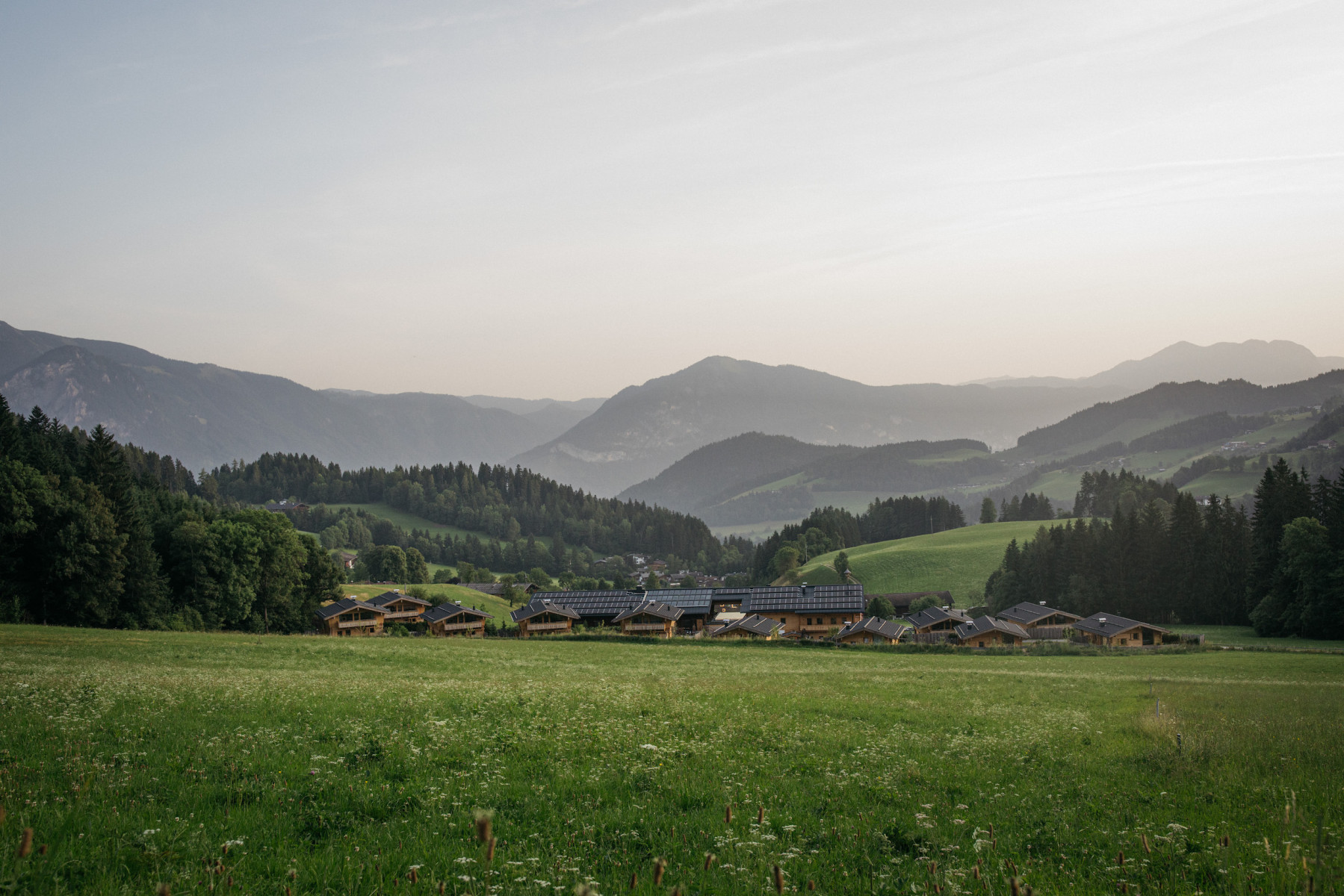
In today's world, where the challenges of climate change and social inequality are becoming more pressing, businesses must take responsibility. This is especially true for the tourism industry, which often comes under fire for its environmental and social impacts.
Hotels often stand in direct contrast to disadvantaged communities, and the question of tourist responsibility is becoming increasingly relevant. The current debate on overtourism also focuses on ensuring that there is no cut-throat competition between locals and tourists and that local communities and the environment at the destination benefit from tourism in the long term.
Sustainability is a broad concept that goes far beyond environmental protection. It also includes social aspects such as fair wages, integration, child protection, and the promotion of regional crafts. All three pillars of sustainability - environmental, economic, and social - must be treated equally to achieve truly sustainable development for regions and their communities.
Sustainable Best Practice Examples from the Hospitality Industry
In this regard, Green Pearls® hotels and resorts are leading the way. They are committed not only to environmental standards but also to social responsibility, both toward their employees and the local community. In this newsletter, we present examples of how a commitment to social sustainability can be successful.
The Pavilions Himalayas – The Farm in Pokhara, Nepal
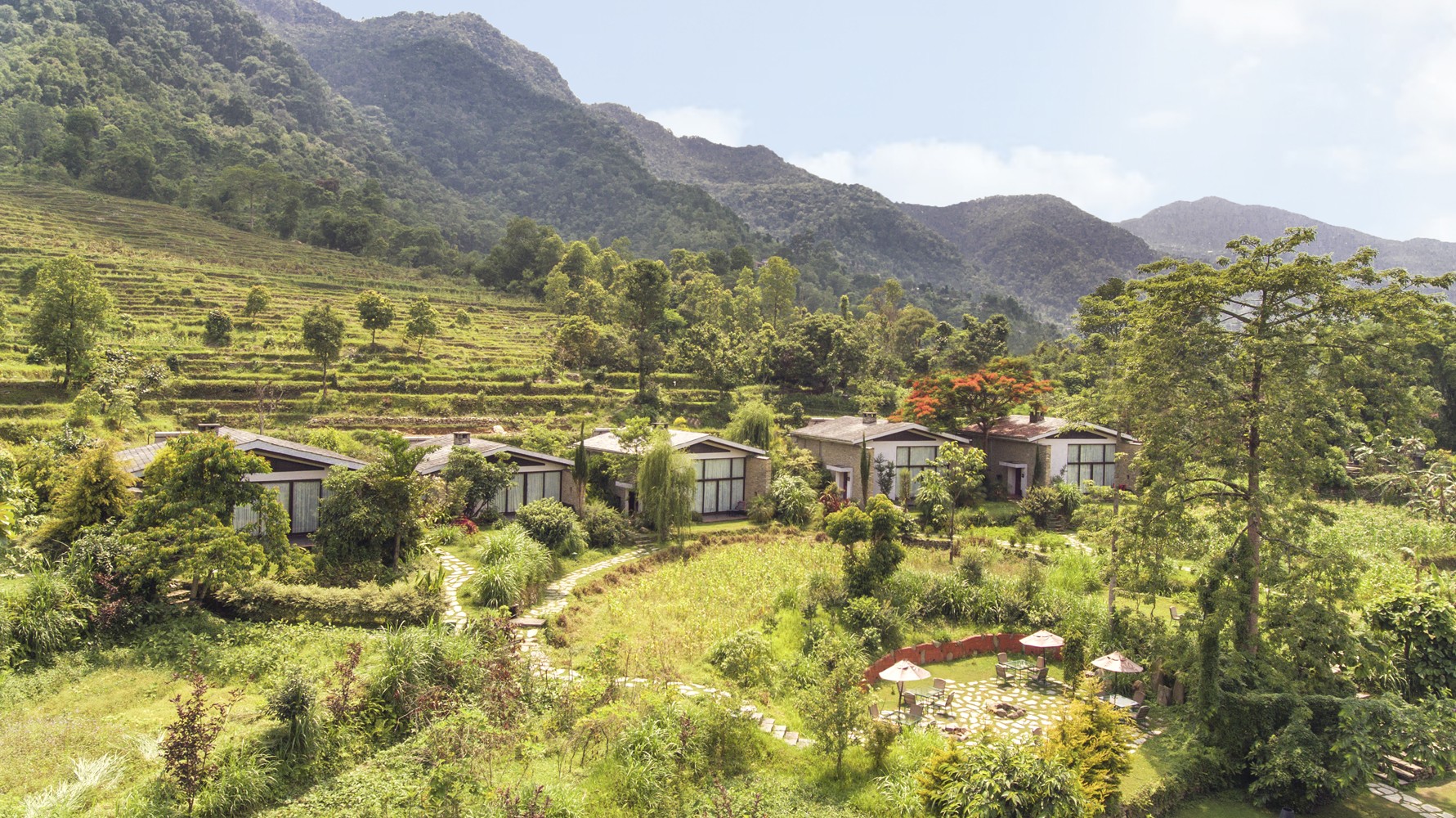
An outstanding example of social responsibility in tourism is Pavilions Himalayas – The Farm in Nepal, which employs only local staff. They receive fair wages and educational opportunities. The hotel also supports a school for underprivileged children and supports local farmers by purchasing their products. With its own organic farm, the hotel contributes to sustainable agriculture and creates additional jobs in the region. An impressive example of how tourism, conservation, and social responsibility can go hand in hand in one of the world's poorest countries.
Keemala in Phuket, Thailand
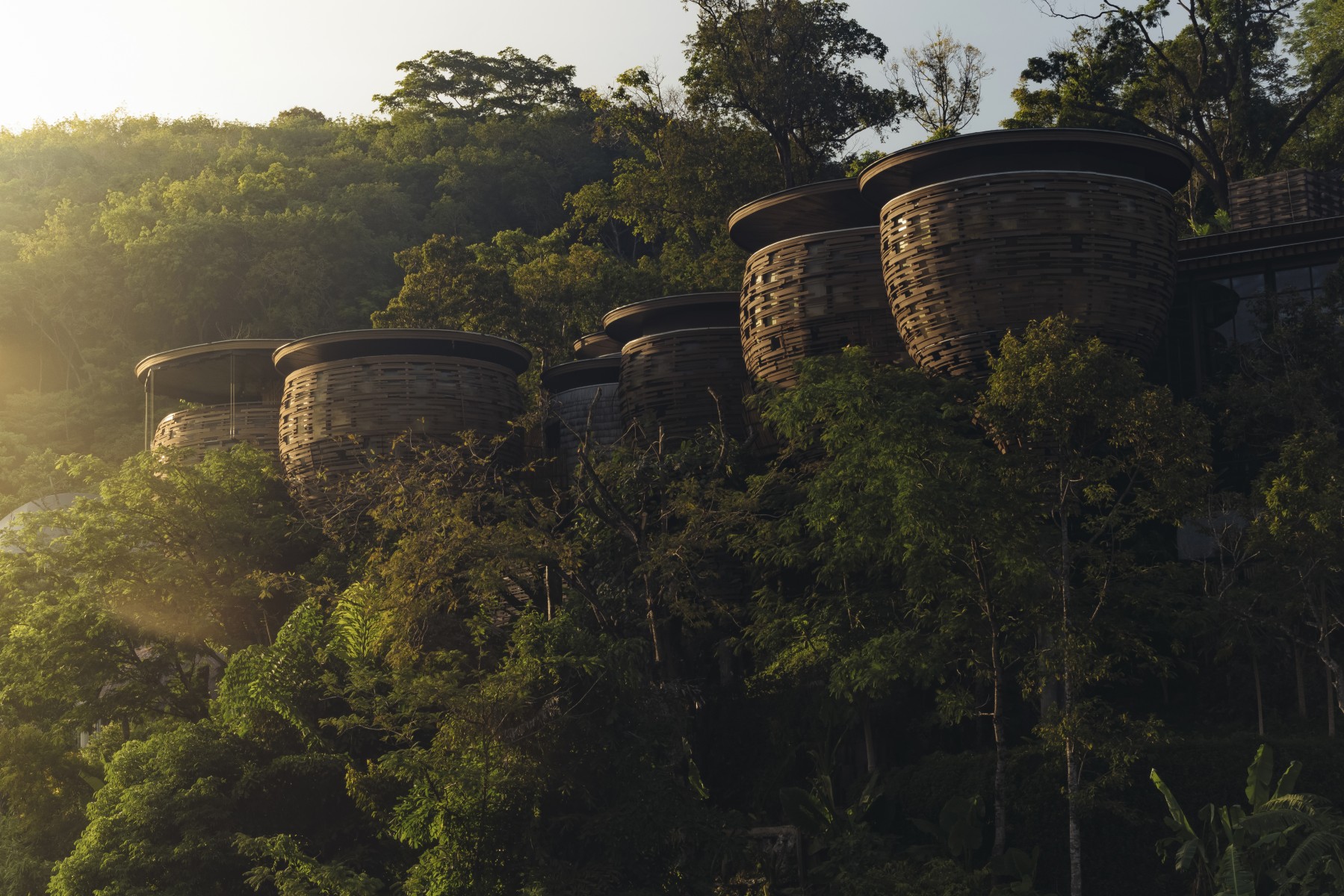
Located in Phuket, Thailand, Keemala Resort sets a standard for environmental and social responsibility. It actively supports local charities and offers internships to students. Of particular note is the resort's work with a foundation that teaches English to underprivileged children. In addition, local artisans and producers are supported by using their products in the interior design of the villas and offering them for sale. The resort places a high value on the training and development of its employees and offers regular training to support their professional development both inside and outside the resort.
Klosterhof - Alpine Hideaway & Spa in Bayerisch Gmain, Germany

The Wellnesshotel Klosterhof in the Bavarian Alps pursues a holistic sustainability concept with a strong focus on social aspects. Fair working conditions are a top priority, and employees benefit from extensive training opportunities. The hotel's commitment to the integration of people with disabilities is particularly noteworthy. By working closely with local institutions, jobs are created for people with handicaps. In addition, the hotel supports regional cultural projects, which in turn strengthens the local community and the acceptance of tourism.
Hotel Weihrerhof in Renon, South Tyrol

In South Tyrol, the family-run Hotel Weihrerhof* is strongly committed to social responsibility, which is reflected in fair working conditions and a good work-life balance for its employees. Local producers and craftsmen are actively supported by purchasing a large proportion of products from the region. This also helps to reduce the hotel's carbon footprint. In addition, the hotel is involved in various social projects, such as supporting mountain farming families and promoting traditional crafts, which strengthens regional identity.
Hygna Chalets in the Austrian Alpbachtal
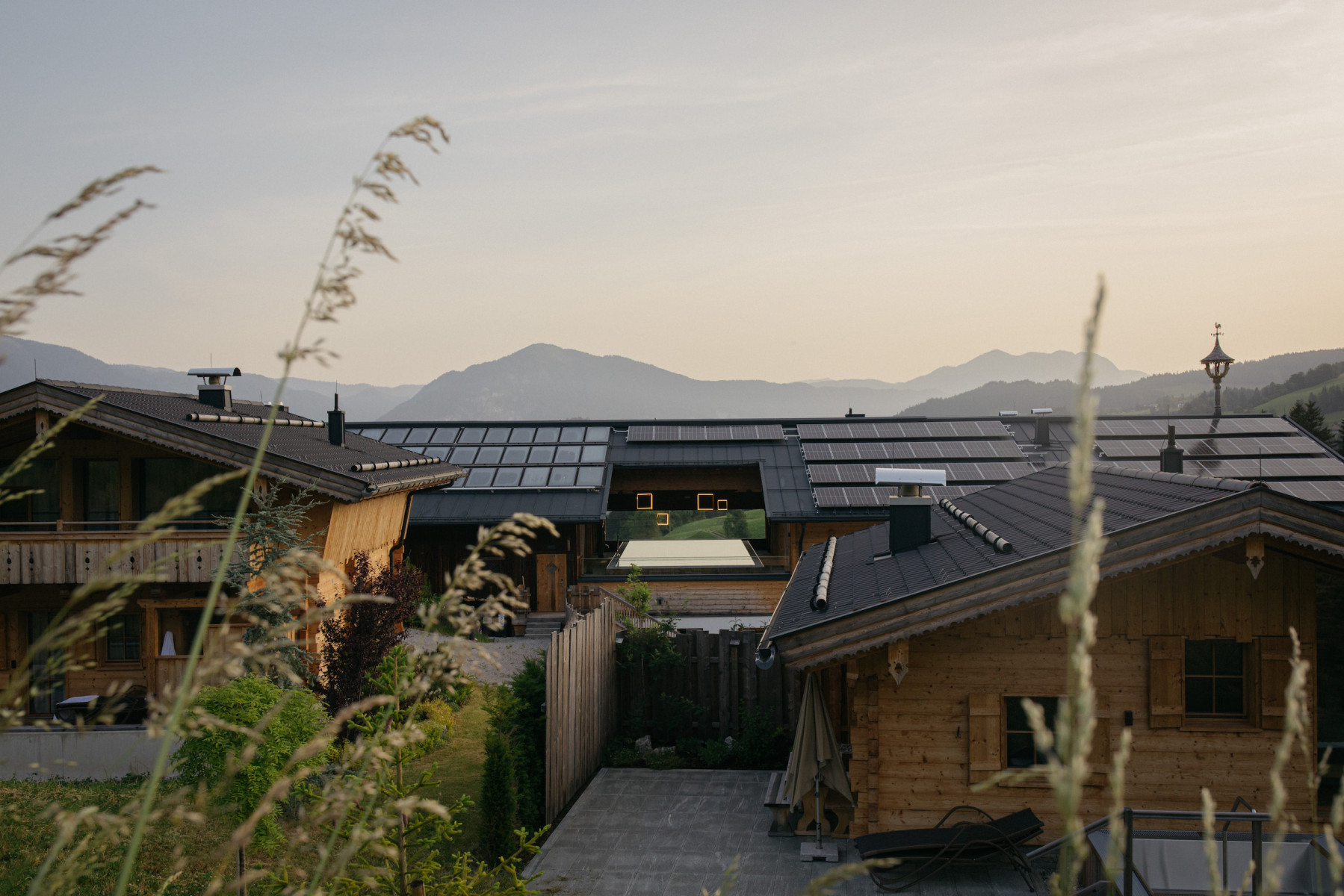
The Hygna Chalets in Austria are a prime example of commitment to sustainability and social responsibility. The team works closely with local artisans and producers to strengthen the local economy. The dedication to preserving traditional craftsmanship is particularly noteworthy. Regular workshops offer guests the opportunity to learn old craft techniques. The hotel also implements and promotes its own and local environmental projects and supports social institutions in the region.
Farmhouse Smiling Gecko in Cambodia
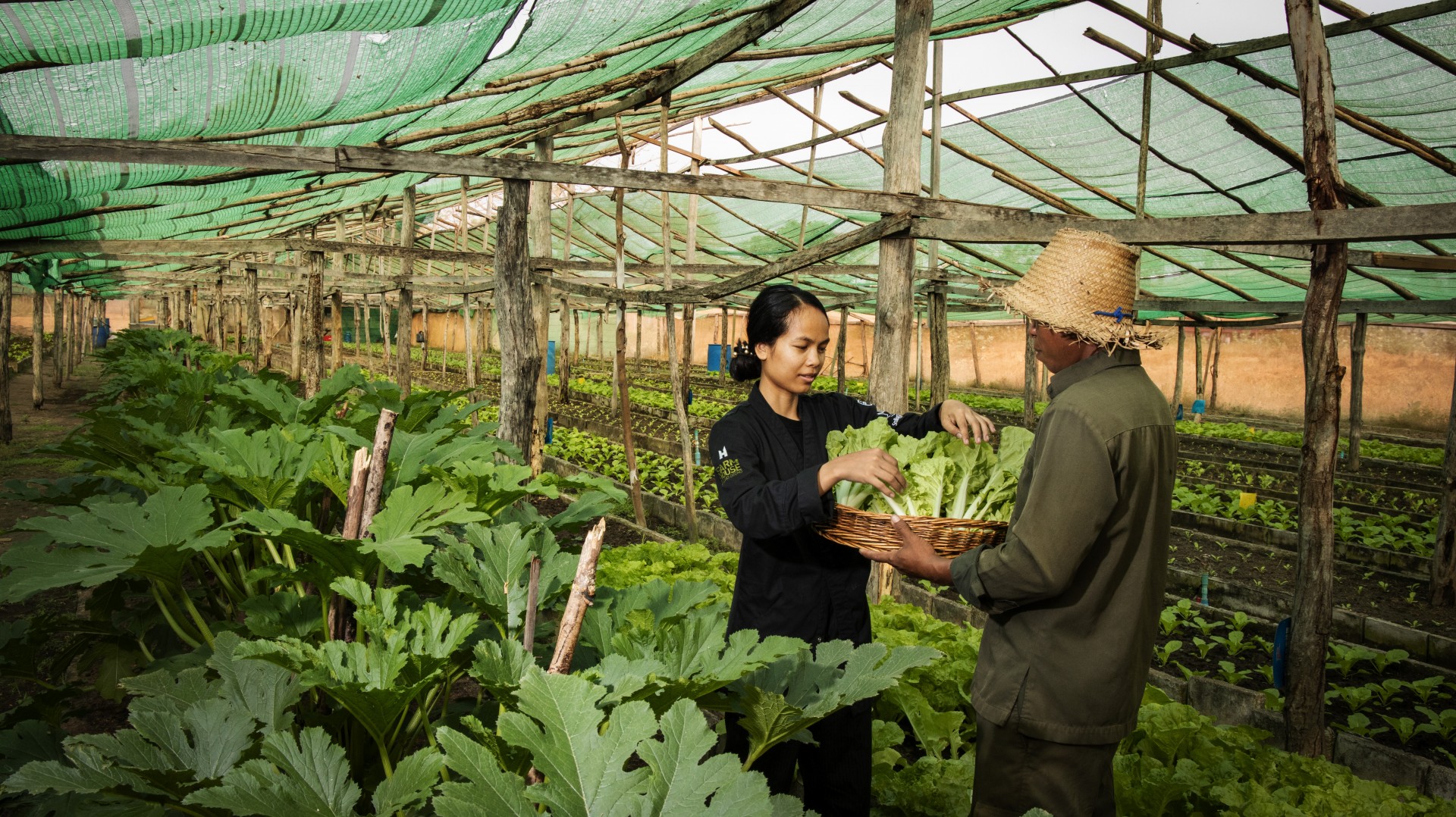
The Farmhouse Smiling Gecko is an outgrowth of the Smiling Gecko Project and its associated farms and is considered a model project for social sustainability in tourism in Cambodia. 95% of the employees are Cambodians who benefit from fair wages and good working conditions. The project invests in continuing education for its employees, including English classes. There is a kindergarten and school for the children of the employees, supporting entire families. The goal is to build a self-sustaining community. A food processing center not only provides healthy meals for children and employees but also creates additional jobs. Handicraft classes that preserve traditional techniques create additional sources of income.
The Birkenhof - Spa & Genussresort in the Upper Palatinate Lake District
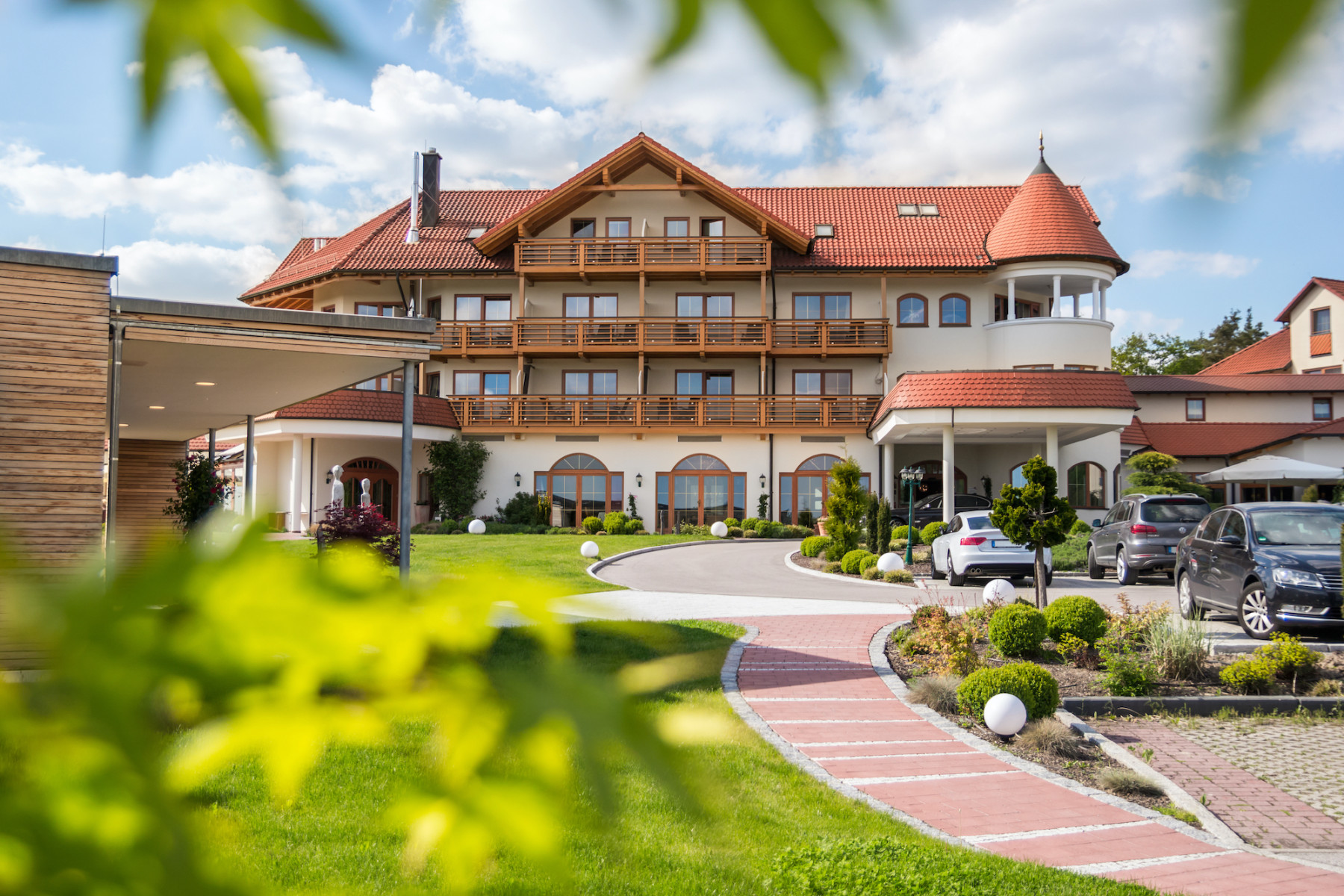
The 5-star Hotel Birkenhof Spa & Genussresort in the Upper Palatinate region of Germany recognizes its responsibility not only to the environment but also to its employees and partners. It offers numerous social benefits and development opportunities. Employees can enhance their skills through ongoing training and benefit from a comprehensive company health management program. In addition, Birkenhof actively promotes equal opportunities and supports foreign employees with language courses to promote their integration. It also contributes to social responsibility in the community through donations.
OCÉANO Hotel Health Spa in Tenerife

In Tenerife, the OCÉANO Health Spa Hotel takes a holistic approach to environmental and social responsibility. The health and well-being of its employees are paramount, and they have access to the hotel's own spa and health facilities. Of particular note is the hotel's collaboration with local schools and universities in the form of internships and apprenticeships to actively promote young talent in the tourism industry. In addition, the resort supports various social and environmental projects on the island, such as beach clean-ups and assistance programs for needy families.
Green City Hotel Vauban in Freiburg, Germany
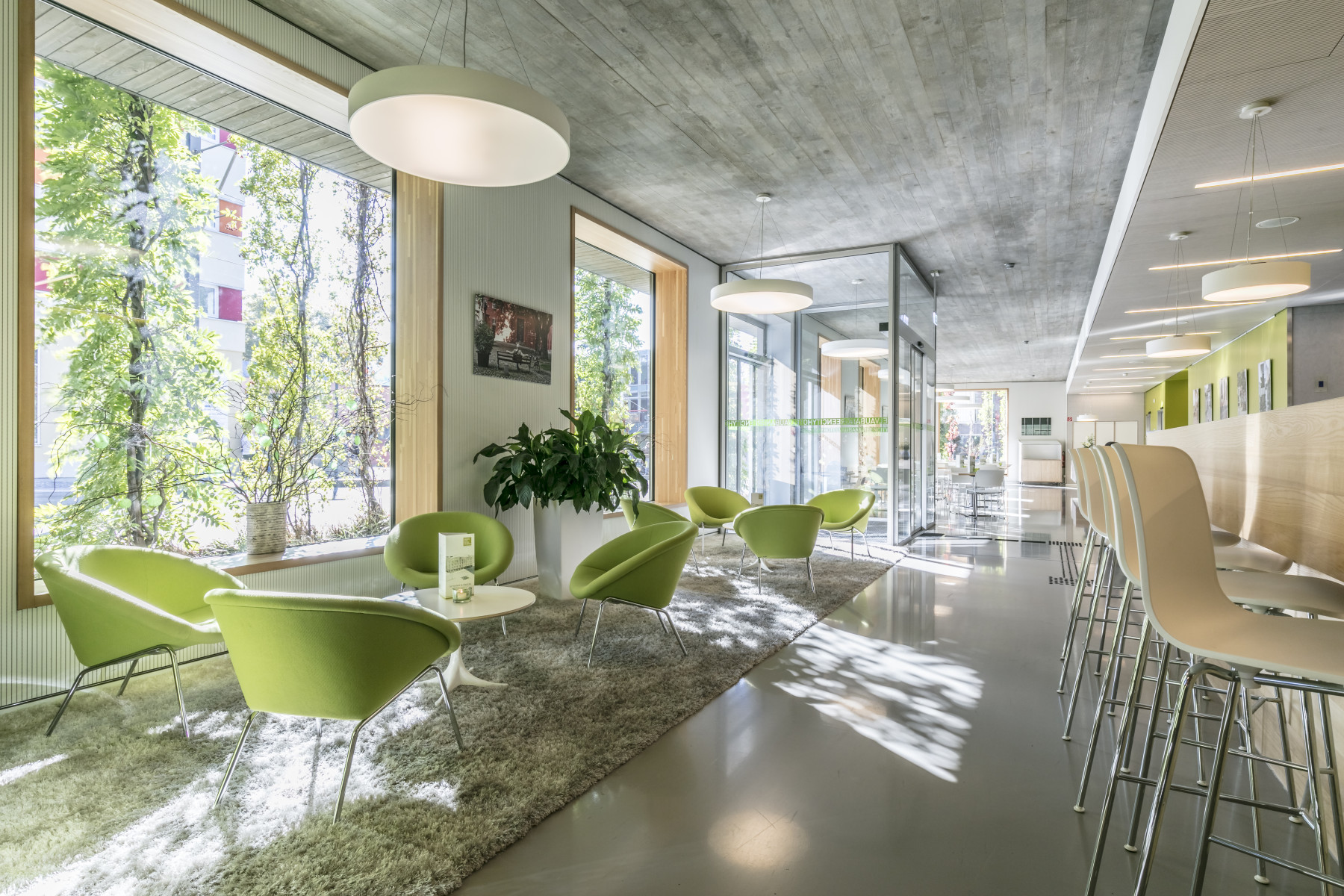
Located in the heart of Freiburg/Breisgau, in the sustainable district of Vauban, the Green City Hotel Vauban sets new standards with its integrative approach. Not only is the hotel largely accessible to people with disabilities, but it is also an integration company that employs people with disabilities and offers them standard wages and targeted training. In addition, the hotel avoids plastic packaging, and its food is sourced locally or from integrated companies whenever possible. This hotel shows how integration and environmental protection can be successfully combined in the hotel industry.
Relais del Maro in Liguria, Italy
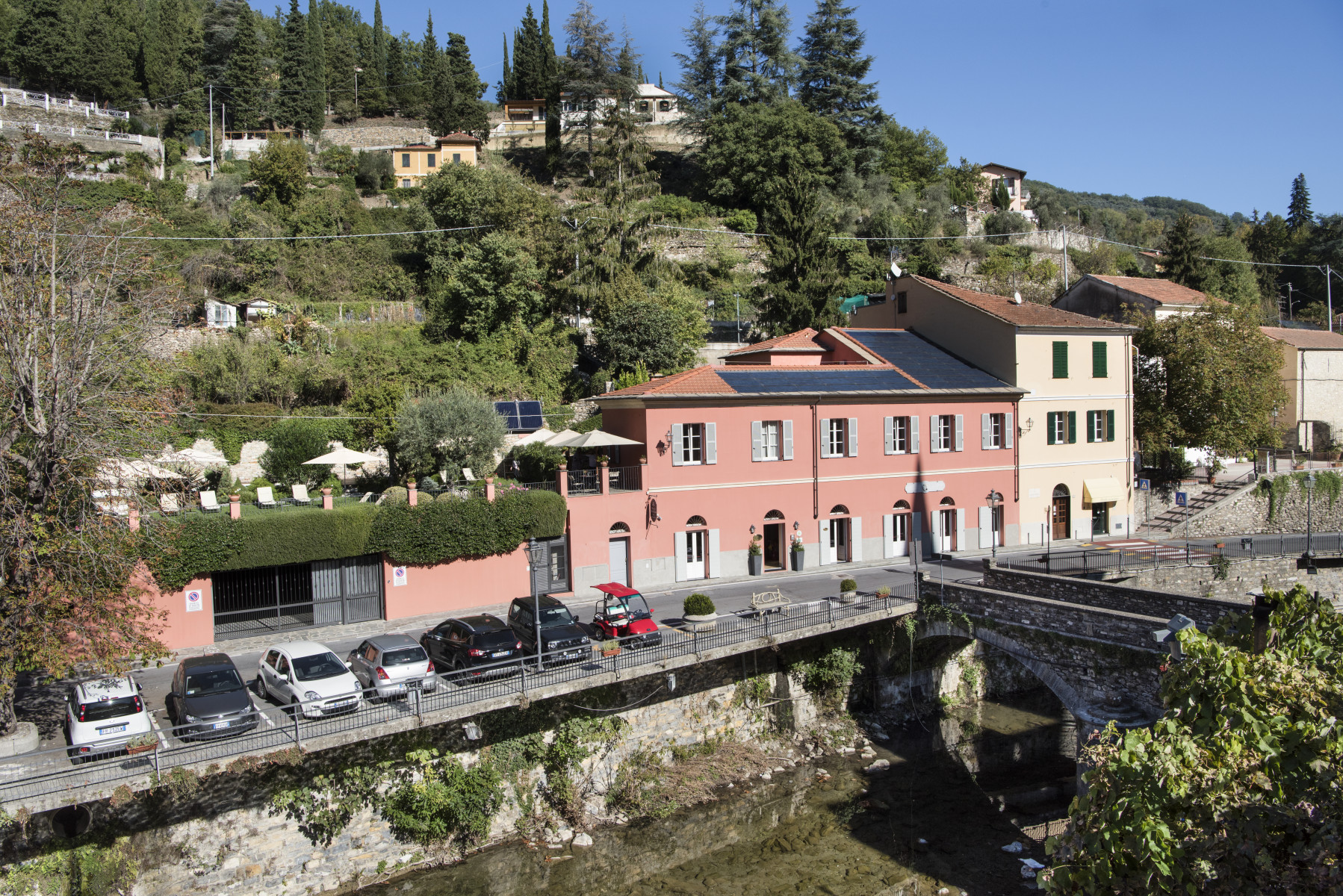
The Relais del Maro*, a 4-star hotel in the Ligurian village of Borgomaro, is housed in three historic buildings in the center of the village, thus contributing to the preservation of the cultural heritage. The Relais del Maro is committed to supporting the local economy and community. It employs mostly local people and purchases food from local organic producers. By working with local artisans to restore and furnish the rooms, the hotel promotes traditional craftsmanship.
Working Together for a Sustainable Future
The featured Green Pearls® partners demonstrate that social sustainability in tourism is not only possible but necessary – and goes hand in hand with environmental responsibility. The hotels and resorts are actively working to improve living conditions in their regions while creating a respectful and fair working environment for their employees, thereby leading to greater acceptance of the tourism industry.
Social responsibility in a hotel's day-to-day operations is an integral part of a holistic approach to sustainability that considers all aspects of tourism. Choosing a hotel that promotes social and environmental sustainability is not only a choice for an enjoyable stay, but also a contribution to a more just and sustainable world. It is up to each individual to make a positive impact by making conscious choices while on vacation. The accommodations in the Green Pearls® network invite you to become part of this movement and work together for a better future.
For more information about the featured hotels, please visit the linked websites. If you have any questions or need additional images, please contact us directly at press@greenpearls.com.
*CIN-Codes for Italian Hotels
- Relais del Maro: IT008010A1NIWKHTTF
- Hotel Weihrerhof: IT021072A1L46PNBHX