

The Rocky Road to Carbon-Neutrality – How the Green Pearls® Partners Navigate the Challenge

An important issue when we talk about sustainability in hotels or tourism is climate protection. More urgent than ever before, all stakeholders in the industry need to act now to preserve our planet and lessen the catastrophe. The requirements for Green Pearls® accommodation, therefore, include a commitment to climate protection and awareness of their own impact and emissions. However, before we look at the actions of individual Green Pearls® partners, we need to address one question:
What do climate-neutral and climate-positive mean?
In connection with discussions and demands concerning the climate crisis, the terms "climate-neutral" and "climate-positive" are used more and more frequently without any clear understanding of what they mean. At first glance, it seems quite simple: climate-neutral means that only as many greenhouse gases, for example, carbon dioxide or methane, are emitted as can be absorbed in so-called carbon sinks. In purely mathematical terms, we would then have achieved net zero emissions.
The problem is that the natural carbon sinks, i.e. forests, oceans and unsealed soils, cannot absorb the level of emissions we are currently producing. And artificial carbon sinks that actually contribute to the absorption of greenhouse gas emissions do not yet exist.
Reduction is the Key
In order to achieve climate neutrality (uptake = emission) or even climate positivity (uptake > emission), emissions must first be significantly reduced, incidentally not only from a local perspective but also globally. Only then can compensation measures be considered. This first step is part of everyday life for most of our partners, as it involves observing, reflecting on and optimizing their own processes and circumstances. These are essential for sustainable action in any case.
When determining emissions, we divide them into direct and indirect emissions and into three so-called scopes.
- Scope 1 includes the direct emissions of the hotel or holiday home. This includes, for example, the vehicle fleet and emissions caused by the hotel itself.
- Scope 2 refers to emissions that are caused elsewhere and are "imported" into the hotel, for example via electricity or heat.
- Scope 3 includes indirect emissions that lie outside the boundary of the first two scopes. This includes, for example, business trips or travel by employees.
How to become climate-neutral?
Once you know your own emissions, it is time to optimize and reduce them. This reduction can take place in different places and in different ways. The Green Pearls® properties show how different the path to the destination can be.
By the Power of the Sun - Renewable Energies in Sustainable Accommodation
Several photovoltaic systems, a solar thermal system, a heat pump with geothermal energy and its own combined heat and power plant - the list of energy-related measures that the STURM in the Rhön has already taken seems never-ending. The team is particularly proud of the garden view rooms completed last year. These are built in accordance with the latest energy standards and have a climate-neutral energy balance thanks to their own photovoltaic system and the aforementioned heat pump. In the future, two industrial battery storage units will enable an energy-saving circular economy and provide environmentally friendly energy even on bad-weather days and at night.
Furthermore, one of the hurdles on the way to climate neutrality was the preservation and modernization of the existing building from the 1970s. The goal here was a balancing act between climate protection and design, which was achieved with the help of architect Matthias Loebermann. By not demolishing the building, it was possible to save a lot of resources and avoid waste, which in turn benefits the climate.
Climate neutrality is important and necessary. However, it's a long road, and the biggest challenge is not even the road to climate neutrality, but probably the bureaucracy involved.

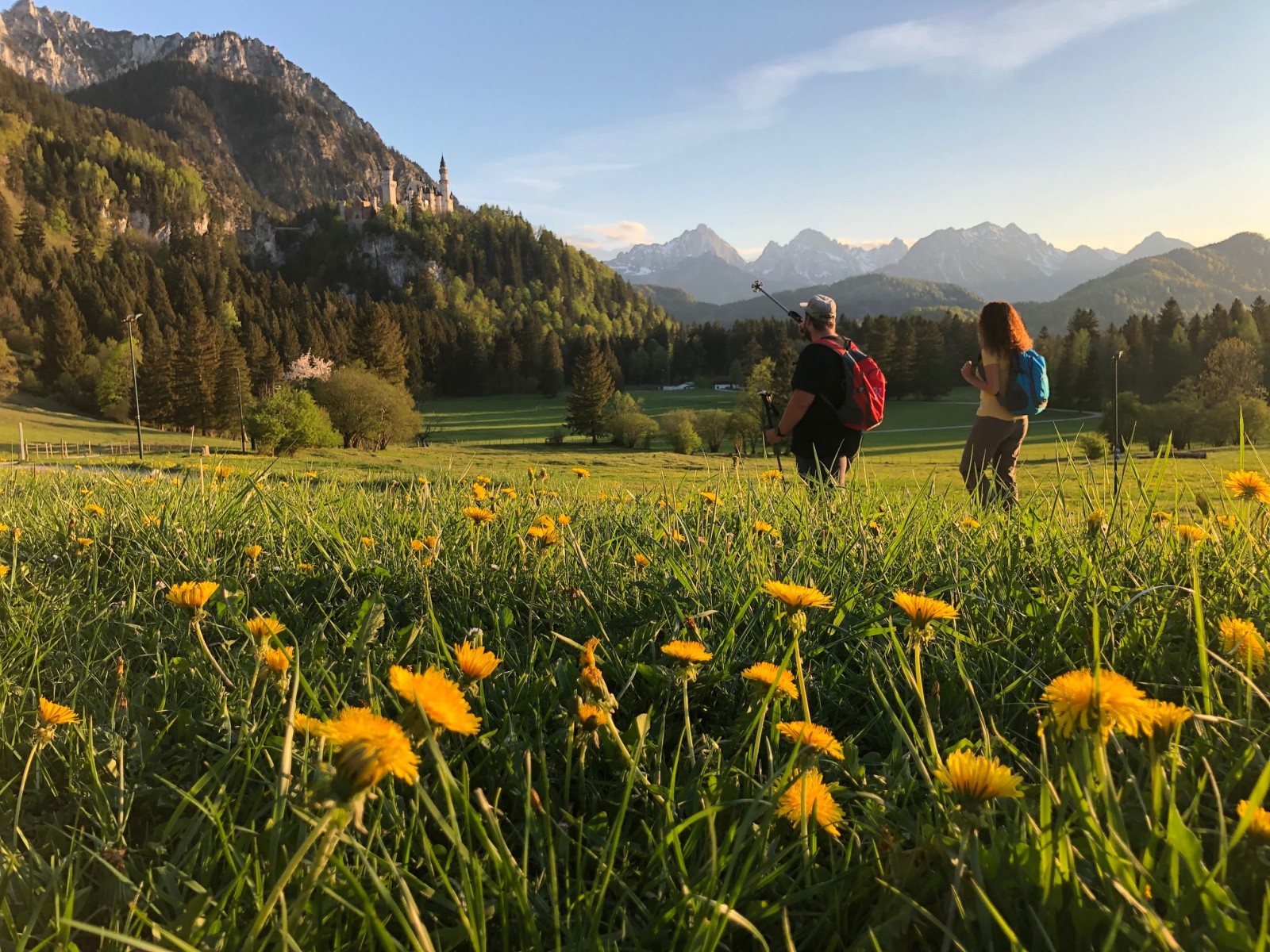
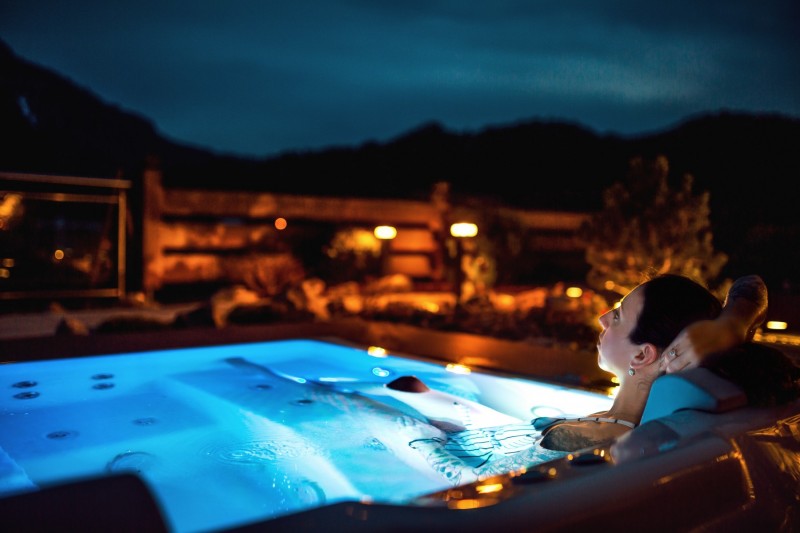
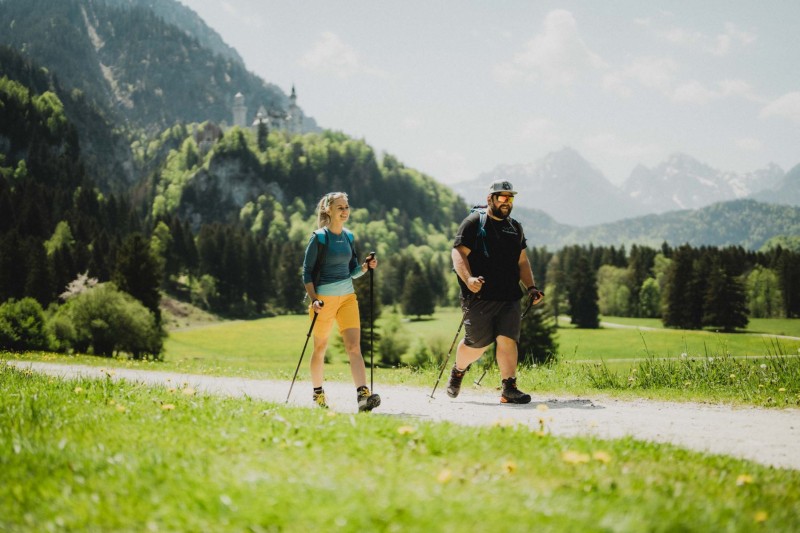
When we asked if they were climate neutral, Alexander Thurm, junior manager at Hotel Das Rübezahl, answered with a smile: "Unfortunately, not quite yet". In the romantic alpine hotel opposite the famous Neuschwanstein Castle, about 90 % of the electricity required has been generated by the photovoltaic system and a combined heat and power plant since 2021. The Thurm family uses green electricity for the rest of their needs. The pool and whirlpool are heated using heat recovery from the cold stores. The Thurm family also encourages their guests to travel by public transport or to explore the local area. The latter can be done easily on foot and the numerous, in some cases rare, plant species in the natural compensation garden near the hotel can be better viewed from this angle anyway.


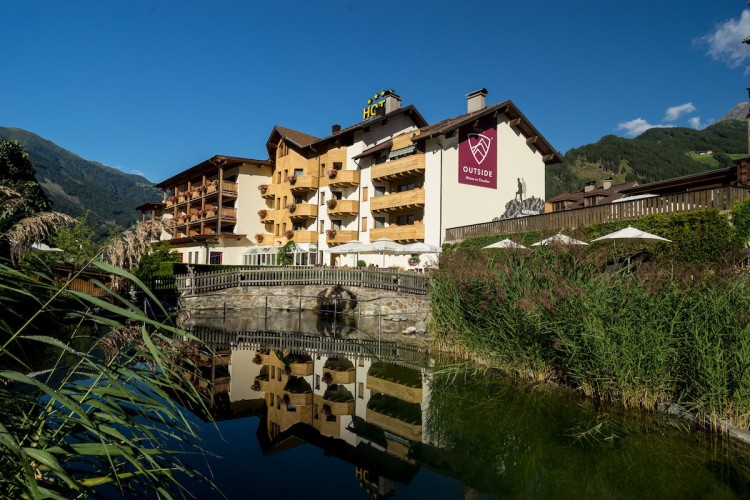
One characteristic that distinguishes sustainable hotels is the constant pursuit to better themselves. Daniel Ganzer from Naturhotel Outside, for example, notes that despite district heating, electricity from renewable sources and their own photovoltaic system, as well as many other small measures, they are still not climate-neutral or climate-positive. "But we are gradually getting closer to this goal," he adds.
For example, the hotel in the Hohe Tauern National Park has some construction work coming up this year and next, such as expanding the photovoltaic system to about 100 kW peak and replacing the old windows and balcony doors with highly insulated wooden windows and doors.


At A' Cràpa Mangia, the corks really popped at the beginning of the year. After years of struggling against planning laws, a photovoltaic system will finally be allowed to be installed on the historic estate in the autumn. Of course, care is taken to ensure that it does not interfere with the complex, but blends in harmoniously and, for example, provides shade in the car park. Hot water has already been generated for the most part with the help of solar collectors for years.
Short Routes for Food
At Gut Guntrams, climate protection is part of everyday life. "It is not our style to loudly announce any measures we take for the climate," the team of the natural estate writes to us. Unfortunately, climate-neutral and climate-positive are buzzwords that are increasingly being "misused". Those who spend their holidays at Gut Guntrams can be sure that the green spaces are managed carefully and organically. With an electric tractor, of course. The farm's own products, when not sold in the farm shop, are delivered by an e-van and the food that ends up on plates in the restaurant does not have long journeys behind it. Instead, they often come from the immediate surroundings. Products such as seafood are avoided altogether.
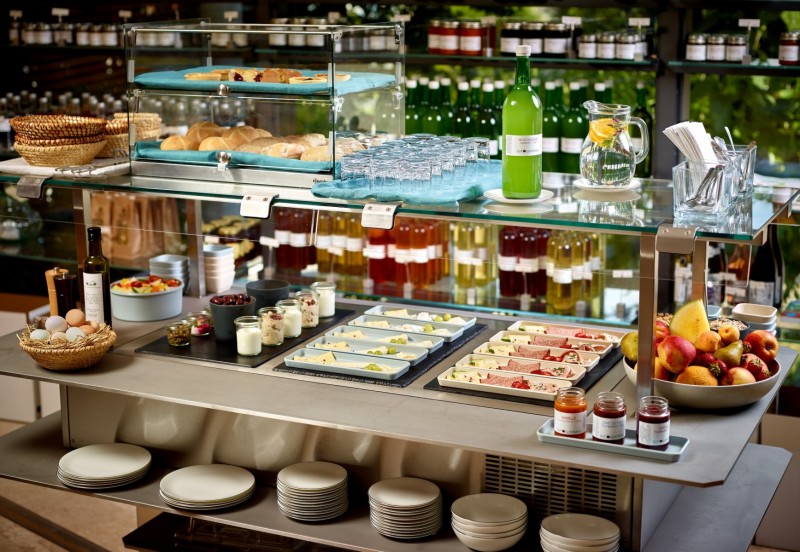
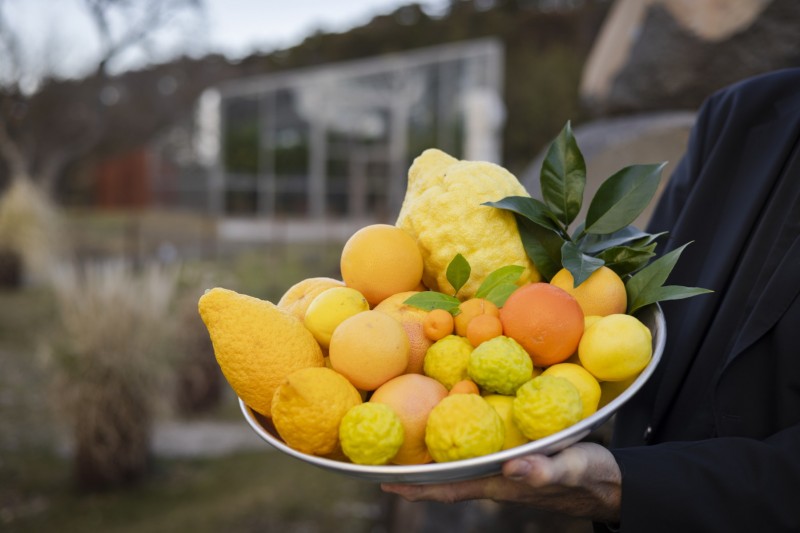
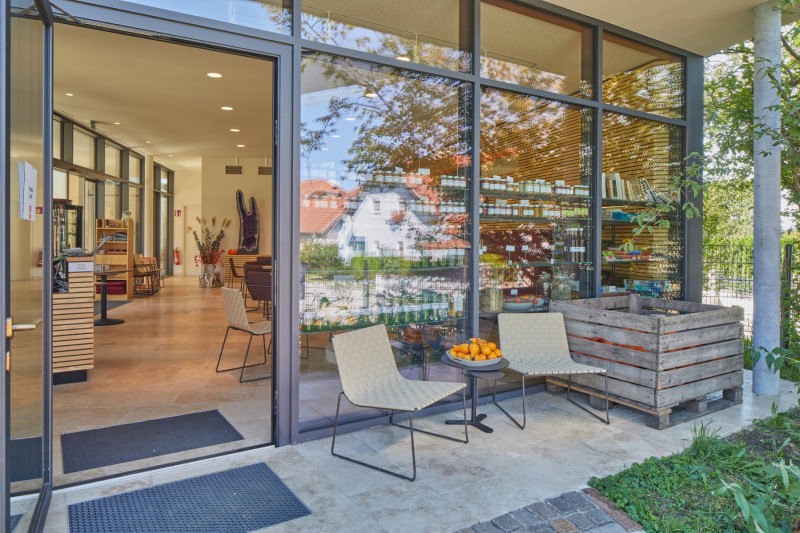
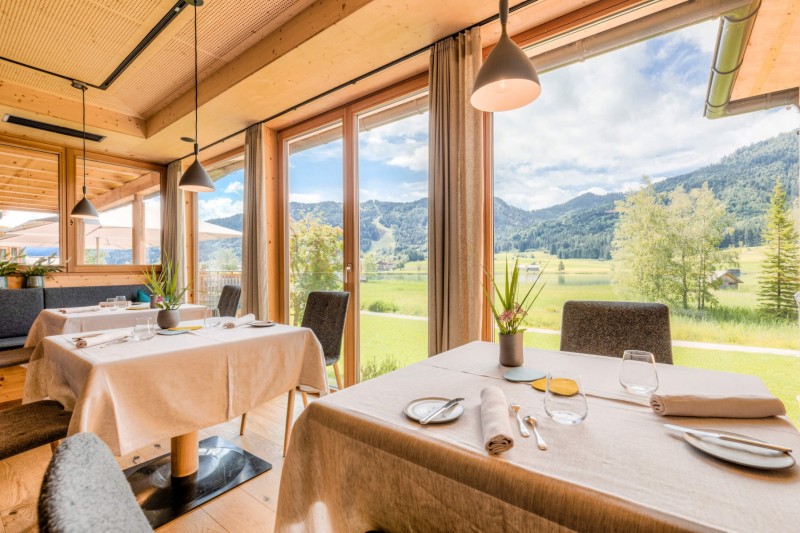
At Lake Weissensee in Austria, the topic of "food without long transport routes" is the most significant part of the philosophy at the gourmet hotel Die Forelle. Hotel owner and head chef Hannes Müller describes his philosophy as being import-autonomous. Almost all food comes from the local region, from farmers and producers Müller knows personally and from his own garden. Moreover, hardly anything is thrown away. Instead, they are pickled, fermented, frozen or otherwise preserved. This also applies to shells and peels.

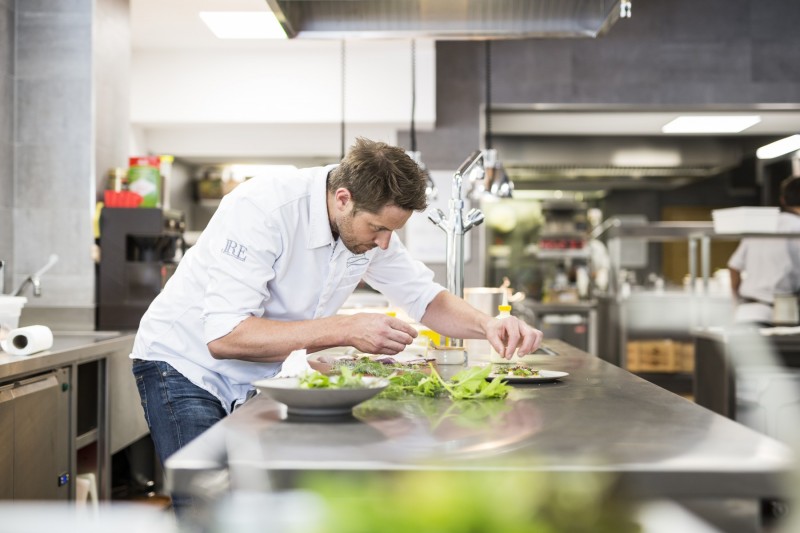

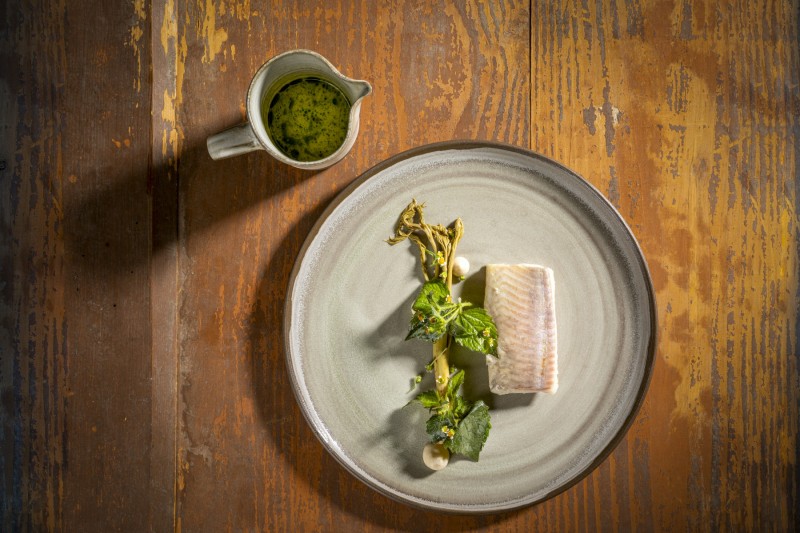
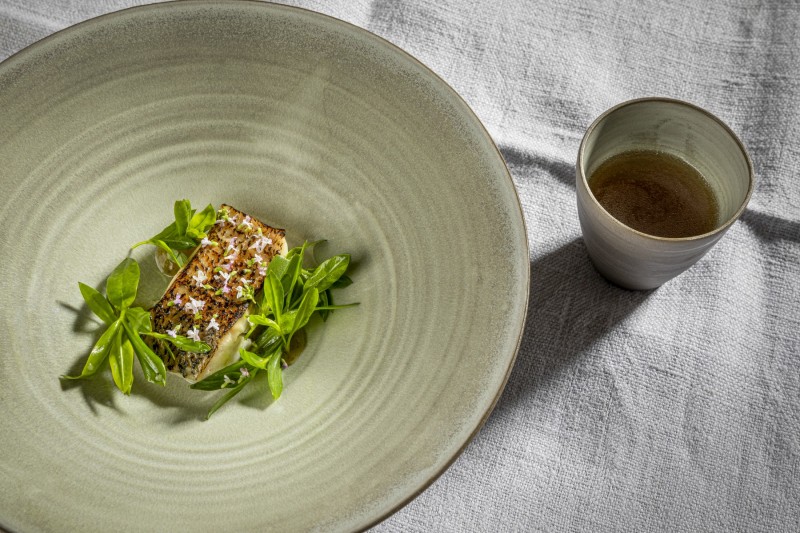

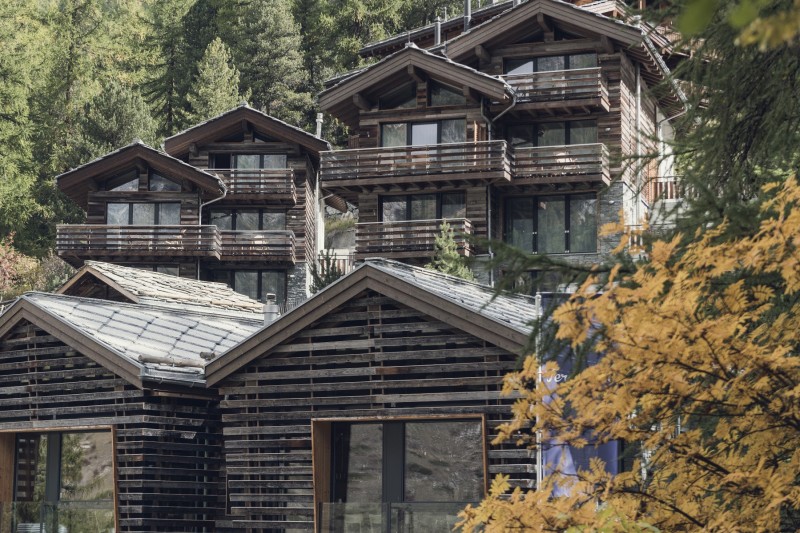
The luxurious Swiss hotel CERVO Mountain Resort in Zermatt follows a similar approach. Only a few products do not come from the region or have a journey longer than 150 kilometers. CERVO consistently ensures that all its suppliers comply with ecological (and social) criteria and goes the extra mile for the climate. This also means that meat dishes and the “house beer” have a surcharge to compensate for the emissions.
By the way: The electricity in the CERVO comes entirely from the Zermatt hydroelectric power. A heat pump with a heat recovery system generates almost all of the hotel's heating needs, so they can do without fossil fuels as much as possible. Guests are also involved in the process of climate protection by being able to compensate for their stay by paying a small surcharge. For this, CERVO cooperates with MyClimate.

CO2 Compensation: Yes or No?
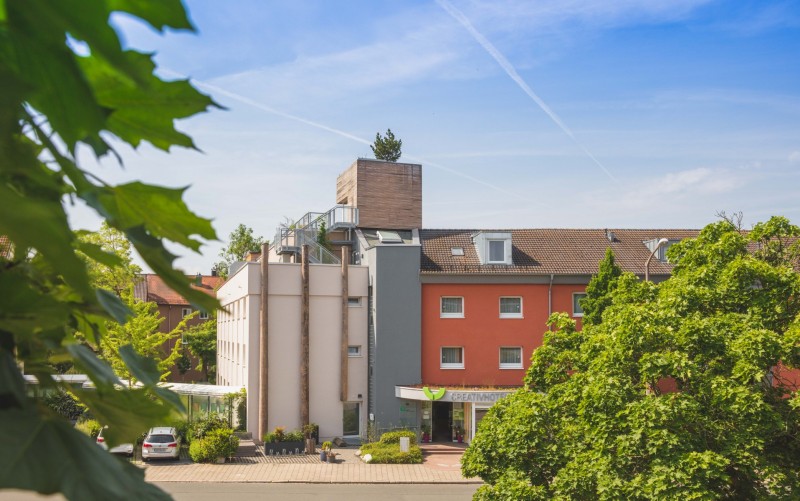
With this, we have already addressed the last sector or the last step on the way to climate neutrality: the compensation or offsetting of unavoidable emissions. The emphasis here is on “unavoidable” because as the Creativhotel Luise correctly points out, CO2 compensation should be viewed critically. It is often seen as a modern indulgence trade, says the team of the Erlangen hotel who would therefore like to emphasize above all the measures that are used to reduce greenhouse gases. This includes, for example, the fact that electricity is generated entirely from solar energy from the hotel's own photovoltaic system and hydropower.
The Creativhotel Luise was also the first hotel in Germany to be certified as "climate positive" by Viabono, which means that more emissions are offset than the hotel actually produces.
We don't want this to be a ‘zero’ situation, we really want to make a positive difference.
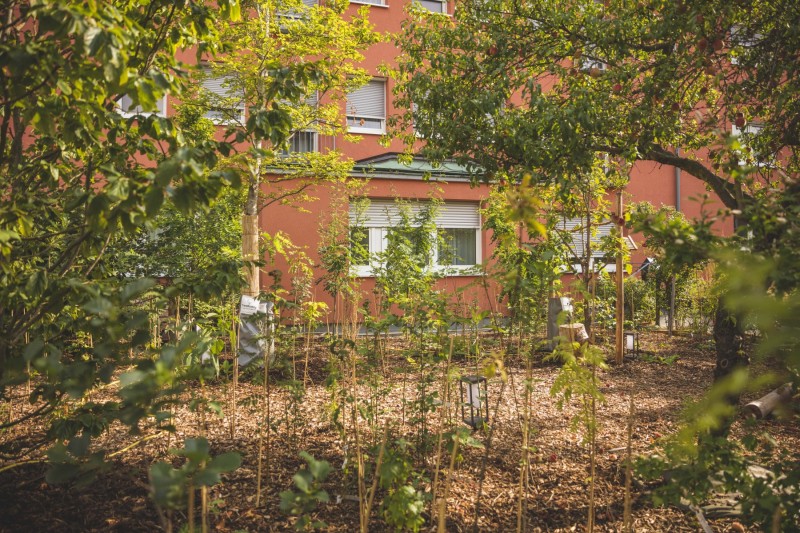
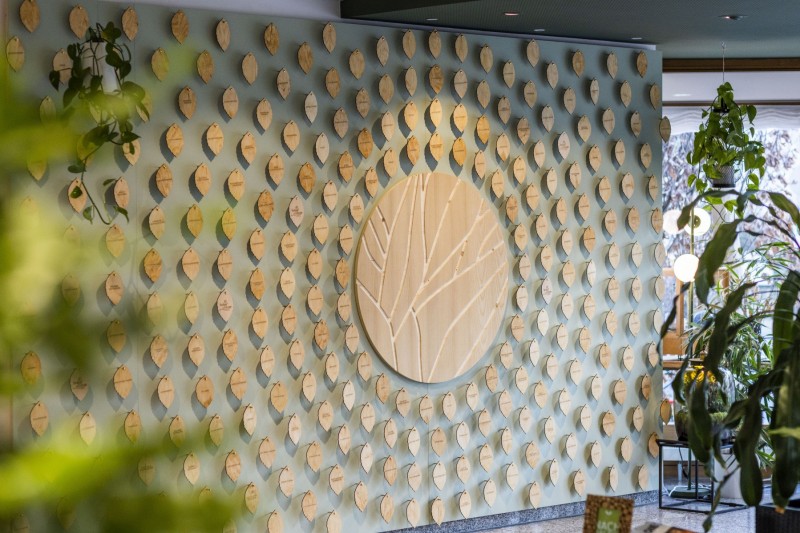
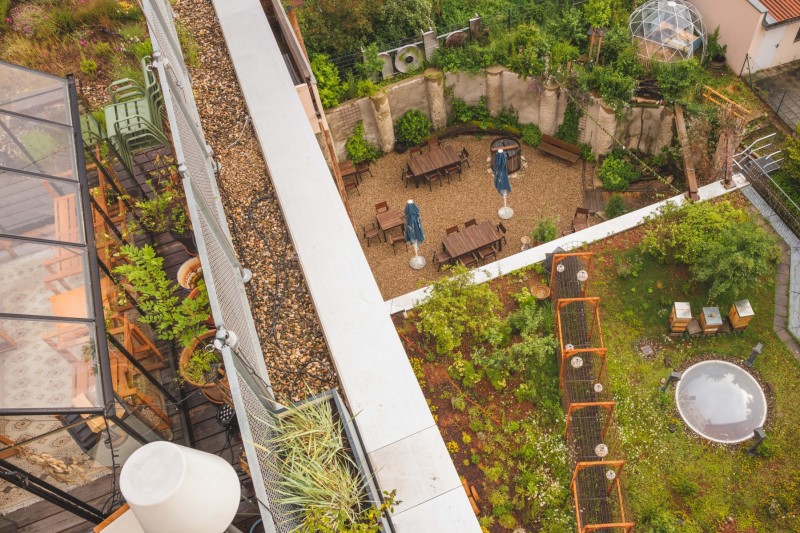
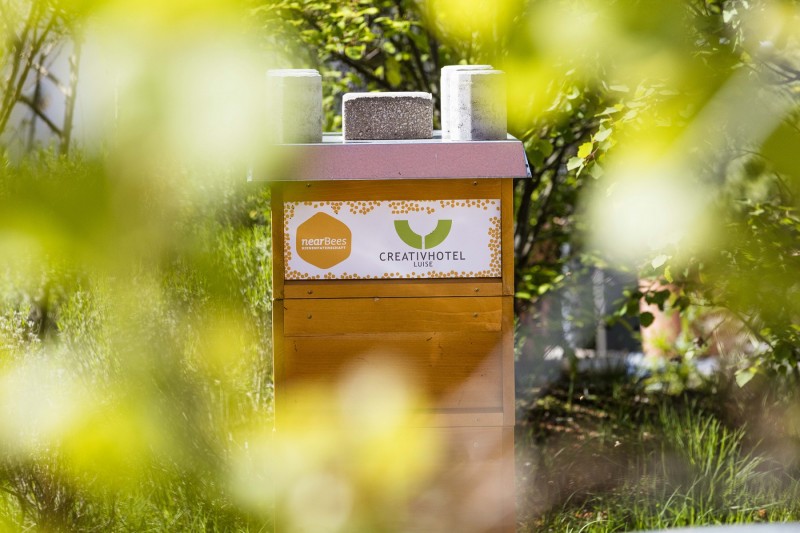

The unavoidable emissions are currently compensated for through the climate forest. This is being created on land once cleared for cattle breeding in Panama and, in addition to new habitats for native animals, also creates jobs and educational opportunities for the local population.
Berghotel Rehlegg also offsets the remaining emissions that cannot be avoided despite photovoltaics and a combined heat and power plant. This is done in cooperation with Positerra through active hummus cultivation, i.e. the capture of greenhouse gases such as CO2 in the soil. Furthermore, a reforestation project is supported, also in Panama, and employees also regularly plant trees directly on the company's doorstep in the Berchtesgaden National Park.
"Measuring one's own footprint is a challenge," says Klaus Pichler from the Hotel Weihrerhof thoughtfully. One goes into details that have never really been considered. But that is precisely the secret to finding new adjustments and constantly improving. Be it in the choice of regional suppliers, the journeys of the employees or the generation of energy through photovoltaic systems and a combined heat and power plant, as is the case in the Weiherhof. "Actually, we would be climate-positive, given that we do not cultivate our forest with its seven hectares and it, therefore, stores a lot of CO2," Klaus Pichler says with a laugh.

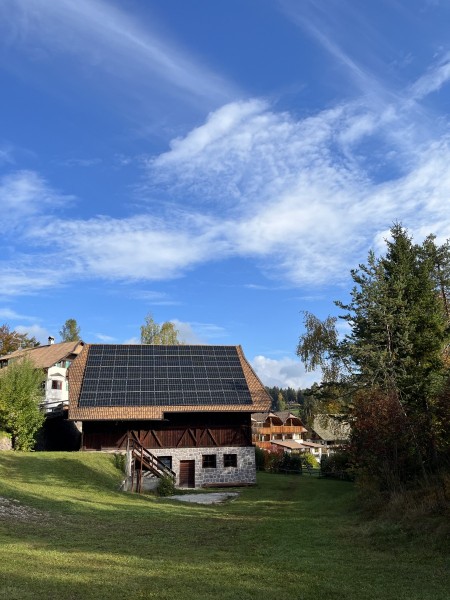

In addition, all unavoidable emissions are offset by Gold Standard climate protection projects, which always have something to do with water. The lake on their doorstep is the inspiration for this and at the same time a reminder of why climate protection is so important.