

The Sustainability Communication of Tomorrow: How Sustainable Accommodation meets the Challenges of EU Green Claims
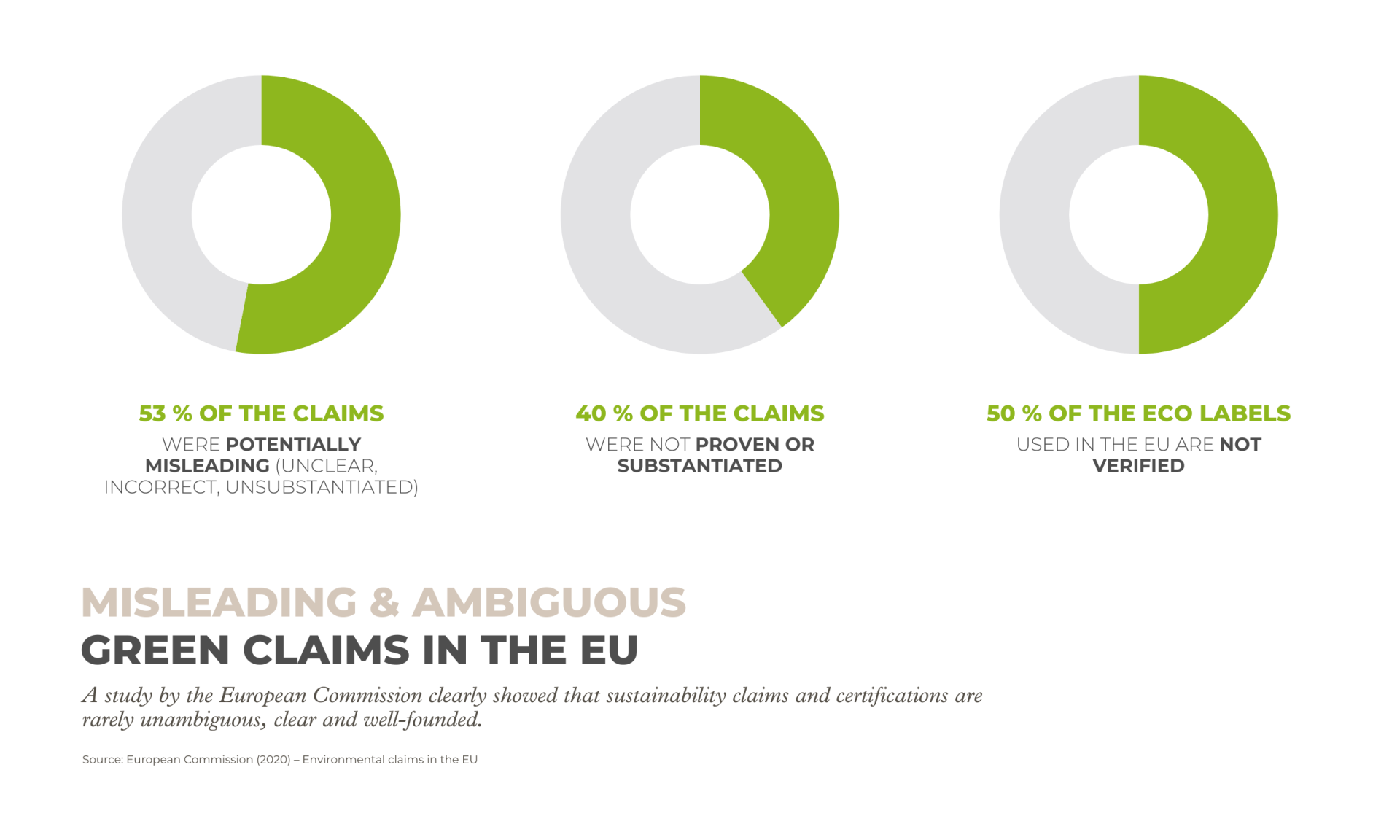
Sustainable, eco-friendly, climate-neutral - green claims like these are part of everyday life and can be found in almost every industry. Tourism is no exception. A study commissioned by the European Commission found that more than half of these claims are either misleading or outright false. The EU is now taking targeted action with the EmpCo Directive and the planned Green Claims Directive. The aim is to increase transparency, credibility, and fair competition. In this part of our newsletter series on communicating sustainability in tourism, we take a look at what this means for sustainable accommodation and, in particular, how they communicate their sustainability efforts.
What are the EmpCo and Green Claims Directives? An Overview
Both the Empowering Consumers for the Green Transition Directive (EmpCo Directive), which is already in force, and the Green Claims Directive, which is currently being negotiated, aim to increase the transparency of environmental claims for consumers and force companies to use environmental claims in advertising only if they are verifiable and accurate.
The EmpCo Directive prohibits the use of certain general claims in advertising unless they are backed up and substantiated by specific services. Examples include 'environmentally friendly' or 'green'. Similarly, sustainability labels that are not issued by official, state-recognized, or EU-recognized certifiers and that cannot demonstrate the existence of a certification system are also prohibited. In addition, it will no longer be possible to use environmental claims for the whole product or company if they refer to only one aspect of the product or company. There are also much stricter rules on advertising using the term 'carbon neutral', which will be discussed in more detail later in this article.
While EmpCo has been adopted, the Green Claims Directive is currently being negotiated in the so-called trilogue between the European Council of Ministers, the European Parliament, and the European Commission. This directive sets out the minimum requirements for the claims required by EmpCo, including scientific verifiability and external verifiability. It covers specific claims such as 'packaging made from 30% recycled plastic' or 'CO2-neutral transport' and aims to ensure that consumers can reliably verify such claims.
Impact on the Tourism and Hospitality Industry
The new guidelines will also have an impact on tourism, in particular on sustainable businesses and accommodation. In the future, sustainable hotels and holiday homes will have to ensure that their sustainability promises and claims (on environmental performance) are in line with the guidelines, i.e. that they are verifiable. This means:
- All environmental claims must be based on scientific evidence that is accessible to guests and interested parties. In addition, they must not be misleading.
- Environmental claims can only be made if they are complete and accurate.
- Anyone who wants to call themselves 'sustainable' (or similar) must be certified by an independent testing body on EU-level or one that has been approved by the EU.
- Labels and certifications must be transparent, verified by third parties, and regularly reviewed.
- Environmental claims for advertising purposes must be certified by the above-mentioned external and accredited testing bodies BEFORE publication.
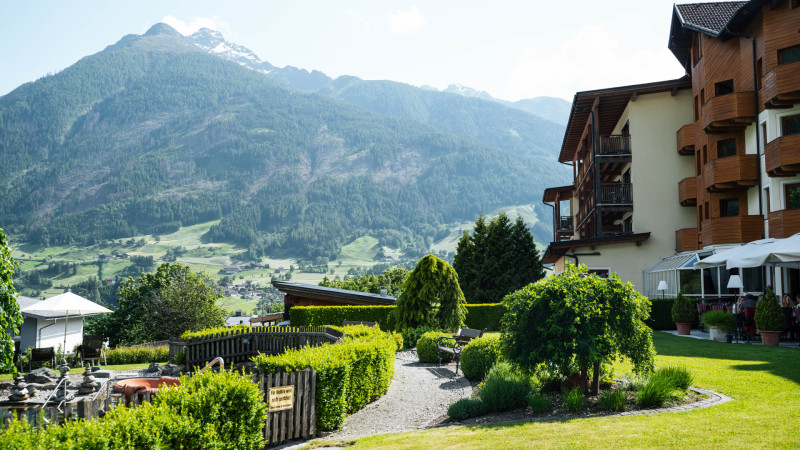
Example: Naturhotel Outside in Matrei in East Tyrol, Austria
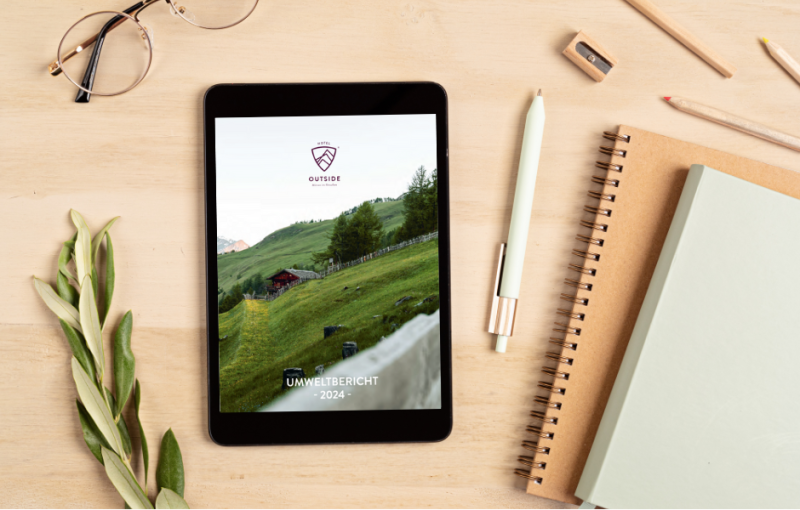
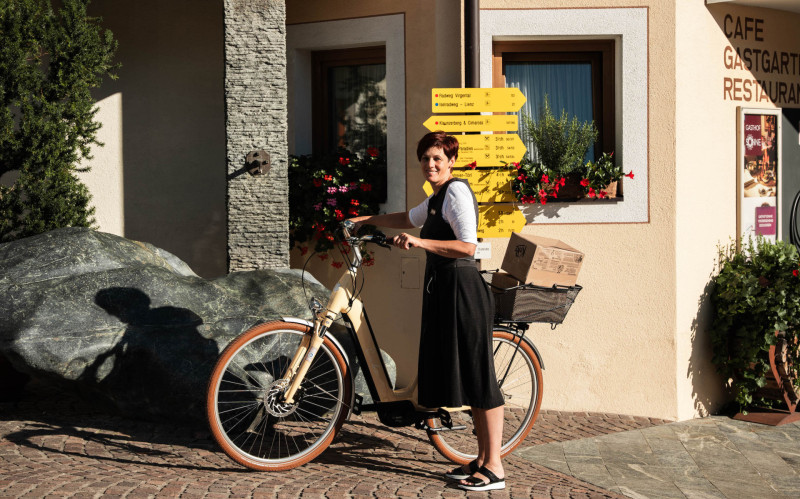
The Naturhotel Outside has been committed to sustainability since 1996 and has been awarded both the Austrian and EU eco-labels. It relies on regional food, energy-efficient technologies, and the use of renewable energies. Water and waste management are just as important as reducing CO2 emissions. In addition, the hotel promotes regional economic cycles and offers its guests environmentally friendly mobility solutions such as a shuttle service and a guest card for free use of public transport. Home-made products such as bread and lemonade round off the sustainable concept. Every two years, the Ganzer family publishes a comprehensive sustainability report outlining the milestones achieved as well as future projects and goals.
Heavy fines and sanctions are to be imposed on violators to force companies to comply with the directive. Micro-enterprises are exempt from the rules to protect small and local suppliers. This will affect not only accommodation within the EU but also international accommodation which clearly targets EU citizens with its advertising.
The EmpCo and Green Claims Directives therefore pose significant challenges for both hoteliers and established certifiers who must now seek EU accreditation to continue to operate.
New Sustainability Communication: More Transparent, more Scientific, and more Credible
Although the guidelines may sound challenging at first, Green Pearls® Founder Stefany Seipp sees them as a great opportunity. In the long term, they will strengthen the position of truly sustainable hotels and make it easier for people to choose genuine eco-friendly options.
The guidelines will create more transparency and certainty for travelers. It will be easier to find sustainable offers that can be trusted.
Stefany Seipp, Founder of Green Pearls®

The Green Claims Directive is still under negotiation. However, it is fairly clear which claims will be affected, namely:
- Any claim that promises a neutral, positive or reduced environmental impact
- All claims relating to the entire life cycle of the product (even if they only apply to a partial aspect)
However, this does not have any effect on:
- Information already covered by existing EU legislation. This includes the EU Ecolabel.
- Information about certified organic products.
Example: Klosterhof - Alpine Hideaway & Spa in Bayerisch Gmain, Germany
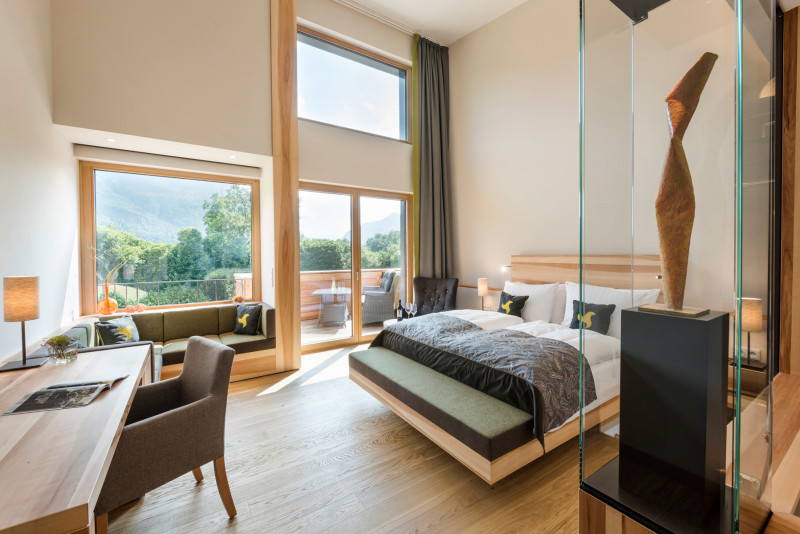
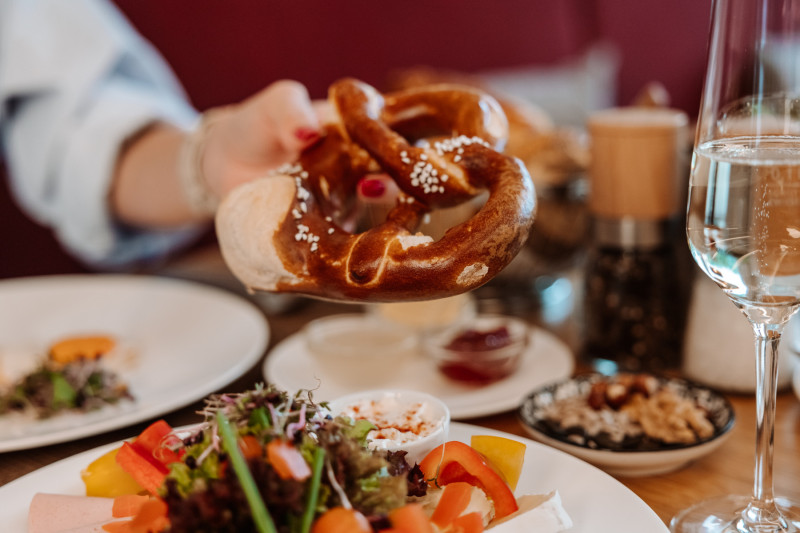
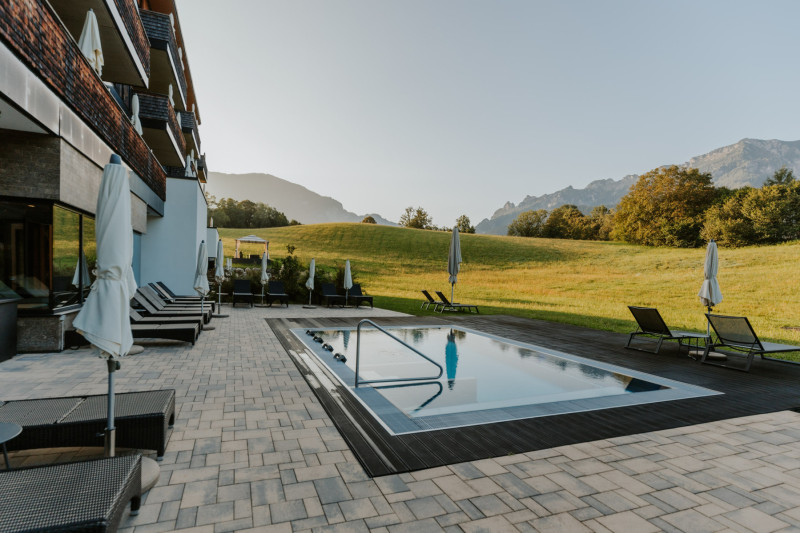
The 4-star superior Hotel Klosterhof – Alpine Hideaway & Spa in Bayerisch Gmain has pursued a comprehensive sustainability concept from the very beginning. In 2022, it became the first hotel in Germany to be awarded the EU Ecolabel. Key measures include sustainable construction, energy efficiency, promotion of e-mobility, water-saving technologies, and waste avoidance. Its guests are actively involved in sustainable initiatives such as the Green Choice program, which allows guests to donate to the mountain rescue service by choosing not to have their rooms cleaned. The hotel also uses local and natural products in the spa and kitchen and actively promotes good relations with the local residents. When asked why he and his wife decided to pursue EU Ecolabel certification, owner Dr Andreas Färber said: "The EU Ecolabel is not well known in Germany. In Austria, however, it is, and we have always looked across the border. The second reason was that there are many labels on the market and the EU Ecolabel has a high level of credibility among them.”
What I like is that the label also applies to other things, such as toys or detergents. That's where I see consistency: It just doesn't make sense to look at one product in isolation, you have to look at the whole picture – whether it's our detergent or the toys for the children that we get from the workshop next door. It's a holistic approach.
Dr. Andreas Färber, Klosterhof – Alpine Hideaway & Spa


Can I still say, "Climate Neutral"?
The terms "climate-neutral", "climate-positive" or "CO2-neutral" have been the subject of much criticism and almost regular legal action. Just recently, the German Federal Court of Justice made it clear that the term "climate neutrality" cannot be used in advertising if it is achieved solely by offsetting emissions. Reduction measures are much more important.
With the EmpCo Directive, the term may no longer be used in advertising, as the Directive stipulates that advertising with (solely) greenhouse gas emission offsets is not permitted.
Example: Hotel Luise in Erlangen, Germany
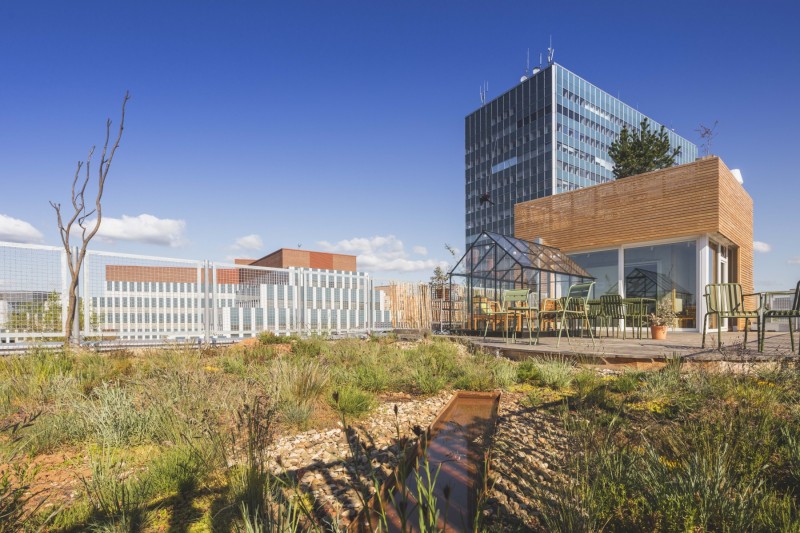
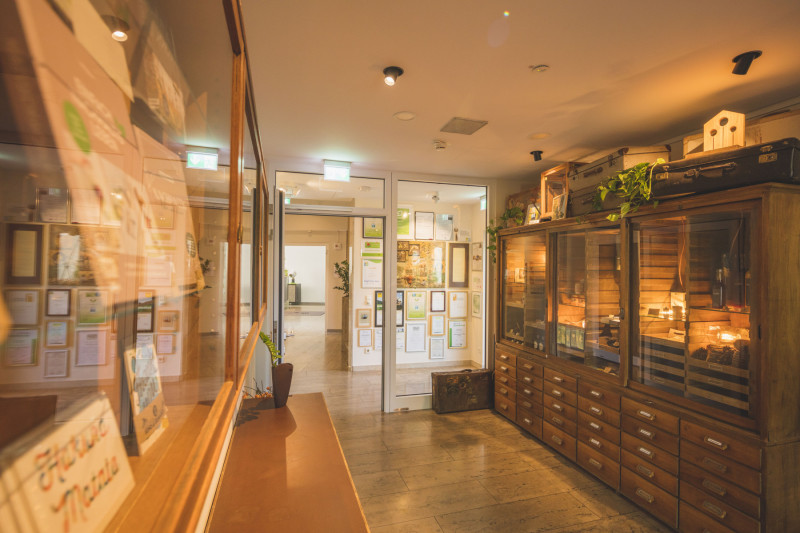
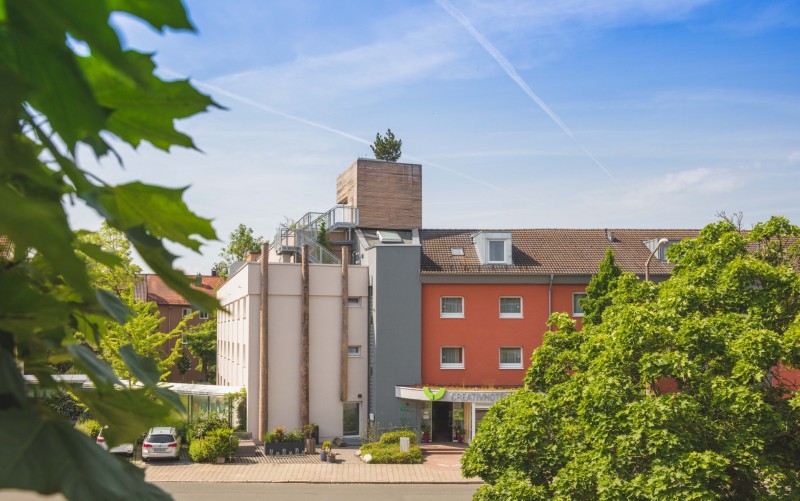
Hotel Luise follows a sustainable concept with more than 270 implemented measures. These include the use of recyclable materials, energy-efficient construction methods, and the collection and use of rainwater. It also uses renewable energy sources such as photovoltaics. The holistic concept is underlined by the natural design of the garden, a Japanese micro-forest, and a commitment to social justice. The hotel has received numerous awards, including the EU Ecolabel, and is a pioneer in the (city) hotel industry with creative ideas and innovative approaches.
For some time now, the Hotel Luise has decided to only rarely use the term “climate-positive” and does not actively advertise with it, although they are certified as such by Viabono. “For us, the first step is always to reduce greenhouse gases as much as possible,” explains Laura Heufelder, Marketing Manager at Hotel Luise. "We do this through our numerous sustainability measures (see Wall of Change). Offsetting is only the final step." To reduce CO2, good monitoring is essential to see whether the implemented measures are working, Heufelder continues. She and the entire hotel team welcome the new EU directives. “Sustainability promises must become more transparent and understandable for consumers,” she says, adding that they see no problem with this for themselves: transparent communication is something, they care about deeply anyway.
Rather than drawing attention to our carbon offsetting and using it for advertising, we focus our communication on the reduction of negative environmental impacts and on regenerative economic activity and how to achieve it.
Laura Heufelder, Hotel Luise
Clear Benefits for Travelers thanks to the EU Directives
As Stefany Seipp suggests, both guidelines will make it easier for travelers to identify truly sustainable travel and accommodation. They also have the potential to reduce the uncertainty surrounding sustainability and environmental claims that have prevailed in recent years and help rebuild trust in such claims. This will hopefully reduce the gap between 'wanting to travel sustainably' and 'actually making sustainable travel choices' that has been documented in numerous studies (most recently in a study by booking.com 2024 and the latest travel analysis by the German Research Association for Tourism and Travel).

Our Conclusion: A Step towards a Sustainable Future for Tourism
The new EU directives are decisive steps towards a more sustainable tourism and hospitality industry. Even if the strict, quite demanding, and also expensive requirements (keyword: certification) may initially lead to a decline in honest (but not certified) environmental statements due to uncertainty or financial situation, we at Green Pearls® are convinced that truly sustainable businesses and accommodations will benefit. In a competitive environment where more and more people are considering sustainability in their travel choices, they can differentiate themselves with concrete statements and actions and integrate these into their communications. For travelers, the benefits are obvious: more clarity and certainty when choosing sustainable travel options. And, hopefully, an incentive to choose sustainable accommodation more often.