

Sustainability Communication without Paper – but with a Plan

It is no surprise that websites, newsletters, and social media offer enormous potential for sustainability communication. Reach is only one factor to consider here. More importantly, digital media can convey a company's sustainability initiatives in a tangible, credible, and comprehensible manner. This is particularly true when environmental and social aspects are also taken into account.
The Issue with the Energy Usage of Digital Structures
Some time ago, we discussed the sustainability of print products. They are often demonized as wasteful of resources, and switching to digital processes is presented as the one truly climate-friendly and green solution. (You can read more about why print still has a place in the linked article above.)
However, amid the "digital hype," the enormous environmental and climate impact of the internet and its associated infrastructure, technologies, and hardware is often overlooked. Due to a lack of reliable data, it is difficult to estimate the extent of this impact. Various studies conducted in recent years estimate, however, that digital technologies account for between 2 and 4 percent of global emissions – roughly the same as air traffic. In addition to end devices, this issue is also caused by data transmission and, above all, data centers and servers. Very few of these are powered by renewable energies.
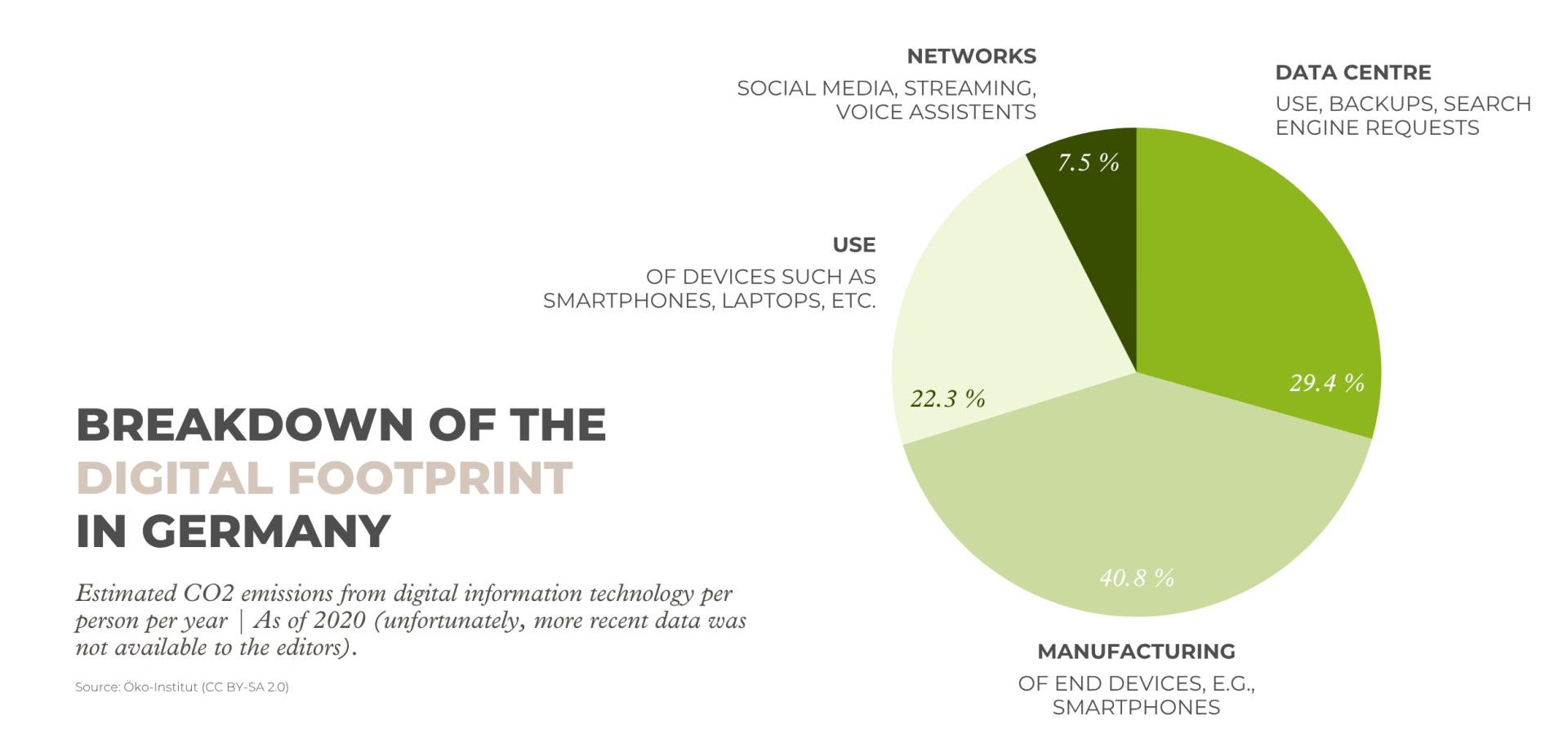
In addition to the active influences and emissions caused by digital communication, there are also indirect effects. Digital communication and online marketing thrive on user interaction, whether through websites, email, social media, search queries, and so on. Each interaction in turn produces emissions and increases data centers' energy consumption. While the total ecological footprint of data centers can only be estimated, various calculations put it between 200 and 500 billion kilowatt-hours. Worst-case scenarios predict this enormous consumption will multiply by 2030, reaching an estimated 3,000 kilowatt-hours per year. This estimate does not include the changes that will result from AI development. In Europe, this could increase digital technologies' share of total European emissions from 2% to 5% by 2030.
Digital does not Necessarily Mean Sustainable
In our view, it is virtually impossible to make a direct general comparison between print and digital media. The speed and volume of data transmission, as well as the way digital media is used today, are completely different from physical media. Furthermore, the way we communicate has changed: People did not write letters in the same way or quantities as we send emails or text messages today.
Perhaps the closest comparison would be to consider specific marketing channels that pursue the same goal. For example, indiscriminately scattering advertisements across the internet is just as harmful to the environment as distributing flyers in the real world, despite the need to put the emission figures into perspective. (Presumably, flyers are never distributed in the same quantities as online advertisements generate views and interactions.)

Digital communication does not automatically equate to sustainability or environmental friendliness. As in the real world, knowing exactly what the target group needs and when is important for the success of digital communication, particularly digital sustainability communication. We will use examples from the Green Pearls® network to demonstrate how this works in the hospitality and tourism industry. Each of these sustainable accommodations has developed its own marketing and communication strategy. They all consciously handle and disseminate their content in a targeted way, meeting their (potential) guests where they are and avoiding large scatter losses.
Sustainability Communication: Individual, Authentic, Digital
Nowadays, a barrier-free, environmentally friendly website with minimalist design and energy-efficient, eco-friendly hosting that focuses on user needs is the cornerstone of most communication strategies. Such a website informs guests and interested parties, inspires wanderlust, and raises awareness of sustainable measures.
Digression| Sustainable Website: Less Data, Fewer Emissions
A sustainable website design is based on three key principles: efficient technology, climate-friendly hosting, and thoughtful design.
Technology: Save resources through lean code, fast loading times, low data volumes, and optimized media formats. Each megabyte saved reduces power consumption in data centers and on user devices.
Hosting: It is worth looking for providers that demonstrably use renewable energies, operate data centers with heat recovery systems, and have energy-efficient infrastructure. Other criteria, such as the location of the center, transparency, and commitment to open-source solutions, also play a role. The Green Web Foundation provides a list of sustainable and/or environmentally friendly hosting providers.
Design: Less is more. Reducing animations, creating a clear page layout, and making navigation easy (so visitors don't have to search for long) conserves resources and improves the user experience.
Tip: Even minor adjustments, such as reducing image sizes, can significantly impact your website's carbon footprint.
Digital Communication in Sustainable Hotels
Social media channels, newsletters, and digital guest folders are being used more strategically. They are no longer merely sources of information; they are also platforms for authentic storytelling and brand building. These channels offer insights into a hotel's philosophy, processes, initiatives, and values, providing information that is accessible anywhere and almost in real time.
“We use email, our website, and social media to share our messages and sustainable initiatives transparently”, explains the team at the South Tyrolean Hotel My Arbor. This allows them to communicate quickly and efficiently while significantly reducing paper consumption.
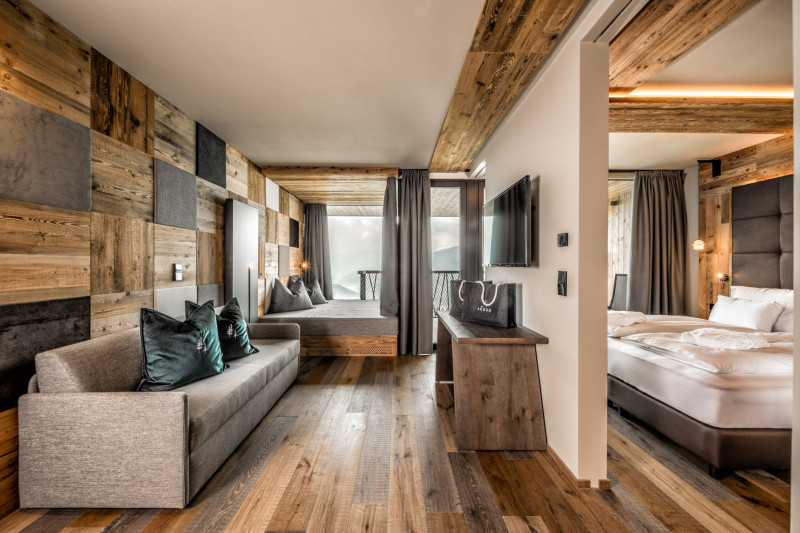
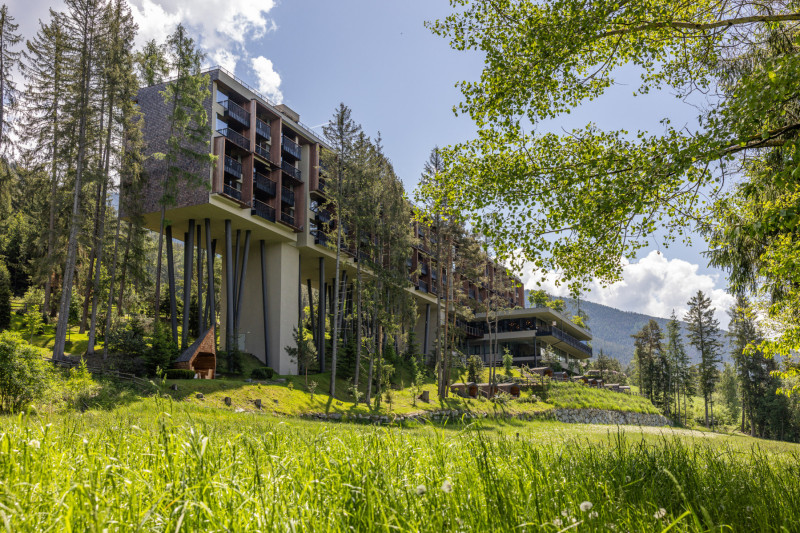

The Eco-Aparthotel OLM Nature Escape, which opened in 2023, communicates digitally only, and for the Lifestylehotel SAND on the Baltic Sea, going paperless is a natural part of sustainability. "However, since sustainability also means social sustainability to us, and we want to support the community's tourism organizations and our partners, we provide them with printed materials from time to time, if their marketing strategies require it," adds Marion Muller, owner of SAND. Otherwise, they use the Gastfreund app for targeted communication with the SAND guests and share their offers on social media. There, they reach a target group that is specifically interested in these offers.

From QR Codes to Apps – Digital Tools are a Sustainable Solution
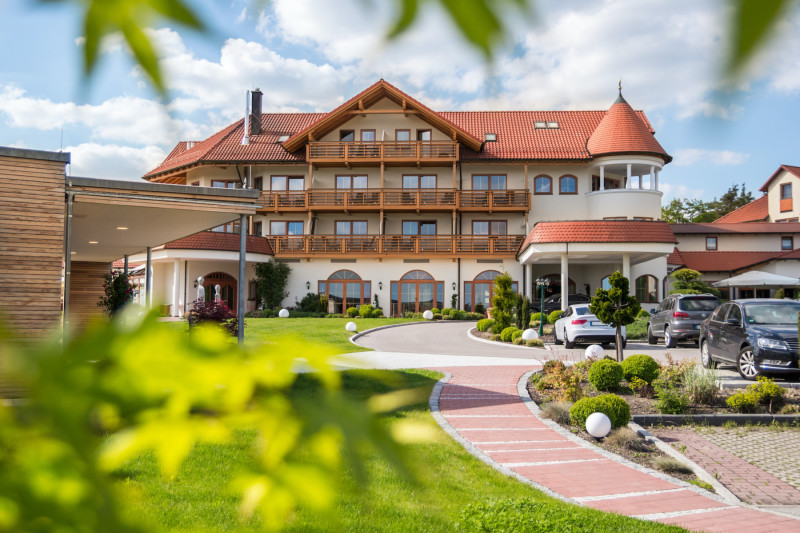
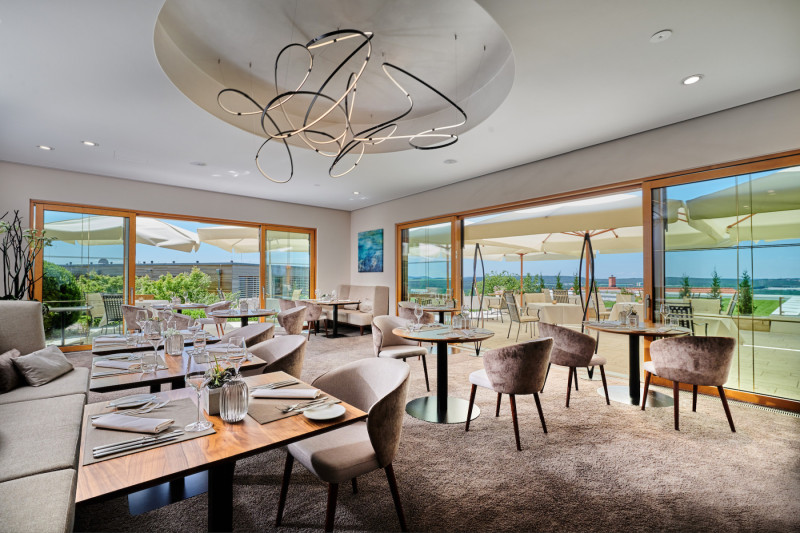
Digital guest folders or apps are replacing traditional brochures and flyers. At the five-star wellness hotel Der Birkenhof***** Spa & Genussresort, a monitor at the reception desk informs guests about current sustainability measures. "We also share information on our website, social media, and platforms like Green Pearls® and GreenSign", the hotel team explains. "We are also committed to sustainability internally. For example, we handle most of our communication via email and use as little paper as possible."


The STURM in the Rhön offers digital vouchers. These can be sent directly to the recipient with a personal message. Printed vouchers are now only issued and shipped upon request. "We communicate almost entirely digitally," explains Julius Schulze Dieckhoff from STURM. "Both in marketing and in guest communication. We only have a few postcards and a leporello catalog.”
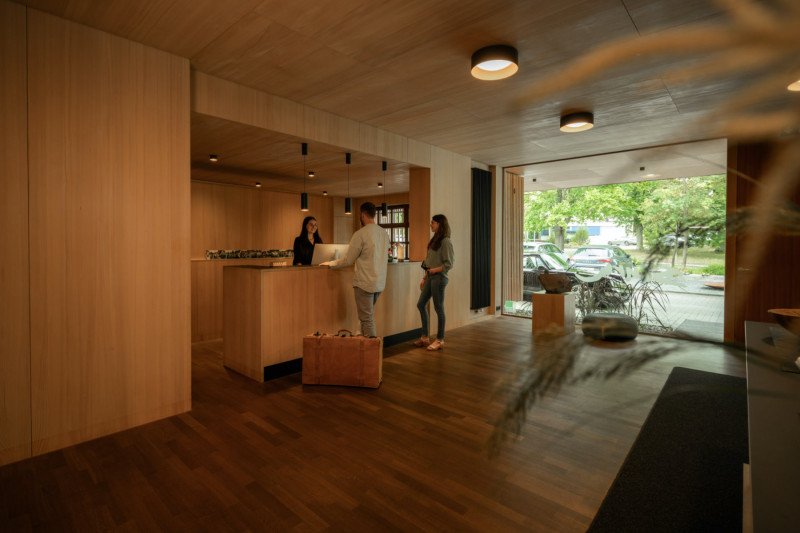
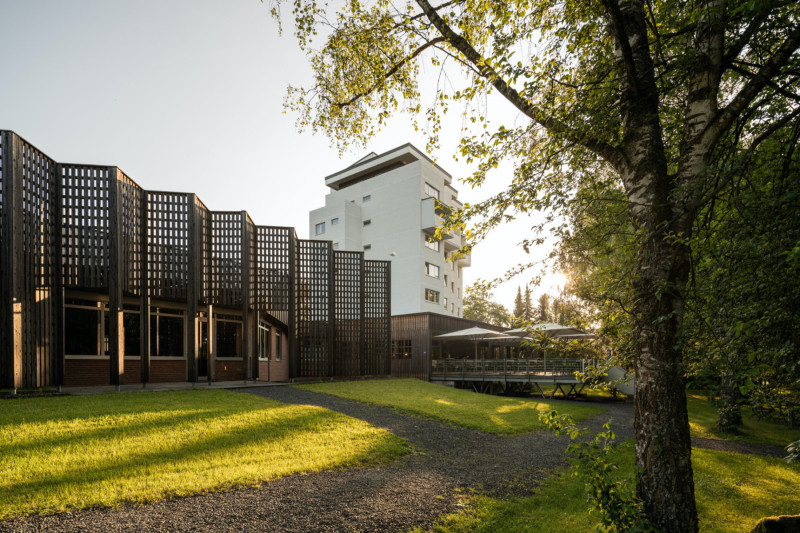
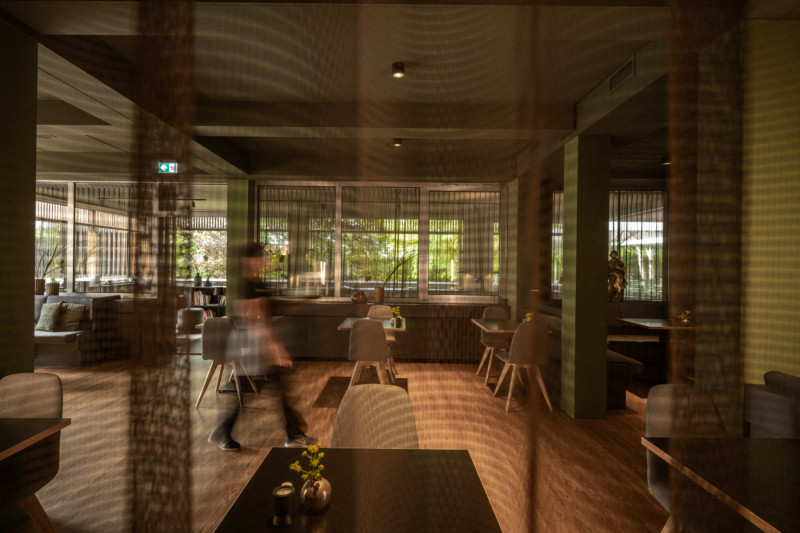
At the vegan hotel LA VIMEA in South Tyrol, hardly anything is printed. Almost all processes are organized via QR codes, including the menu and guest information. This means that printed materials do not need to be reprinted when information changes, as the information is available digitally.

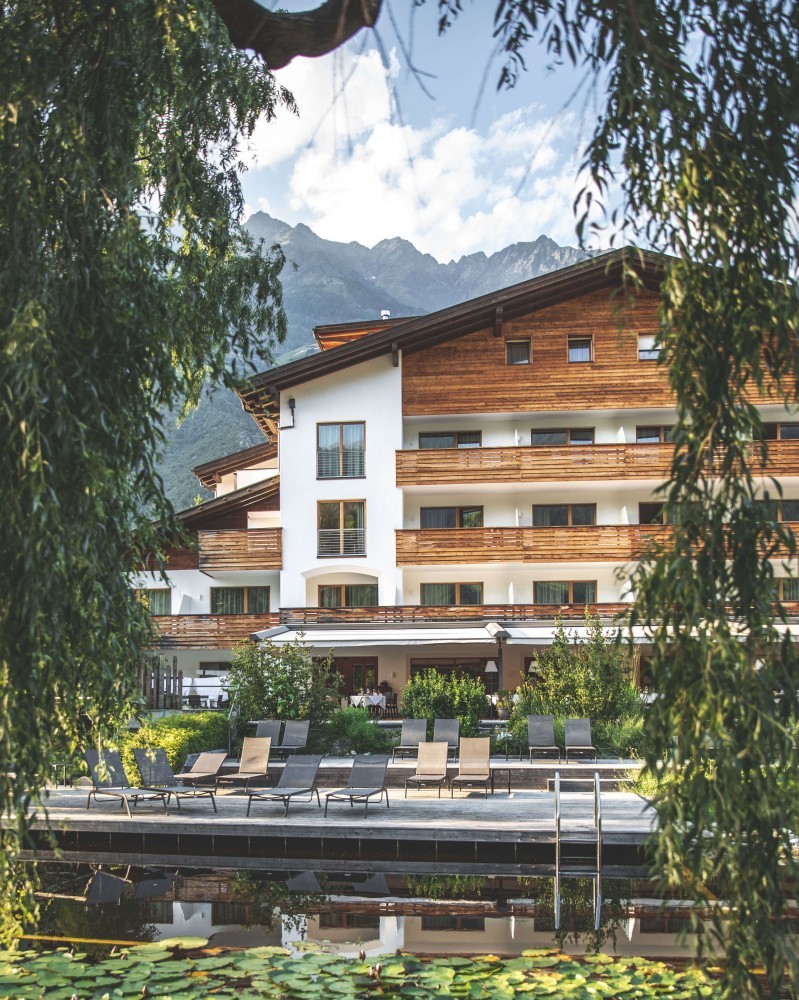

Digital communication has another advantage that may not be immediately apparent: it takes up significantly less physical space. There is no need to store or transport informational materials or printed matter for either the venue or the guests.
Social in the Digital Space
Another advantage of digital solutions becomes apparent when considering the requirement for websites to be accessible. Accessible websites and apps with read-aloud functions and customizable user experiences, such as adjustable font sizes, dark mode, color options, and simple language, make information directly accessible to all interested parties. This is only possible to a limited extent with print products. Certain facts can be described in more detail as needed, and background information and links make content easier to understand. These features allow all travelers to participate without relying on third parties.
Conclusion: It is not an Either/Or Issue
The type of implementation, carbon footprint, target audience, usage behavior, and dwell time are all equally important in digital communication, whether on websites, apps, social media, or online advertising, as they are in print. In our opinion, rejecting one option outright in favor of another without thoughtful consideration is the wrong approach. Rather, the costs (including environmental costs) and benefits must be weighed on a case-by-case basis.
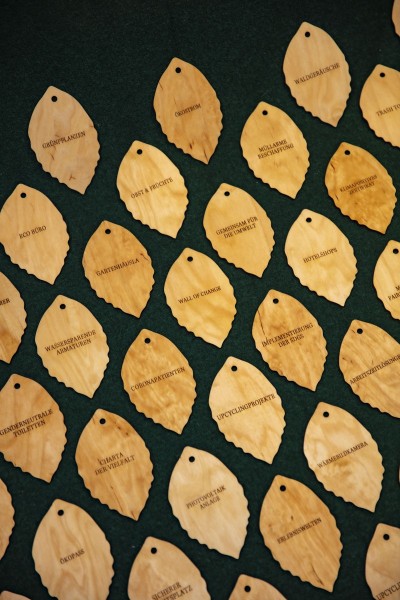
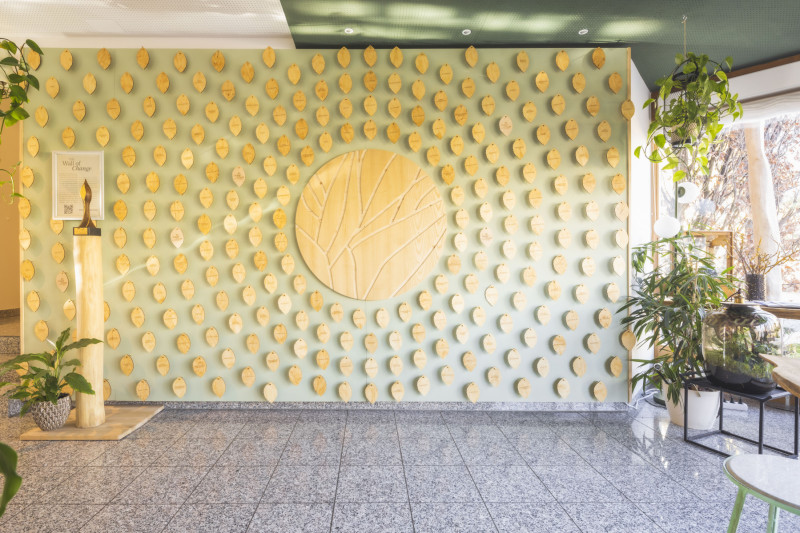
That is why sustainable hoteliers are developing flexible strategies that combine both approaches. They use digital solutions and targeted print products to create effective, sustainable, and authentic communication. The voices from the hotel industry featured in this newsletter demonstrate that, for many, it is not an either/or situation. Sustainability communication hinges on attitude, objectives, and a commitment to regularly reevaluating and improving existing processes. This mindset also gives rise to new projects, such as the Wall of Change at the Hotel Luise in Erlangen. This wall exists both digitally and in the form of tangible wooden sheets in the hotel lobby. Because sometimes the right communication isn't printed or digital; it's something unique that suits the hotel in question.