

Think Globally, Act Locally: How Green Pearls® Hotels are Implementing the Sustainable Development Goals
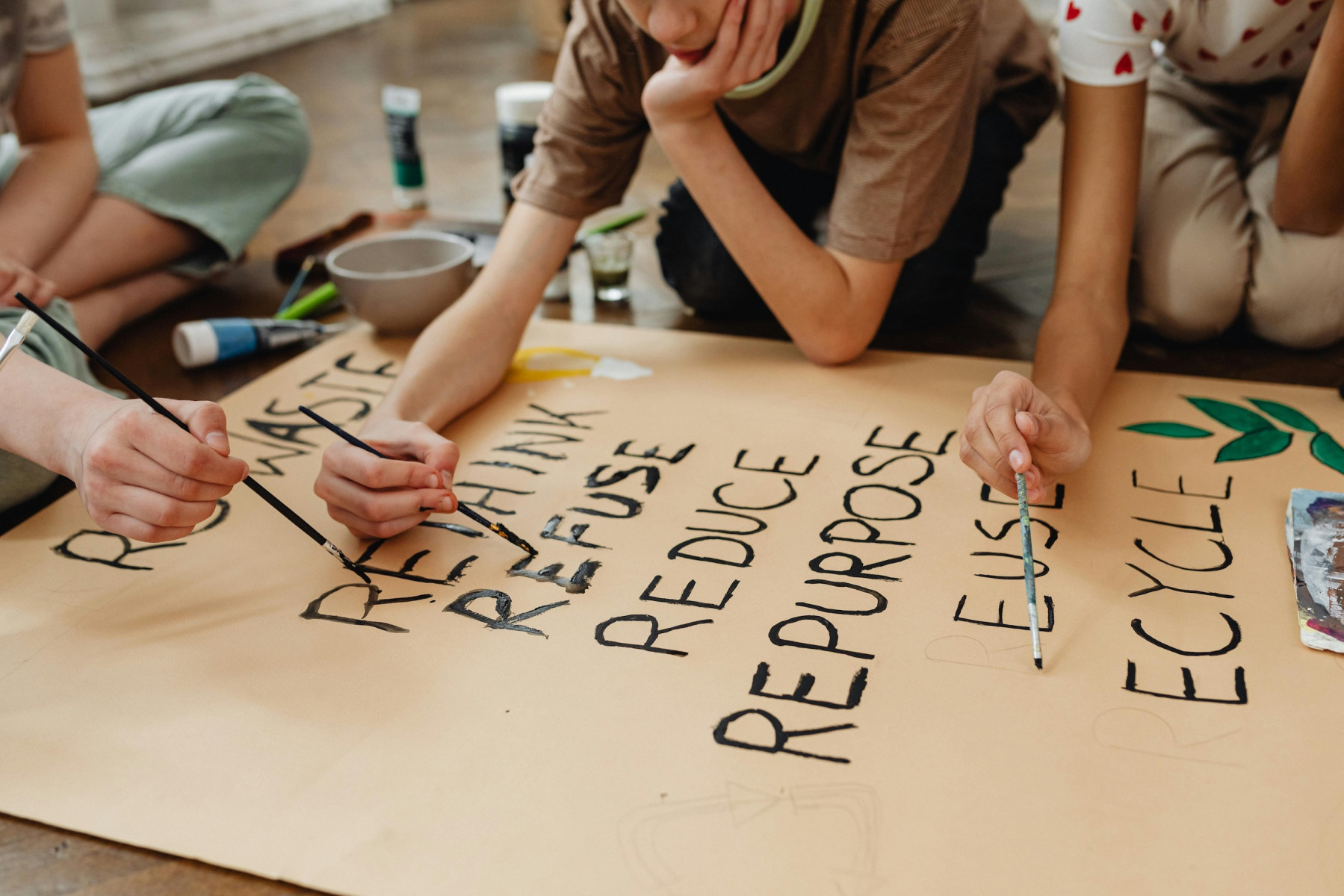
With the adoption of Agenda 2030, the United Nations established an ambitious roadmap intended to promote sustainable global development. At its core are the 17 Sustainable Development Goals (SDGs), which aim to promote social justice, economic stability, and environmental sustainability worldwide. The SDGs are designed for countries, companies, and individuals, encouraging collaborative action across borders.
Support from the tourism industry is an often underestimated but enormously effective lever for achieving these goals. It is one of the most important economic sectors worldwide and, according to the World Tourism Organization (UNWTO), has the potential to positively influence nearly all SDGs. Tourism can promote economic growth (SDG 8), create high-quality jobs, strengthen gender equality (SDG 5), advance education (SDG 4), and preserve cultural heritage and local products (SDGs 11 and 12). At the same time, tourism enables climate and environmental protection measures (SDGs 13 and 15) when resources are used consciously and natural spaces are protected.
Tourism can contribute – directly or indirectly – to all of the SDGs. It has the potential to spur inclusive economic growth, promote environmental sustainability, and foster intercultural understanding and peace.
World Tourism Organization (UNWTO)

Sustainable Accommodations Play a Key Role
Hotels and accommodation providers play a key role in this regard. As employers, service providers, purchasers, and users of local resources, they influence the social, economic, and environmental aspects of a destination. By investing in renewable energy, creating local value, training employees, and communicating sustainably with guests, they can contribute significantly to the implementation of global goals.
Green Pearls® Unique Places hotel partners have jointly committed to sustainable responsibility and provide an example of responsibility in action. While the individual members pursue their own sustainability strategies, they are often guided by the SDGs.

Green Visions for the Hotel Industry
For Green Pearls® partners, sustainability is more than just a marketing buzzword. It is a guiding principle and design standard that is becoming a hallmark of modern hospitality culture. The hotels below exemplify how the UN's sustainability goals can be put into practice and show that, for them, these are not just abstract guidelines but tools for real change.
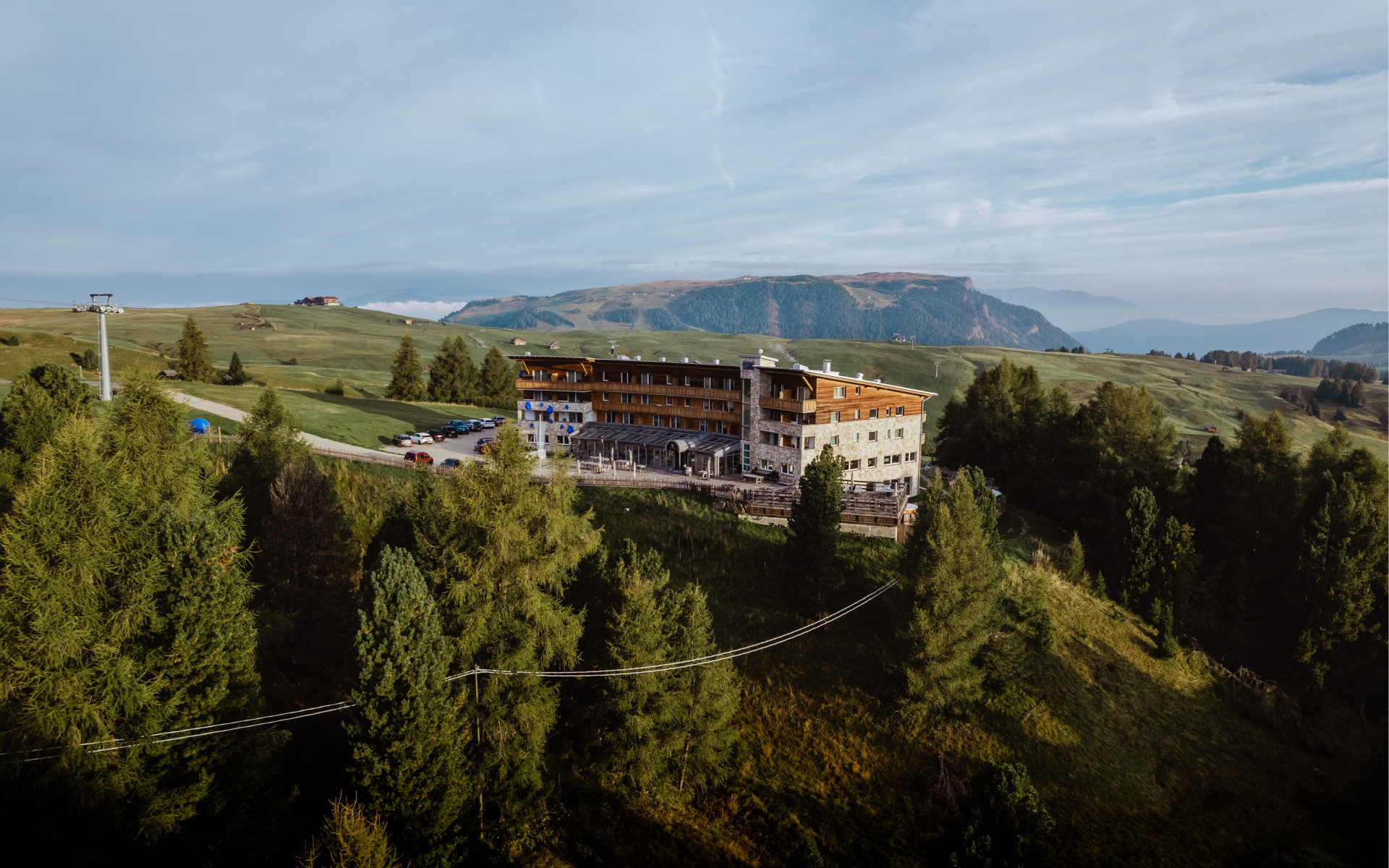
One notable example is the Paradiso Pure.Living Vegan Hotel on the Alpe di Siusi in South Tyrol. Since 2019, the hotel has consistently offered plant-based cuisine, and by the end of 2024, it had established itself as the first purely vegan hotel on the Seiser Alm. By doing so, the hotel specifically influences several SDGs, particularly sustainable consumption and production (Goal 12) and climate action (Goal 13). The reduced ecological footprint of plant-based cuisine is scientifically proven and can be experienced firsthand by guests.

Examining other Green Pearls® hotels reveals that many of the 17 goals are addressed individually, depending on the region, business, and philosophy. At the hotel My Arbor in South Tyrol, ecological and social sustainability are linked. The hotel's cooperation with regional producers, conscious avoidance of mass-produced goods, and use of natural building materials demonstrate a responsible approach to resources. At the same time, the hotel supports Climate Goal 13 with energy-efficient building concepts and renewable energies. Fair employment conditions, long-term prospects, and targeted further training also make sustainability a social promise here.
It is an ongoing process, and we will continue to optimize our strategies and actions.
Alexandra Huber, Hotel My Arbor

The Hotel Weihrerhof in Ritten is a prime example of technical innovations driving sustainable development. Its modern heating systems, water-saving measures, and solar technology protect resources and help preserve the environment. The hotel shows that even small hotels can make measurable ecological progress through strategic investments.

While some hotels focus on technical or conceptual aspects, the SCHWARZWALD PANOAMA has deeply embedded sustainability into its corporate structure. With a 90% GreenSign certification score, the hotel is a model for energy-efficient construction, climate-friendly operations, and the development of sustainable cities and communities. These efforts are further bolstered by social initiatives and transparent reporting, such as the WIN Charter Baden-Württemberg and the German Sustainability Code.

The Lifestylehotel SAND on the Baltic Sea is also taking a forward-looking approach. Through the “SDG Scouts” project, young employees are actively involved in developing new sustainability ideas. Special training courses enable these employees to independently implement projects and act as ambassadors for the 17 goals. Through this project, the hotel primarily addresses Goals 4 and 16, "Quality Education" and "Strong Institutions and Participatory Processes," respectively. These young professionals become multipliers of a new corporate culture, demonstrating that sustainable change can succeed when people have a say.
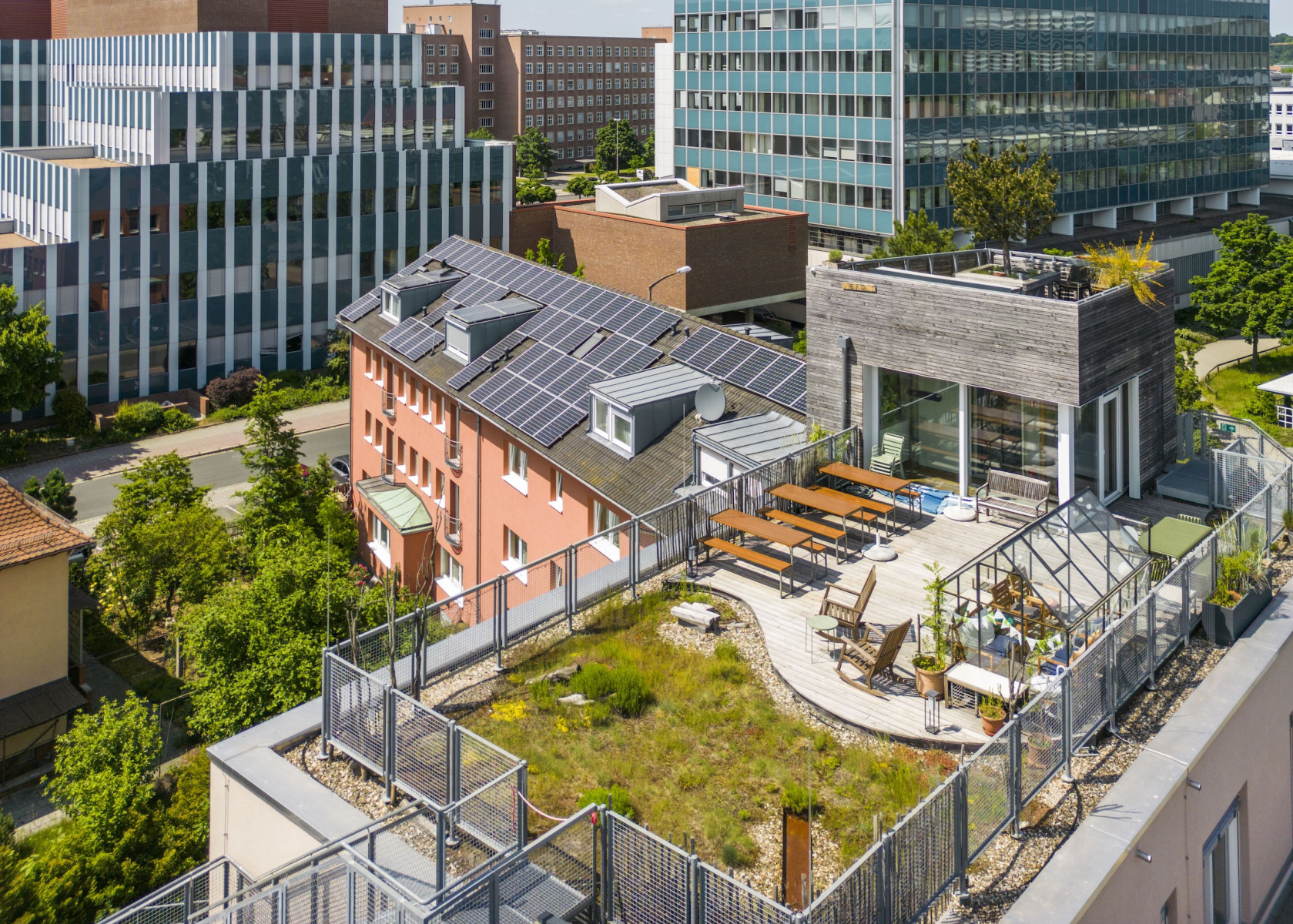
The Hotel Luise in Erlangen goes beyond traditional measures as well. Its “Wall of Change” showcases projects that are specifically linked to the 2030 Agenda. Here, SDGs 4, 13, and 17 are implemented through educational offerings, consistent climate protection in everyday operations, and cooperation with regional and international partners. Additionally, the hotel incorporates the Inner Development Goals (IDGs), which promote personal skills such as mindfulness, empathy, and responsibility. This creates a bridge between external transformation processes and the inner attitude that enables their success.
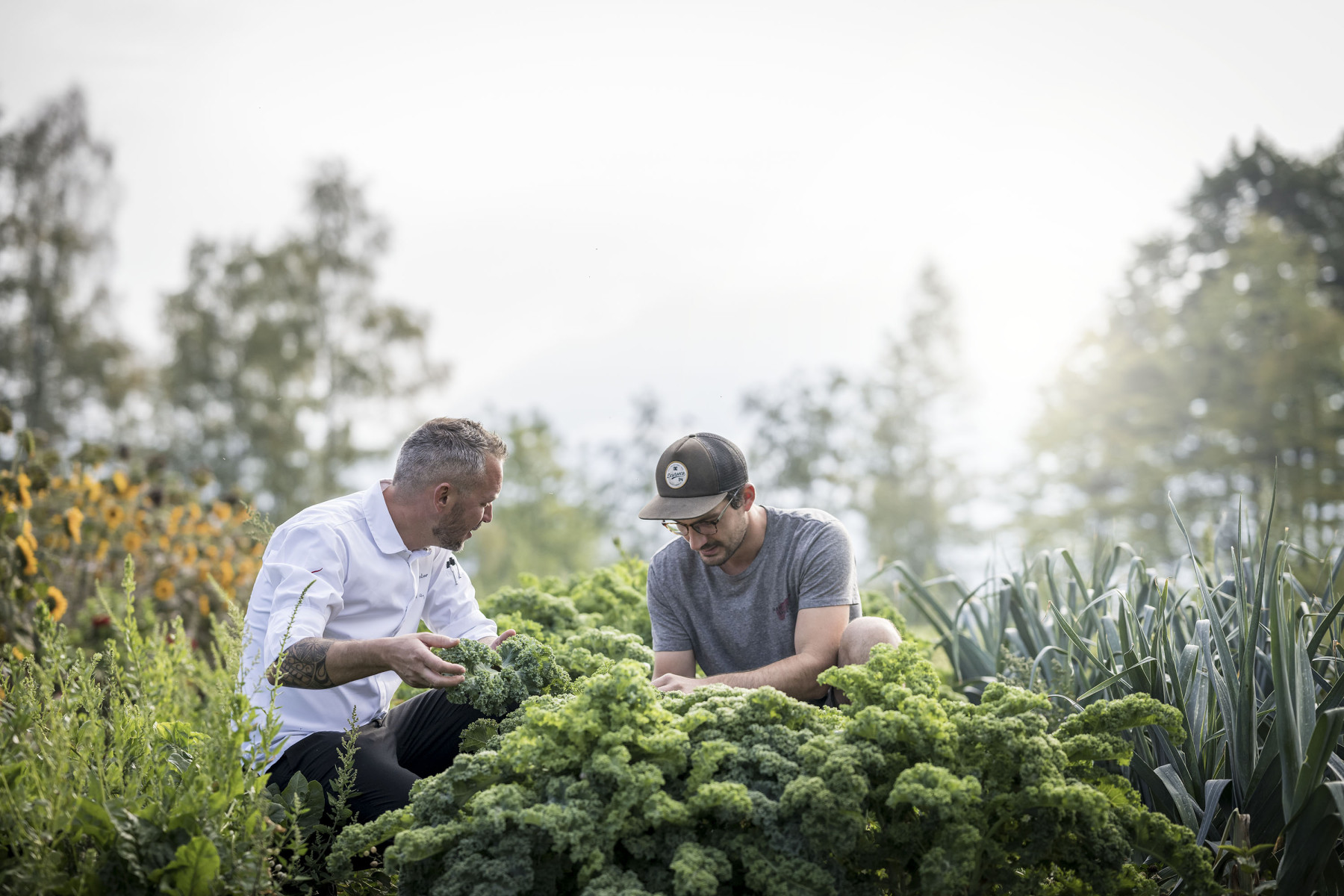
The “ADLER for Planet” sustainability program is implemented in all ADLER Spa Resorts & Lodges and covers a wide range of topics, from promoting biodiversity (Goal 15) to preventing waste and using renewable energies (Goal 7). Particular emphasis is placed on resource-efficient water management and the sustainable procurement of regional and seasonal products. Transparency is central to the program: progress is regularly published and made visible to guests and employees alike. ADLER for Planet is also committed to social responsibility through fair working conditions and environmental education.

The Naturresort Gerbehof on Lake Constance pursues a consistent sustainability policy that, while not explicitly linked to the SDGs, is consistent with many of them. Thanks to a photovoltaic system and miscanthus cultivation for hot water, the hotel is energy-self-sufficient and efficiently supplies itself with water from its own sources and cisterns. The Economy for the Common Good (ECG) balance sheet transparently documents the resort's ethical, social, and ecological commitment. Additionally, the resort's sustainable orientation emphasizes health: special offers promote the well-being and mental and physical health of guests.
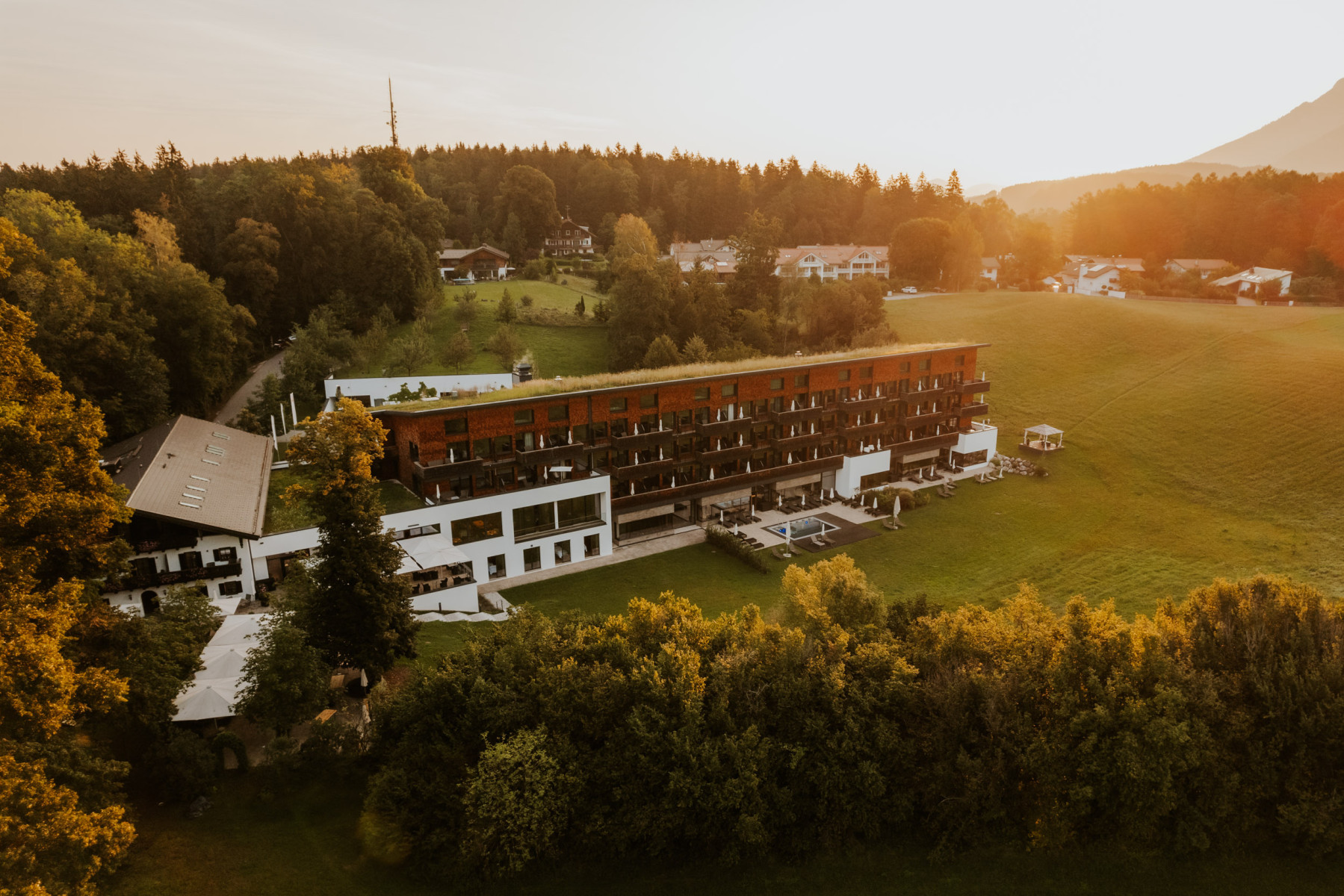
The Klosterhof – Alpine Hideaway & Spa in Bavaria is a pioneer in sustainable hospitality. As the first German hotel to receive the EU Ecolabel, it meets numerous standards closely aligned with the SDGs. Long-term partnerships, ecological architecture, and forward-looking resource management exemplify the hotel's commitment to ecological, social, and economic sustainability. Energy-efficient building technology, renewable energies, and a comprehensive waste prevention strategy are just as much a part of this concept as sourcing regional food and supporting social projects, such as mountain rescue services. Thus, the Klosterhof combines environmental awareness with social commitment and economic responsibility.
Taking Responsibility – For a Better Future in Tourism
The examples demonstrate that the individual sustainability measures implemented by Green Pearls® accommodations actively promote sustainable global development. From climate protection to fair working conditions to local value creation, each hotel is doing its part to ensure a better future. The SDGs are not just a checklist; they are a guide and motivation to question existing processes, implement new ideas, and live up to our responsibilities consciously.
All properties share the understanding that sustainable development means more than just being environmentally friendly. It encompasses a mindful approach to people, resources, energy, and knowledge. It also proves that the 17 global goals are not just for discussion at the government level but can be put into practice. In the kitchen. In architecture. In the team. It is also evident in every conversation with guests who want to make a difference.