

Who is Responsible for Preventing Tourism from Becoming more Sustainable?

Many people are concerned about sustainability in tourism, yet this issue is often overshadowed by sun loungers and hotel buffets.
Tourism is one of the largest and fastest-growing industries worldwide. Despite growing awareness of environmental and climate protection, however, the tourism industry often falls short of sustainability expectations. Many people claim they want to travel more sustainably, but the reality looks different: the number of air trips is increasing, CO₂ offsetting is controversial, and sustainable booking options are rarely used, even when available. But is it solely the travelers' fault? Are there too few sustainable providers and accommodations? Or is it a structural and political problem? Who is to blame for the lack of sustainability in tourism?
Desire and Reality – a Growing Discrepancy
In 2024, the number of people traveling for stays of five days or more reached an all-time high of over 56 million. Similarly, vacation travel spending rose to a record high of over €90 billion. A total of 68 million extended trips were recorded, with foreign destinations accounting for 76% of the market and remaining the most popular. Meanwhile, the 2024 FUR Travel Analysis (funded by the German Federal Ministry for the Environment) reveals a growing awareness of sustainable travel:
- Forty-eight percent of Germans want environmentally friendly offerings.
- Sixty-two percent value socially responsible experiences..
There is a significant discrepancy between these claims and actual behavior:
- Only 11% of booked trips were for offers with a sustainability label.
- CO₂ compensation was used for just 5% of trips.
- Sustainability was the decisive factor in only three percent of cases.
- Air travel reached a new high in 2023, accounting for 47% of trips.
- More environmentally friendly alternatives, such as rail and bus travel, accounted for a combined total of four billion kilometers traveled. In contrast, people traveled over 95 billion kilometers by air.
Responsibility is Multifaceted
One thing is certain: sustainable tourism will not fail because of one entity. The system is too complex, with many decision-makers and factors influencing it: tourism companies, guests, political guidelines, and industrial practices. In this newsletter, we explore the issue of responsibility from various perspectives and feature insights from the Green Pearls® accommodation network.
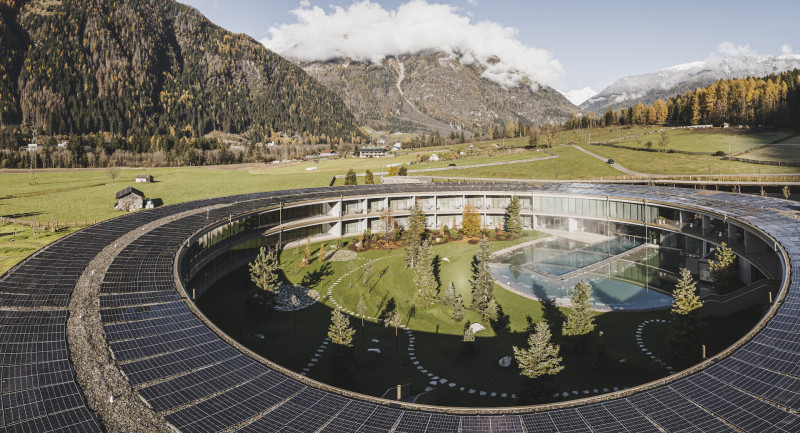
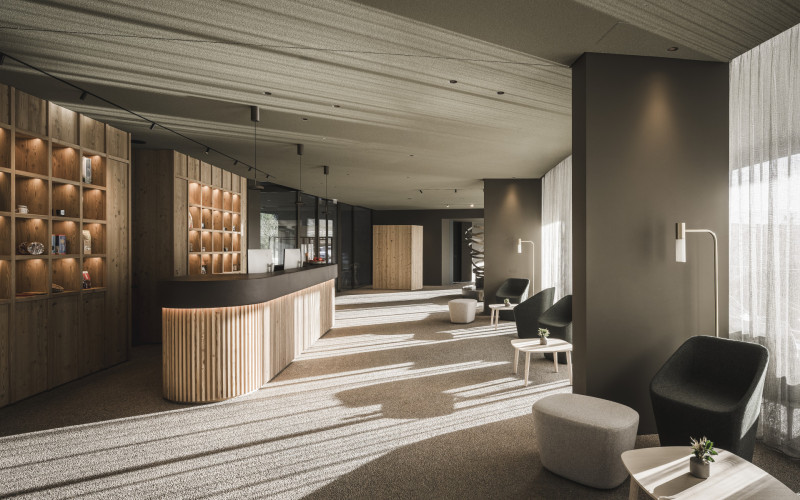


Providers – between Ambition and Adaptation
Although tour operators and hoteliers are aware of their responsibility, the pressure to survive economically remains high. Alexandra Huber, the owner and managing director of Hotel My Arbor in Brixen, South Tyrol, sums it up: "Tourism companies have a great responsibility. Economic pressure or the expectation of high profits often prevents the full implementation of sustainable measures.” Christian Lechner from OLM Nature Escape sees differences in hoteliers' attitudes: "Some entrepreneurs develop sustainable offerings with conviction, while others only offer what the majority demands. Unfortunately, the latter still dominates." José Koechlin, founder of Inkaterra Hotels in Peru, points to structural weaknesses.
There is a lack of clear guidelines and incentives. Sustainability can no longer be optional. We believe in shared responsibility and have demonstrated for nearly fifty years that nature-based tourism and comfort are not mutually exclusive.
José Koechlin, Founder of the Inkaterra Hotels Peru



Hotels that are sustainably managed, such as those in the Green Pearls® network, benefit from a positive perception of sustainability because they are seen as responsible, forward-thinking, and innovative. This enhances their profile and gives them a competitive advantage. However, without binding guidelines, greater demand from travelers, and targeted incentives, sustainable tourism will remain an ideal for a select few rather than a widespread reality.
Politics: Full of Potential, but Lacking Effectiveness
A study conducted by Booking.com in 2025 found that 36 percent of German travelers believe the government has the greatest potential to mitigate the negative effects of travel. Additionally, 43 percent believe that travel service providers can contribute to environmental protection through concrete measures. However, binding regulations are largely lacking. Stefan Bode, the managing director of SCHWARZWALD PANORAMA, calls for significantly more initiative: "Politicians must create a framework and promote innovation; otherwise, sustainable tourism will remain a niche topic." Alexandra Huber of My Arbor shares this view, advocating for clear legal requirements, subsidies, and targeted programs.
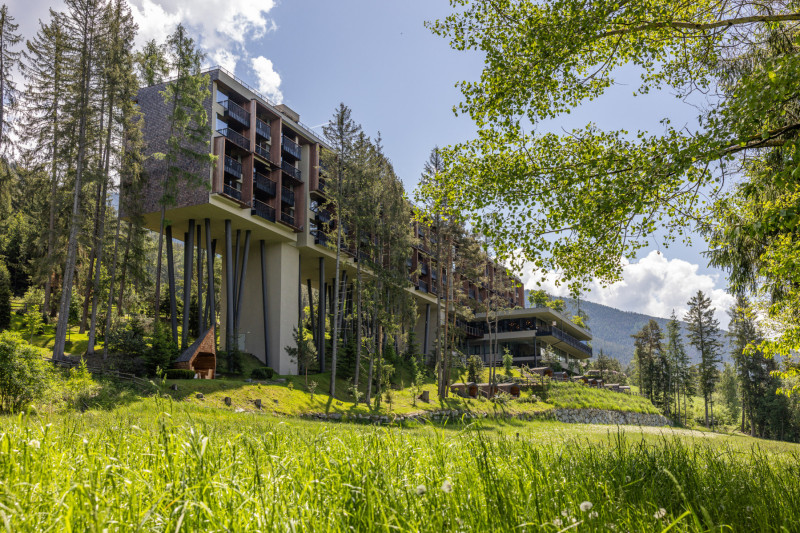
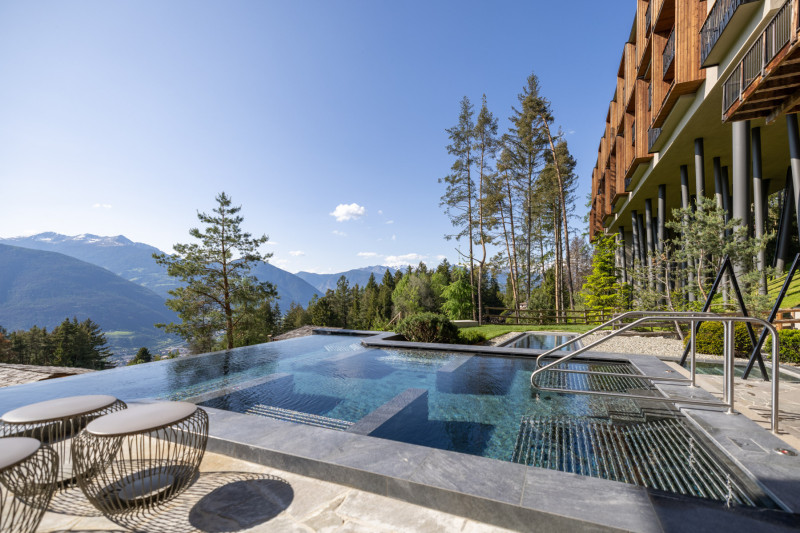
Although politicians can promote sustainable tourism development, there is a lack of consistent implementation. Despite growing expectations and demands, clear guidelines, financial incentives, and strategic control are still lacking.
Travelers – Well-Intentioned, but Inconsistent Actions
Many people want to travel sustainably, but still book conventional products or fail to offset their carbon emissions. There is a lack of simple, credible, and understandable offers, as well as a lack of confidence that their actions will make a difference. According to the Booking.com study, 59% of respondents said they wanted to travel sustainably. However, upon further inspection, it becomes clear that sustainability was the deciding factor for only 4% of those who booked – a significant discrepancy.
Additionally, 27% of respondents believe that climate change is irreversible and their decision will not make a difference. Another 27% consider the threat of climate change to be less serious. Rising costs further push sustainability down the agenda: 72% say price has the greatest influence on their travel plans.


Ursula Wagner from Naturresort Gerbehof points out this double standard: "Many people promote sustainability, but then fly off on vacation anyway. They put their values on hold." Alexandra Huber (My Arbor) also encourages travelers to consciously choose sustainable options, even if it means paying higher prices.
Although awareness exists, travelers are often inconsistent when making concrete decisions. Greenwashing, higher prices in some cases, and a lack of clear, straightforward options are slowing down implementation due to a lack of trust. For sustainable tourism to be more than just lip service, there need to be better offers and clear, comprehensible communication of these offers. Travelers also need to be willing to question their individual comfort zones.
Greenwashing in the Small Print
Another obstacle is the lack of transparency. There are over 200 different sustainability labels in the tourism industry worldwide that take a wide variety of criteria into account. Many providers advertise superficial "green measures" without implementing any substantial changes, a practice known as greenwashing. Stefan Bode (SCHWARZWALD PANORAMA) warns, "Progress is being hampered by greenwashing. Travelers lose trust and can no longer recognize genuine sustainability." According to Booking.com, 64% of travelers want uniform sustainability certifications across all booking portals. It must become easier to book sustainably.


Hope and Chances: Change is Possible
Despite the challenges, the latest Booking.com study shows that an increasing number of travelers are having positive experiences with sustainable offerings and discovering new perspectives. Travelers feel like the “best version of themselves” when they travel sustainably, value authentic and local activities, prefer to get around on foot, by bike, or via public transportation, and are even inspired by sustainable measures taken on vacation to improve their everyday lives. These figures are encouraging. Sustainability on vacation is not about sacrifice; it is an opportunity to travel more consciously and enrichingly.

Shared Responsibility – No One to Blame, Many Involved
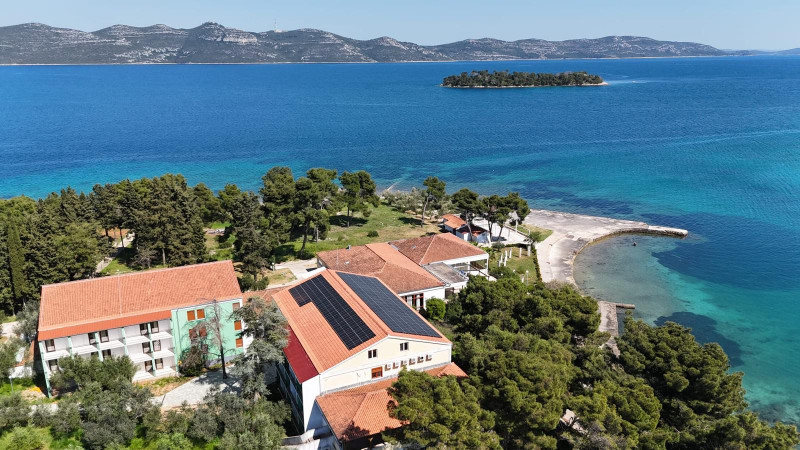
Individuals cannot achieve sustainable tourism on their own. This attitude is clearly expressed by the Hotel Korinjak in Croatia.
Tourism must continue to evolve, and this responsibility lies with everyone involved. We believe it is shared by tour operators, hotel staff, hosts, and travelers. Our goal is to be part of the solution by providing information, setting an example, and encouraging our guests to treat nature with care and respect.
Ana Grzincic, Hotel Korinjak
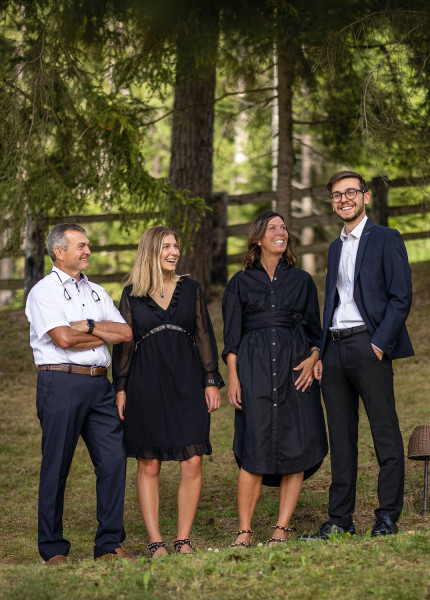
The Spiss family, owners of Summit Lodges Pfunds, shares this sentiment: "Consumers and businesses are equally responsible." Marion Müller, owner of Lifestylehotel SAND, adds that her hotel serves as a role model: "We are creating a microcosm that aims to inspire guests, communities, and the industry. We want to educate through transparency, communication, and our standards.“
Many businesses and initiatives are already promoting a new form of travel, demonstrating that sustainable tourism is more than a passing trend—it's a shared responsibility with a future. However, a level playing field requires legal frameworks, targeted support, and mandatory labeling of sustainable offerings.


However, the industry itself can contribute greatly as well: when sustainable options are visible, tangible, and easily accessible, they provide a decisive impetus. Courageous pioneers who embrace sustainability as a way of life are setting new standards in this area. Green Pearls® supports these pioneers by providing clear sustainability criteria and working with its partners to promote greater transparency. Only through cooperation and joint commitment can change succeed. Sustainability in tourism should not be relegated to the fine print, rather, it should become a visible and tangible standard. This does not require assigning blame, but it does require actors who take responsibility.