

Sustainability Communication in Tourism – Why it is Important and What it Can Look Like

Sustainability is a word that has lost some of its clarity. Everything can be sustainable and certainly can be described as such. However, the explosive use of the word, also in tourism, has led to one thing in particular: Travelers no longer believe the statement “We are sustainable.”
The Importance of Authentic Communication of Sustainability
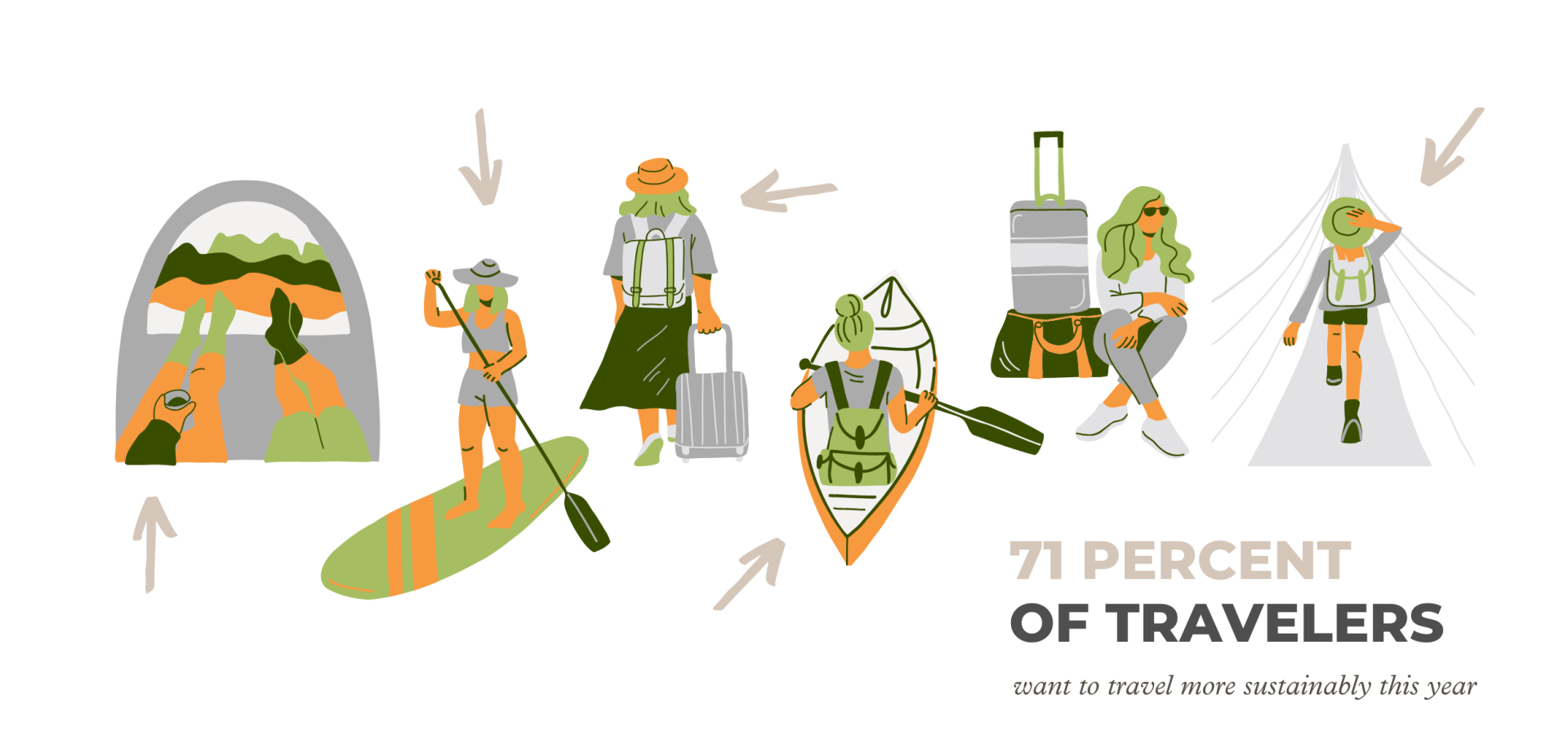
According to a consumer survey from 2021, every second German has already changed his or her behavior or is willing to do so for sustainability reasons. This is also confirmed by booking.com's sustainability report: More than two-thirds of travelers want to travel more sustainably and 38% even actively search for information about accommodation and activities as well as their sustainable initiatives.
This is where honest and authentic sustainability communication comes into play. The goal is not only to communicate the initiatives and commitment of the accommodation in an understandable way, but also to back them up with facts and figures and make them credible.
Greenwashing in Tourism
One reason why almost half of the consumers in a study by the Capgemini Research Institute say they do not believe sustainability promises is because of so-called greenwashing. This is where consumers/travelers are deliberately misled with inaccurate or false marketing claims. In the travel industry, one detail is often overemphasized for this purpose (popular: the beehive on the roof), while the rest of the business is run conventionally and unsustainably.
How to Communicate Sustainability in Tourism?
Responsible sustainability communication is authentic, transparent and honest. It not only shows what has been achieved but also the path to get there as well as future visions and plans. Most importantly, it is verifiable. In practice, sustainability communication can take different forms.

Examples from sustainable hotels and accommodation of the Green Pearls® network
Online Communication
Even before choosing a sustainable hotel, travelers are increasingly searching for information on the sustainable initiatives of their favorite destinations. It is a good idea to set up a sub-page on your own homepage. The goal of the page should not be a mere listing of activities, but to provide an outline of the journey taken to sustainable accommodation.

A website alone is not enough for the Berghotel Rehlegg. The team openly communicates its ecological and social philosophy on the web, in social media and in interviews.
At the CERVO Mountain Resort in Zermatt, the hotel's own sustainability is not only showcased on their website but also via social media channels. In addition, the luxurious hotel relies on events such as the Sustainable Day in Zermatt and panels at its own A Love Beyond Festival. Since spring, there has also been a sustainability ambassador in each department. This allows them to explore the potential for improvement and encourages a regular exchange of ideas.
In addition to tangible and visible measures (e.g. compostable coffee capsules or encouragement to opt out of room cleaning), Hotel Das Rübezahl informs guests about sustainability measures in the boutique hotel in the daily "Morgenpost" (on recycled paper, of course). The team also addresses the topic again and again on booking confirmations and in blog posts.
Online, but also directly in the hotel, the Pichler family of the Weihrerhof provides their guests with information about their sustainability mission. Notices and signs not only provide a wealth of useful information, for example about the combined heat and power plant but also encourage guests to change their own behavior, for example by pointing out that towels can be used more than once.
Reviews and Reports
An important component of sustainability communication is verifiability. Too many fancy words tend to arouse distrust among interested parties and guests, and the suspicion of greenwashing arises.

Most sustainable hotels and accommodations counteract this with reports and transparent media coverage. The Naturhotel Outside is currently developing a new sustainability report. The last one, from the year 2020, lists the various types of consumption of the East Tyrolean hotel as well as individual measures that have been achieved and those that are planned.
Sustainability reports can also be prepared by third parties. The SCHWARZWALD PANORAMA in Bad Herrenalb relies on two standards at once: the German Sustainability Code and the Baden-Württemberg WIN! Charter. The annual CO2 balance is determined in cooperation with Climate Partner. All certificates can be viewed in the hotel lobby or on the website.
The Black Forest Hotel likes to take its guests with them on their own journey and, for example, shows sustainable projects, upcycling products and awards on social media. There is also the option of climate-neutral stays, celebrations and meetings at the SCHWARZWALD PANORAMA. The special offers also generate awareness for sustainable tourism.
Physical Communication in the Hotel
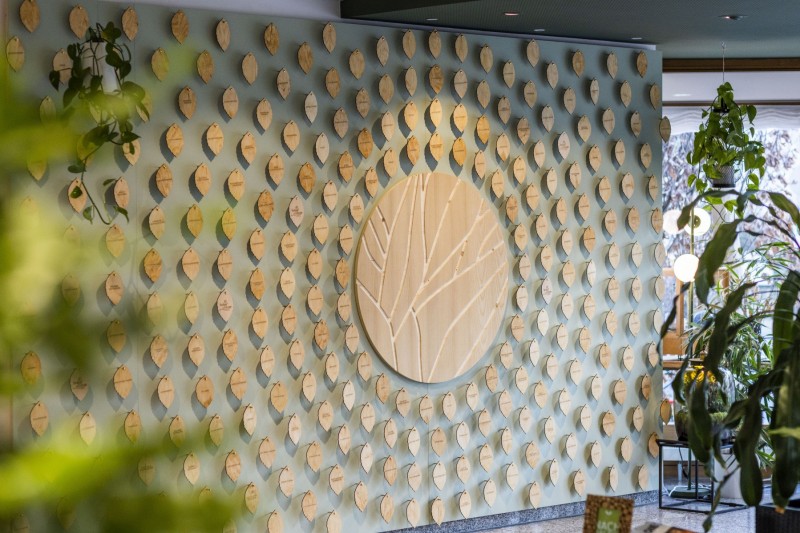
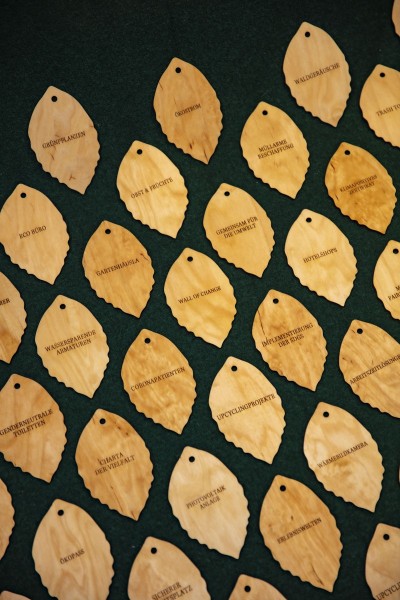
In addition to digital communication, some Green Pearls® partners also rely on a physical representation of their commitment that goes beyond brochures or flyers. At the beginning of the year, for example, the Wall of Change was created in the entrance area of the Creativhote Luise in Erlangen (We previously featured it here). Here, the hotel's more than 200 large and small sustainability measures are displayed engraved on wooden sheets.
The Hotel Klosterbräu in Seefeld has taken the Wall of Change as an example and is planning its own interactive wall. It will be three-dimensional and take guests along on the path to climate neutrality, as well as providing regular updates on progress.
Conversations with Guests and Being a Role Model
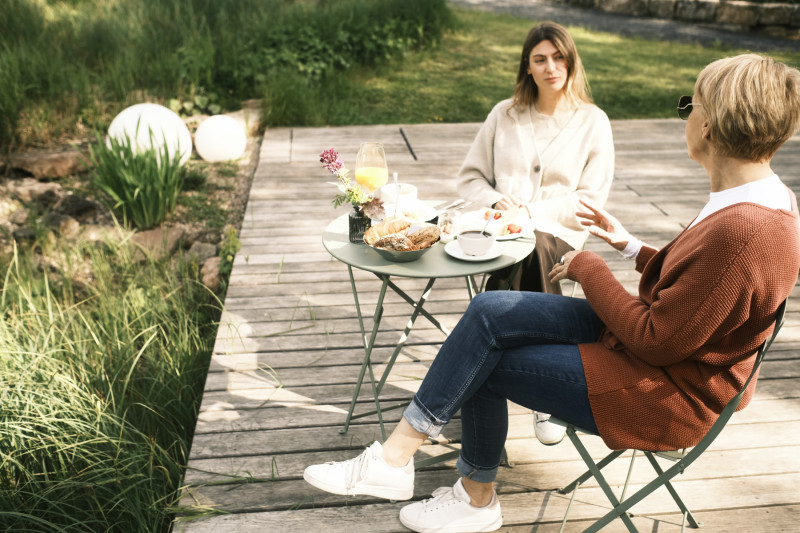
Especially in tourism, hardly anything beats direct communication with the guests. Of course, this only takes place once a booking has been made. Nevertheless, it is a valuable instrument to sensitise guests and to inspire sustainable choices.
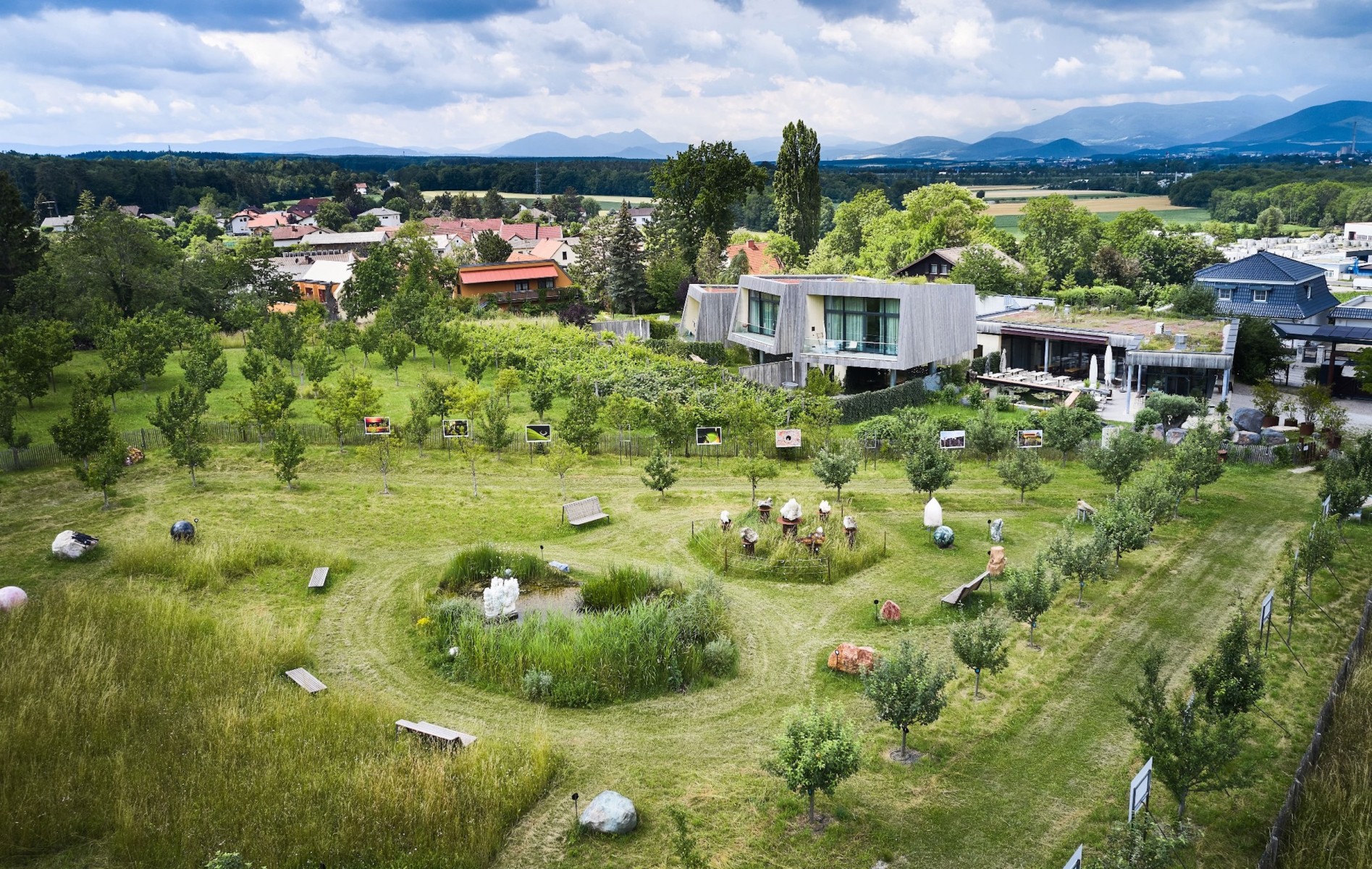
The Naturgut Guntrams has found a special approach and launched a photo competition under the slogan "Beauty of Diversity". The aim is to capture the biodiversity of the region and to encourage visitors to be conscious of even the little things. In addition, guided tours for guests through the organic herb and vegetable garden and across the orchards have proven to be a good communication opportunity.
At the HUBERTUS Mountain Refugio in Balderschwang in the Allgäu, it is the hotel excursions with the hosts Karl and Marc Traubel that repeatedly stimulate conversations about sustainability. Guests can sign up for these as part of the activity program.
Sustainability is a topic right from check-in at the Keemala in Thailand. During the first guided tour through the luxurious jungle resort, the team explains the sustainable LIFE cycle philosophy to the guests and also points out special features regarding the architecture, the use of water and the avoidance of plastic.
Direct communication with the guests has the advantage of creating a sense that sustainability is a matter of the heart and not just lip service. This is another reason why it is extremely important for the entire STURM team. Besides brochures and the welcome booklet, it is primarily the conversations with the guests and actively living their own philosophy that authentically conveys the hotel's sustainability mission.
Participate in Projects
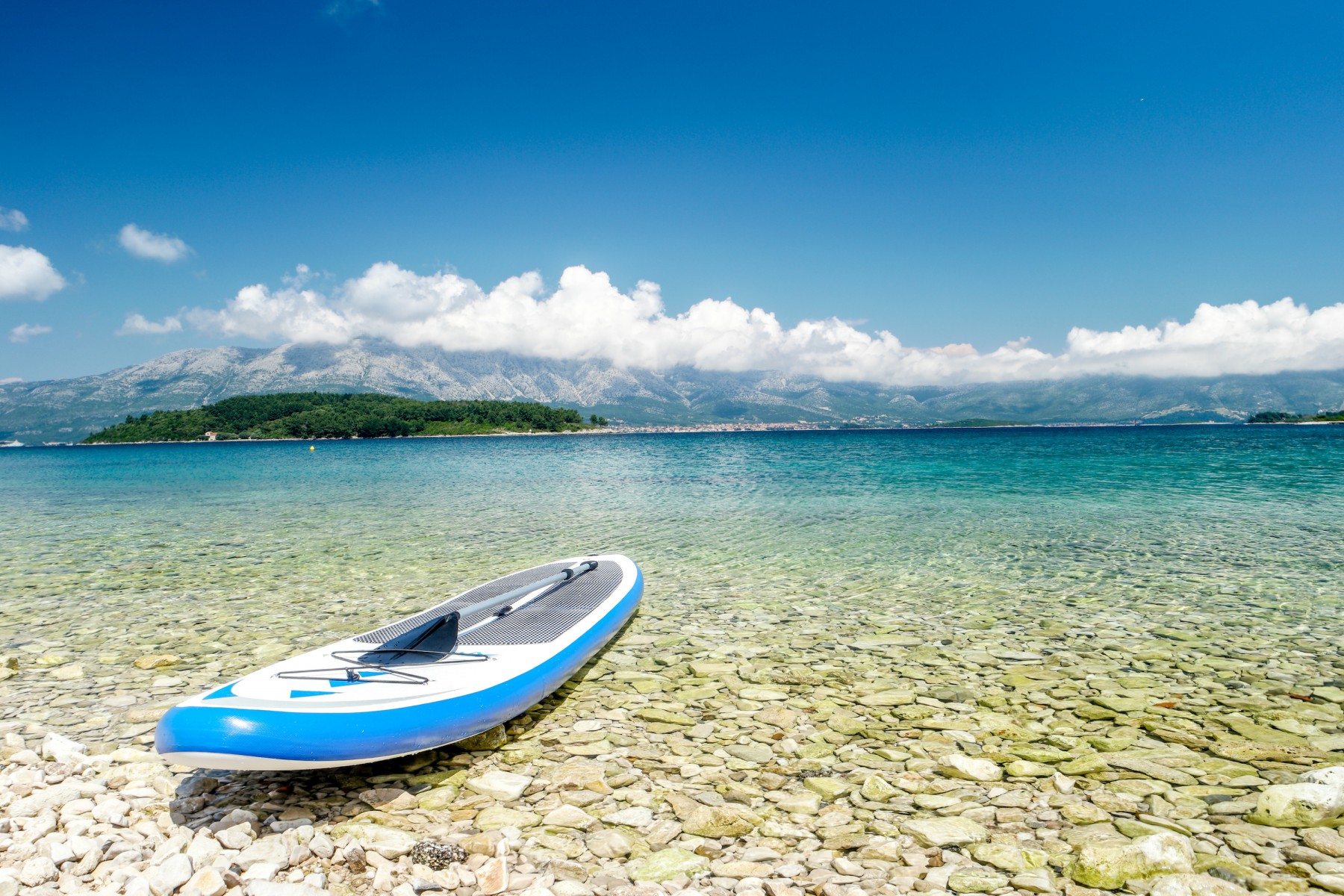
The Croatian Eco Aparthotel The Dreamer's Club on Korcula communicates its passion and commitment to sustainable tourism actively and with the involvement of its guests. For example, guests can take part in a free boat tour to the uninhabited islands - provided they help clean up the beaches of these islands at the same time. The Dreamer's Club team also encourages people to clean the unspoiled beaches of Korcula from rubbish. The aparthotel offers a drink at the bar for every full bag of rubbish brought in. In this way, guests will not only actively participate in shaping sustainable tourism, but also make connections with each other and preserve the beauty of the planet together.
Communicating sustainability, like any form of communication, is complex. Even though we have highlighted some of the various possibilities in this newsletter, in the end it is always a combination of communicating the initiatives in a credible way that will convince and inspire guests.