

Sustainability from start to finish in the supply chains of Green Pearls® accommodations

Where does the food come from? How did the furniture get here? Where were the sheets made? Hotel guests are asking these questions more and more. Questions about supply chains, manufacturers and production sites. People are making more conscious choices, looking more closely at a product, a company or a hotel, its history and philosophy. The Green Pearls® partners have also noticed this and are happy to answer any questions.
The Problem with Supply Chains
Let's start with supply chains, though. It is not just about where the food comes from, but also who was involved. Where does cotton or linen for the bed sheets come from, where do the seeds, fertilizers, and animal feed come from, where was the wood for the furniture cut and, above all, who worked there and under what conditions?

The longer a supply chain is and the more stages it has, the more difficult it becomes to track and monitor from start to finish. Nevertheless, this is precisely the responsibility of hotels and businesses. Therefore, until the beginning of the year, there was a voluntary due diligence program in place for companies in Germany. This was made more rigorous and mandatory with the Supply Chain Act, which came into force in January.
Initially, it will only affect the 700 or so companies with more than 3,000 employees in Germany. From 2024, it will also apply to companies with only 1,000 employees. The law obliges companies to take their responsibility for respecting human rights seriously, not only on their own premises but also where suppliers and producers are concerned. In addition, companies must establish a risk management system to minimize and prevent not only human rights violations but also environmental damage, as well as a complaints procedure. Workers from supplier factories can then more easily report human rights violations and receive compensation.
Regional or In-House Production – This is how Green Pearls® accommodations ensure sustainability throughout the supply chain
Most sustainably operating companies and hotels, however, do not need this law to fulfill their duty of care. No matter how large they are and how many employees they employ, transparent supply chains, direct contact with manufacturers, and short transport routes are deeply embedded in the philosophy and day-to-day operations of many of them.
The Green Pearls® criteria also include keeping an eye on one's own supply chains and keeping them as short as possible. The shorter the supply chain, the easier it is to monitor it and report possible damage to the environment or human rights violations. And it's better for the environment, too. The methods for such reductions are as diverse as the Green Pearls® businesses themselves. Here we showcase a select few of them.
Farm to Table: It does not get closer than this
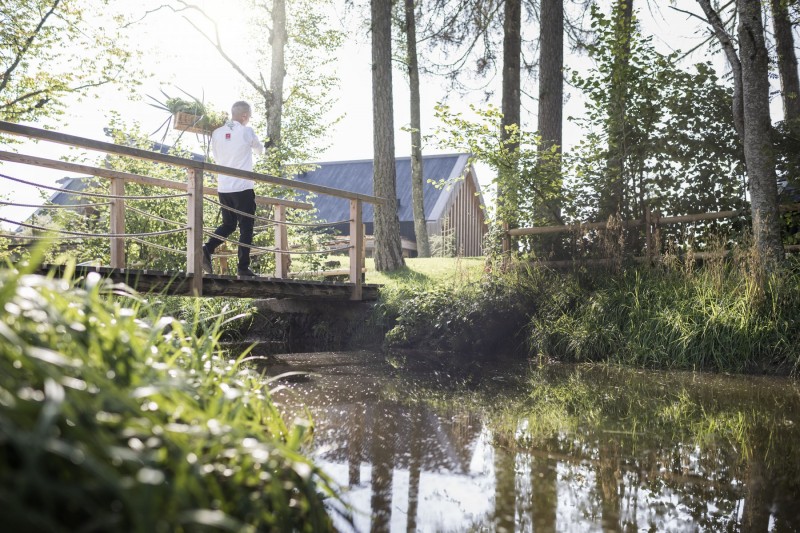
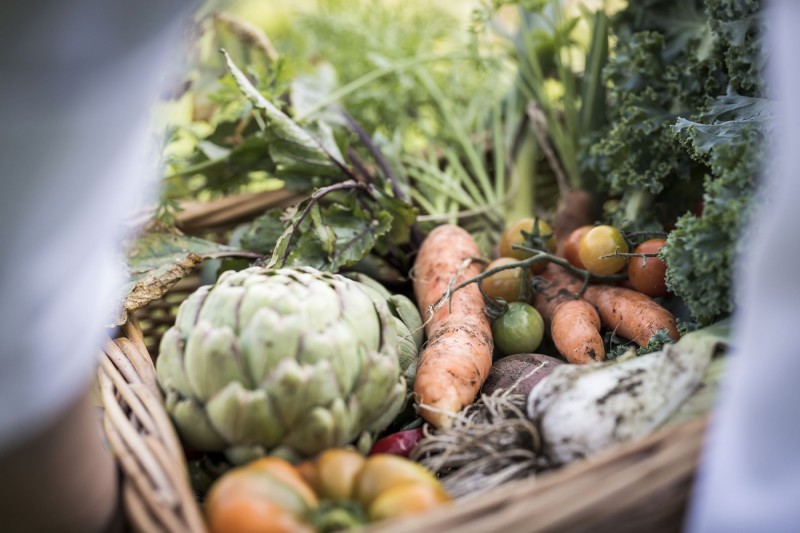
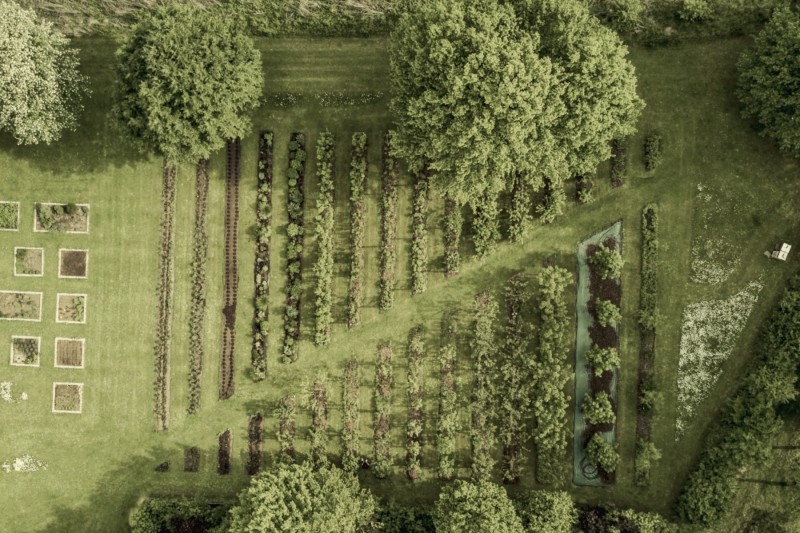
When Hannes Pignater, head chef at ADLER Lodge RITTEN, needs a few more tomatoes or a bunch of fresh herbs, he simply steps outside the kitchen door. In a large farmer's garden, vegetables, herbs, and, to some extent, even grains grow and flourish. Planted close to nature so that it serves as food not only for people but also for insects, it provides the hotel kitchen with the freshest ingredients possible. Everything that cannot be grown or produced by the hotel itself comes from regional partners, usually even from within the neighborhood. Guests can recognize these products by the Regional Partner label, which ADLER Lodge RITTEN introduced on its menus last year.
Further south in Italy, the historic and lovingly restored A' Cràpa Mangia estate also produces its own products such as olive oil, jams, or chutneys. Guests can purchase these products in the farm bar and take them home as souvenirs or enjoy them directly on-site on their own terrace. The team at A' Cràpa Mangia is also happy to reveal where guests can find more local products and recommend authentic and sustainable restaurants in the area.
At Naturresort Gerbehof, much of the produce comes from the farm's own certified organic agriculture and apple orchard. Guests can take a walk around the grounds and see exactly where the apples come from that are used to make the morning juice, for example. And in the fall the trailers with the organic fruit roll right past the farm's driveway.

(Organic) Certifications for Suppliers and Producers
The SCHWARZWALD PANORAMA in Bad Herrenalb has been awarded the Bioland GOLD certification and partners only with certified organic farms, which do not use synthetic pesticides and fertilizers, keep animals in a manner appropriate to their species, and operate in a sustainable manner. In their own kitchens, too, food is handled with care and prepared gently. The SCHWARZWALD PANORAMA communicates all this to its guests transparently and honestly. Recently, it has also started to show the CO2 emissions generated in the production and preparation of each creation on the menu.
The sustainable hotel also relied on traceable supply chains and a conscious choice of materials when renovating the apartments. You can read more about this soon in our newsletter.
The products that end up on each plate at STURM travel a maximum of 150 kilometers. But it is not only regionality that is important to the owner family Schulze-Dieckhoff. As a 100% certified organic hotel and member of the Slow Food movement, organic quality and seasonality are also high on the list. They know most of the suppliers personally and are in constant contact with them. The short distances and the cooperative relationship also ensure that animal welfare is taken into account, especially with animal products.
In some cases, real friendships have even developed, so that employee outings, Christmas parties, and summer celebrations are directly linked to a visit to the brewery, the coffee roasting plant, or other businesses. In this way, the employees also get to know the partner companies and can then answer any questions the guests may have about the local products.
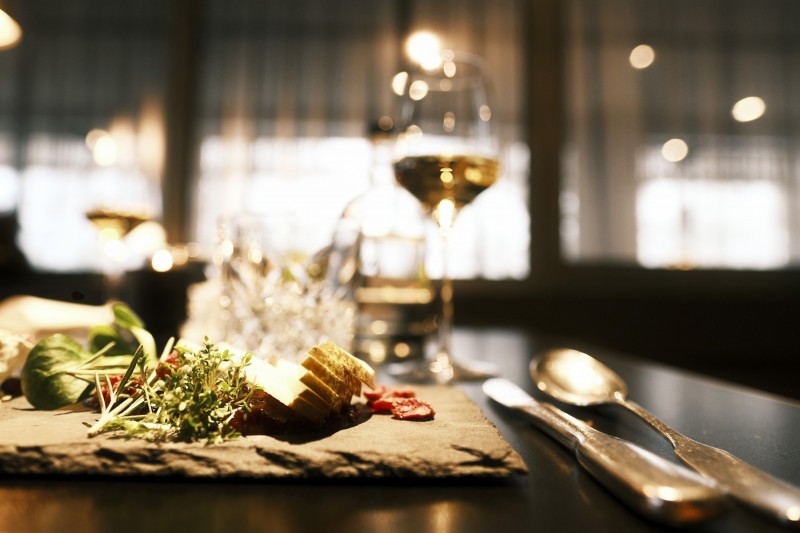
Thanks to the open kitchen concept in Restaurant Otto|s, communication with the guests takes center stage anyway. Transparency and openness are the order of the day; individual ingredients, information on the origin, and uncertainties are clarified in direct conversation with the kitchen team. Time and again, guests take advantage of the opportunity to speak directly with the producer, so they can stop by and stock up on bread or cheese for home.
Regional Purchasing with Long-Term Partners
Solid, long-term partnerships are also important to the HUBERTUS Mountain Refugio. At the same time, the sustainable hotel of the Traubel family consciously supports the region and smaller, local businesses by featuring their suppliers on their website.
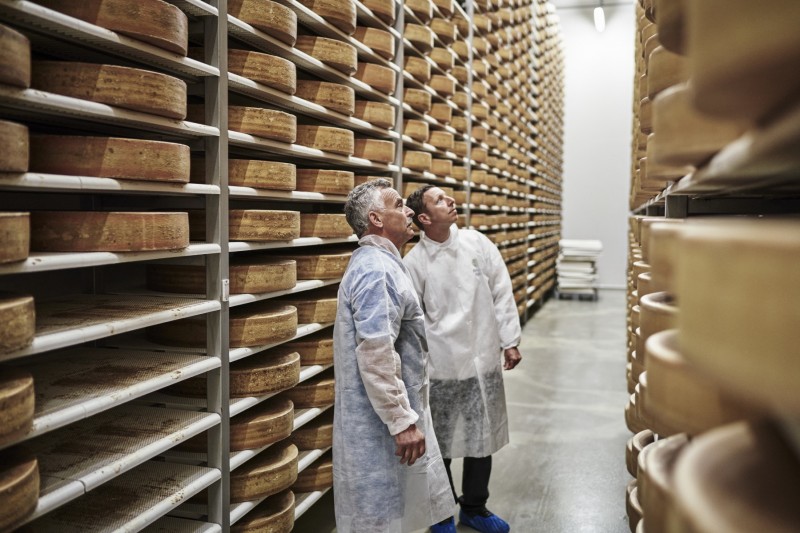
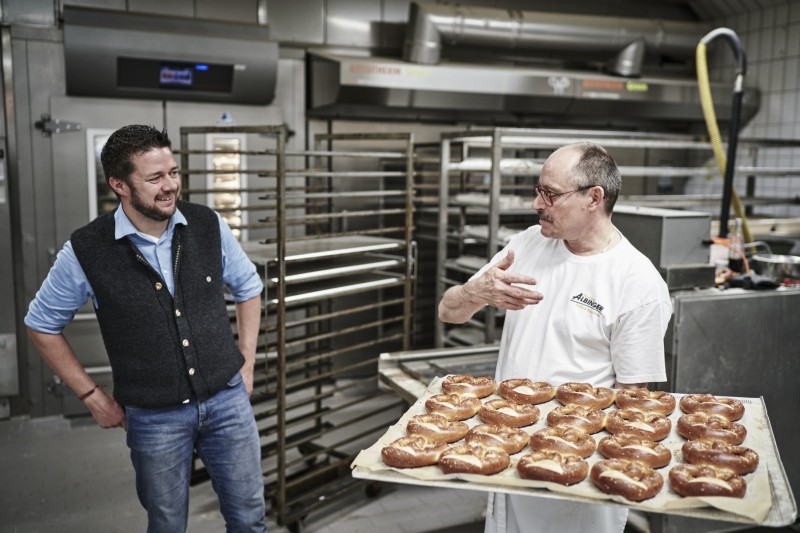
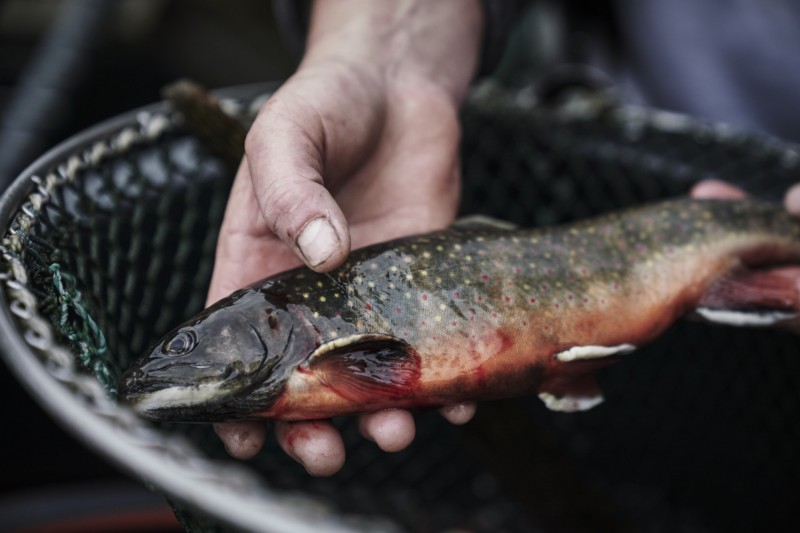
Berghotel Rehlegg also offers its guests such a list, both physically in the hotel and on its website. Food products travel only short distances, and some even come directly from the neighboring farm.
Avoiding long transport routes and maintaining a personal relationship with farmers and producers is a top priority at Hotel Okelmann's in Lower Saxony. The sisters have already visited many farms themselves and cordial cooperation and mutual respect are just as important to them as the high quality of the products. This is exactly what they share with their guests in personal conversations, but also on their website and social media.
At Hotel Klosterbräu in Seefeld, local products are featured on the breakfast menu and the dinner menu. Even when it comes to drinks, there are more and more local specialties, for example, Tyrolean wine, the hotel's own mineral water, syrups, as well as whiskey or gin from the region.
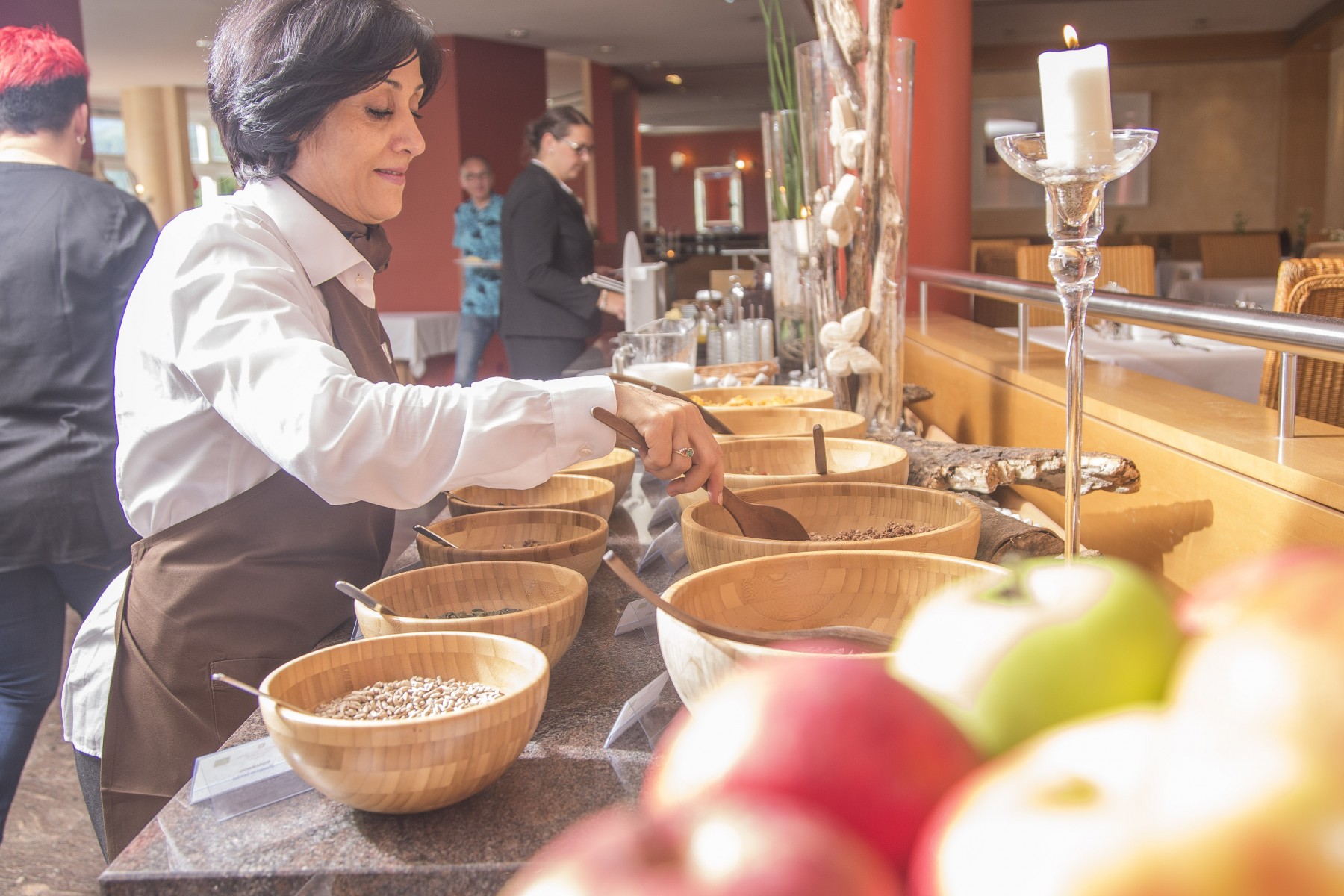
People were paying more and more attention to this issue, asking questions and appreciating the transparency and commitment to only serving regional products on the plate or buffet, reports the Hotel Weiherhof on the Ritten (South Tyrol). On the breakfast buffet, guests learn from small signs where granola, eggs, honey, and more come from. Mostly directly from the Ritten or from South Tyrol, the rest from Italy.
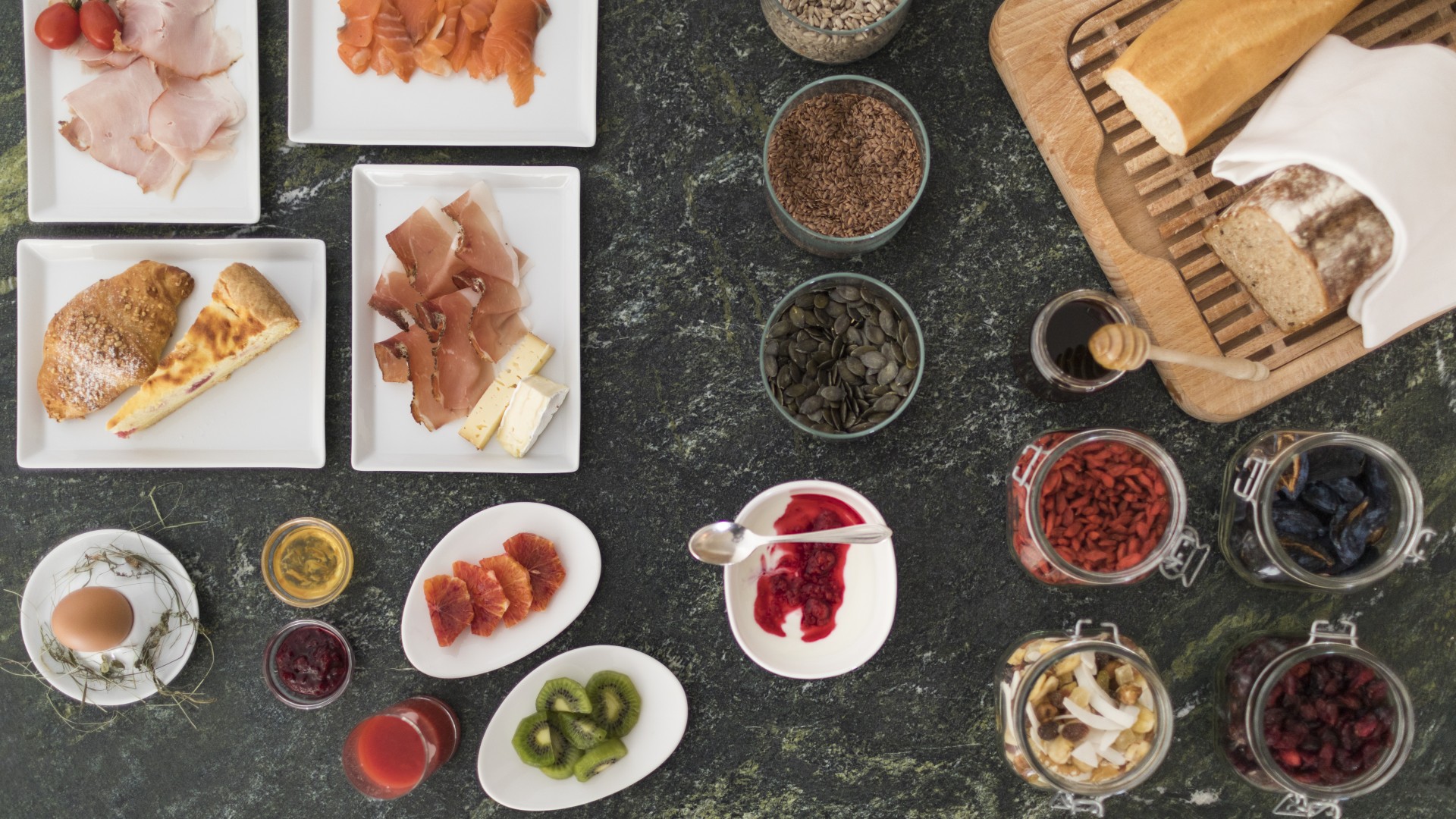
At Naturhotel Outside, Daniel Ganzer and his team place great value on regional foods. Whenever possible, they buy directly from the farms and producers. This keeps the supply chain short and the hotel ensures that the products, whether food or furniture, have been produced under fair and environmentally friendly conditions. This closeness to the producers is also communicated to the guests by not only naming them on the buffet and on the menu, but also by introducing the people behind the products and telling their stories.
At Paradiso Pure.Living on the Alpe di Siusi in South Tyrol, they see it similarly. In line with the Pure Philosophy and the focus on vegan-vegetarian nutrition, it is a natural progression for the Paradiso team to consciously select their suppliers according to high standards and ecological principles. This applies to food, as well as linens and furniture. In addition, both food and beverages, which, by the way, are all organic or biodynamic, come for the most part exclusively from Italy and, if possible, from the immediate surroundings.
The Relais del Maro near Imperia on the Ligurian coast takes a similar approach. Here, guests will not find any products that do not originate in Italy. Instead, there are local specialties and souvenirs such as printed cloths from friendly artisans.
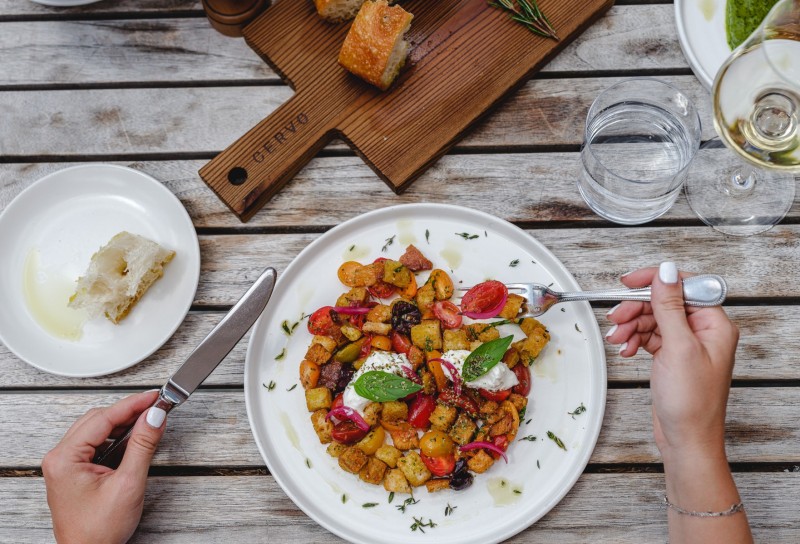
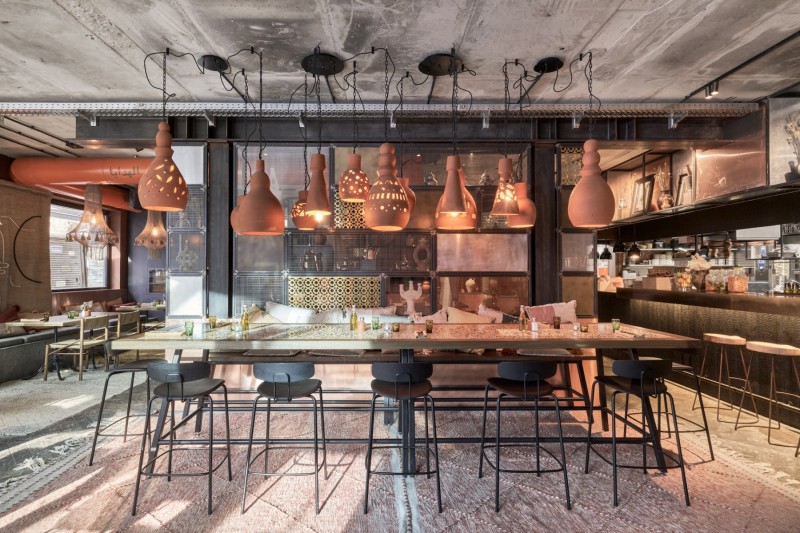
Supporting the Zermatt region, sharing the distinctive characteristics and specialties of the Swiss region with guests, and thus providing them with an authentic experience - This is how the team at CERVO Mountain Resort Zermatt describes their ethos. Their deep connection to the place at the foot of the Matterhorn is reflected in their underlying vision and commitment to always go the extra mile, shortening supply chains and bringing local partners on board.
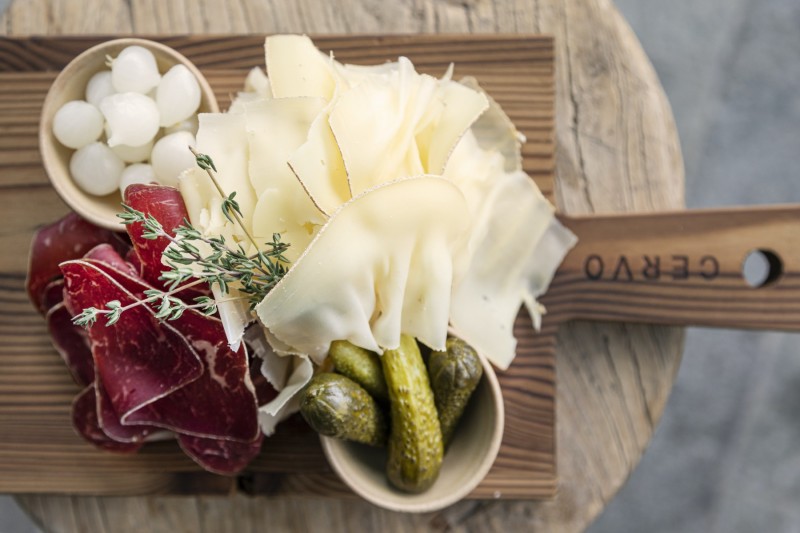
Products for the kitchen, furnishings, and also services are sourced as much as possible from within a 150-kilometer radius. If not, the hotel intentionally handpicks sustainable companies. For example, honey comes from the Biner family, vegetables and fruit from Toni Julen GmbH, and cheese and other dairy products from Horu Käserei - all in Zermatt. CERVO has been working with most of its partners for many years and they support each other in their ecological and social commitments.
In addition to suppliers, CERVO is also committed to thoughtful value chains in its own hotel garden. The environment is designed according to permaculture principles, creating its own small system that produces food as well as energy.
If you would like to learn more about each Green Pearls® partner and their philosophies and initiatives, feel free to check out their microsites. We are at your disposal for inquiries and questions. You are welcome to copy and publish excerpts or complete verbatim versions of this newsletter.