

The Future of Sustainable Hotel Renovations: Circular Design and Upcycling
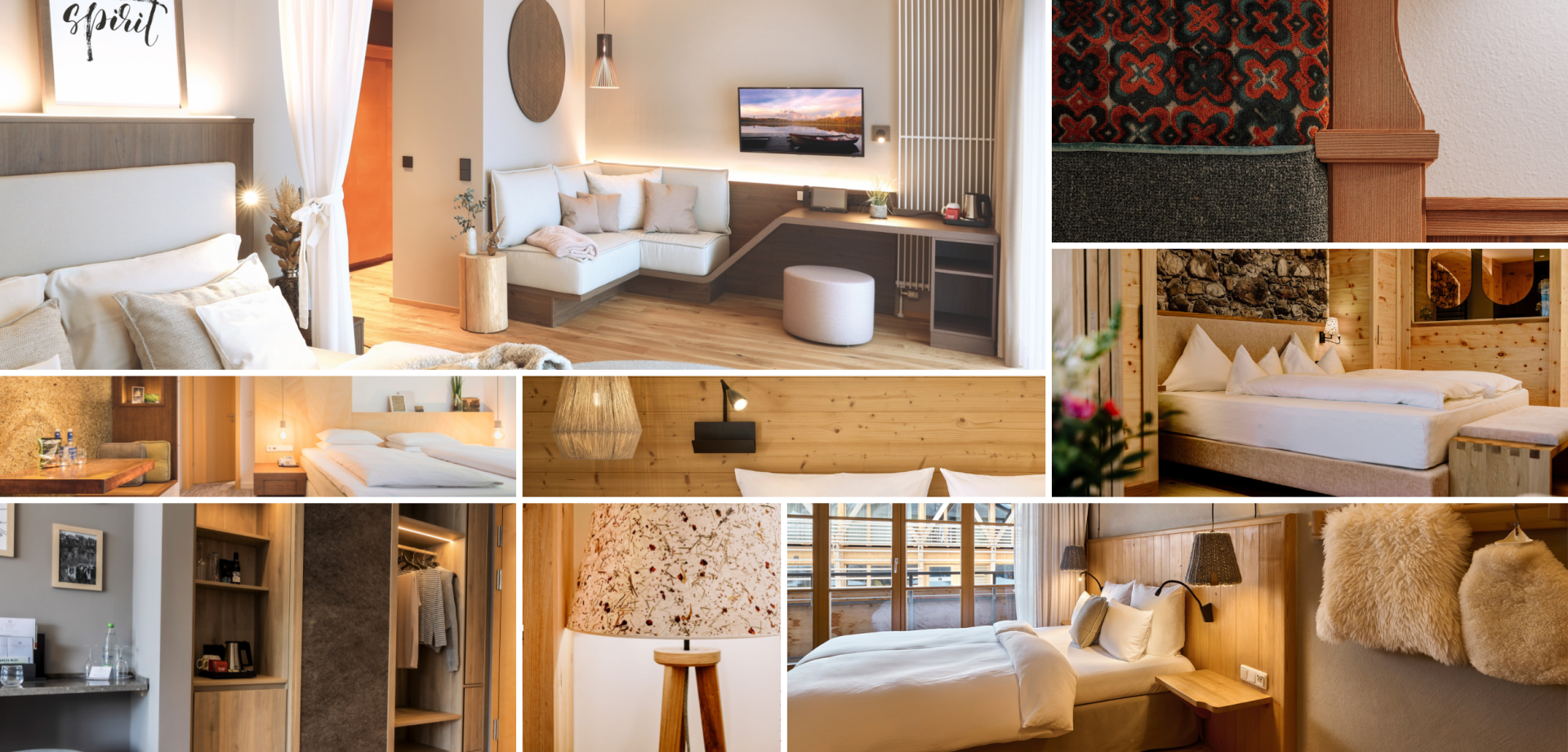
Sustainability meets creativity: In the hotel industry, circular design concepts and upcycling are revolutionizing the way hotel rooms are renovated. Sustainable hotels in particular are using repurposed materials and innovative concepts to conserve resources, reduce waste, and create stylish, functional spaces. Here's an overview of how it works and why it is the future of the industry.
Circular Design: Sustainable and Forward Thinking.
Circular design is an approach that aims to eliminate waste and efficiently use and reuse resources in a circular manner. Materials and products are designed to be recycled, reused, or otherwise returned to the cycle at the end of their life. Unlike linear production models, in which raw materials are processed into products and disposed of after use, circular design, or Cradle to Cradle®, is a closed-loop strategy. It considers the entire life cycle of a material – from sourcing to production, use, and recycling.
In the hotel industry, circular design concepts open up new and sustainable possibilities for room and hotel renovations. For example, hotel rooms could be furnished with durable materials that are recyclable or biodegradable. Modular furniture and reused building materials also play an important role, as they can be used flexibly and over the long term.
Circular Living in the Black Forest
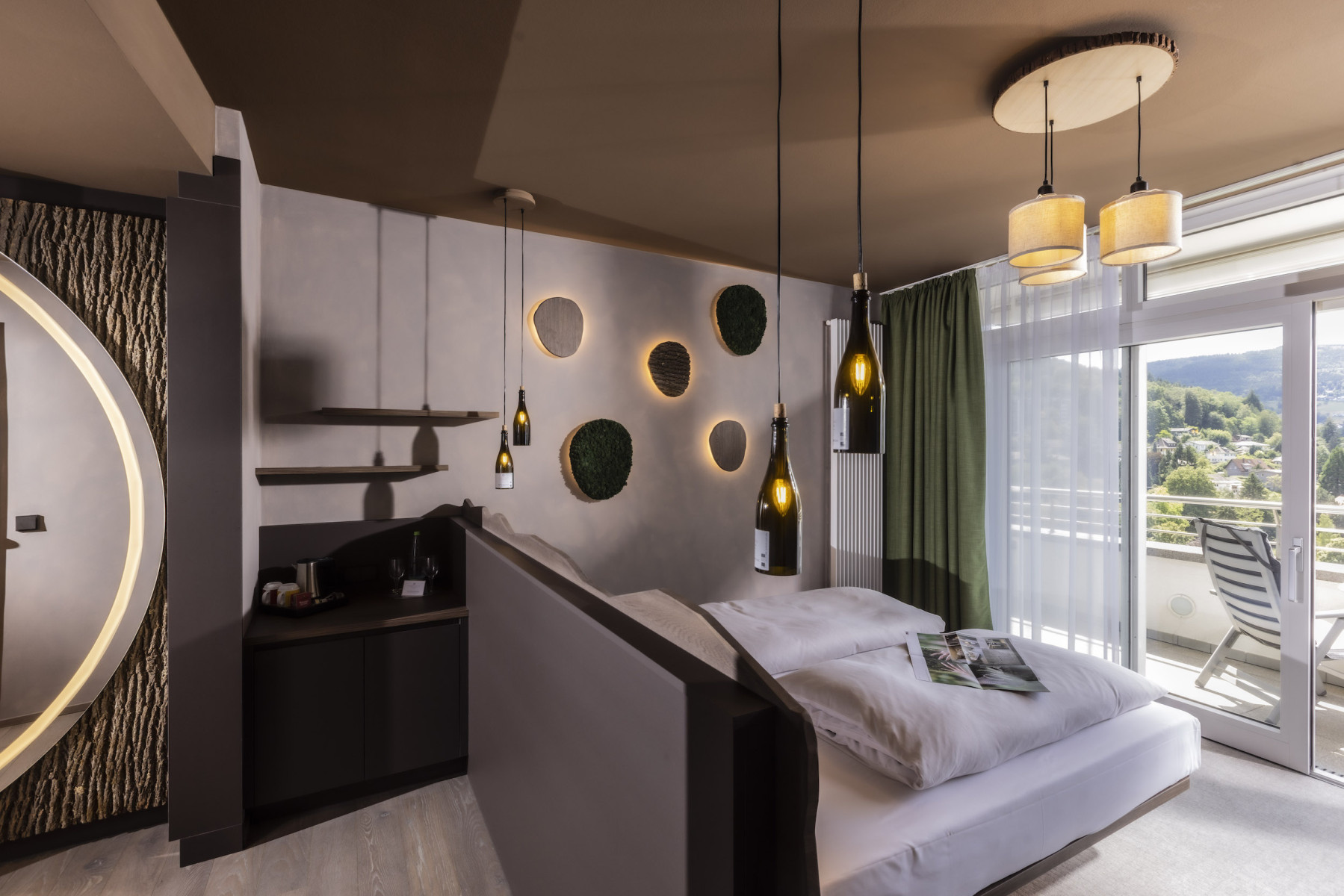
The Hotel SCHWARZWALD PANORAMA and its "Circular Living" concept show what a space plan based on circular design principles can look like. For hotel owner Stephan Bode, it was essential that his concept could be adapted to other renovations and new buildings, while at the same time meeting remarkable ecological efficiency standards. "Circular Living” is based on materials selected for their environmental friendliness, material health, quality, and durability. This is backed by international certifications such as Cradle to Cradle Certified® and EcoVadis. The collaboration with the renowned Black Forest interior designer FRITZ SCHLECHT | SHL ensured that the three different room designs were implemented according to the highest design standards.

Resource Conservation as Part of every Decision
Another example is the Hotel Luise in Erlangen, Germany. The name speaks for itself with its “Regrowing Hotel Rooms.” Built according to the cradle-to-cradle principle, all materials used are either biodegradable or 100% recyclable. From the very beginning, every material choice was made with resource conservation in mind. The sustainable philosophy extends not only to the materials but also to the entire operation of the rooms (e.g. water conservation through "astronaut showers").
Creating Connections through Circulation
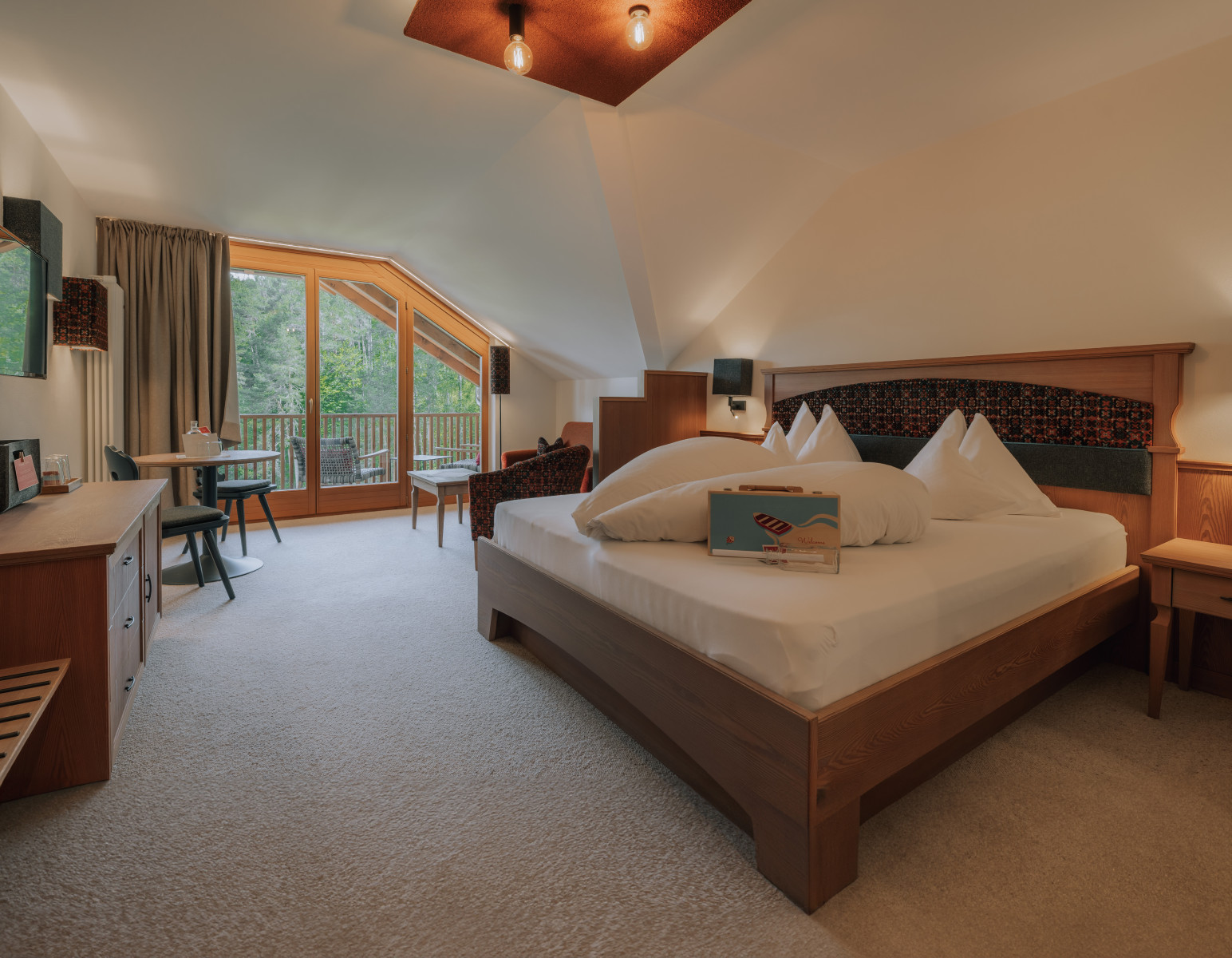
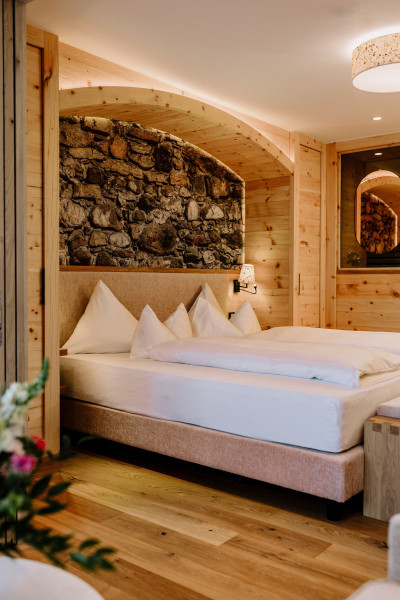
The Hotel Weihrerhof* in South Tyrol, Italy, has also embraced circular thinking and designed its Windspiel rooms accordingly. When selecting products and furnishings, they focused on healthy materials, recyclability, carbon neutrality, and decarbonization. This includes refinishing the old wooden furniture and reupholstering the upholstered furniture instead of buying new ones. These upcycling choices not only make the Windspiel rooms environmentally friendly but also give them a distinctive touch that links the past with the future.
Upcycling and Eco-Friendly Materials: Two Pillars for a Green Future
Upcycling and the use of sustainable materials are critical to a sustainable future for the hospitality industry. While upcycling provides a creative solution for reusing products and furnishings, the use of resource-efficient, durable materials allows for the long-term reduction of a hotel's environmental footprint. Taken together, these practices are an important part of a green hotel strategy that combines environmental, economic, and aesthetic benefits.
Old Furniture Reimagined
Upcycling is a method of transforming old materials or objects into new, functional, and aesthetically pleasing items. Well-known in the home improvement industry, this practice is increasingly being used in the hospitality industry. No wonder, since it combines the aspect of resource conservation with innovative and individual design solutions. Outstanding examples are the rooms of the HUBERTUS Mountain Refugio Allgäu, which were recently renovated according to this principle and show a new direction for the sustainable renovation of hotel rooms. Under the creative direction of interior designer Sarah Stapelfeldt, the original furniture and materials were refurbished, redesigned and in some cases reassembled. The result is a series of unique, functional design pieces that exude a modern, stylish charm while reducing the hotel's environmental impact.
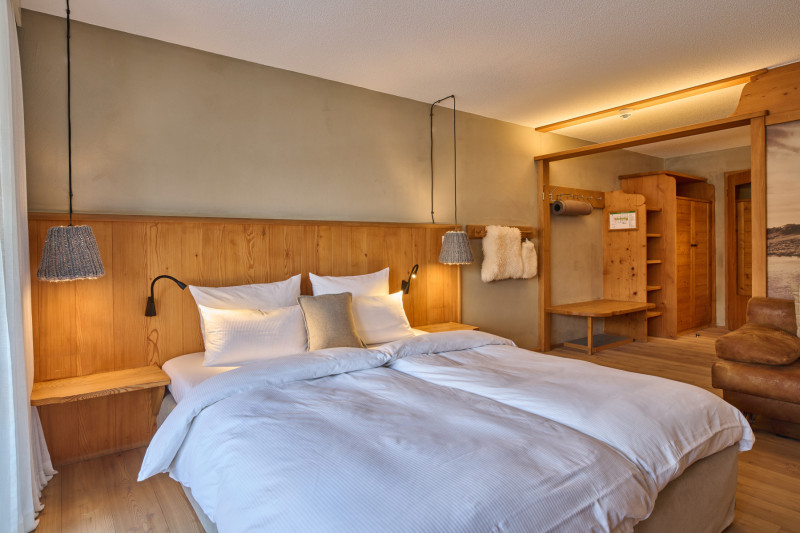
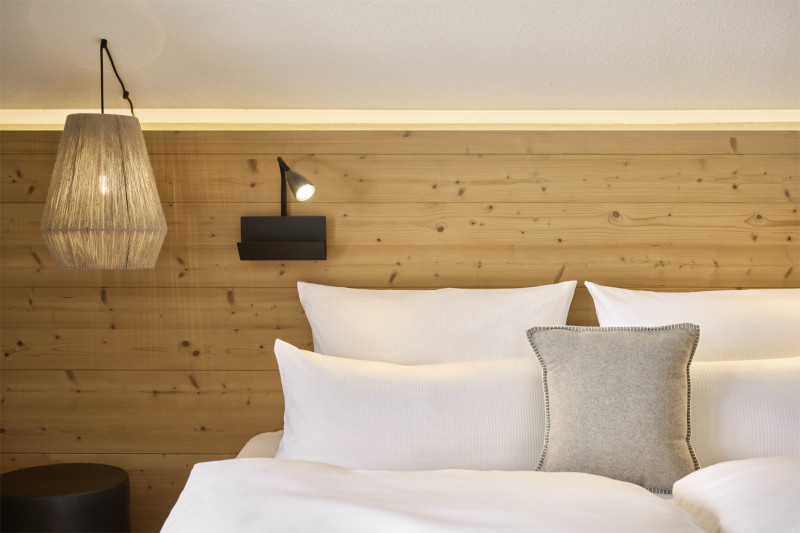
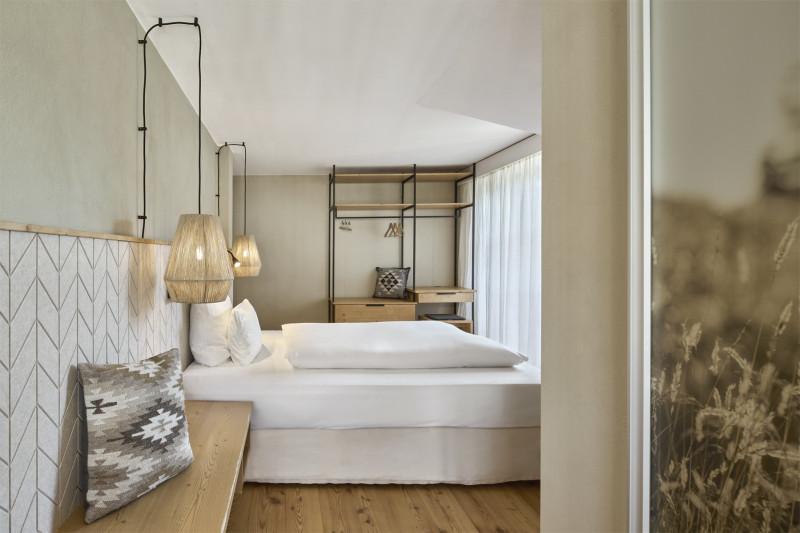
Upcycling and recycling not only apply to furniture or materials but can also be extended to new furnishings. For example, Interface carpet tiles containing up to 93.25 percent recycled content (pre-consumer and post-consumer PET) were installed in the Lifestylehotel SAND by the Baltic Sea. The high recycled content not only helps reduce plastic waste but also provides a durable and functional flooring solution that perfectly complements the design concept of the lifestyle hotel with its "sandy" look.
Sustainable Materials for Eco-Friendly Renovations
In addition to upcycling, material selection plays an equally important role in the sustainability of a renovation project. Materials such as reclaimed wood, bamboo, hemp, cork, and loam plaster offer alternatives to conventional building materials. Not only do they help reduce environmental impact, but they are also durable, efficient, and easy to maintain. These features help hotels save money in the long run and also meet their sustainability goals.
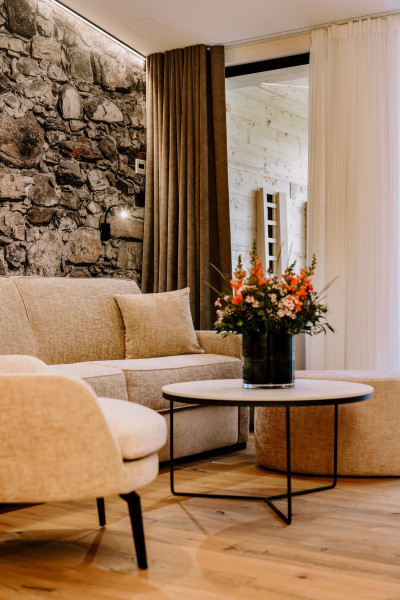
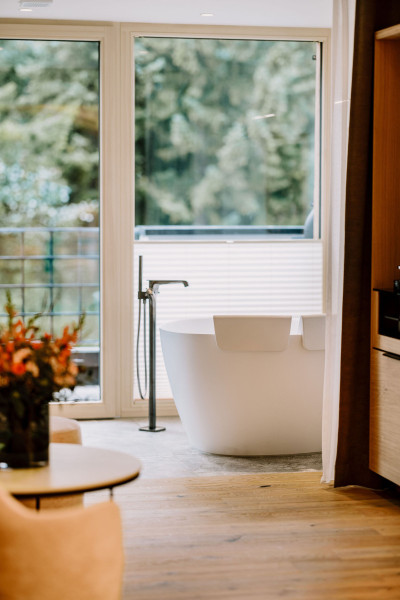
The 28 natural rooms at the Tyrolean Hotel Klosterbräu, which opened in 2023, show how it can be done. Up to 95% of the materials used come from the surrounding area. Earthen clay plaster, wood from the hotel's forest, and details such as lampshades made from dried hay flowers create a creative, healthy, natural, and sustainable mix of materials.
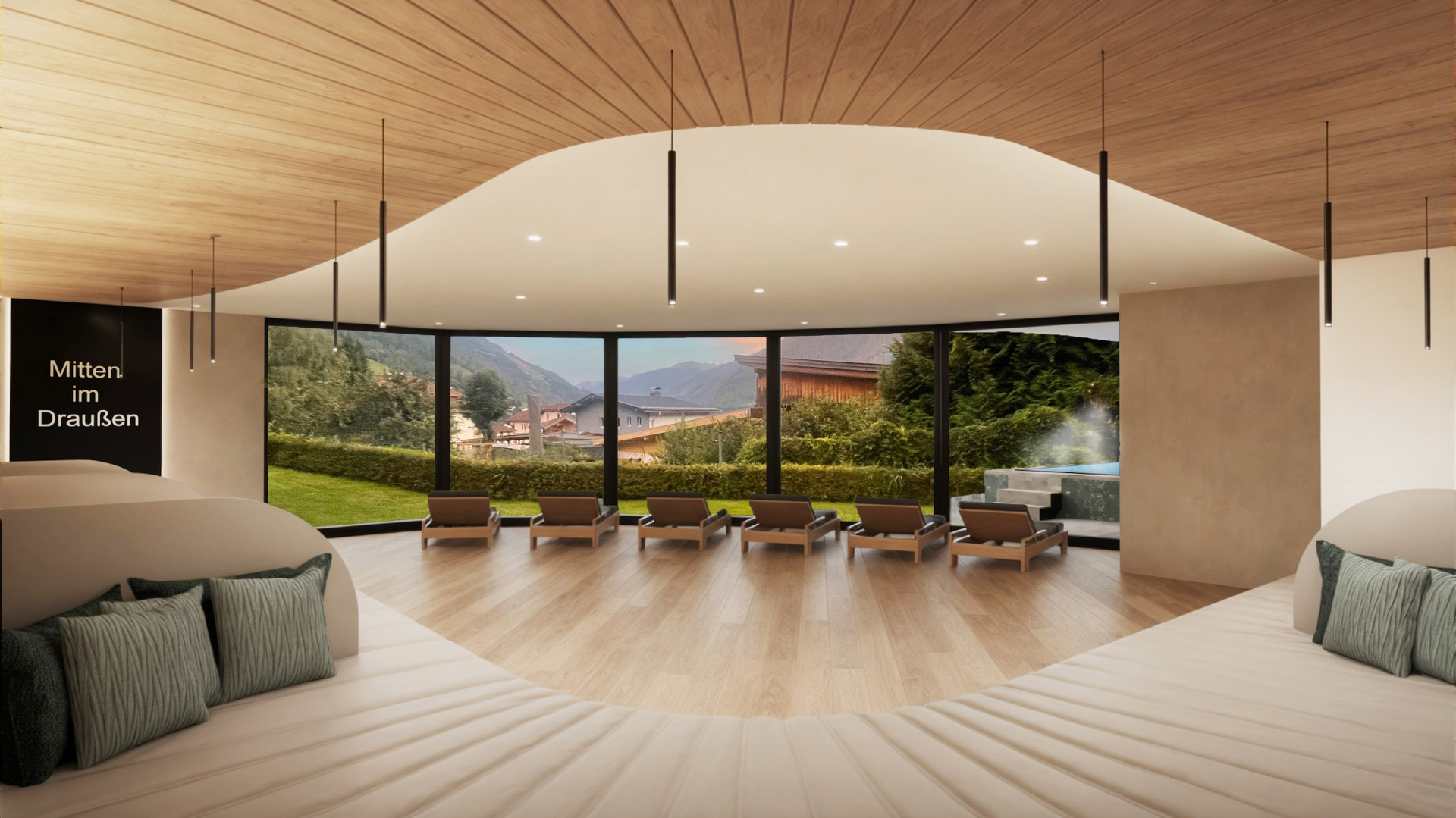
As Sustainable as Possible: The new Nature SPA at Naturhotel Outside
In the course of the reconstruction and reopening of the wellness area in December 2024, the Naturhotel Outside placed special emphasis on the use of regional materials and environmentally friendly techniques. The interior is made of East Tyrolean serpentine and larch wood. The healing water for the new brine bath is drawn from a spring just 30 kilometers away. The hotel also incorporates energy efficiency measures, such as placing the heated outdoor pool in a sheltered location and installing a photovoltaic system to provide approximately 20% of the hotel's energy needs.
The combination of upcycling and the use of sustainable materials allows hotels to improve their environmental performance while creating a unique, eco-conscious design. Aesthetic appeal, the responsible use of resources, and functionality all go hand in hand.
The Economic Benefits of Sustainable Hotel Renovation
In terms of profitability, it has been proven time and again that circular design and upcycling can help reduce costs. A hotel that reuses furniture or building elements avoids high disposal costs because less material ends up in landfills. At the same time, reusable textiles, modular elements, or recycled/upcycled furniture also reduce the need for new purchases.
The exact amount of savings will vary depending on the extent of the renovations and the source materials chosen, but the principles of upcycling and circular design offer significant long-term economic benefits in almost all cases by extending the life of materials and reducing overall resource consumption.
Market Trends, Prospects, and Leadership
As demonstrated, circular design and upcycling offer not only environmental benefits but also aesthetic and economic potential for the hotel industry. Concepts based on these ideas make it possible to rethink and reintegrate furniture, décor, and other hotel materials into the design process.
The demand for sustainable accommodations and renovations is also growing. Studies show that more and more travelers are considering environmental factors when choosing a hotel, with more than three-quarters now preferring eco-friendly accommodations (Booking.com, 2024). This means that hotels that focus on recyclable design are also meeting the growing expectations of guests who value a sustainable travel experience.

The responsibility hoteliers take by choosing to renovate sustainably goes beyond their own impact. Conserving resources, reducing waste, and increasing energy efficiency in the renovation of the many hotel rooms in Germany alone directly contributes to global climate goals such as the Paris Agreement, which calls for a drastic reduction in greenhouse gas emissions by 2050. In line with the European Green Deal, which calls for a transition to a carbon-neutral economy by 2050, circular design also offers a solution that requires only a little more effort and does not necessarily cost more. This is how Stephan Bode talks about the Circular Living concept in an interview with Green Pearls®. In addition, there is a current opportunity for hoteliers to lead the way in an industry that is under increasing pressure to implement environmentally friendly and sustainable concepts.
Shaping the Future of Hotel Renovation
Hotels and resorts must renovate their rooms approximately every 10 to 12 years. Each renovation generates tons of waste. Conventional carpeting, engineered wood products (not solid wood), and other composite materials are not recyclable or are difficult to recycle, so old furnishings often end up in landfills.
The alternatives are circular design and upcycling. Not only are they good for the environment, but they are also smart business decisions. Hotels and accommodations that embrace these principles in their renovations and new construction improve their environmental performance, take responsibility for their environmental impact, and create unique, sustainable experiences for their guests. Green Pearls® partners are leading by example, demonstrating how creative, resource-efficient renovations can contribute to a more sustainable future for the hospitality industry - both environmentally and economically.
*CIN-Codes for Italian Hotels
- Hotel Weihrerhof: IT021072A1L46PNBHX