

"How can I help you today?" – A Look at the Use of Artificial Intelligence in the Hospitality Industry
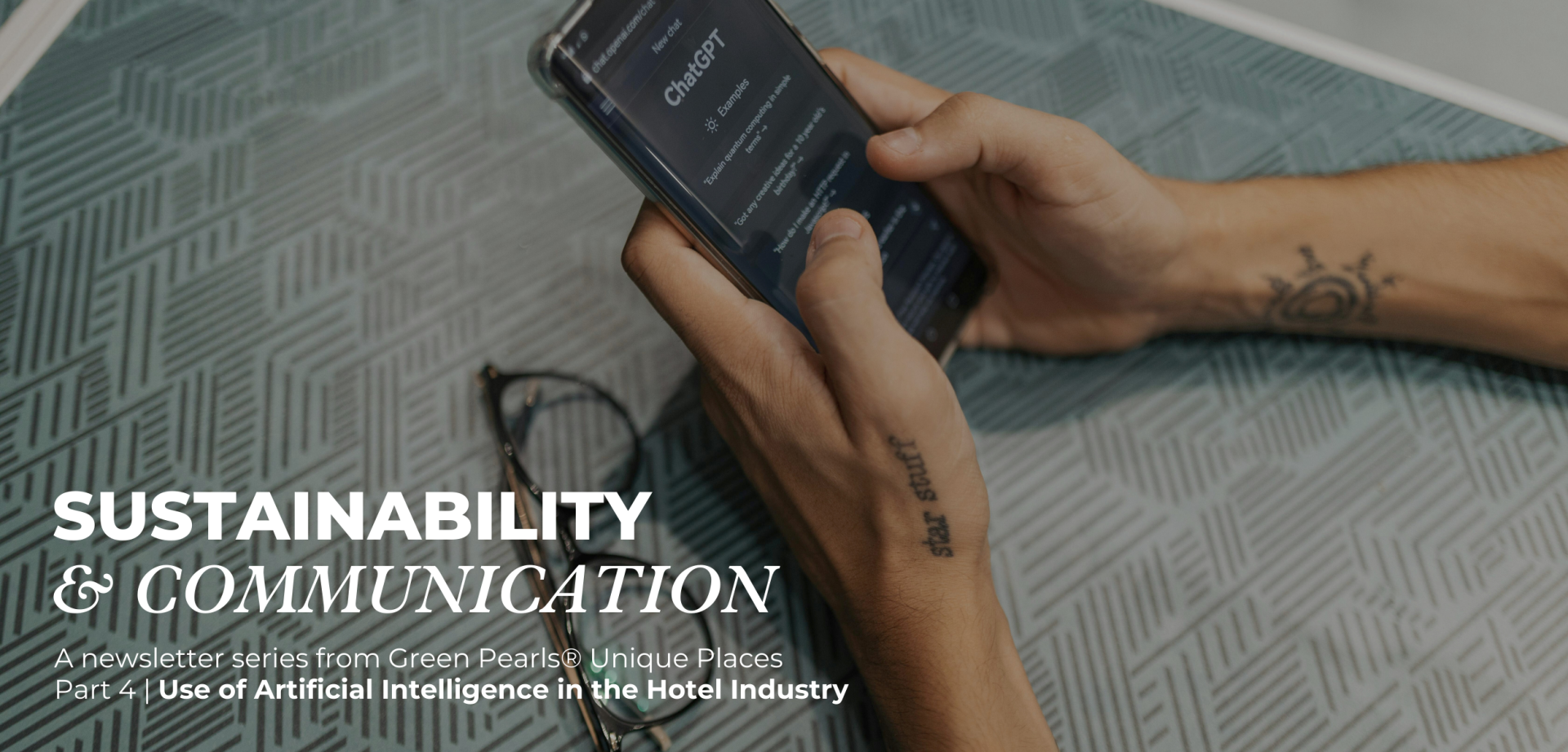
GPTs, chatbots, voice assistants - Artificial Intelligence (AI) has found its way into many people's everyday and professional lives. The hospitality industry is no exception. Asking a quick question to a voice assistant on your smartphone, using a website's intelligent chatbot, developing a campaign with an AI as a sparring partner, or monitoring and controlling a heating system clearly show that AI is not a short-lived trend that will disappear tomorrow – quite the opposite.
Above all, Artificial Intelligence is... Artificial
The rapid development of AI in this millennium is primarily due to the development of deep learning. It is based on the use of deep neural networks, some of which consist of millions of artificial neurons. AI does not "think", "understand" or "mean", but relies on statistical correlations and provides an answer based on huge amounts of data and the individual personality of the questioner. As a result, no two people will get the same answer to the same question – in terms of style and content.
What can AI do for the Hospitality Industry?
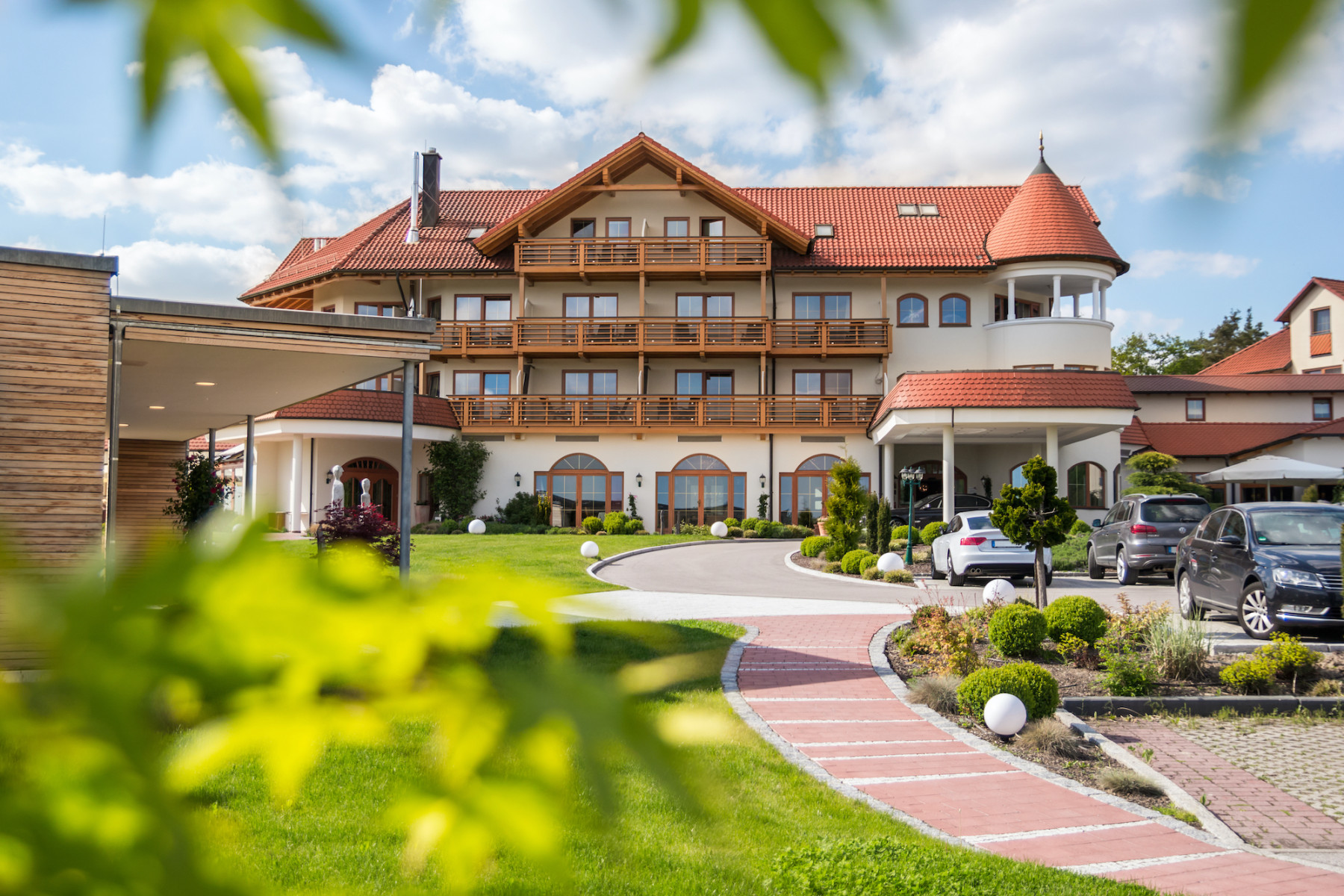
"Of course, we have to deal with it. AI will have a huge impact on our future," says Dr. Andreas Färber, a physician and co-owner of the wellness hotel Klosterhof – Alpine Hideaway & Spa in Bayerisch Gmain, Germany. He sees how AI could be used in medicine and believes the technology offers great benefits, especially when working together. At the same time, he is concerned that, in some cases, there is no control over what the AI comes up with.
"At the Klosterhof, we now use a dynamic revenue management system, which partly works with AI, but is monitored by us. The pricing is also partly artificial, but also monitored by us," he tells Green Pearls® when asked about his use of AI. With a smile, he adds: "These are elements that you may not like sometimes, but which are now necessary to remain competitive. “
Given the pervasive shortage of skilled labor in the industry, it seems almost inevitable that AI will be used to streamline and automate workflows.
The range of possible tasks is wide:
- Maintenance procedures
- Price adjustments
- Administrative tasks
- Room reservations
- Communicating with guests (e.g. on-boarding or excursion tips)
- …
Tim Muller from the Lifestylehotel SAND summarizes the application areas: "AI can be used wherever numbers are involved and data is stored in databases, such as in revenue management or analyzing guest behavior. [...] In the hotel industry, AI can support forecasting and evaluating business figures. “
In the hotel business, operational activities predominate; hands-on work and service are provided, so the opportunities to use AI are limited.
Tim Muller, Lifestylehotel SAND

The Lifestylehotel SAND on the Baltic coast of Schleswig-Holstein, Germany, uses dynamic pricing that employs AI to increase the effectiveness of the pricing strategy and simplify workflows. This is done by collecting data from various sources and monitoring market trends. "The prerequisite for good results is having access to data from several years. This in turn requires that the hotel management system has already been digitized, ideally for several years as well", he explains, pointing out the difficulties of using AI. They only work as well as the input they receive and the data they can access. This is another reason why the SAND does not use an AI chatbot. "Guests often have unusual questions that an AI cannot constructively answer," he explains.
Dr. Andreas Färber adds: "I would be delighted if we could use AI for processes in ecology. For example, for a more ecological form of cleaning in which the AI learns from the mistakes we humans make.“ But for that, the right products are currently missing.
Using AI in the Hospitality Industry: Real-World Examples
While large hotel chains are already integrating AI into their operations, the situation is different for smaller, owner-operated properties. Implementation is generally slower and more uncertain. AI-driven systems, such as dynamic pricing or an intelligent management system, are often introduced individually and gradually. Intelligent chatbots for the hotel website are also an "entry-level" tool for implementing AI in everyday hotel life, as is the use of ChatGPT, Midjourney, and the like in marketing.
AI applications in hospitality fall into three broad areas: Guest communication, Content & Marketing, and Revenue Management. The Green Pearls® network provides real-world examples in all three categories. Green Pearls® itself provides a platform for sustainable hotels and accommodations to showcase their sustainability efforts in a transparent and authentic way.

1. Guest Communication
In guest communications, the use of AI includes chatbots, service robots, and digital intelligent concierges. It may also include automated, customized social media messages or push notifications.


2. Content & Marketing
ChatGPT, image generation, KPI evaluation – AI has arrived in marketing and it's hard to imagine a world without it. In addition to creating image, and text material, it is also helpful in developing new campaigns and generating ideas.


3. Revenue Management
Data and numbers – that is what artificial intelligence is good at. So, it is no surprise that accommodation providers are turning to AI-driven processes, especially in revenue management. This includes automatic price adjustments, automation, market analysis, tracking, and even behavioral analysis or forecasting, provided the data is available.






The Dark Side of AI
When discussing the downsides of AI, discussions often get stuck on hallucinating AIs and inaccurate responses. However, the use of AI has an immense impact on environmental sustainability. In an interview with Tagesschau online, Ralf Hebrich, director of the Hasso Plattner Institute, points out that the share of digital systems and data centers, including end devices, in global electricity consumption could rise to 30% or more in the next few years. The main culprits, he says, are energy-intensive systems that require AI to calculate their "intelligent" behavior.
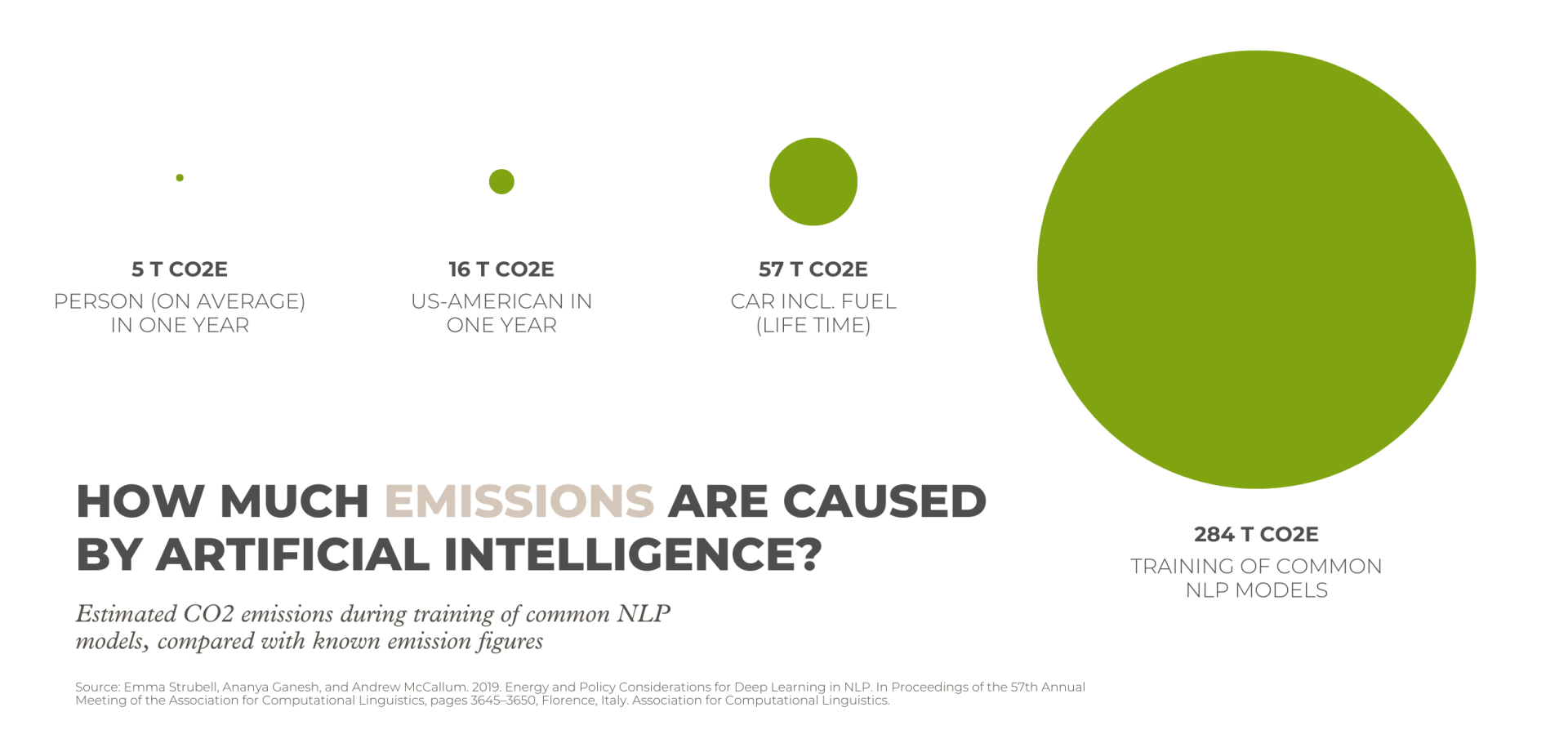
Data centers and networks, also used by AI, already produce roughly the same amount of emissions as the airline industry. Furthermore, a 2019 study calculated that training a standard AI model generates five times more emissions than an average car over its lifetime.
In addition to energy consumption and associated emissions, data centers, especially in already warm regions, consume huge amounts of water to keep them from overheating.
The recent release of the Chinese AI DeepSeek has at least challenged the prevailing view that better AI requires more and more computing power. DeepSeek claims to be much more efficient. The open-source code (that is platform- and country-independent) is available to everyone and could encourage the development of more efficient and sustainable AIs. This is especially good news for sustainable accommodations and businesses!
Whenever an AI is used or asked, resources are consumed and emissions are caused. The AI trend is irreversible, but as with sustainable travel, conscious choices should be made and precise requests and prompts should be used to avoid generating more answers than necessary.
Here to Stay?
The benefits of AI depend heavily on the user. Education and training are needed to use AI efficiently and consciously to benefit the environment, employees, and profitability. One thing is clear: AI is here to stay. Personalized services based on guest preferences, which are generated by intelligent systems and evaluations, will increasingly shape the hotel industry and determine the competitiveness of individual players.
But not everything can be replaced by AI, and the Green Pearls® network's accommodations underscore that. "Especially when we interact with people, we need to be social. It's just ingrained, and we will need it more and more as we expand our connections. It may be possible to take things like massages to a technological level, but it will not replace the human touch. We will still need people to give massages. And that's good because humans are social beings and thrive on interaction," says Dr. Andreas Färber.
Tim Muller does not see AI taking over hotel operations as well: "Guests always want to be treated with a human touch, which an AI cannot do." In general, he sees the main future application areas in administration – and here, he says, you have to consider how much of your business you want to entrust to an AI.
For more information on each sustainable accommodation, please visit the linked microsites. For questions, collaboration requests, press trips, and additional images, please contact us directly: press@greenpearls.com