

A Sustainable Start to the New Year: How Hotels in the Green Pearls Network are eliminating Food Waste
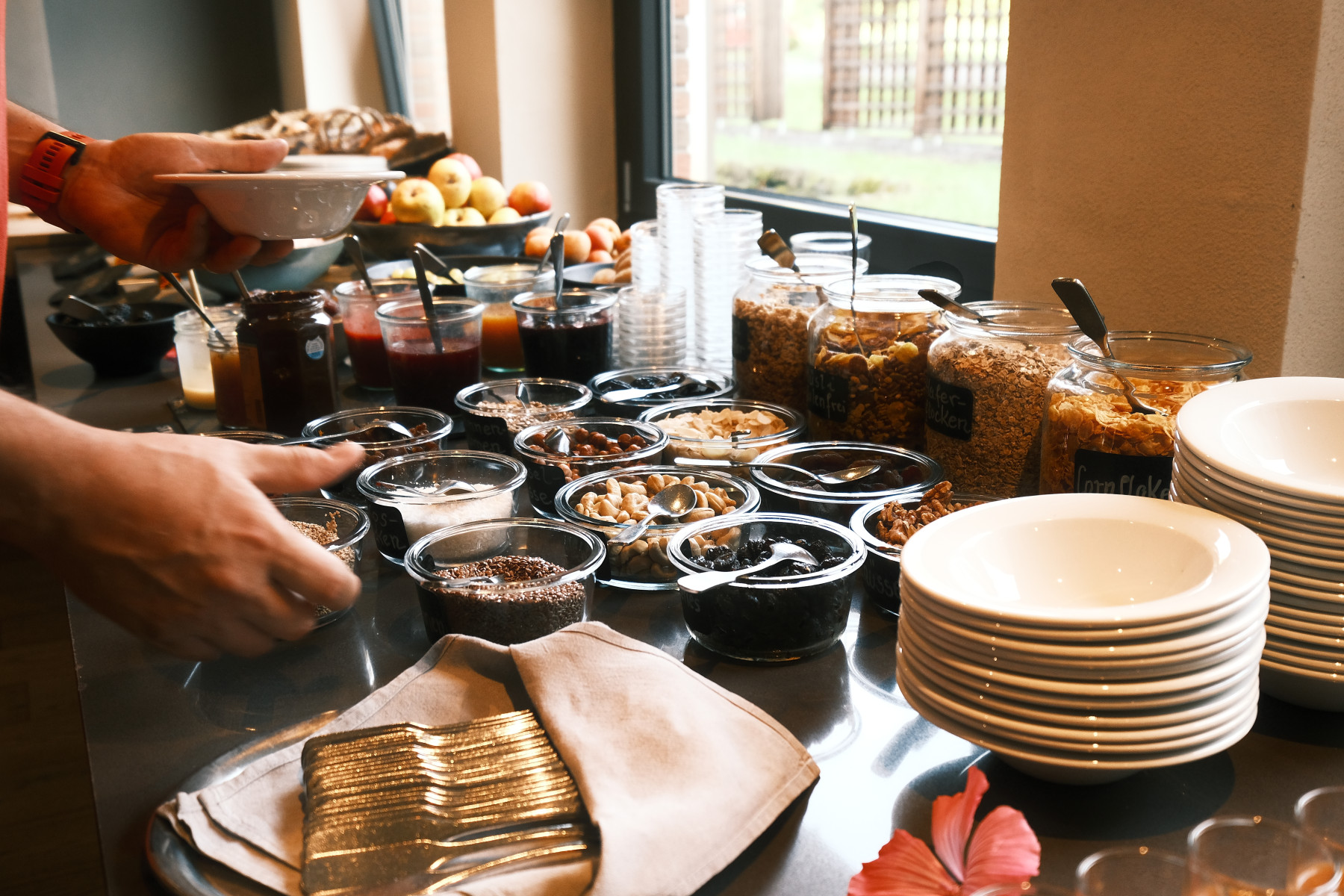
For many hotels, the holiday season is one of the busiest times of the year - festively decorated tables, sumptuous menus, and crowds of guests are the norm. But the holidays also bring another unwelcome problem to the forefront: food waste. According to the German Federal Ministry of Food and Agriculture1 approximately 11 million tons of food end up in the trash every year in Germany alone.
Out-of-home food service accounts for 18 percent of this waste, or nearly two million tons of food per year – much of it excess food that never makes it to the plate or leftovers from lavish buffets. This waste has far-reaching consequences for both the environment and the businesses involved. Sources of waste include miscalculations in purchasing, improper storage, or simply processing too much food that will not be sold or consumed.
Economic losses and increased carbon footprint
This results in significant annual losses for food service operators. Food waste is not only an economic drain and a waste of resources. It is also a significant source of CO2 emissions. One kilogram of food waste generates approximately 2.1 kilograms of CO2 equivalent.
The climate crisis has increased the urgency for hotels and restaurants to take responsibility and find (innovative) solutions to reduce waste. The hotels in the Green Pearls® network have already integrated this into their daily operations. With classic and innovative measures, they show the way to less waste and more sustainability in the hotel and restaurant industry.
As we enter a new year, there is no better time to encourage hotel operators to make a lasting difference in reducing global food waste.
Sustainability in Detail: Customized Approaches of Green Pearls Partner Hotels
Green Pearls® partner initiatives focus on precise planning, creative use of leftovers, and integration of closed-loop systems that enable hotels to eliminate food waste, reuse resources, and help protect the environment. For many chefs, a mindful approach to food is a top priority. Let's take a closer look at some examples:
Precise Planning and Reduced Buffets
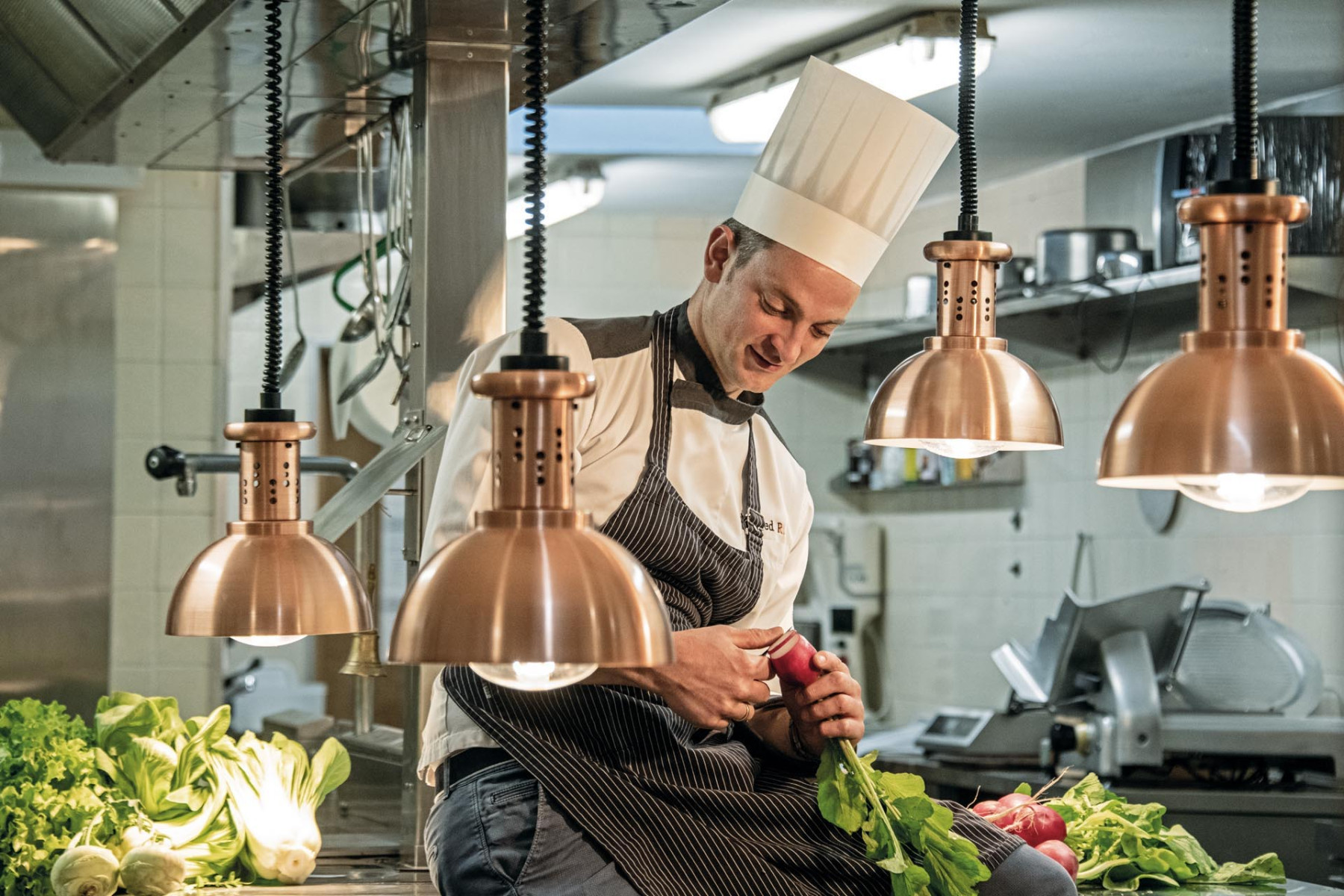
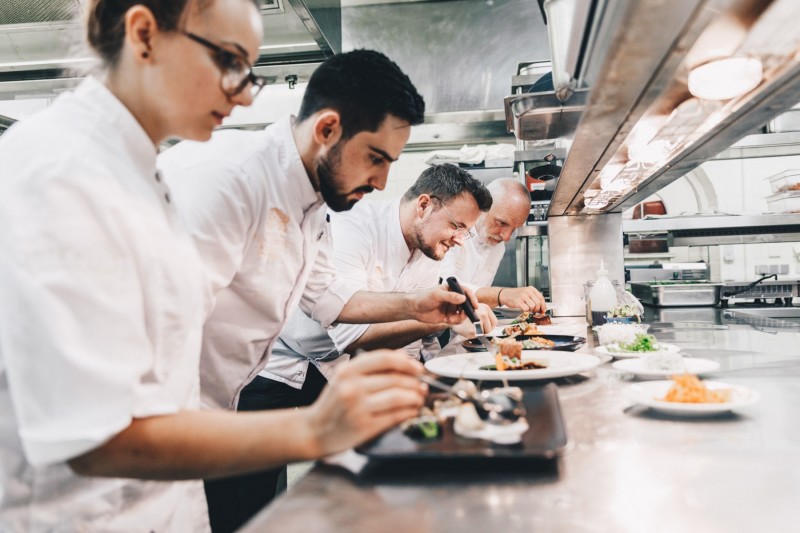
In the APIPURA hotel rinner, junior manager Florian Rinner uses precise calculations to ensure that the dishes are prepared according to the number of guests. Surplus food, such as vegetable scraps, are used in broths and sauces or made into tasty salads and antipasti. Leftover bread is used to feed the animals.
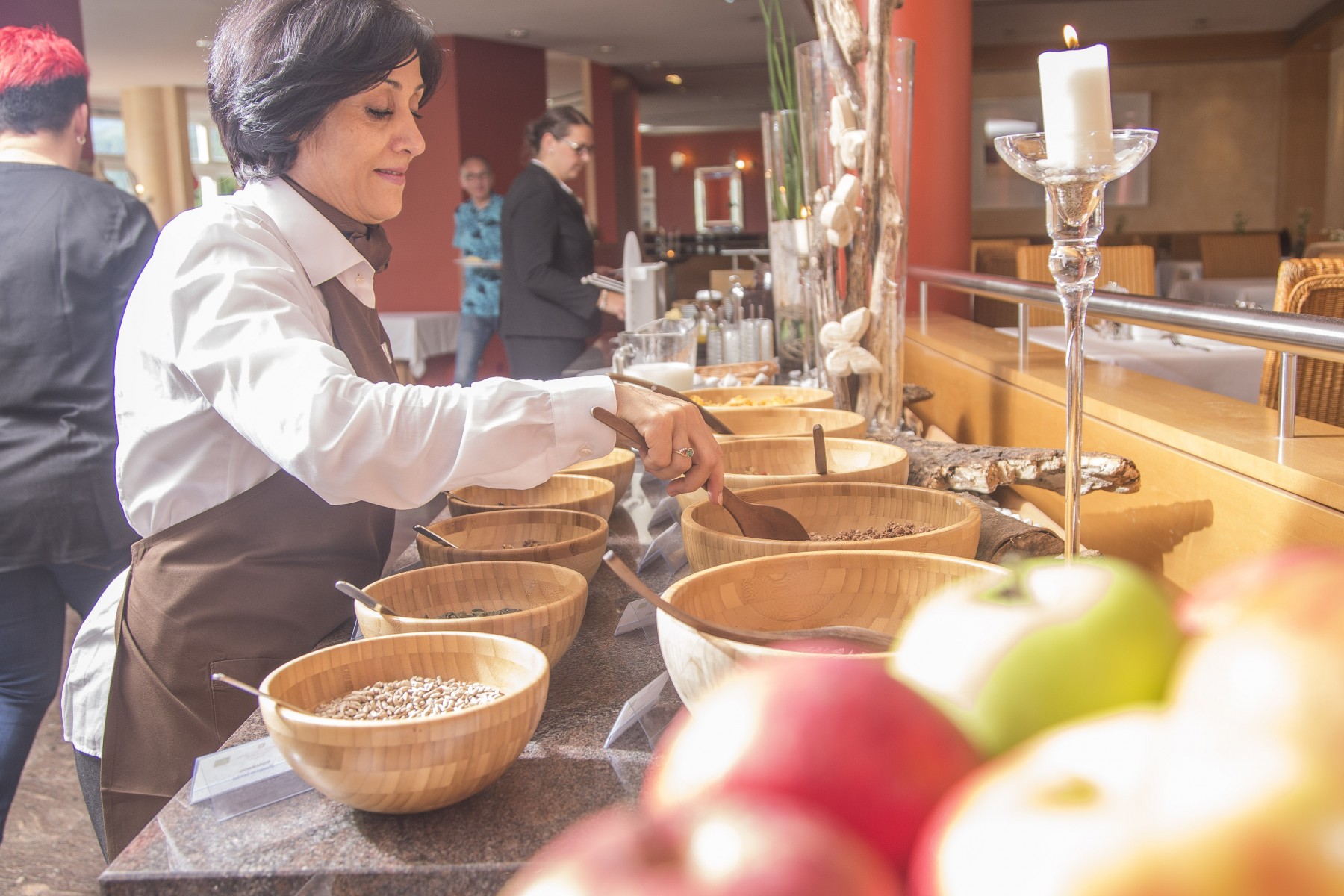
Hotel SCHWARZWALD PANORAMA also minimizes food waste through sustainable planning and full utilization of ingredients. Regional and seasonal products are used in several dishes, e.g. leek is used as a side dish and a quiche. Leftover vegetables are used to make homemade stocks and soups, while careful portioning and a first-in-first-out system prevent spoilage. Any leftover food is sent to ReFood to be used for energy production.
The Birkenhof ***** Spa & Genussresort promotes the full use of animals by offering guests a different menu every day. At Hotel Klosterbräu, surplus food is given to the staff cafeteria to reduce waste. In addition, Klosterbräu and Gut Sonnenhausen consciously avoid large buffets. Instead, food is continuously replenished to avoid overproduction and food waste.
Circular Economy and Waste Prevention
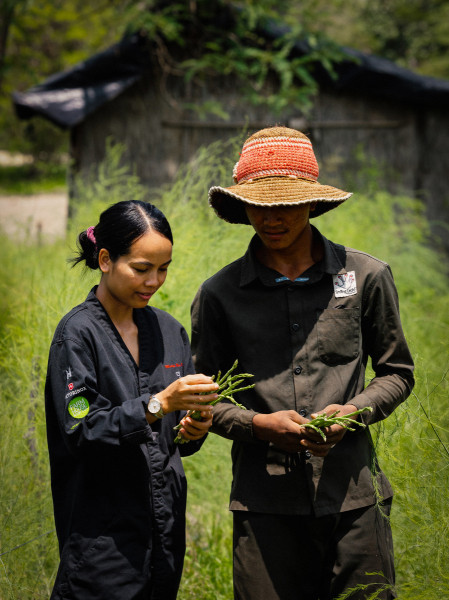
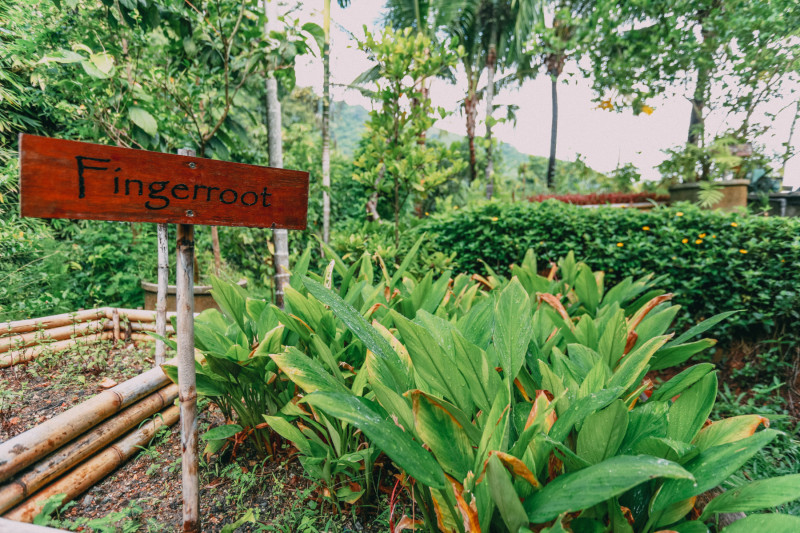
The Farmhouse Resort Smiling Gecko in Cambodia and the Keemala in Thailand have strict zero-waste policies, and all waste is processed in their own composting facilities. The resulting compost is used as nutrient-rich soil for the hotel's own farm and garden, as well as for soil improvement. This circular approach not only reduces waste but also supports local food production.
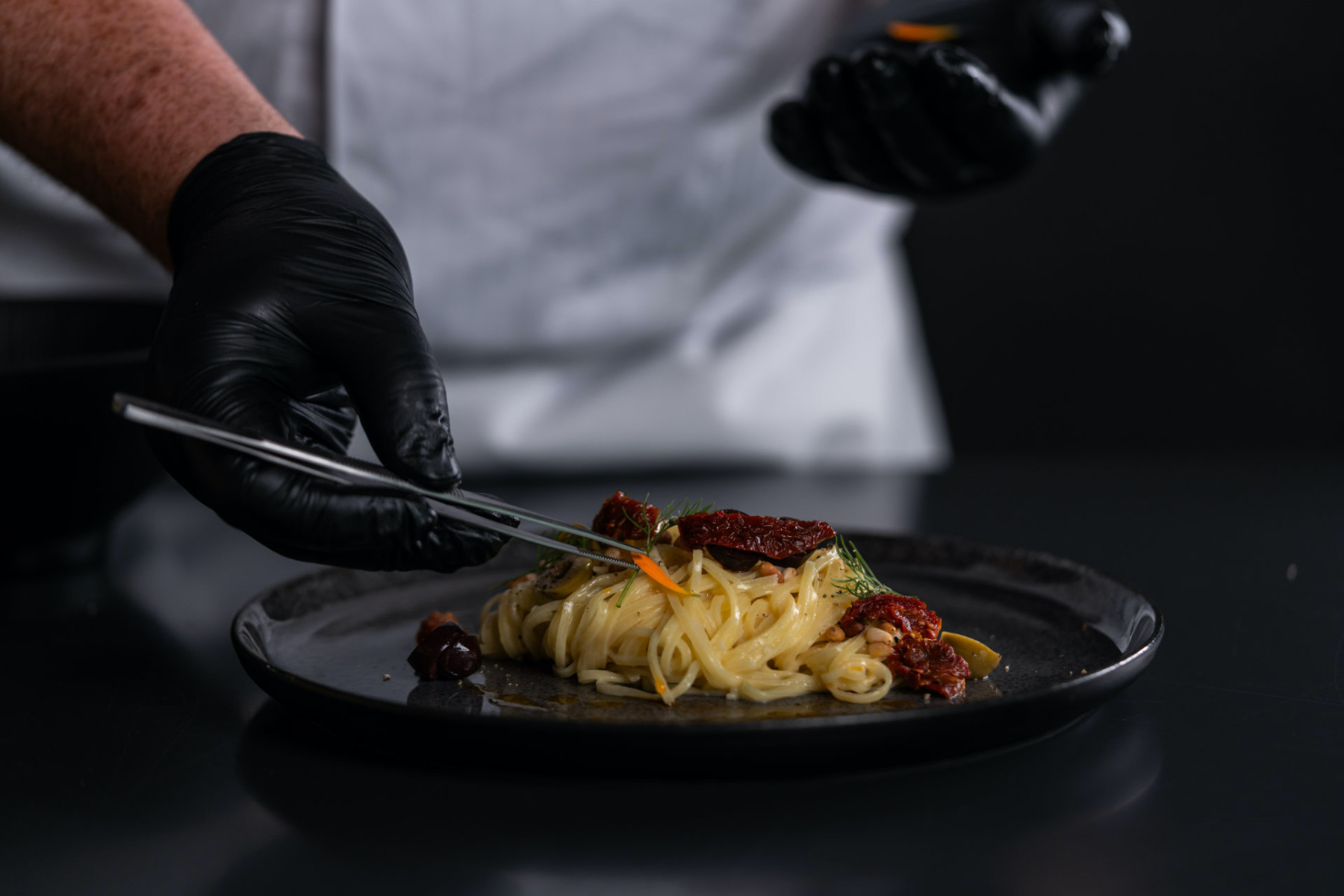
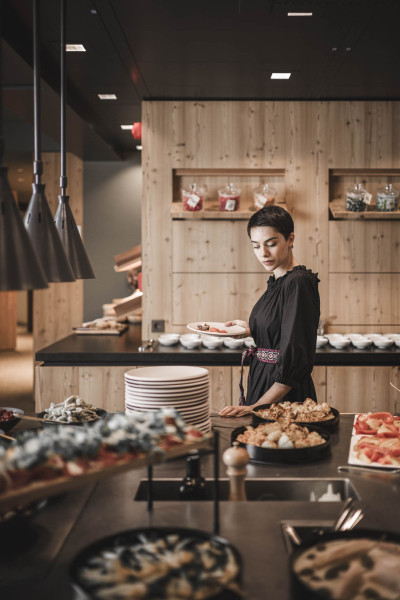
A similar initiative is in place at STURM, where organic waste is composted and the resulting soil is used in the on-site snack garden. The hotel's live cooking concept, where dishes are prepared one at a time, ensures that less food is left over. Guests also learn how their food is made, fostering both appreciation and sustainable use of resources.
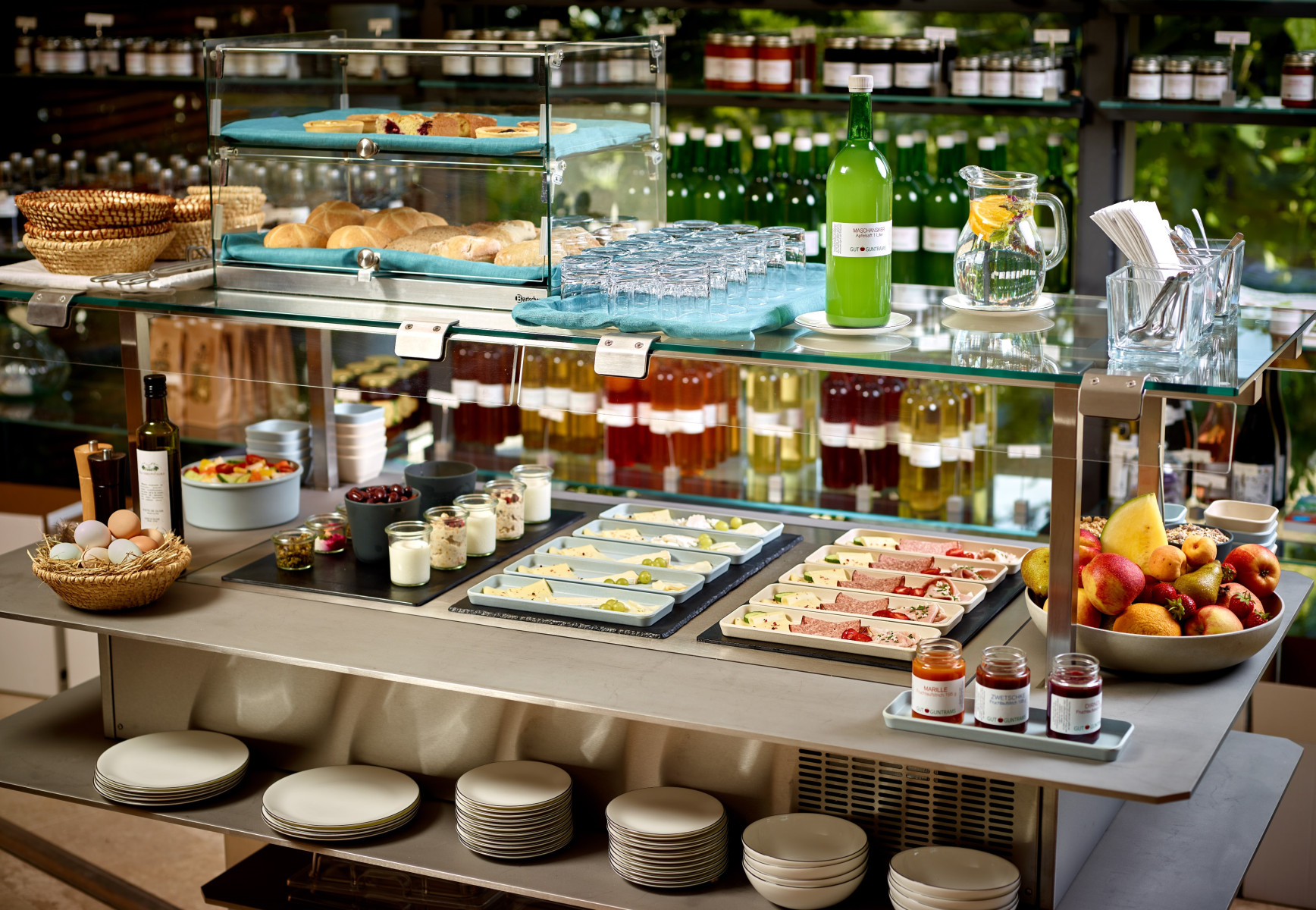
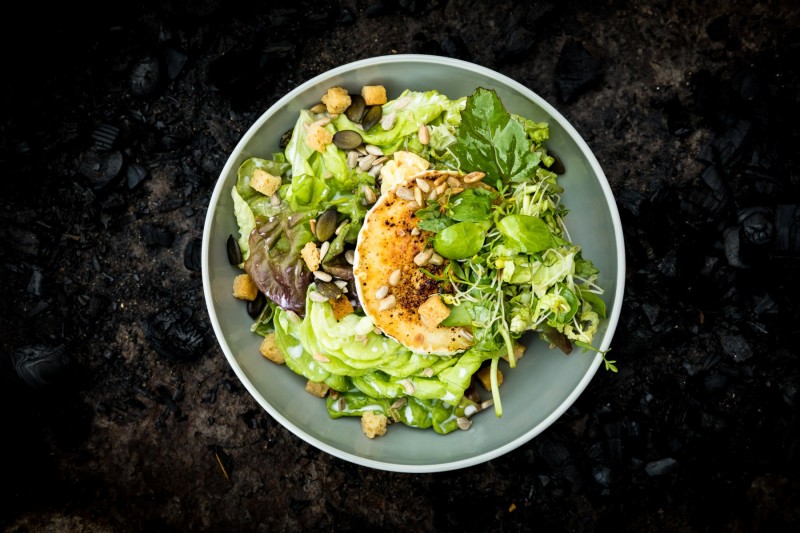
At Gut Guntrams, the "Veranda" team rewrites the menus every week based on the fresh harvest from the garden. This ensures that there is never a surplus. The careful selection of seasonal and regional ingredients not only guarantees the freshness of the dishes but also reduces the kitchen's carbon footprint. At the Naturresort Gerbehof, there is also virtually no real waste as any leftovers are either eaten by the chickens or added to the compost heap and eventually returned to the garden.
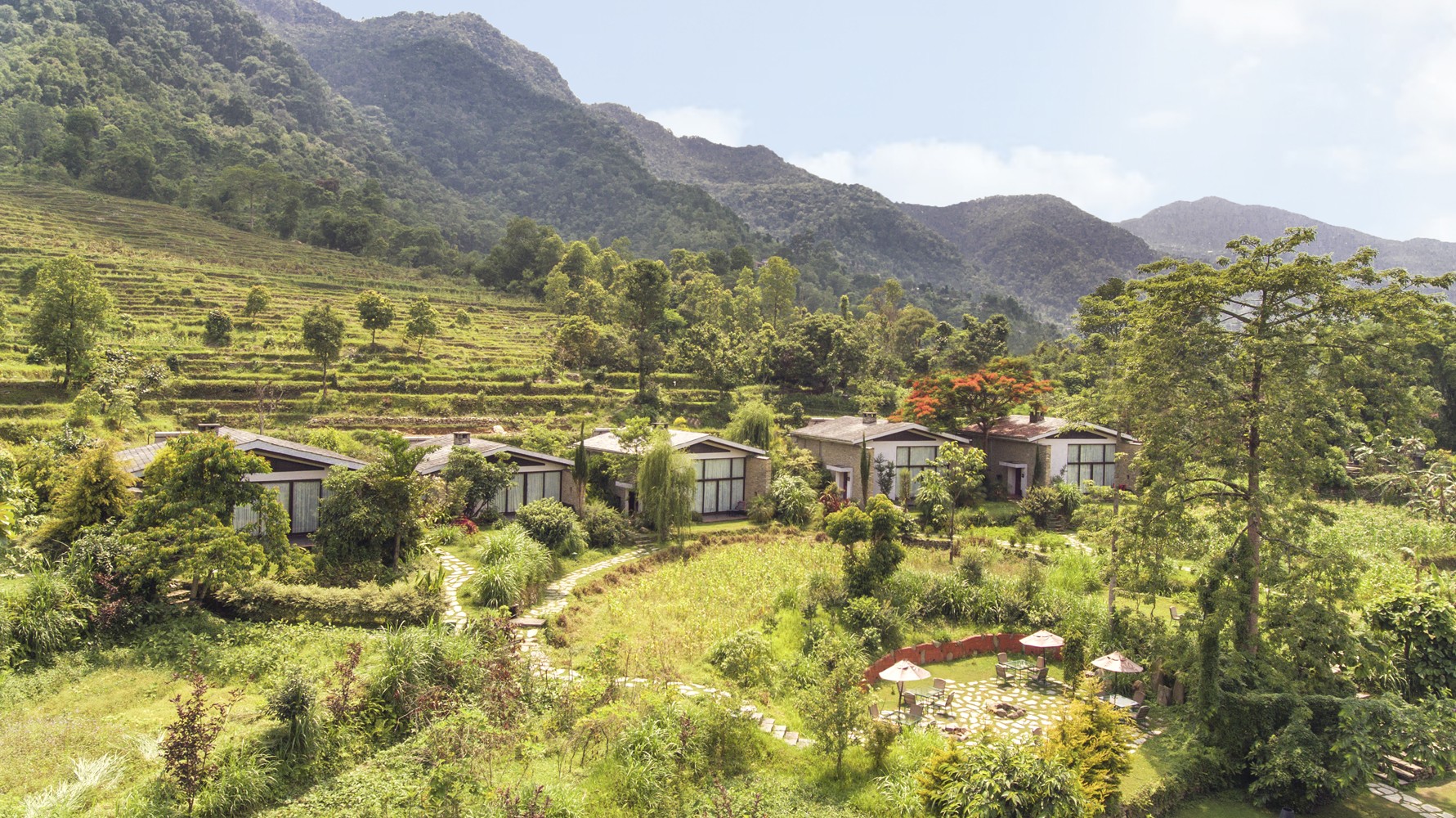
At the Pavilions Himalayas – The Farm, food is cooked only to order, so there is no overproduction, and only what is served is used. Any leftovers are processed in the hotel's biogas plant, which in turn powers the kitchen – a perfect example of a closed-loop system.
Portion Management, Employee Catering, and Creative Use of Leftovers
At Relais del Maro in Liguria, Italy, and Naturhotel Outside in East Tyrol, Austria, special attention is paid to planning the right portion sizes. In this way, only the necessary quantities are prepared, avoiding food waste. OLM Nature Escape goes one step further and offers all dishes only on request. At Hotel Okelmann's every meal is tailored to the number of guests. Guests must register in advance.
Through consistent meal planning, overproduction is avoided across all of these properties, and resources are used efficiently. This not only reduces waste but also contributes to the sustainability of the entire hotel operation. Any leftover food is used for the team. Either directly in the staff cafeteria or as a take-home option.
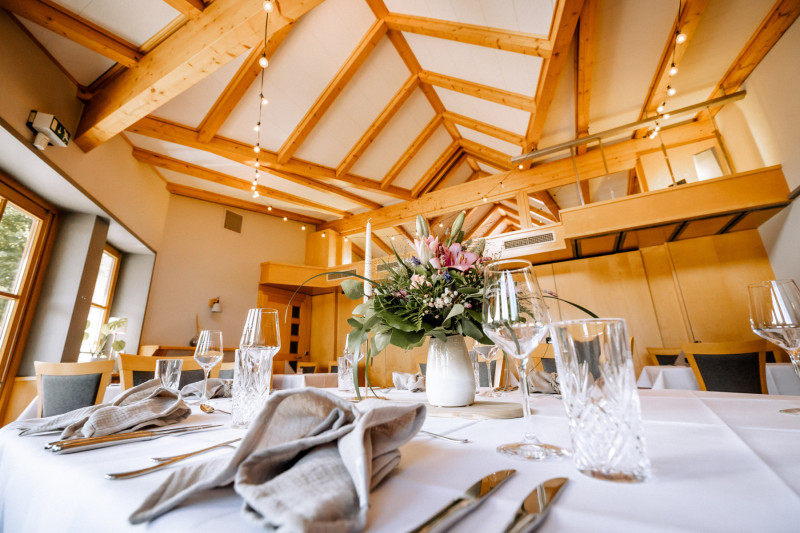

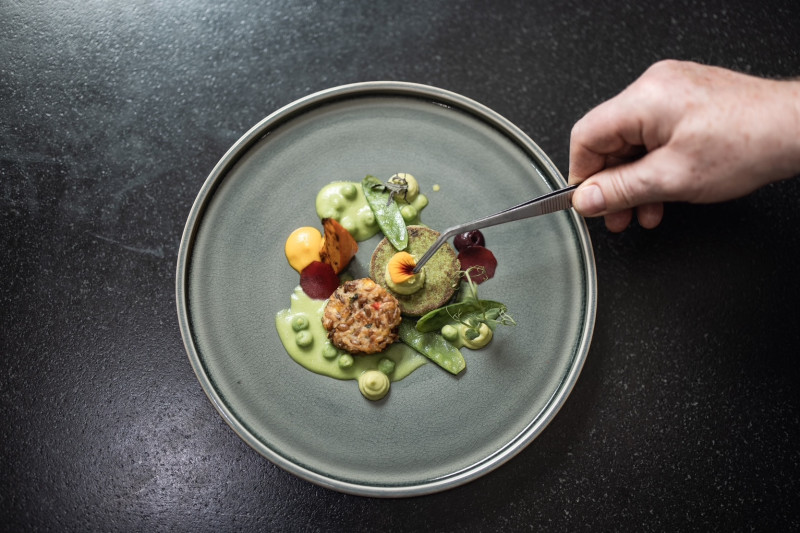
The Hotel Weihrerhof on the Ritten in Austria uses leftovers creatively: potato peels are turned into crispy chips, and leftovers from breakfast are incorporated into the menu. The CERVO Mountain Resort in Zermatt, Switzerland, is also constantly looking for new solutions. For example, citrus fruits that are no longer in their prime are turned into a versatile, aromatic syrup that can be used in everything from cocktails to lemonades to desserts. What would otherwise be “food waste” is transformed into a new culinary experience for guests.
Awareness and Network

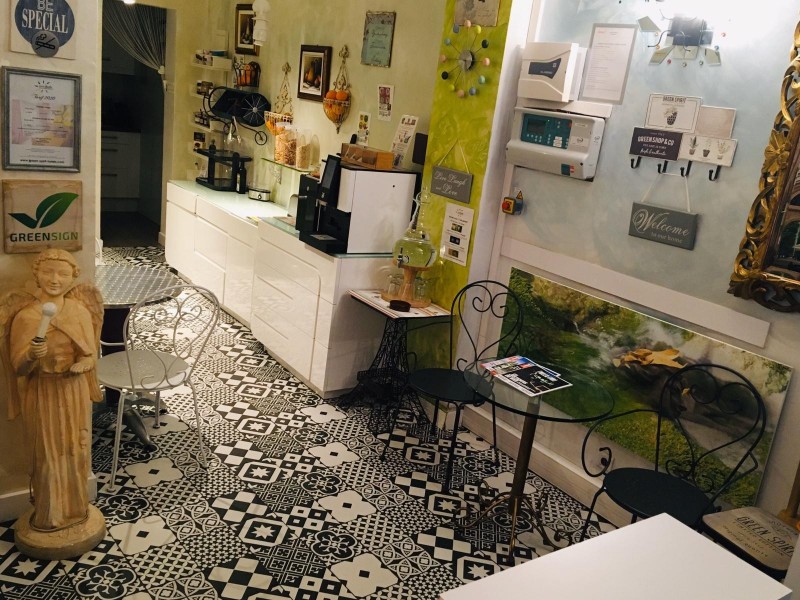
The Green City Hotel Vauban delivers leftover food directly to a food station across the street from the hotel or redistributes oversized orders regionally. The three Green Spirit Hotels in Paris use humorous signs in English and French to educate guests on how to avoid wasting food. In fact, composting is now mandatory in France to ensure sustainable recycling of waste.
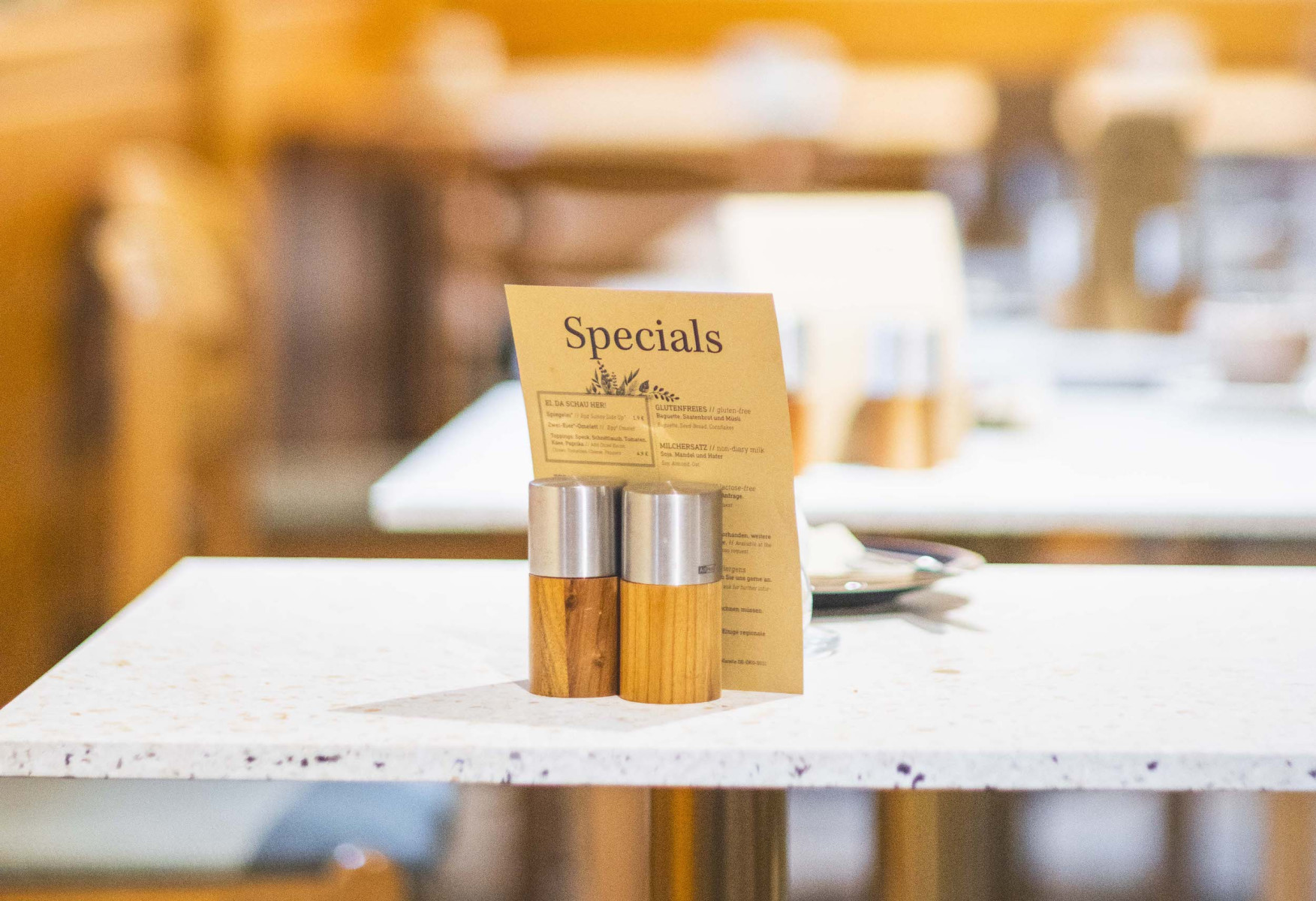
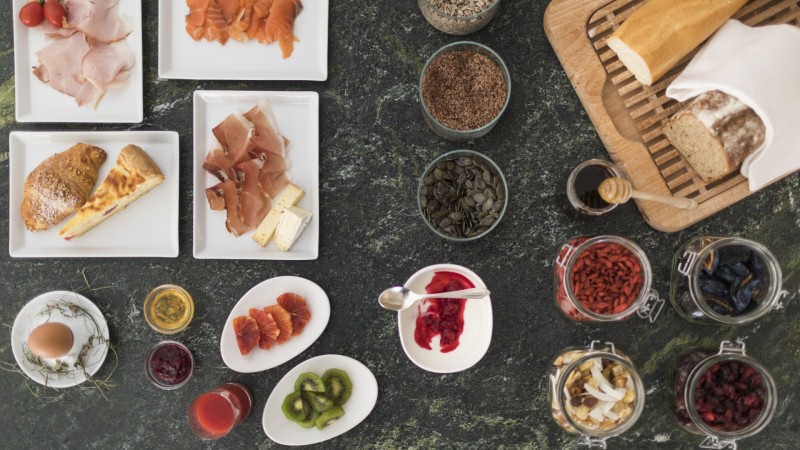
The Hotel Luise in Erlangen, Germany, produces virtually no food waste: According to the hotel, only 5 grams of food is left over per guest per meal. This is achieved through intelligent plate layouts, smaller plates, and targeted questions at the end of breakfast to allow for individual refills rather than completely replenishing the buffet.
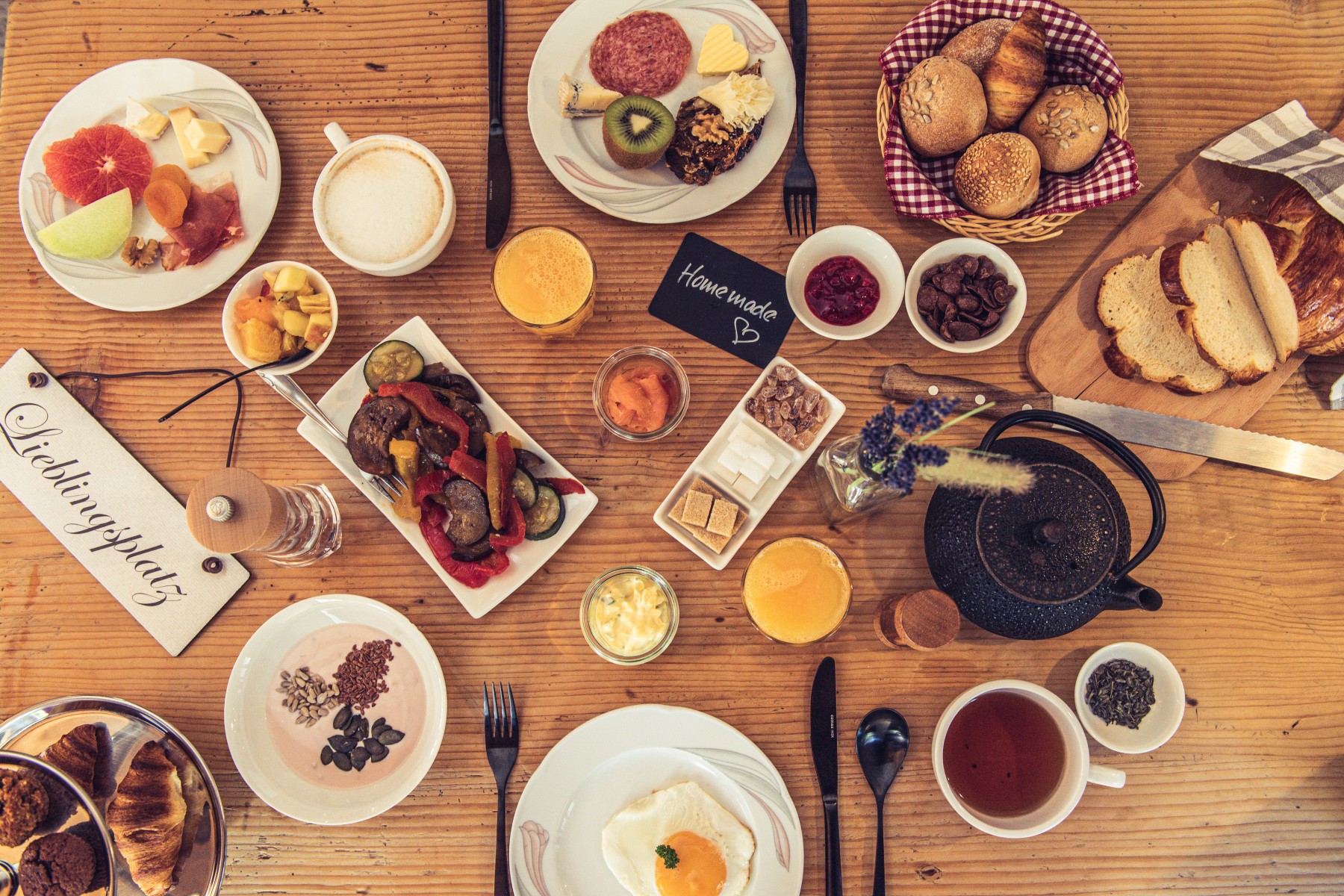
The Hotel Bella Vista in Zermatt only prepares egg dishes at the breakfast buffet on request, also to encourage more conscious eating habits. The hotel also freezes leftover bread for use in other dishes. As a member of "United against Food Waste", the hotel is actively involved in the fight against food wastage and also raises awareness of this important issue among its guests.
Reducing Food Waste together
With their individual approaches, Green Pearls® partner hotels demonstrate that sustainability in the hotel industry is not only possible but can be inspiring and innovative. Whether it's creative use of leftovers, homemade products such as syrups, targeted portioning, or sharing surplus food with NGOs and staff, each hotel is doing its part to reduce food waste. From large-scale recycling initiatives like The Pavilions Himalayas and Farmhouse Smiling Gecko to fine-tuned efforts like Relais del Maro and Hotel Luise, these hotels are setting new standards for responsible resource use and demonstrating how sustainability can look different.
For more information and/or images, as well as for further inquiries (cooperation or press trips), please get in touch with us at press@greenpearls.com.