

Protests against Mass Tourism: How Sustainable Hotels can Contribute to a Solution
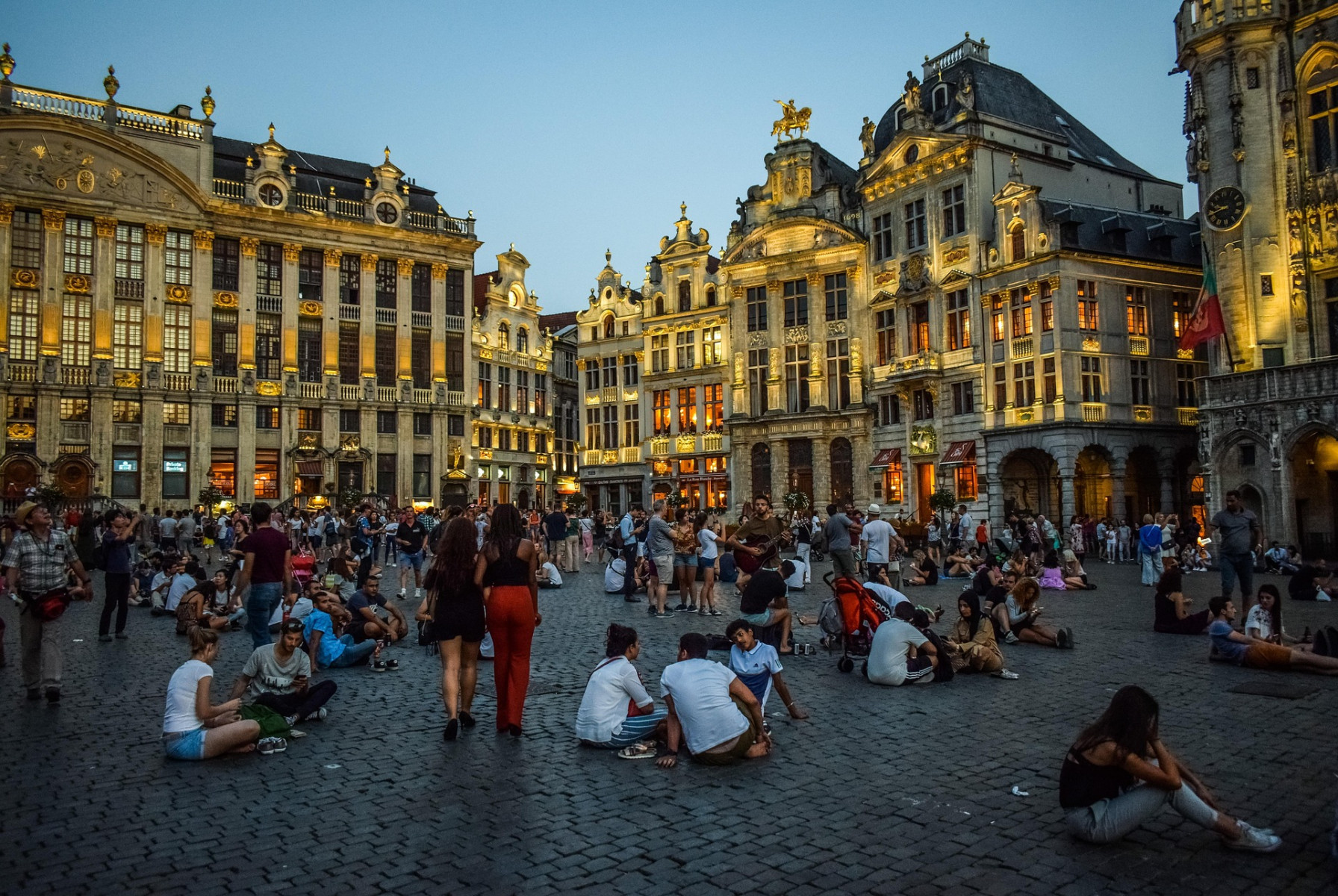
Mallorca, Tenerife, Barcelona, Venice, Lisbon – in many of Europe's tourist hotspots, residents are growing increasingly angry. Tens of thousands protest against rising rents, overcrowded streets, destroyed ecosystems, and the loss of regional identity. Criticism of mass tourism is no longer a niche issue but an expression of a growing social consciousness. However, it is not a question of rejecting tourism altogether, but of reshaping it, especially in the interests of the local population.
Tourism is more than an economic factor: if properly organized, it can promote understanding between cultures, break down prejudices, and facilitate peaceful encounters across national, religious, and social boundaries. In times of increasing geopolitical uncertainty and social division, travel in its best sense also contributes to international understanding. It is therefore all the more important to ensure these exchanges are fair, respectful, and sustainable.
So, What Can Be Done to Involve Local People, Avoid Conflict, and Promote More Sustainable Tourism?
Industry experts Günter Ihlau and Wolfgang Isenberg published their program “Tourism Criticism as an Opportunity: 10 Points to Promote the Acceptance of Tourism” in July 2024. It responds to the growing criticism of mass tourism with concrete proposals. These include the involvement of local stakeholders in planning processes, more equitable economic distribution, the strengthening of regional culture, and investment in sustainable infrastructure. Rather than focusing on short-term profit, the report emphasizes long-term social and environmental sustainability. Among other things, respectful, equal dialogue plays a central role, combined with clear actions that serve the common good.
Tourism as an Opportunity: New Approaches Instead of Total Renunciation
As one of the main players in the tourism industry, hotels hold a key position in a sustainable tourism strategy. They can be part of the problem or part of the solution. Green Pearls® accommodations, a network of sustainable pioneers around the world, show how responsible tourism can be put into practice: with a holistic, sustainable approach that accounts for the environment, local communities, and guests. The goal is not just to be a host, but to be seen as an active part of the region.
South Tyrol: A Model Region for Sustainability and a Tourist Magnet
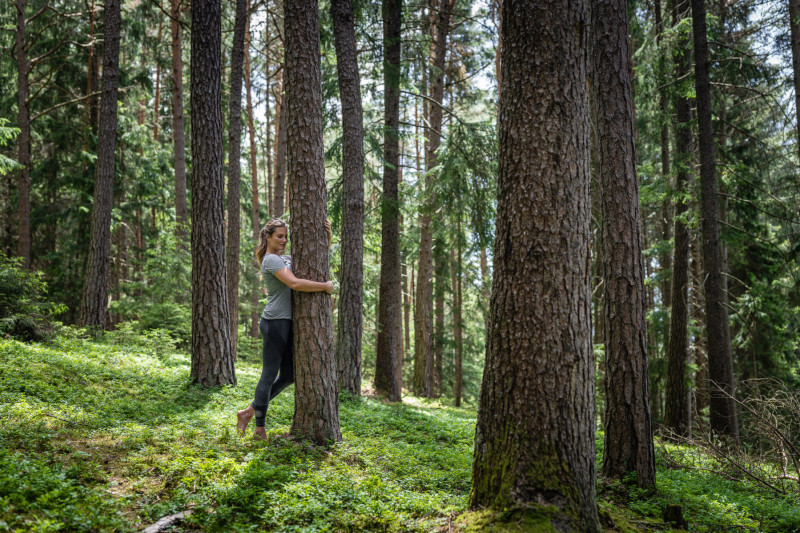
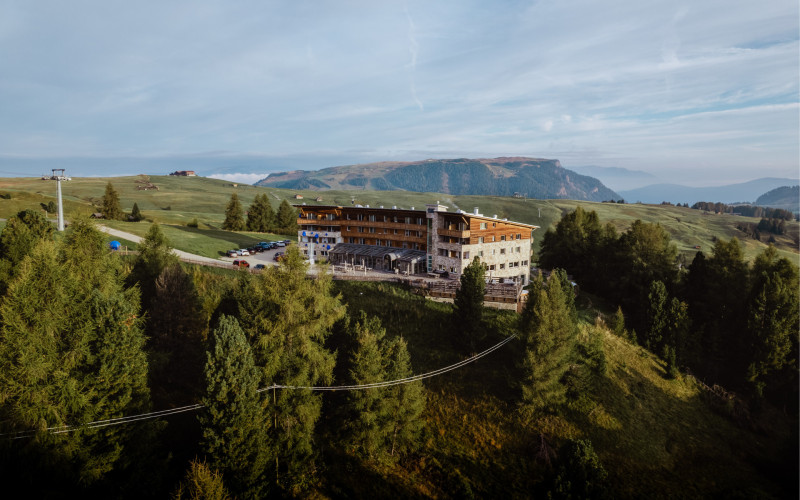
In South Tyrol, where overcrowding is a problem, several Green Pearls® hotels are positioning themselves as a conscious alternative to mass tourism. My Arbor in Brixen sees itself as a refuge in the midst of nature. Hotel manager Alexandra Huber explains: "We believe hotels have a great responsibility to counteract the negative consequences of tourism through energy-efficient construction, regional sourcing, and waste avoidance, but also through social commitment." The hotel works with local partners, supports local initiatives, and raises guest awareness of environmental and cultural issues. For Huber, one thing is certain: "Sustainable solutions can only be found through close cooperation with the South Tyrolean region as a whole."
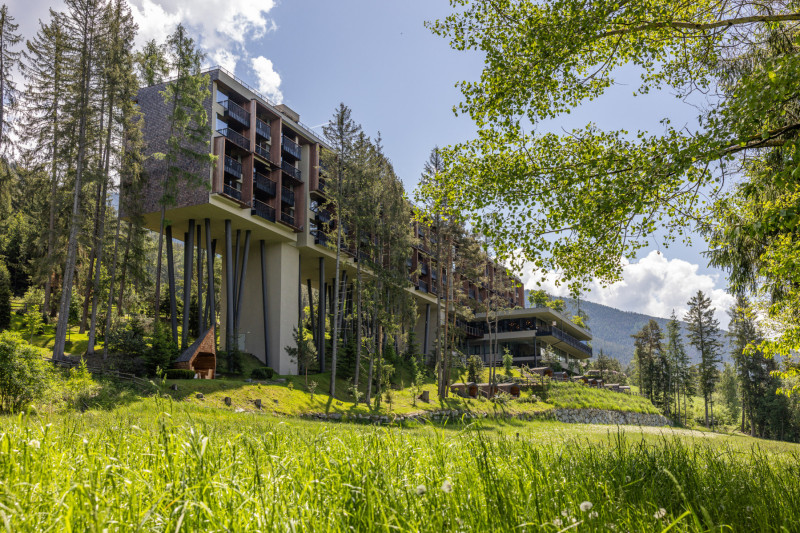

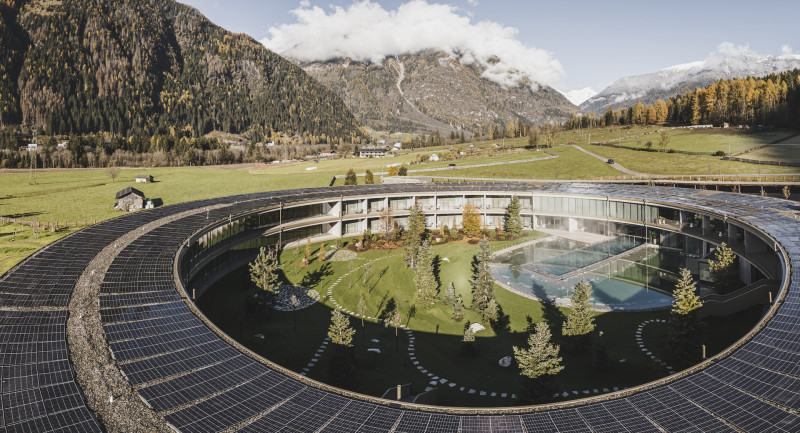
Another example is the OLM Nature Escape eco-aparthotel, which focuses on renewable energy and quality tourism. It aims to encourage longer stays and spread out travel periods. "In a few years, you'll have to book twelve months in advance," envisions owner Christian Lechner with a wink. Sustainability does not mean sacrifice here, but exclusive quality. The architecturally visionary building is energy self-sufficient, uses natural materials and circular processes, and offers a conscious experience of nature in harmony with the environment and the region.



A more sensitive issue recently affected the vegan sister hotels LA VIMEA in Naturns and Paradiso Pure.Living on the Seiser Alm. Both are known for their consistently sustainable approach. After a tragic incident in which a bear fatally injured a jogger in Trentino-Alto Adige and was subsequently killed, animal welfare organizations called for a boycott of the region. The two hotels were also contacted and criticized by guests. "We understand our guests and share their concerns about the treatment of wild animals," said Marketing Manager Anna Chuvina. "Our response is to make our operations even more sustainable and animal-friendly, and to actively involve our guests in this approach." Both LA VIMEA and Paradiso Pure.Living are completely free of animal products and committed to a plant-based, conscious lifestyle.

Close Cooperation in the Black Forest
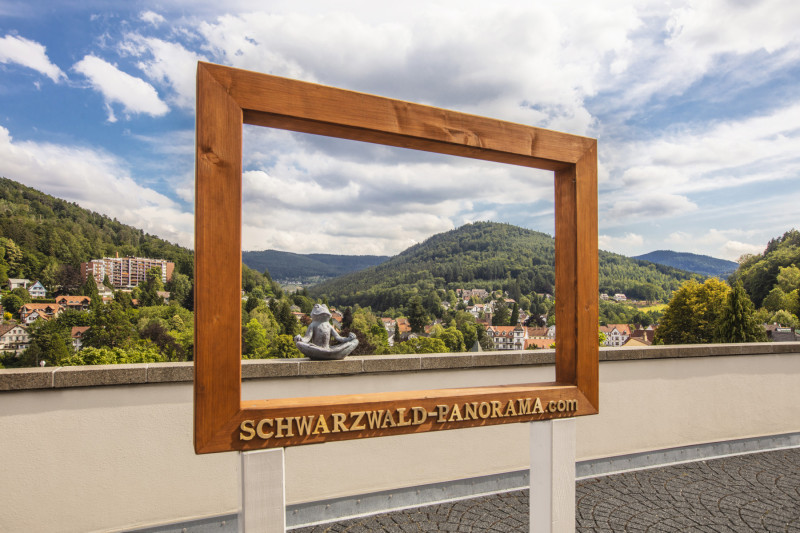
The SCHWARZWALD PANORAMA in Bad Herrenalb, a relatively quiet region, is currently working on its first Common Good Balance Sheet. Manager Stephan Bode emphasizes: "We see it as our responsibility to make our activities not only ecologically sustainable, but also socially sustainable." The report is being prepared in collaboration with the University of Heilbronn. It aims to create an ethical balance between economic success and benefits for the community. Although Bad Herrenalb is currently rather affected by "undertourism", the focus is on exchange with local authorities, associations, and the regional economy. Here, sustainability also means transparency, for example, by regularly informing guests about current offers and measures from the hotel itself and local companies.


Overtourism in Austria
Hotels in the Tyrolean Alps are also confronted with the effects of mass tourism, such as increased traffic and air pollution. The Biohotel Grafenast offers a conscious alternative. "Gentle tourism is a matter of course here," is Peter Unterlechner's succinct but firm statement. Sustainability is not just a concept but part of everyday life: 100% green electricity, conscious use of resources, and no plastic in favor of environmentally friendly alternatives. The kitchen uses only certified organic food from the region. In addition, the hotel is actively involved in nature conservation and socially just development.
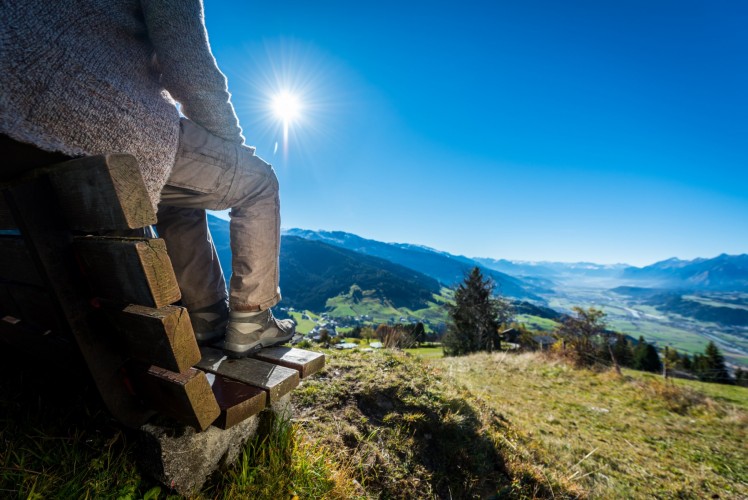

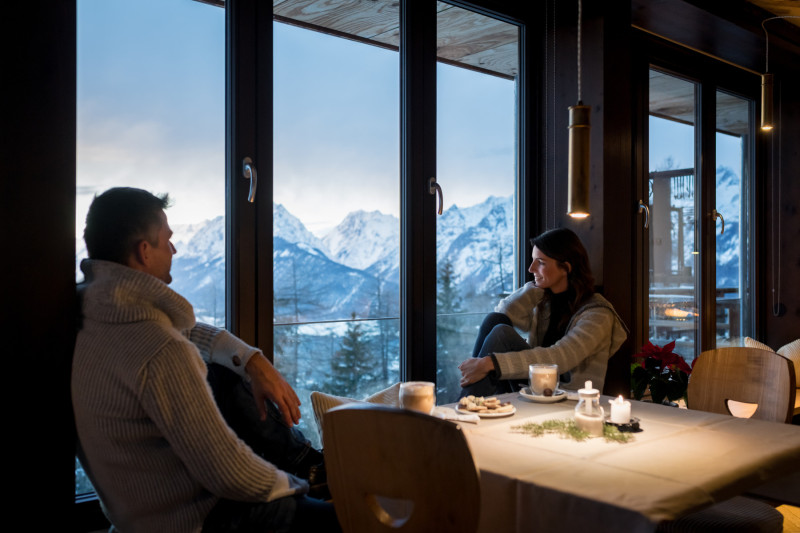
The Summit Lodges in Pfunds are also calling for a radical rethink. "We have to see tourism as an individual experience again and not as mass processing," demands host Marco Spiss. Dumping prices and cheap offers harm nature and the local population. Sustainability also means fair prices and treating people and the environment with respect. Spiss emphasizes that tourism is essential for the Tyrolean economy, but short-term special offers and corporate interests lead in the wrong direction. The negative consequences are mainly felt by the locals and nature. The Summit Lodges, therefore, focus on nature-oriented design and authentic experiences.


More Tourists than Locals at the Baltic Sea
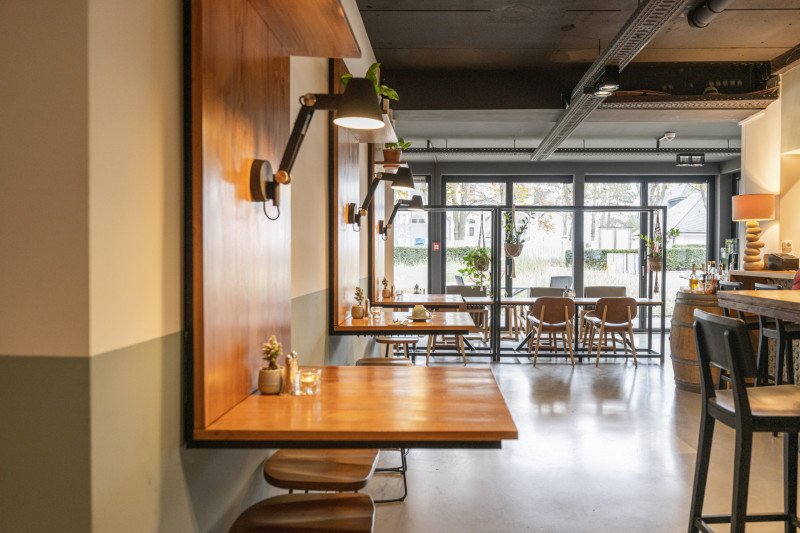
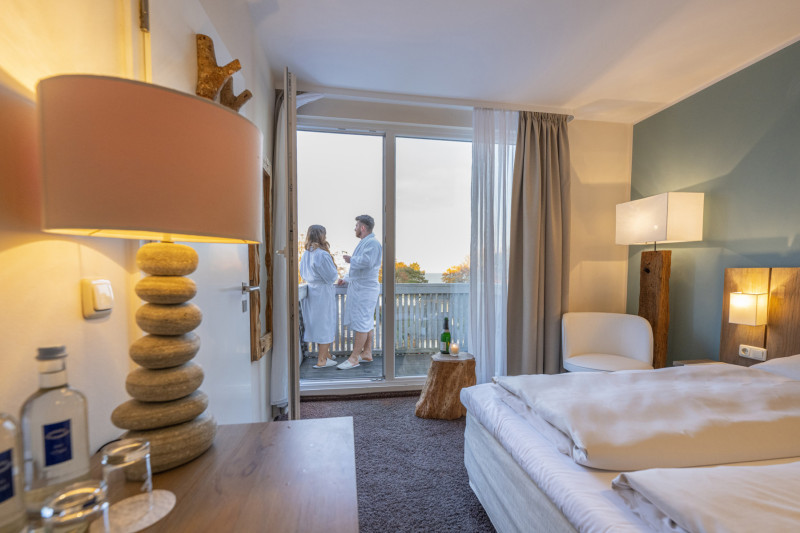
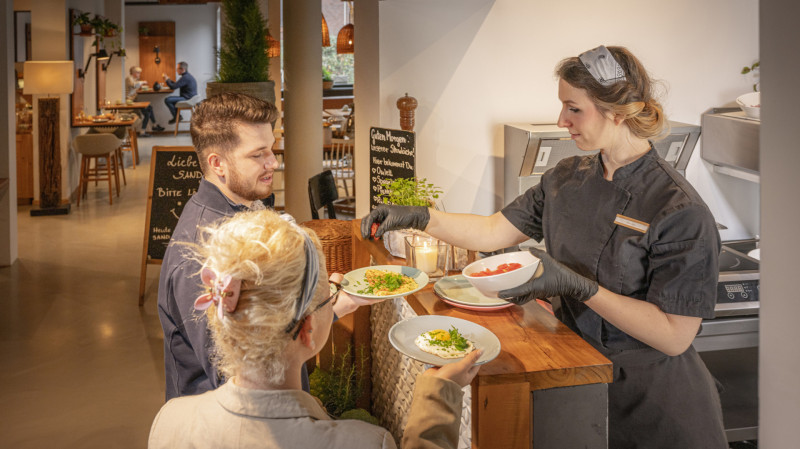
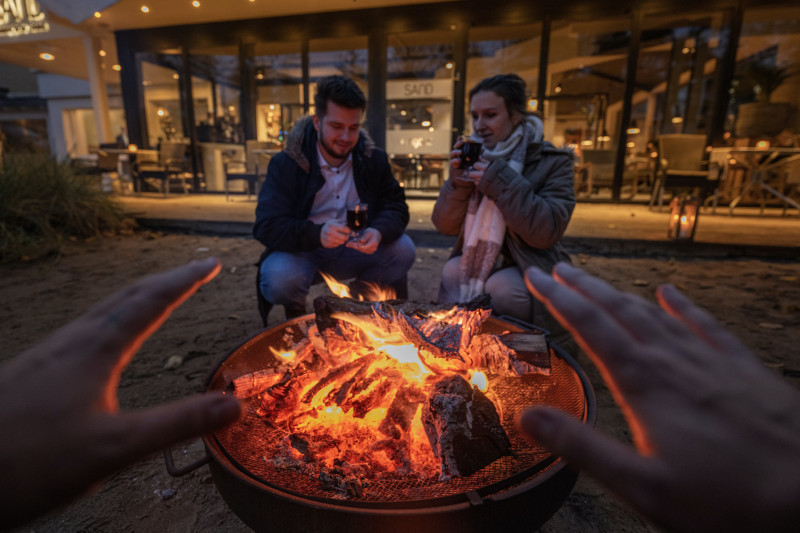
A change of scene to the coast: The Lifestylehotel SAND in Timmendorfer Strand, Germany, has to contend with heavy daytime tourism, especially during the summer months. Manager and owner Marion Muller wants to actively contribute to finding solutions: "Sustainable tourism can only succeed through cooperation, especially in places with high visitor numbers." The town depends on tourism, and with it comes responsibility: tailor-made offers, fair local taxes, and conscious cooperation between all parties involved. The hotel is involved in environmental projects, cooperates with local partners, and takes joint responsibility for cleanliness and quality of life. With regional cuisine, resource-efficient management, and architecture made from natural materials, the hotel demonstrates how mindful tourism can succeed even in high-traffic locations.


Social and Forward-Thinking
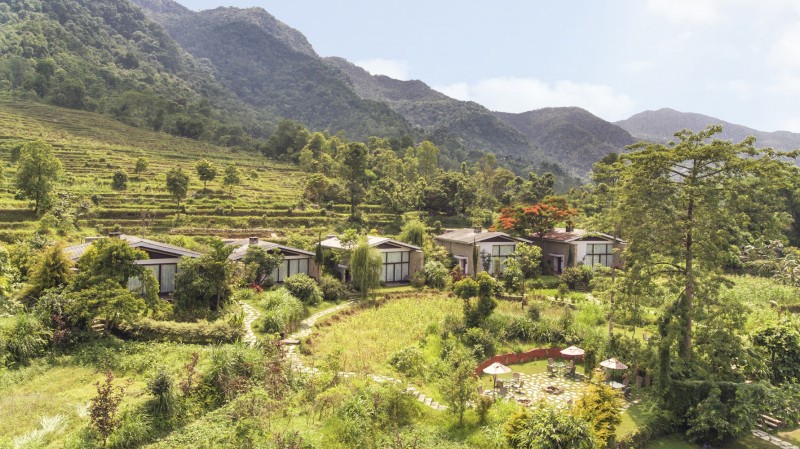
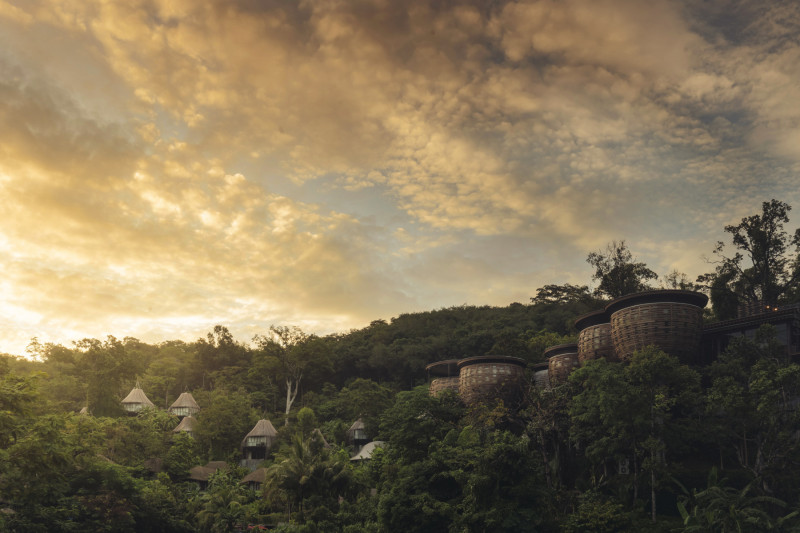
At The Pavilions Himalayas – The Farm in Nepal, tourism is only considered sustainable if it respects the local way of life. The hotel works closely with the community, promoting traditional crafts and investing in education and health. Keemala in Phuket, Thailand, demonstrates a similar understanding with its environmentally friendly operations, active community involvement, and efforts to educate guests. The goal is a harmonious coexistence of tourism and culture as complementary rather than competing forces.
Sustainability as a Model for the Future of Tourism
Tourism is here to stay – as an expression of our longing for other cultures, an economic factor, and a source of personal enrichment. However, new approaches are needed to remain welcome in the future: quality over quantity, and a greater responsibility and respect. Green Pearls® accommodations show that this is not a contradiction to economic success, but rather a model for the future. They demonstrate that sustainability begins with listening and does not end with organic coffee and solar power. It encompasses social justice, a commitment to regionalism, and a sincere effort to be good hosts to travelers and the people who live there.