

When AI Plans the Vacation – Between Digital Visibility and Personal Hospitality
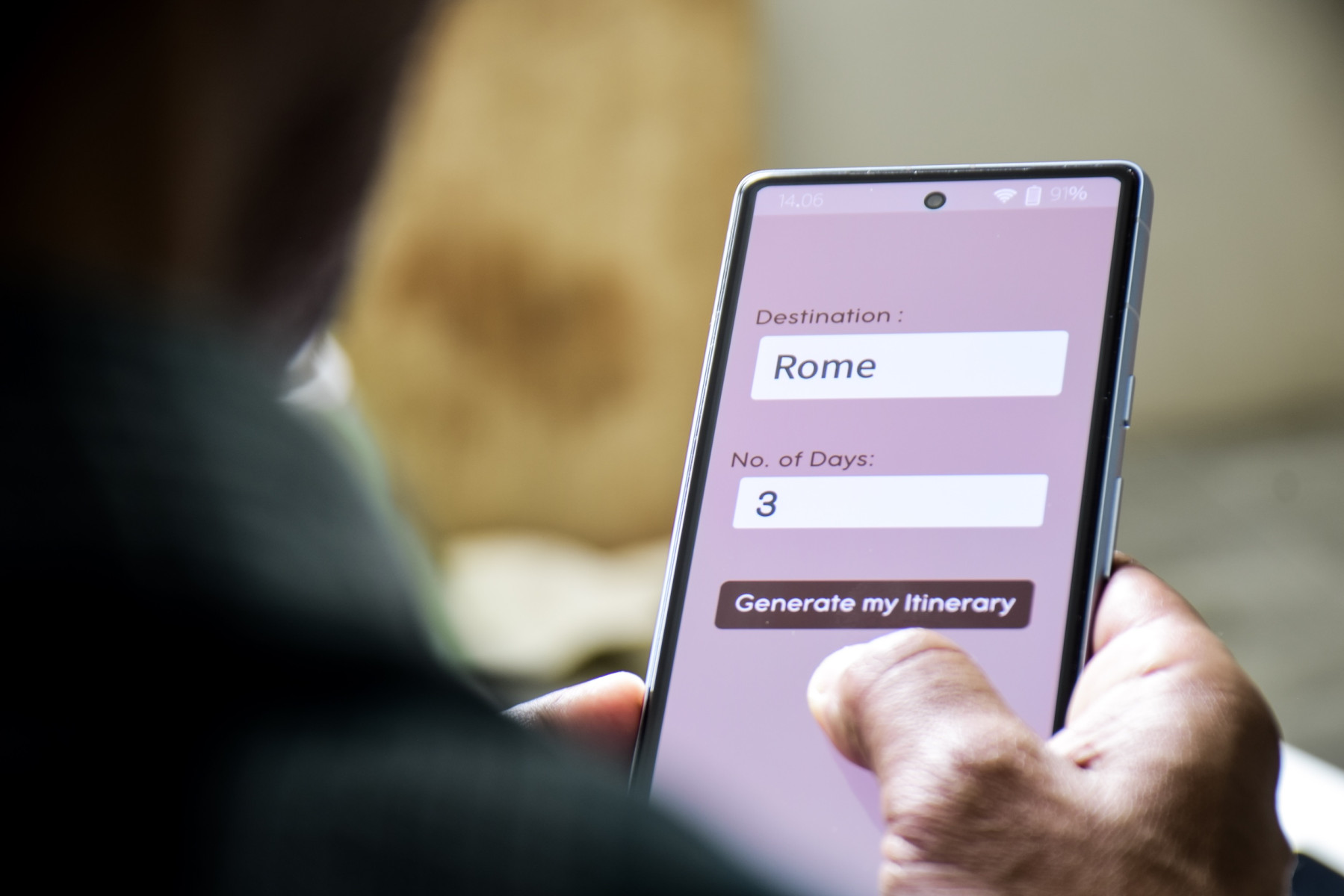
Today, people are less likely to plan a trip by flipping through a catalog on the couch and more likely to do so by interacting with artificial intelligence. What sounded like science fiction just a few years ago has become everyday reality in 2026, changing not only the way travelers make decisions but also how hotels (have to) communicate with their guests in order to remain visible and build trust.
One-third of Germans plan their vacations using AI
The numbers speak for themselves: The Adyen Index "Hospitality & Travel Report 2025," which is based on a survey of 40,000 consumers and over 8,000 hoteliers worldwide conducted by the fintech platform Adyen, shows a sharp increase in the use of AI in German travel planning. Nearly one-third of German respondents (32 percent) now rely on AI-powered tools when planning vacations. Compared to 2023, this represents a 72 percent increase in just twelve months.
This trend's breadth is particularly noteworthy. Although Generation Z (62%) and Millennials (46%) lead the usage statistics, the strongest growth is being seen among older generations. According to an Adyen study, baby boomers increased their use of AI for travel bookings by 106 percent and Generation X by 95 percent compared to the previous year.
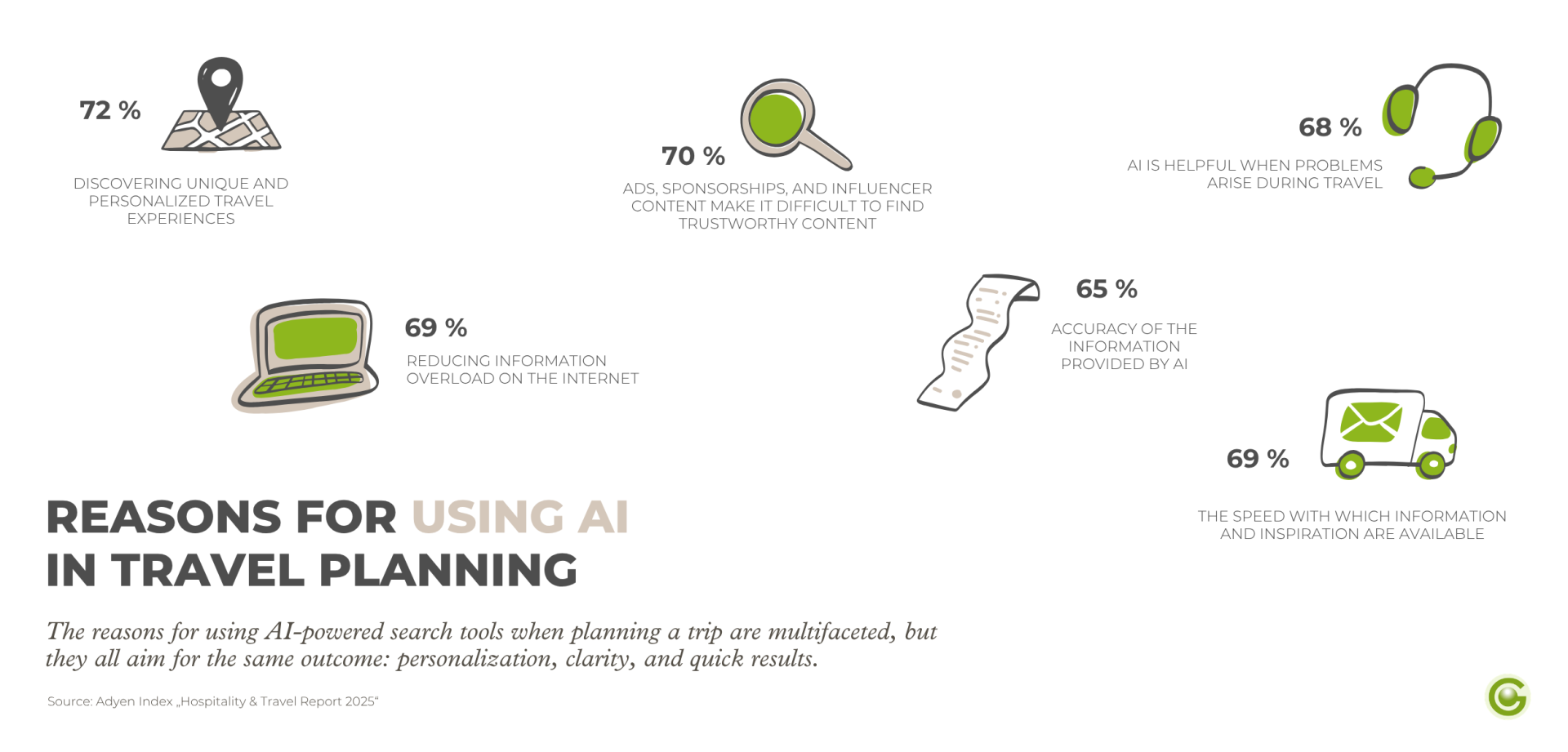
The question of "why" is complex. Ultimately, however, it always boils down to the need for guidance amid an overwhelming abundance of information. According to an Adyen study, 70 percent of AI users find social media frustrating because they are inundated with ads, influencer content, and sponsored posts. In this context, AI tools offer a welcome shortcut. Additionally, more and more providers are integrating AI directly into their platforms to ensure a seamless experience from inspiration to booking.
Booking Trends in 2026: more spontaneous, last-minute, and direct
In addition to the AI trend, another closely related development has emerged. Booking behavior is becoming more spontaneous. Travelers are making last-minute decisions more often and responding more strongly to current factors, such as weather and availability. They are also comparing offers in real time. The search for travel experiences increasingly starts through digital channels, such as search engines, booking platforms, social media, and AI chatbots. Someone who discovers a place on TikTok today may book accommodations there just hours later. Inspiration, comparison, and booking can be just minutes apart.

In this environment, tourism businesses are faced with the urgent question of how to keep their websites discoverable, as travelers are increasingly using AI tools to plan their trips that no longer provide traditional search results, but rather direct (and often untraceable) recommendations. The first AI agents can already create complete travel itineraries. Those who aren’t visible in these systems simply don’t exist for a growing proportion of potential guests. Many hoteliers have already recognized this new reality. According to the Adyen report, 55 percent of German accommodation providers believe that AI search tools will transform the industry.
However, there is often a discrepancy between the broad findings of large-scale studies and the front desk's actual experiences. Therefore, Green Pearls® asked its partner hotels about changes in booking behavior and the use of AI in their day-to-day operations, and how they are responding to these changes.
The return of ‘non-commitment’
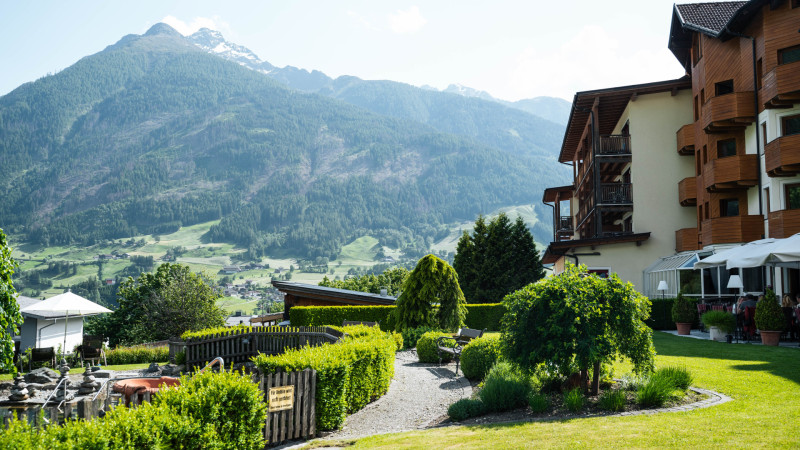
Since the pandemic, the two sister hotels in South Tyrol Paradiso Pure.Living and LA VIMEA have experienced a significant shift, one that has gained even more momentum due to economic uncertainty in Europe over the past two years. Both hotels' teams report that the proportion of last-minute bookings has risen significantly. Guests are planning less far in advance, opting for flexibility and basing their decisions on location, weather, and personal preference. At the same time, the average length of stay has shortened. Both hotels do not view this as a passing trend but rather as a reaction to real-world conditions, such as economic uncertainty, changing work situations, and a growing need to commit as little as possible. For the hotels, this means offering even greater freedom of choice in their communication and the design of their offerings.
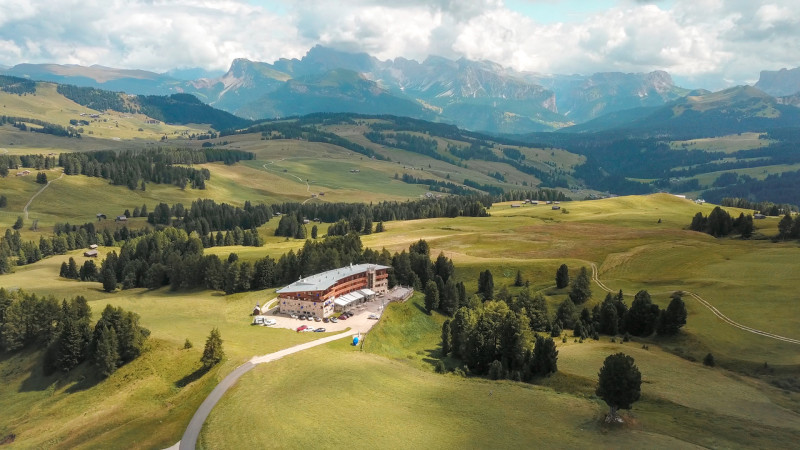
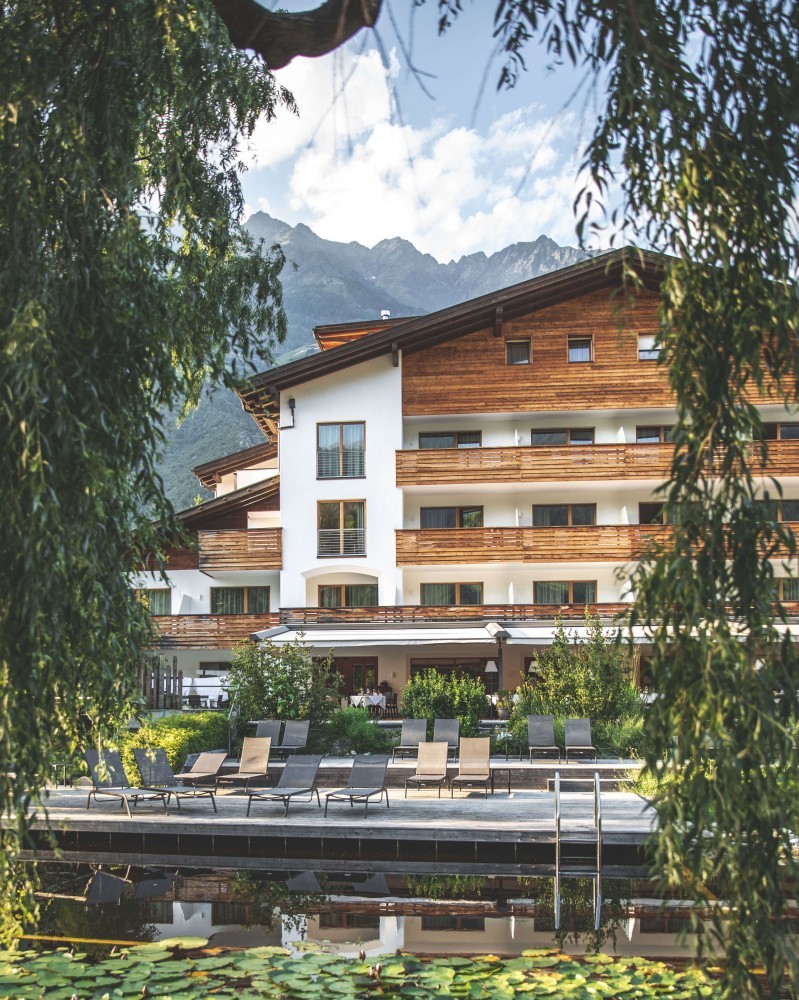
The Naturresort Gerbehof on Lake Constance is having a similar experience. Since the pandemic began, booking habits have fundamentally changed. Guests are booking with less advance planning and prefer a cancellation guarantee until their arrival, a request that many smaller businesses cannot fulfill without endangering their financial stability. According to owner Ursula Wagner, everything is done digitally now, and personal phone calls have become the exception. Inquiries are sent simultaneously to dozens of hotels, with no personal connection to a specific property. This is the downside of the new booking culture: it offers comparability and efficiency from the guest’s perspective but also depersonalizes the experience, which runs counter to the spirit of genuine hospitality.


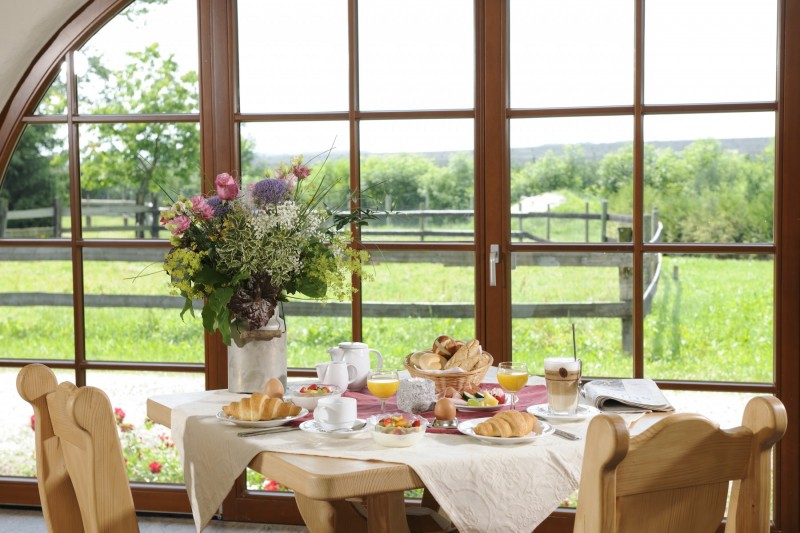
At the ADLER Ritten in South Tyrol, two seemingly contradictory trends have emerged simultaneously. On the one hand, guests want to extend their stays to fully immerse themselves in a place's culture, history, and energy. This trend toward mindful travel is evident at the ADLER Ritten: guests arrive, sit down, and enjoy the view and silence. On the other hand, last-minute bookings, particularly for shorter stays, are on the rise, especially during the shoulder seasons. Many travelers today make decisions at the last minute. Those who don't want to commit early book spontaneously, provided inspiration strikes at the right moment.
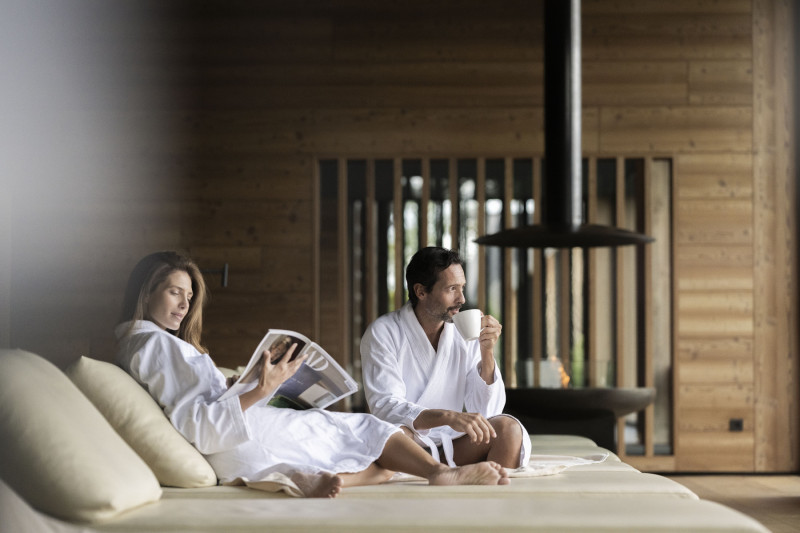
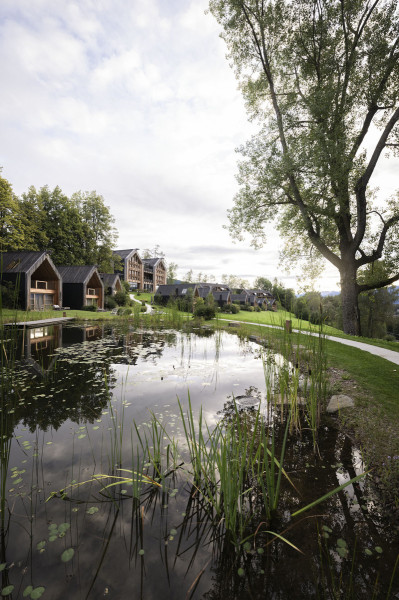
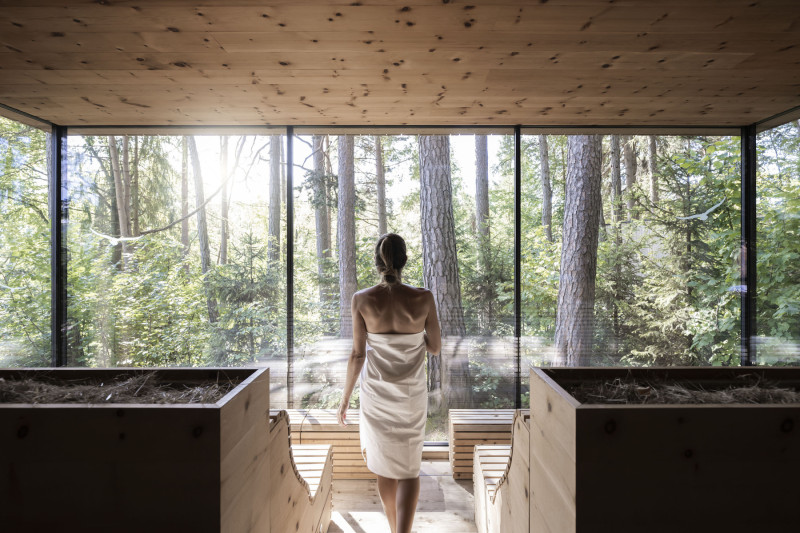
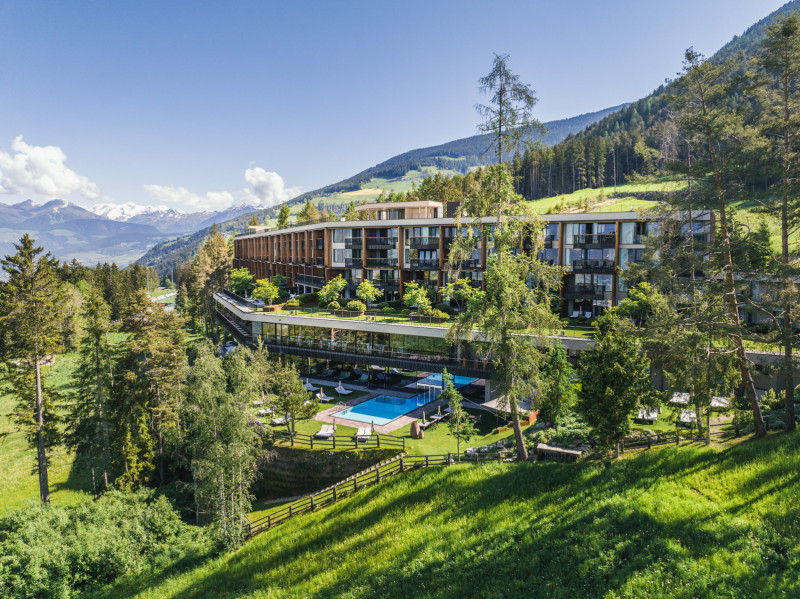
The tree hotel My Arbor in South Tyrol is experiencing shorter decision-making cycles, more thorough price comparisons, and an increase in demand for personalized offers. In this context, digital assistance systems, including AI tools, are playing an increasingly important role. Therefore, the hotel is committed to responding to guest requests with greater individualization and creating experiences that no algorithm can replicate. Those who book a stay at My Arbor are not looking for a standardized hotel experience. They’re looking for something that defies categorization. That is this unique wellness hotel’s strongest selling point compared to AI-powered booking channels.

What no algorithm can replace

The SCHWARZWALD PANORAMA in Bad Herrenalb is also seeing changes that align with the experiences of the other hoteliers. Guests are conducting more in-depth research, comparing options more closely, and using digital, AI-powered research tools more frequently. However, there is also a growing desire for transparency, meaningfulness, and credible sustainability. More personality, not more digitalization, is the motto, which is why the hotel is focusing on personalized advice, authentic communication, and clear values. Because, especially in the age of AI, many guests are looking for more than just information; they are looking for guidance, trust, and genuine recommendations.
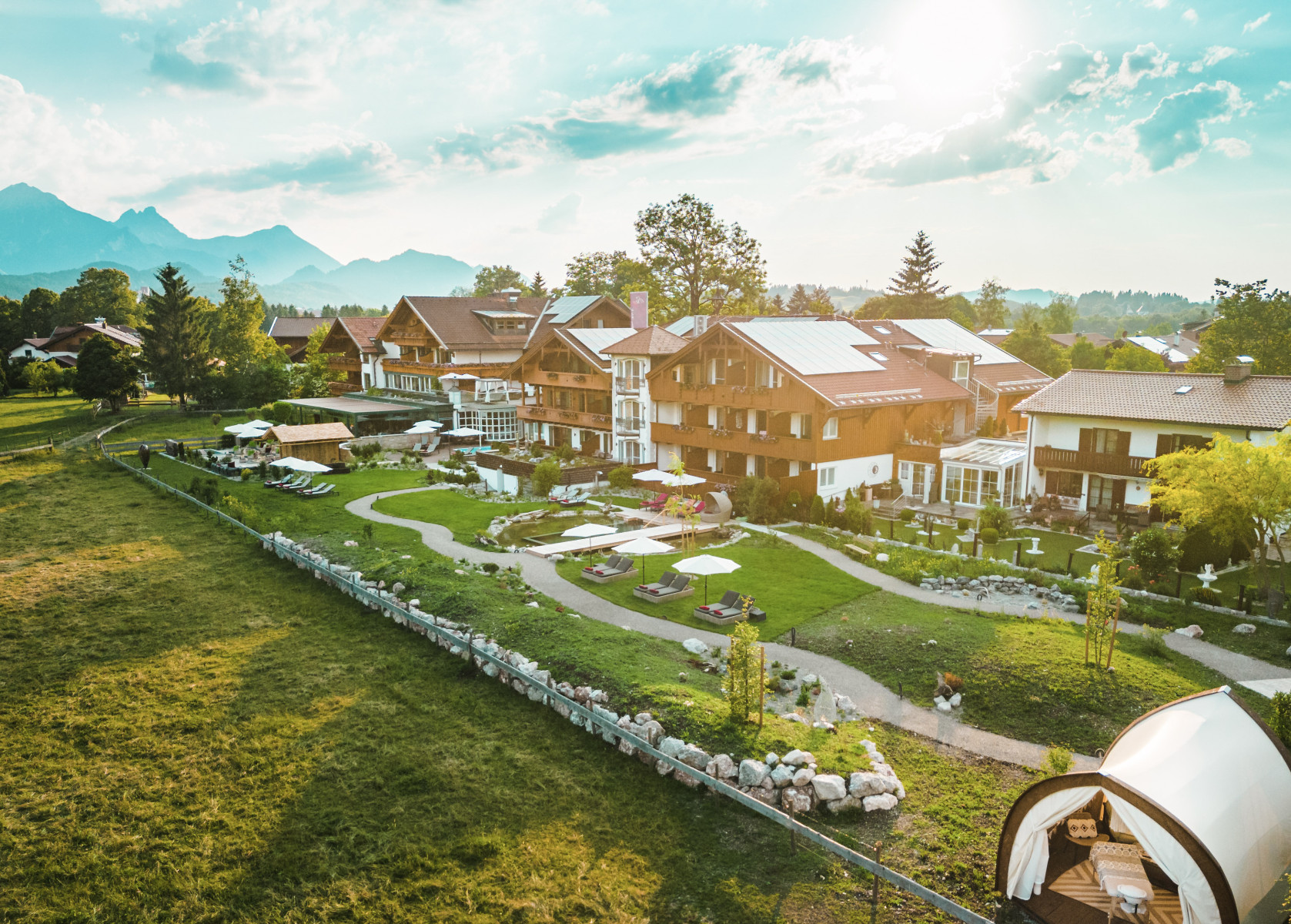
The Hotel Das Rübezahl, located in the Allgäu region, has also noticed the trend toward last-minute bookings and growing price sensitivity. Both are signs of a shift in decision-making behavior that also reflects the use of AI during the research phase. In response, the hotel offers personalized service, focusing on fostering a sense of connection, providing personalized advice, heartfelt recommendations, and individualized attention. That is something no algorithm can replace, and the hotel sees it as a clear competitive advantage. The team is convinced that the things people value about this place cannot be automated.
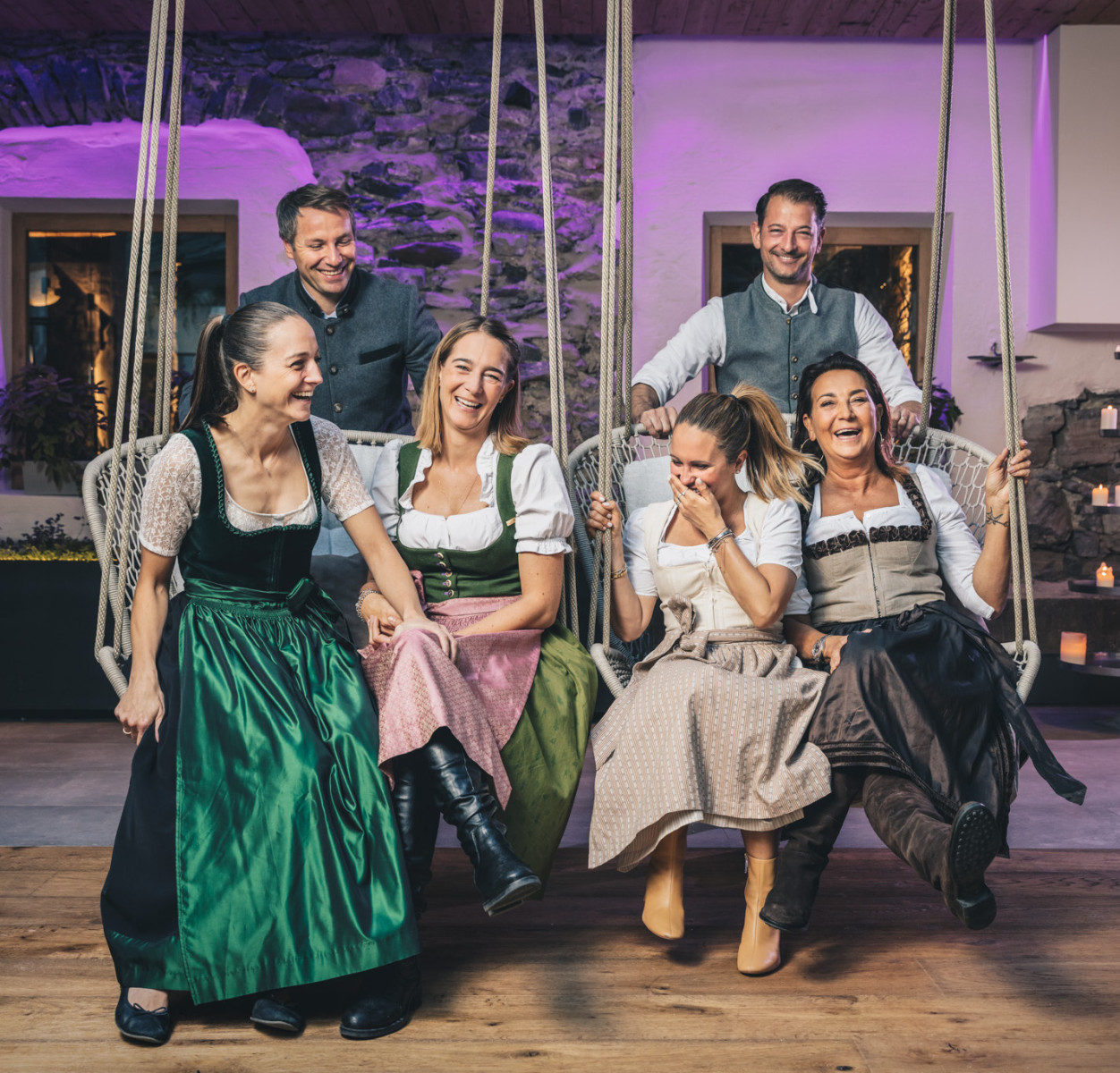
In contrast, the long-established Tyrolean Hotel Klosterbräu in Seefeld has not seen any significant changes in booking behavior that can be attributed to AI. Guests continue to seek information through traditional channels and personal recommendations. Nevertheless, the hotel believes that AI-powered inspiration, automated price comparisons, and personalized travel suggestions will grow in importance. Therefore, the hotel continues to invest in clear, authentic content; transparent offers; and a strong direct-booking strategy. Personal contact remains a key factor for success. While technology will make processes more efficient, trust, emotion, and genuine hospitality ultimately determine whether a guest returns.
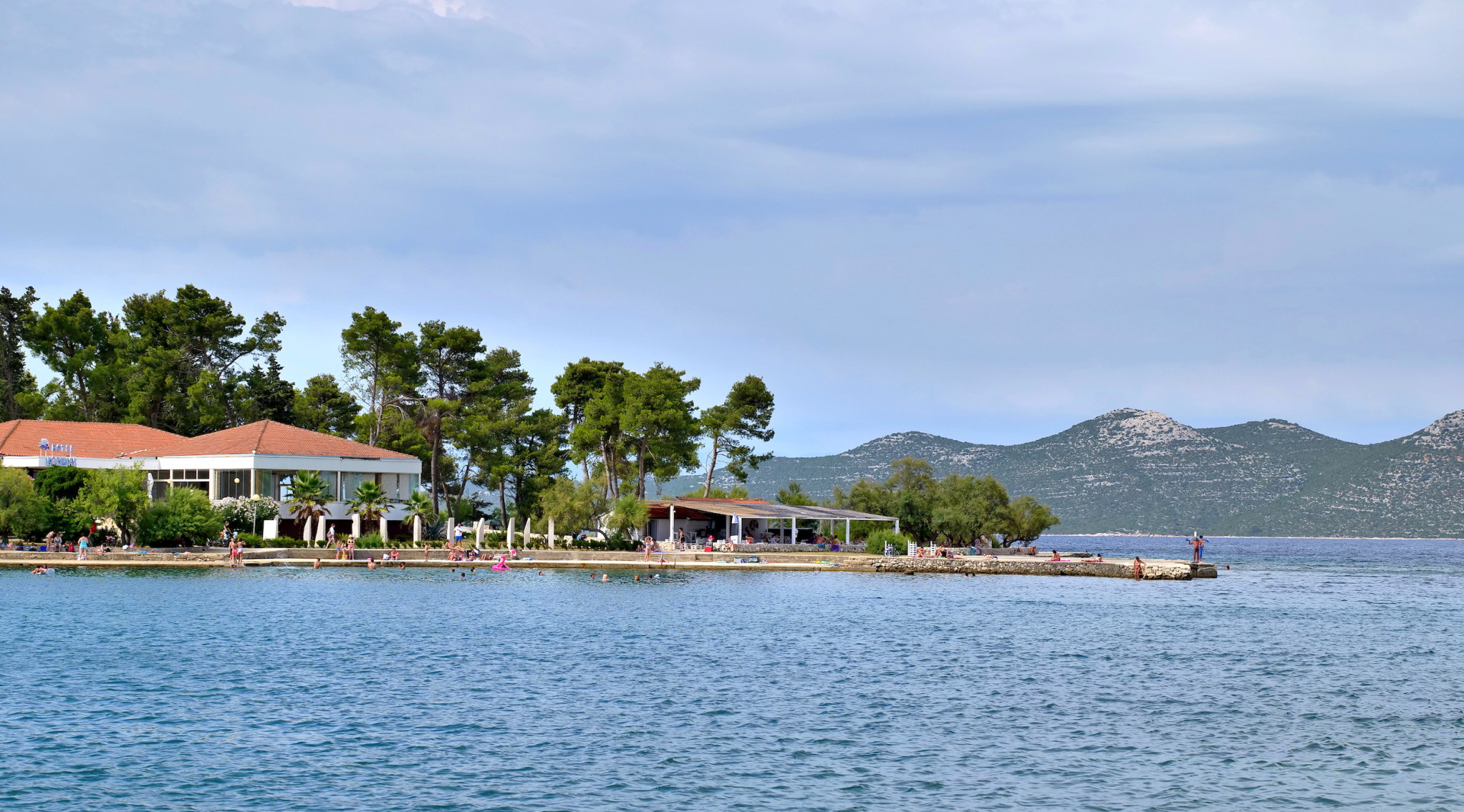
The Croatian Hotel Korinjak exemplifies an experience likely common to many smaller, boutique establishments. Most guests find the hotel through word of mouth or personal experience. The hotel attributes the lack of noticeable AI-driven booking trends to the unique nature of its offerings. Businesses with unique, hard-to-categorize products often don’t appear in popular search engine results or AI tool suggestions and must rely on personal recommendations and strong networks.
When AI brings in the guests
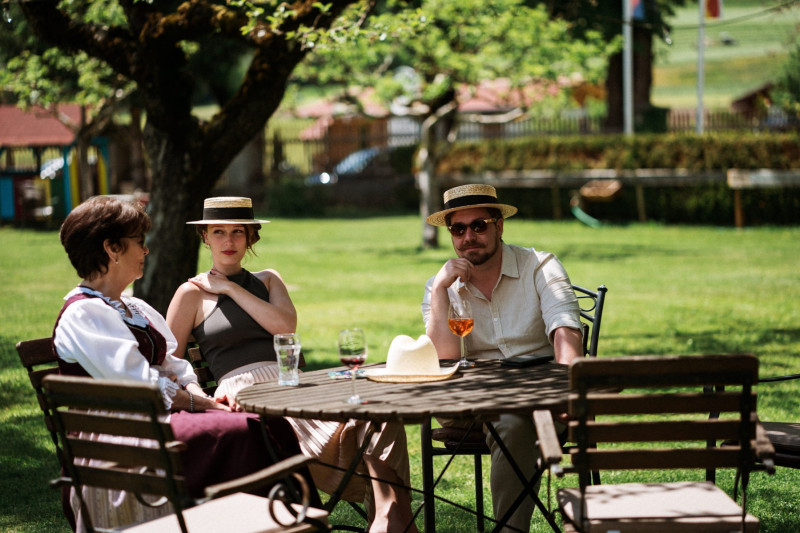
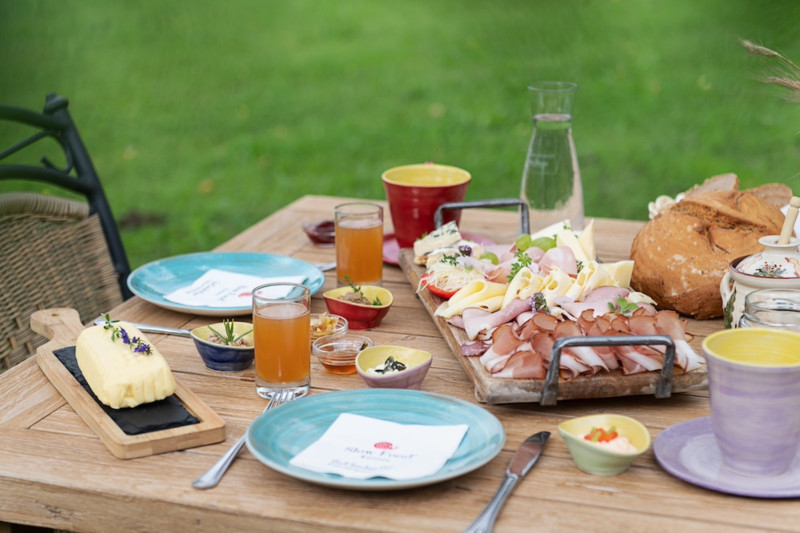
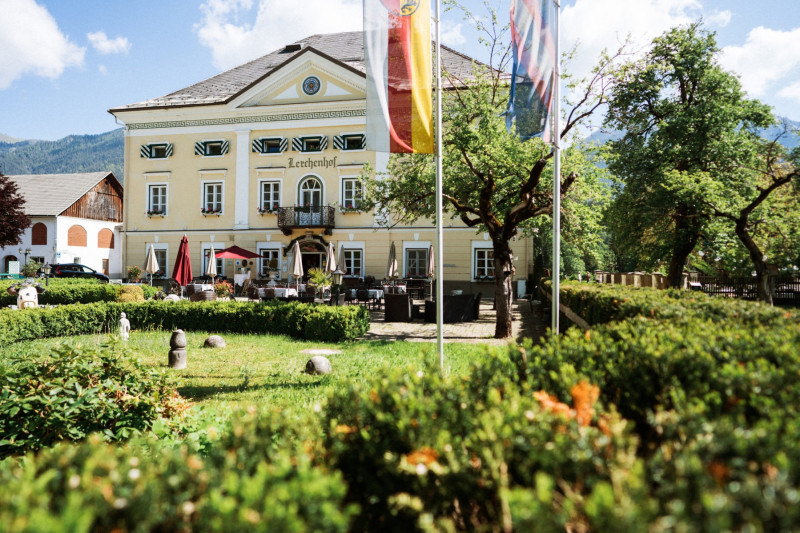
The Carinthian Hotel Schloss Lerchenhof is a particularly concrete data point. Several guests of the hotel's restaurant have reported that they came to dine there based on an AI recommendation. This is the first measurable evidence showing how AI is helping people make decisions, including when choosing a restaurant, and not just when searching for hotels. In terms of bookings, Schloss Lerchenhof is also seeing a clear trend toward last-minute reservations. Long-term bookings of more than one week are becoming less common, and the average stay is now four nights. Since switching to a new booking system in 2024, the Lerchenhof has also recorded around 80 percent of bookings as direct, up from around 50 percent previously. A development that shows digital infrastructure and direct sales go hand in hand.
The Hotel Okelmann's in Lower Saxony has noticed an increase in guests discovering the hotel through AI-powered searches, whether for personal stays, business trips, or events. The hotel views this development very positively. At the same time, the number of direct bookings through the hotel’s website has risen significantly. To encourage this trend further, Okelmann’s will introduce a correspondence manager this spring to simplify and speed up communication with guests. This underscores the significance of capitalizing on successful AI discoveries through a captivating website and an intuitive booking process.


Clarity as a strategy

The Hotel Weihrerhof, located on Lake Wolfsgruben in South Tyrol, has noticed an increase in specific and personalized search queries. Rather than searching for "hotel South Tyrol," guests now search for properties that align with their specific values and needs, such as sustainability, tranquility, a lakeside location, or family-run management. AI-powered searches differ from traditional keyword searches in that they process meaning, including context, rather than merely matching terms. Consequently, they deliver more precise results. In response to this trend, the Weihrerhof has developed a clear content strategy: content is formulated in a transparent, specific, and structured manner so that both human guests and AI systems receive a realistic and coherent picture of the hotel and its values, such as a connection to nature, time by the lake, and family.
The SANDcollection lifestyle hotel group in northern Germany describes an experience shared by many Green Pearls® partners. AI and social media help guests find their way around and provide travel suggestions, price estimates, and alternative dates in seconds. Digitalization has simplified the booking process and greatly accelerated decision-making, says owner Marion Muller. Nevertheless, guests still prefer to clarify details in person, for example, via phone, email, or live chat on the website. The FAQ section on digital booking platforms often fails to provide thorough or personalized answers. Against this backdrop, SANDnature (Baltic Sea) and SANDglow (North Sea) are pursuing a strategy based on clear positioning, including a strong corporate identity, an optimized online presence with concrete content, images, and video material, flexible cancellation options, and personalized offers instead of standard packages. Added to this is the targeted use of proprietary digital tools for data analysis and guest communication, combined with a commitment to providing personal service.

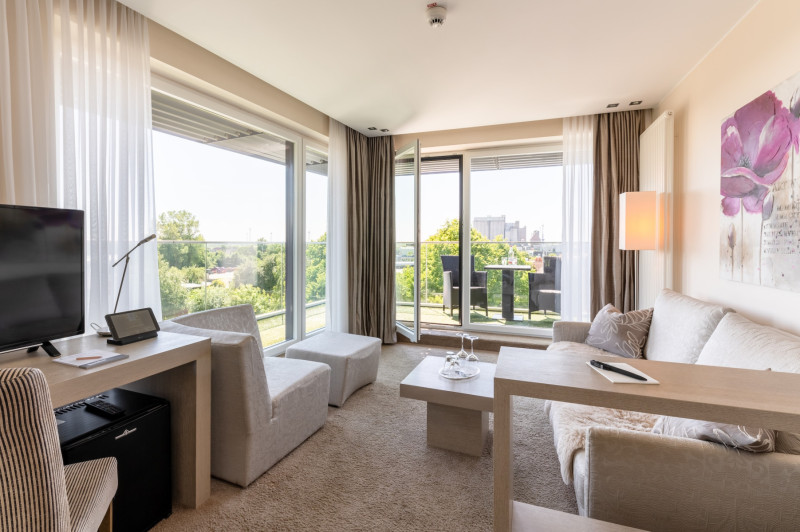
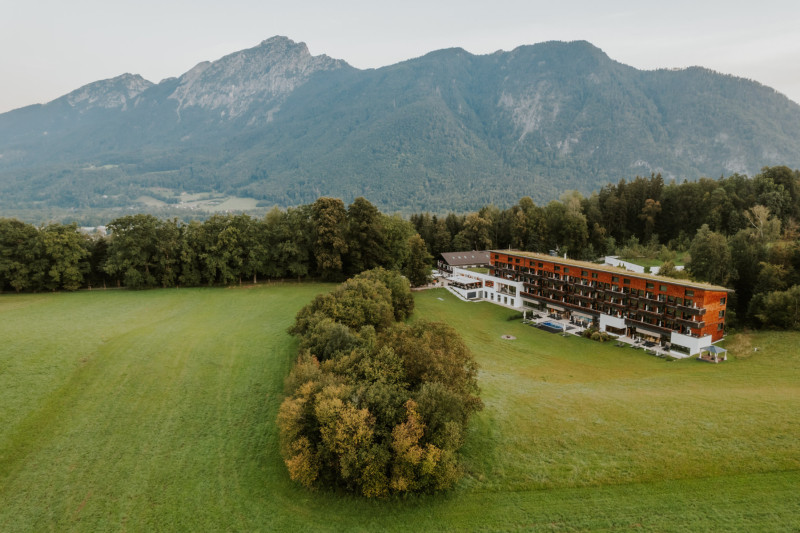
The Klosterhof - Alpine Hideaway & Spa in Bavaria is approaching the issue from a technical perspective. Internal analyses show that the hotel has a growing proportion of its website traffic coming from AI assistants. These queries are increasingly brief and keyword-based, pointing to the influence of voice-based AI searches. Therefore, the website is designed so that artificial intelligence can extract detailed, structured information from it. Anyone who wants to be visible in the age of intelligent search systems must present their content in a way that algorithms can read, understand, and recommend.
The Naturhotel Outside has observed that guests now expect shorter planning lead times and greater freedom of choice. Decisions are made more spontaneously, comparisons are made more frequently, and more thorough research is conducted. AI serves as a tool specifically for inspiration and research. Those who want to book in seconds need clear answers immediately. In response, the hotel provides easy-to-understand website content, authentic images, and straightforward communication. At the same time, the need for personalized advice is growing. While AI provides guidance, it’s often people who provide the final push.
Visibility, clarity, and the irreplaceable human factor
Those who want to stand out in an AI-driven booking landscape need structured, honest, and above all human content. Distinctive positioning is also essential in the competition for attention. However, those who truly want to retain guests need to provide something that no algorithm can: genuine hospitality, personalized advice, and a personal connection. AI is changing how travelers search, compare, and make decisions. But it will not change what people are really looking for at the end of a long day of travel: a welcoming place.
Our Sources:
- Adyen Index: Hospitality & Travel Report 2025, Adyen N.V. (Amsterdam)
- OECD/G7-Grundsatzpapier: Artificial Intelligence in Tourism, Organisation for Economic Co-operation and Development
- Crosseye Marketing/diegutenachricht.at: Buchungsverhalten 2026