

When origin matters: Regional value creation in practice
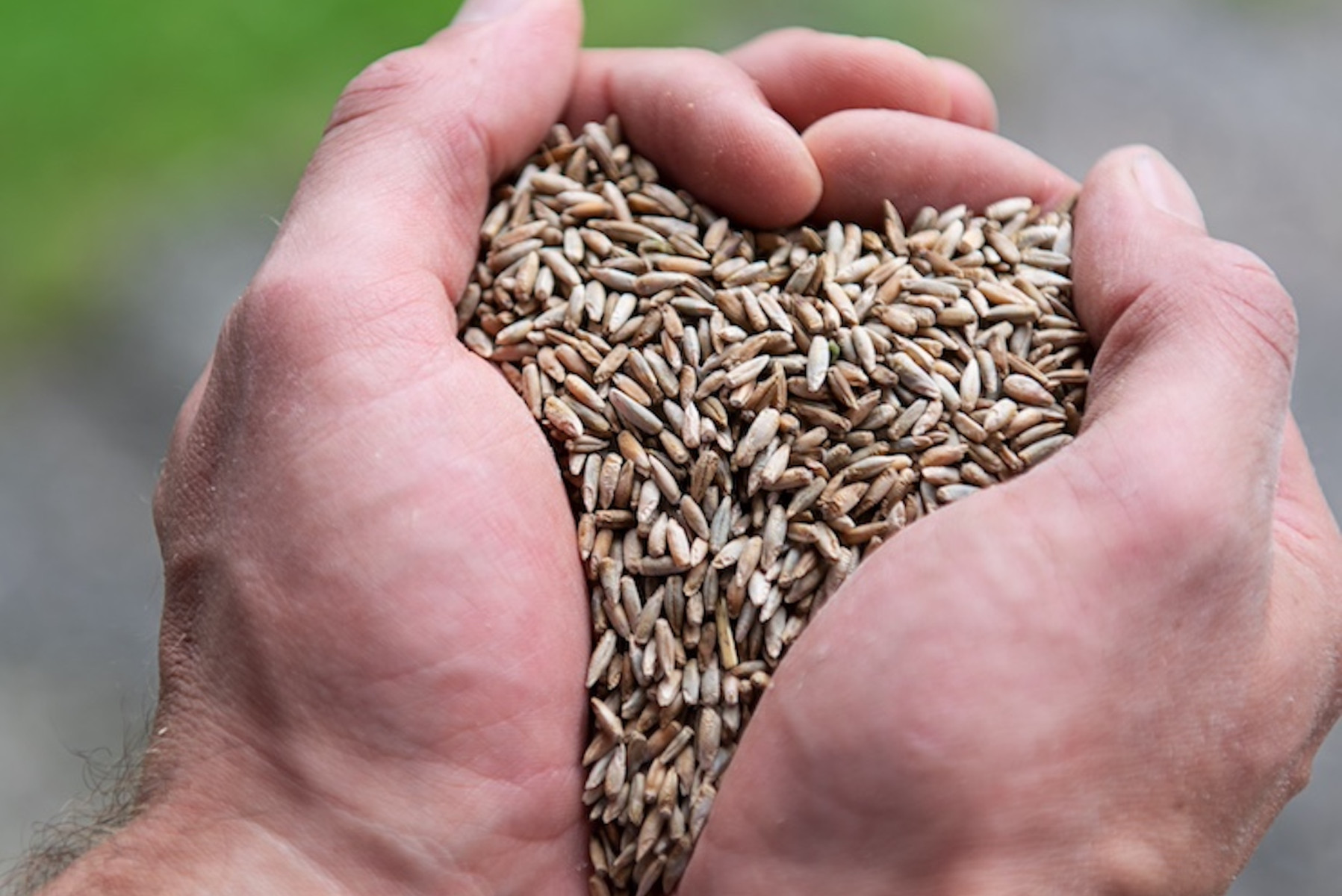
Regional value creation is considered a key factor in the sustainable development of destinations. It refers to the portion of economic output generated within a specific geographic area that remains there in the form of income, jobs, or investments.
Value creation in tourism
In the tourism sector, destinations provide ideal conditions for fostering these cycles. Tourism service providers, including hotels, restaurants, and local tour operators, act as economic hubs that directly impact their regions through procurement, partnerships, and employment. The goal is to keep as many steps, from production and processing to final consumption, within a single region as possible.
Cultivating local food is an important part of this process. Instead of global supply chains, seasonal availability determines the offerings. In addition to ensuring freshness and quality, this approach fosters responsibility for the soil and the region itself. Concepts such as "farm-to-table" and "nose-to-tail" exemplify this holistic approach. Examining the establishments in the Green Pearls® Community shows how these principles can be applied in the hospitality industry and illustrates the diversity of regional value creation.
Homegrown: From the harvest to the guests' plates
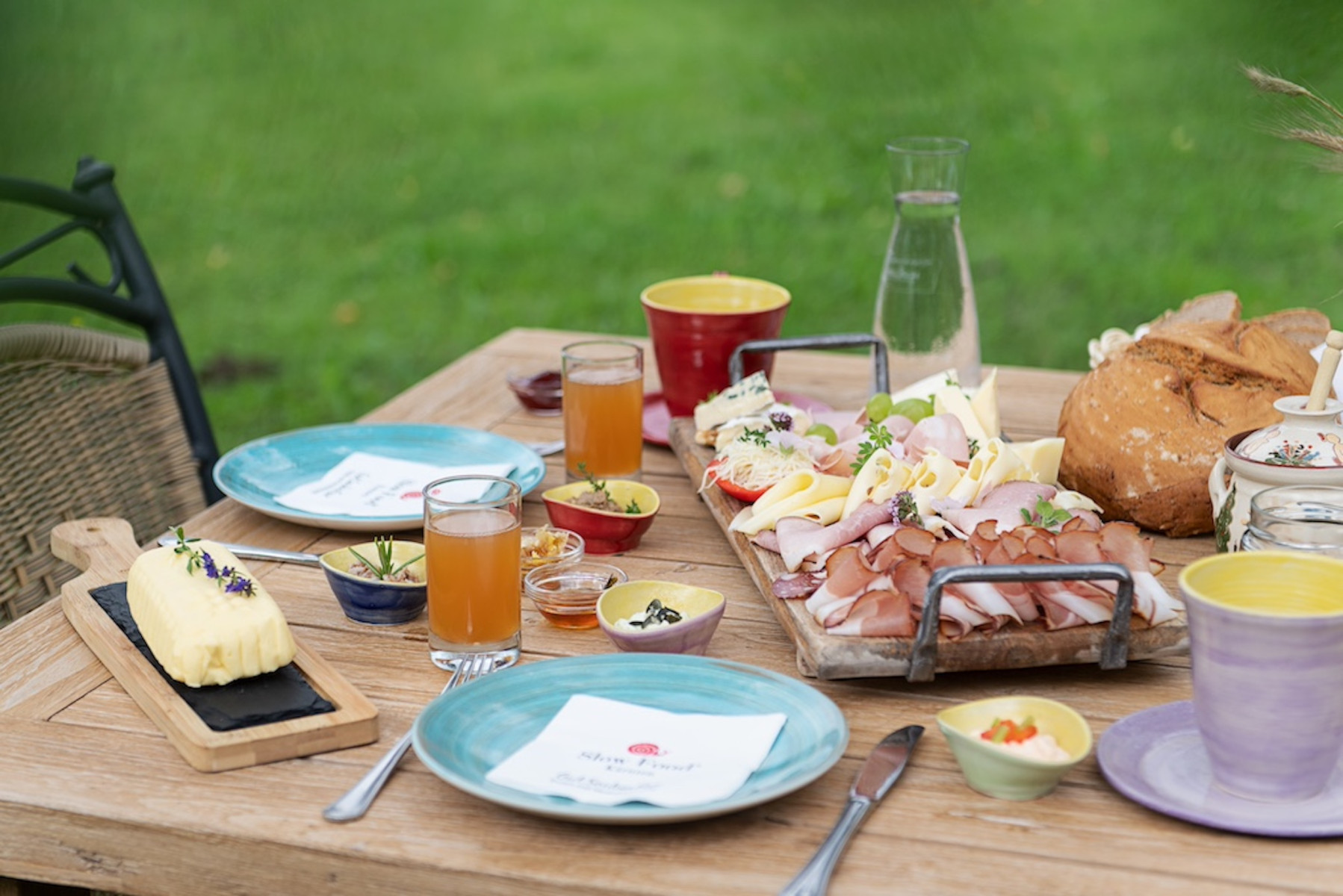
At some hotels, value creation does not begin with purchasing; it begins in the fields. At Schloss Lerchenhof in Carinthia, for instance, most of the food comes from the hotel’s organic farm and is processed on site. Pork, beef, veal, lamb, game, and organic chicken are used in line with the nose-to-tail principle, and grains are processed into flour, bread, muesli, and baguettes. Seasonal vegetables, herbs, fruit, nuts, organic honey, and homemade juices and syrups complement these offerings. Additionally, over 50 local partners supply fresh products, so what ends up on guests' plates is often decided only after harvesting and the morning delivery.
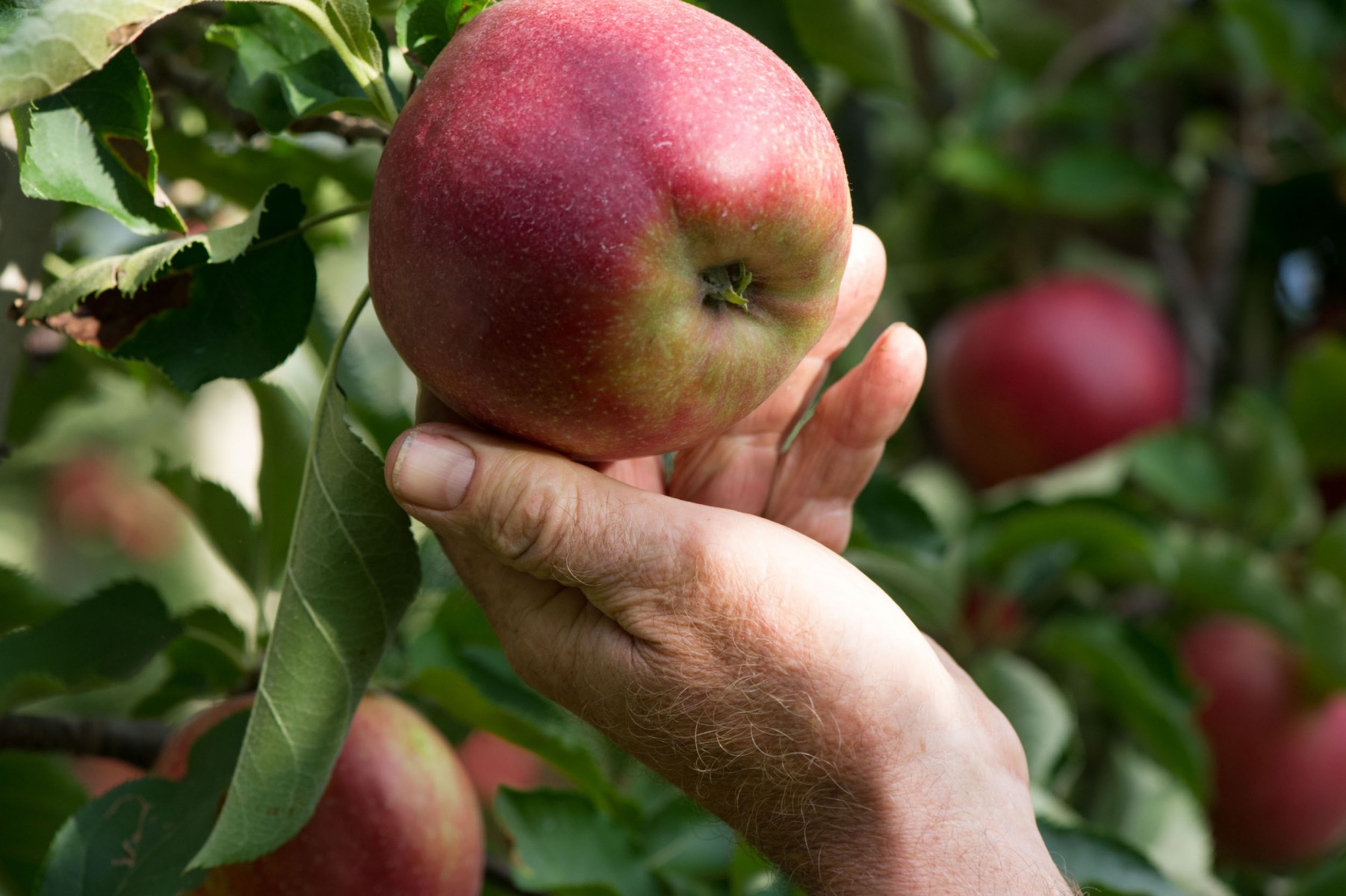
At Naturresort Gerbehof, apples and pears from the private organic orchard are processed into juice or distilled on site, and game meat is utilized entirely according to the nose-to-tail concept. Products such as eggs, cheese, and bread are primarily purchased from certified organic family farms located within a few kilometers. Even beverages like wine, beer from the Härle brewery, and SeeZüngle lemonade are sourced from nearby.
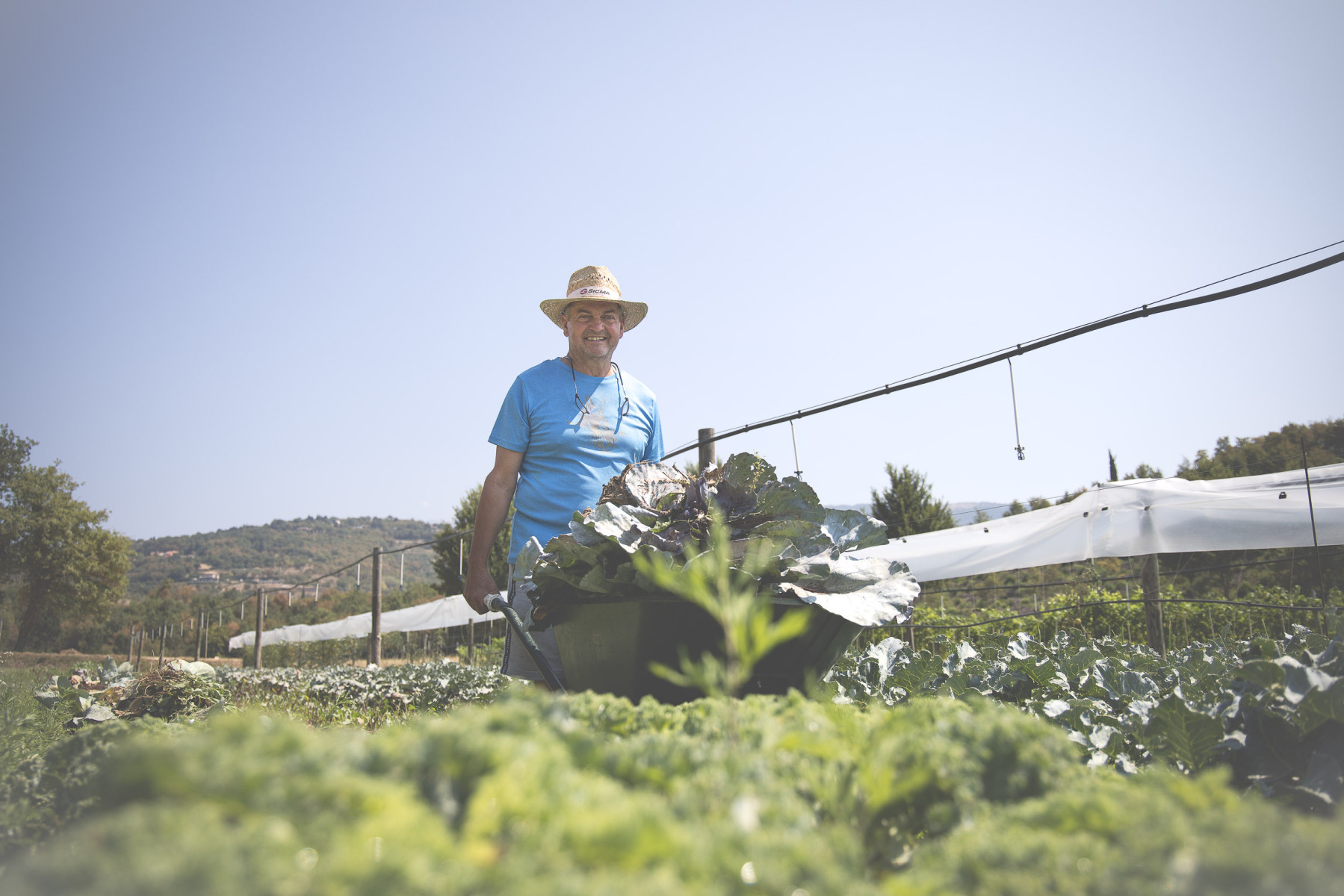
The purchasing policy at My Arbor is characterized by a combination of in-house production and locally sourced ingredients. In addition to "Regiokorn" grain from South Tyrol, used for making dough and baked goods, the hotel's 20-hectare Lake Garda farm provides fruit, vegetables, herbs, and eggs. Much of the meat comes from the Wipptal cooperative, whose farmer-members adhere to strict guidelines for natural animal husbandry. The dairy products primarily come from the Brimi Mountain farmers’ cooperative, which emphasizes high-quality feed and ample outdoor access for the animals.
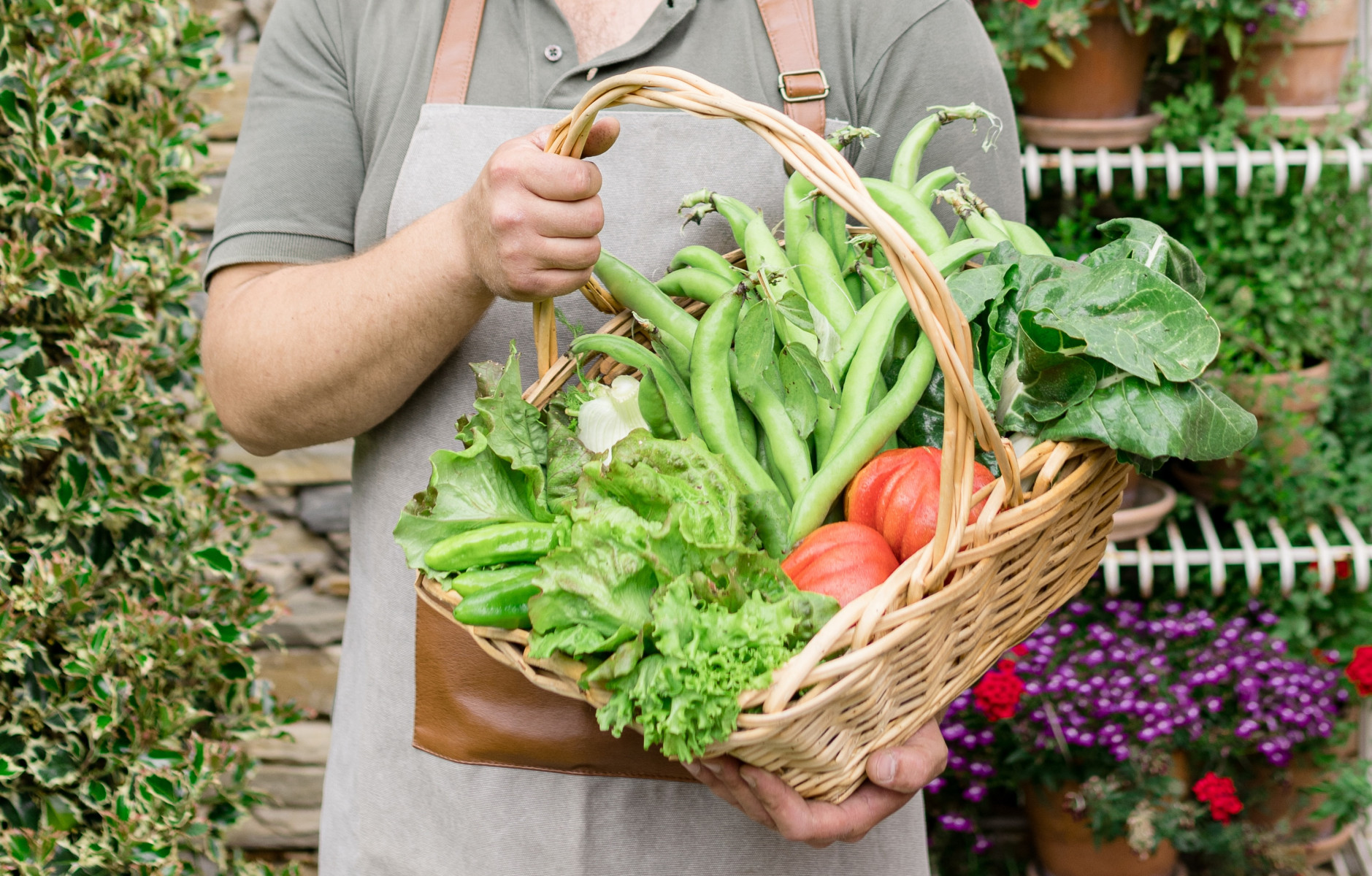
The boutique hotel Relais del Maro is an Albergo Diffuso in Borgomaro, a village in Liguria. The hotel's garden cultivates specialty "Zucchini Trombetta" (trumpet zucchini), which is used fresh for lunch, as well as eggplants, tomatoes for sauces, and cucumbers for salads. Cherries, blackberries, and lemons are processed into cakes and jams. This selection is complemented by products sourced from select local partners, with a central focus on cooperating with local oil mills. Olive oil and other olive-based products are defining features of Ligurian cuisine.

The cuisine at the Hotel Bella Vista Zermatt is also heavily influenced by the hotel’s own produce. The hotel makes its own tea with herbs from the garden, and the jams and baked goods, including fruit bread, popular Swiss cookies (guetzlis), and syrups, are also made on-site. Guests are offered an extensive wine list featuring wines from the Upper Valais, and the cheese used for raclette and fondue is sourced directly from Zermatt or Goms.
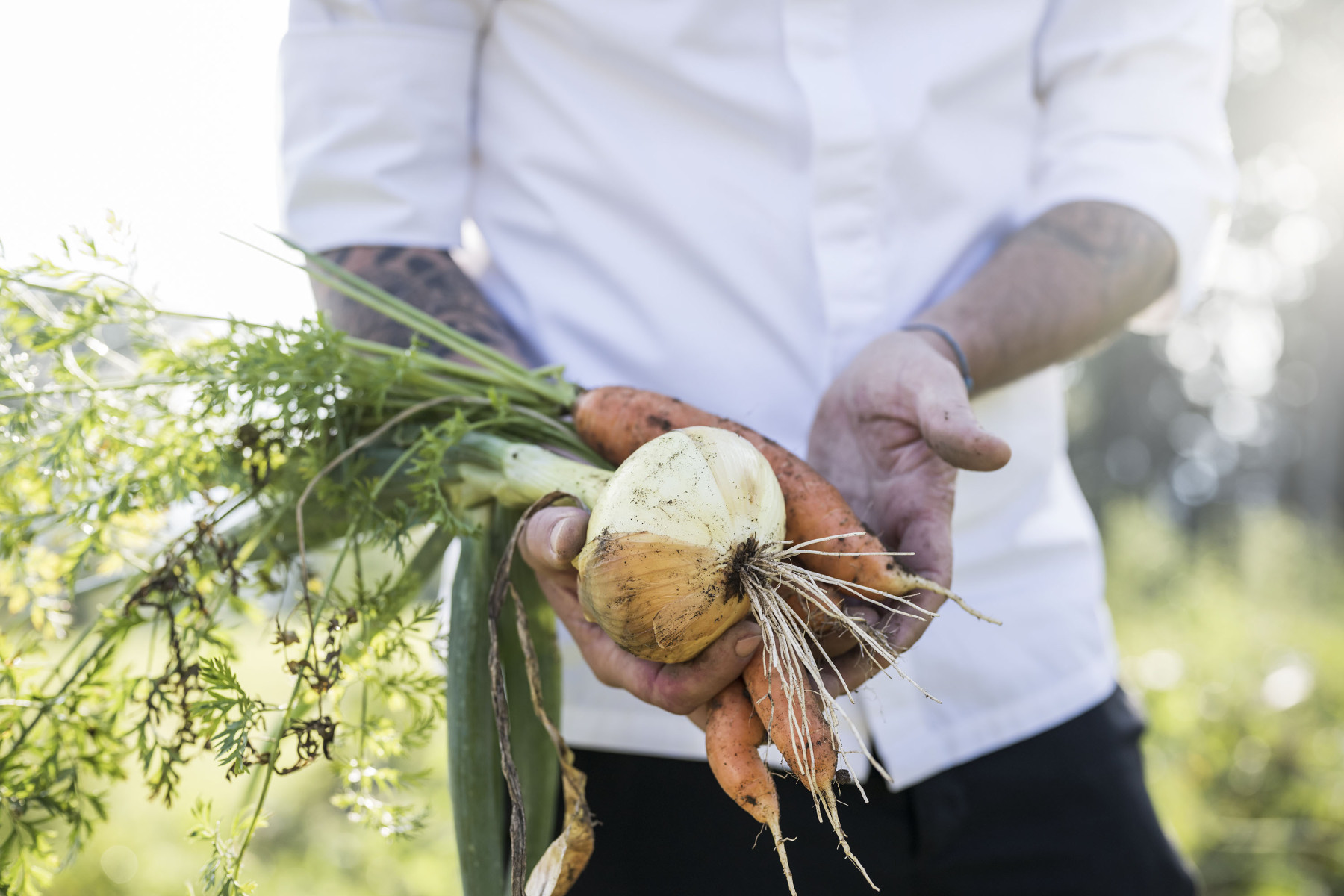
The ADLER Ritten consistently and transparently implements its farm-to-table concept. Right next to the main building, they have created a 4,000-square-meter farm garden featuring grain and potato crops, fruit bushes, and herb beds. Summer wheat, vegetables, berries, and herbs grow there and are processed directly in the kitchen. The garden is cultivated according to natural principles, with mixed crops and flowering plants that enrich the soil and attract pollinators, including the lodge’s own bees, which find ideal conditions here and produce the lodge’s honey.
Collaboration: Local partnerships as the foundation
In addition to in-house production, stable partnerships are key to regional value creation. Many businesses have worked closely with local producers for years.
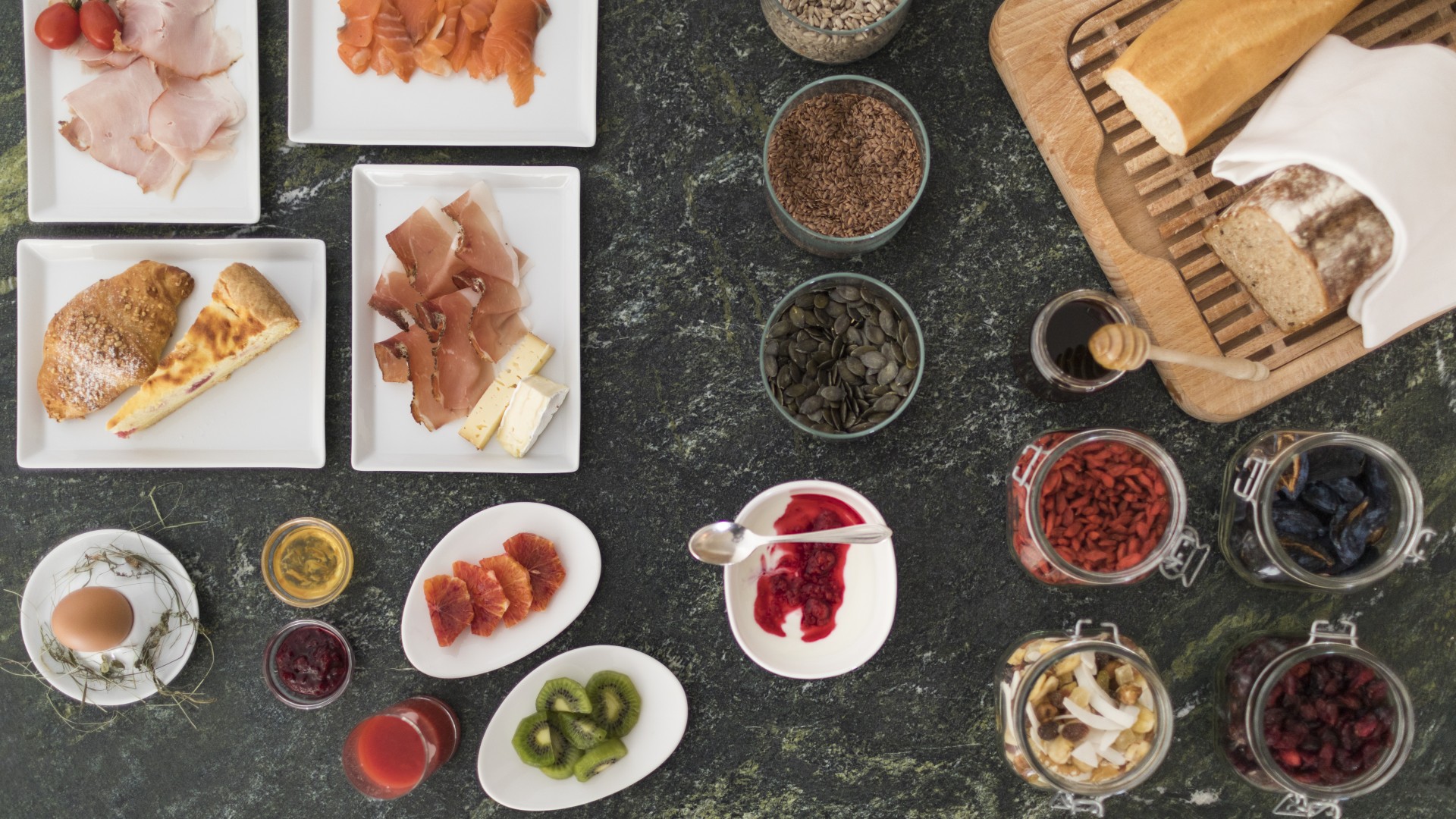
At the Hotel Weihrerhof, most of the food comes from nearby: bread from the Niederstätter bakery, beef from the Weissensteiner butcher shop, lamb from the Weidnerhof, chickens from the Obersthof, vegetables and salads from the Eggerhof, and cheese from the Wolfhof. Close personal relationships with suppliers and transparent supply chains (signs at the breakfast buffet clearly indicate the origin of the products) build trust and ensure quality. This network of local partners forms the foundation of a culinary concept rooted in South Tyrolean cuisine that consistently prioritizes seasonality and availability.
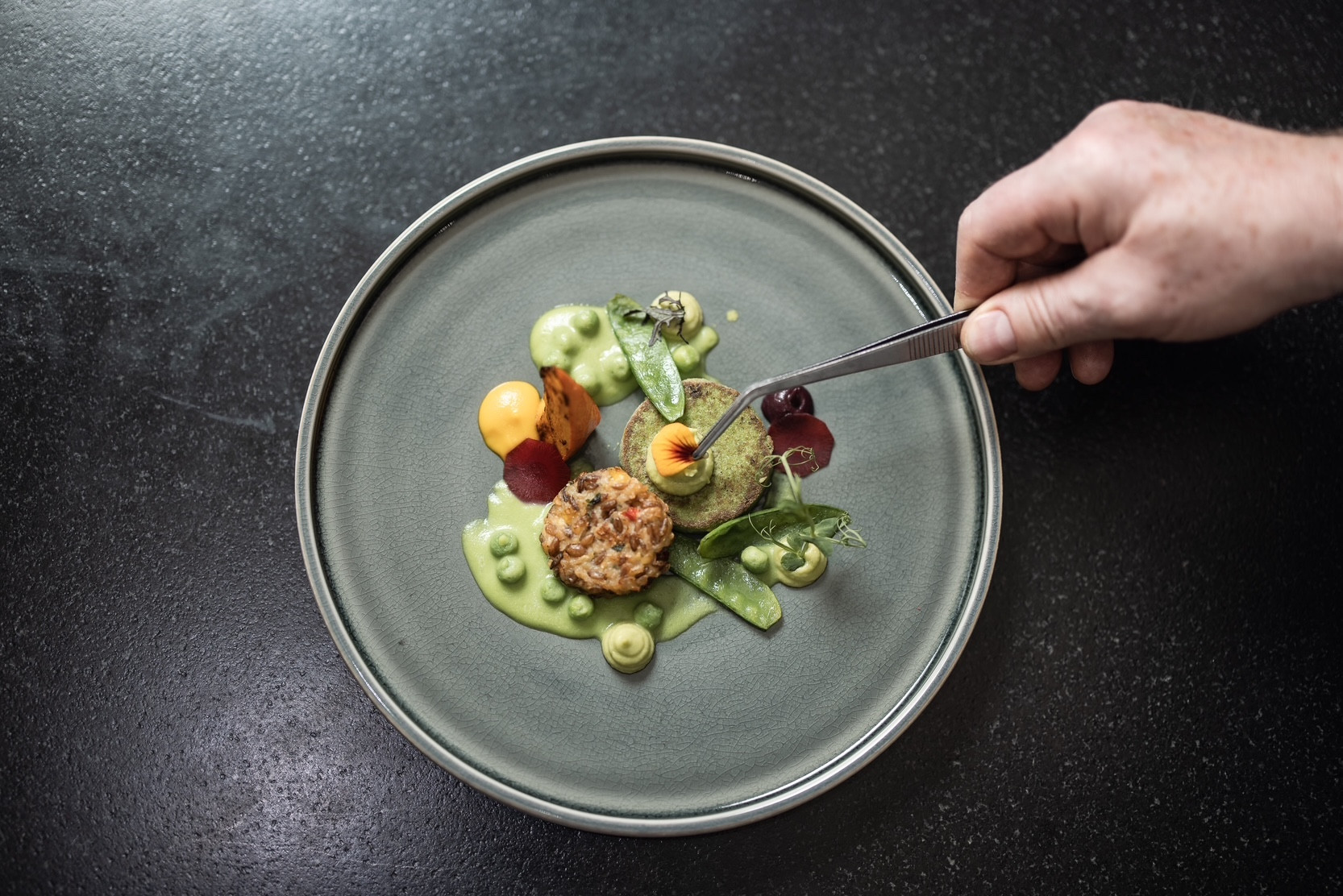
The Naturhotel Outside takes a similar approach; in addition to its own herb garden, it sources cheese from the nearby Jakoberhof, trout from the Pongitzerhof, and eggs and grains from the surrounding Tyrolean region. The hotel’s culinary approach combines traditional East Tyrolean specialties with modern influences while ensuring the origin of the ingredients remains transparent to guests.
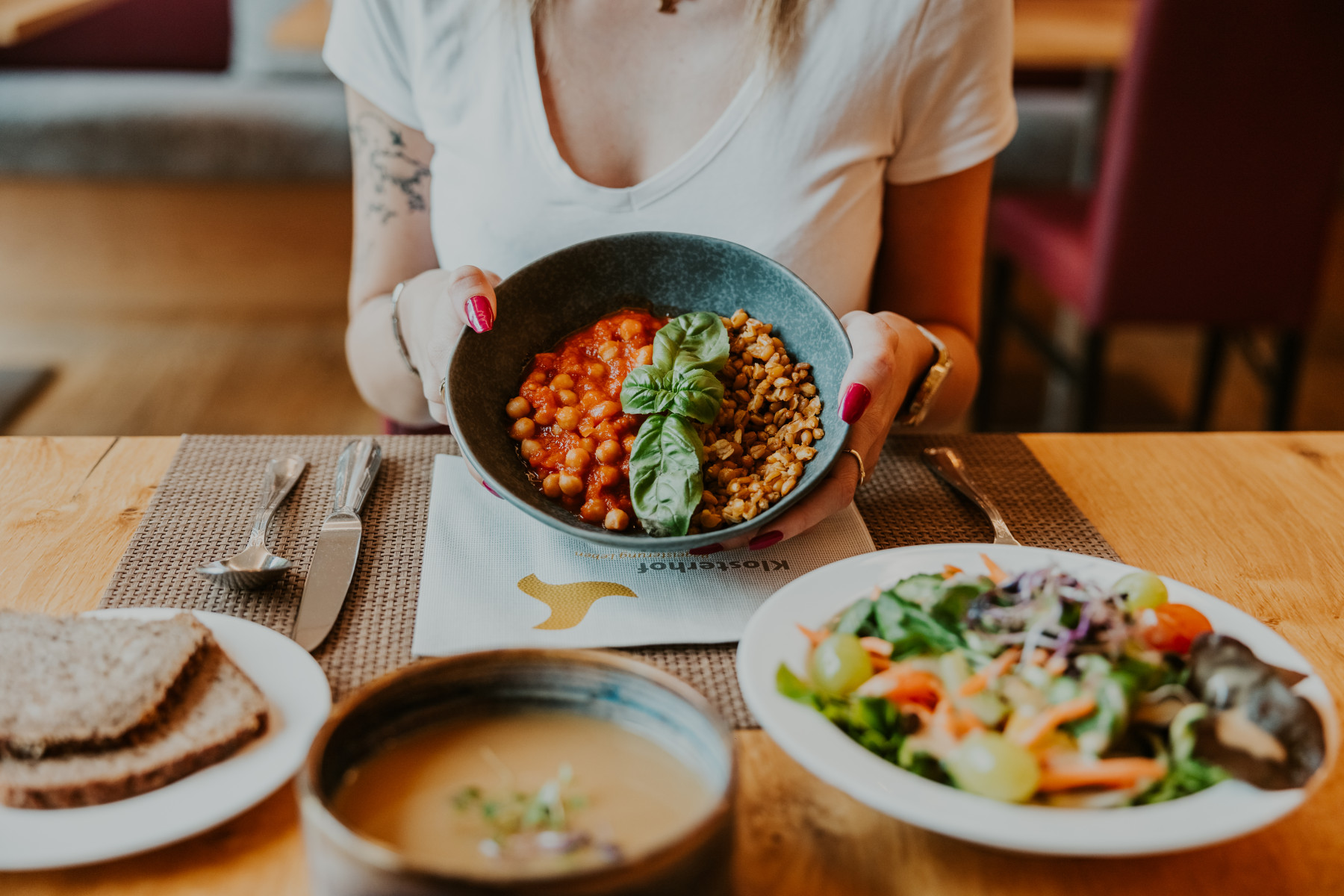
The Klosterhof – Alpine Hideaway & Spa relies on close partnerships with local producers for its day-to-day operations. A long-standing vegetable supplier provides the hotel with fresh, locally sourced ingredients; fish comes from local farms; and herbs are grown in the monastery garden. The local quality is particularly evident at breakfast: smoothies, homemade bread with jams, honey straight from the hive, and fresh fruits and vegetables. Additionally, the hotel sources milk and dairy products from the Berchtesgadener Land region and free-range eggs from an organic farm.
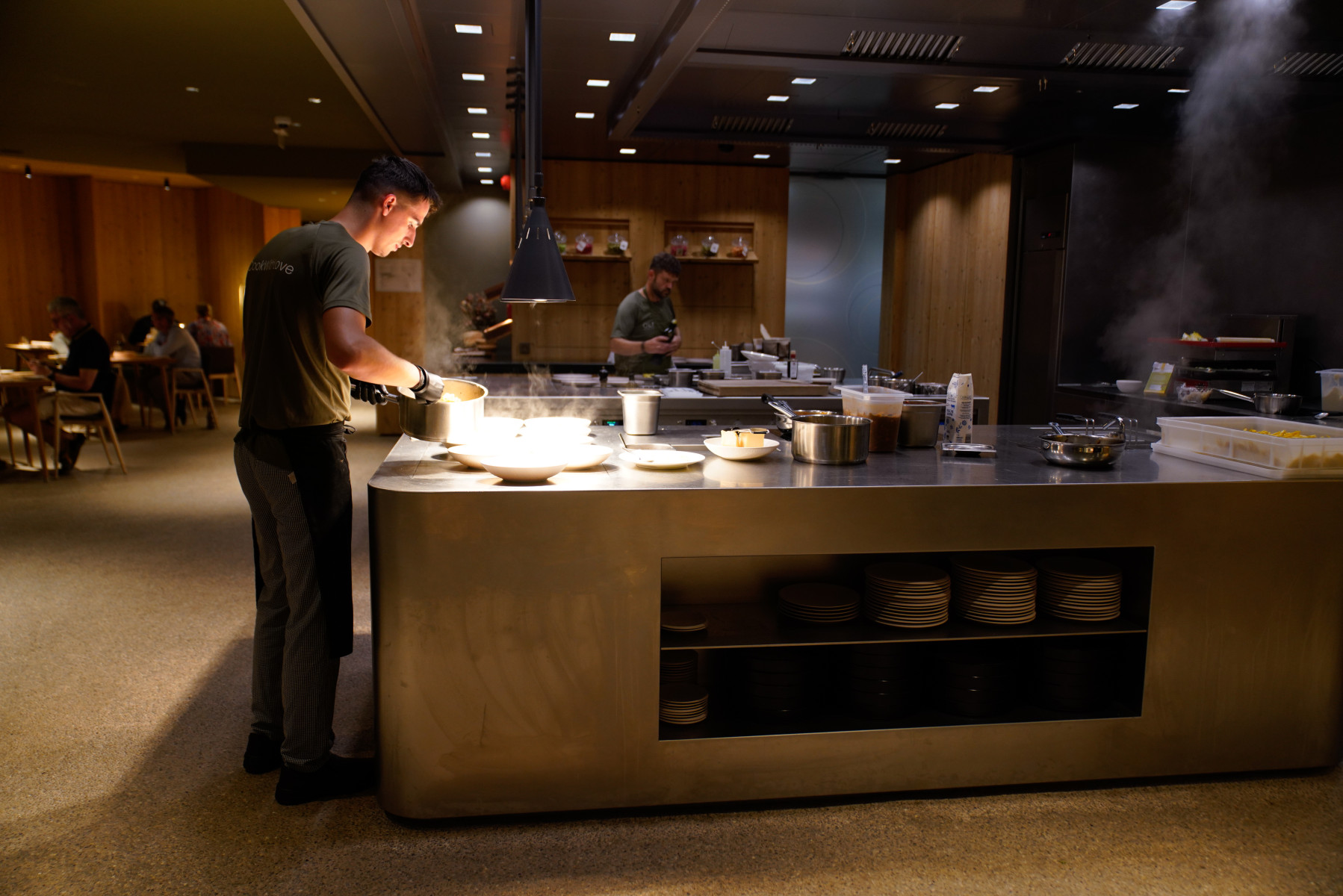
The energy-self-sufficient eco-aparthotel OLM Nature Escape also focuses on local value creation and partnerships. The hotel sources vegetables, berries, and herbs from the fields and from Taufrisch, a regional initiative in which 13 South Tyrolean farms collaborate. As part of the "Ferienfreiheit" concept, guests can book rooms with breakfast only, consisting of organic products that are either homemade or sourced from regional producers. Furthermore, guests can use the fully equipped kitchen in their apartment for self-catering. An on-site specialty shop offers South Tyrolean products for purchase.
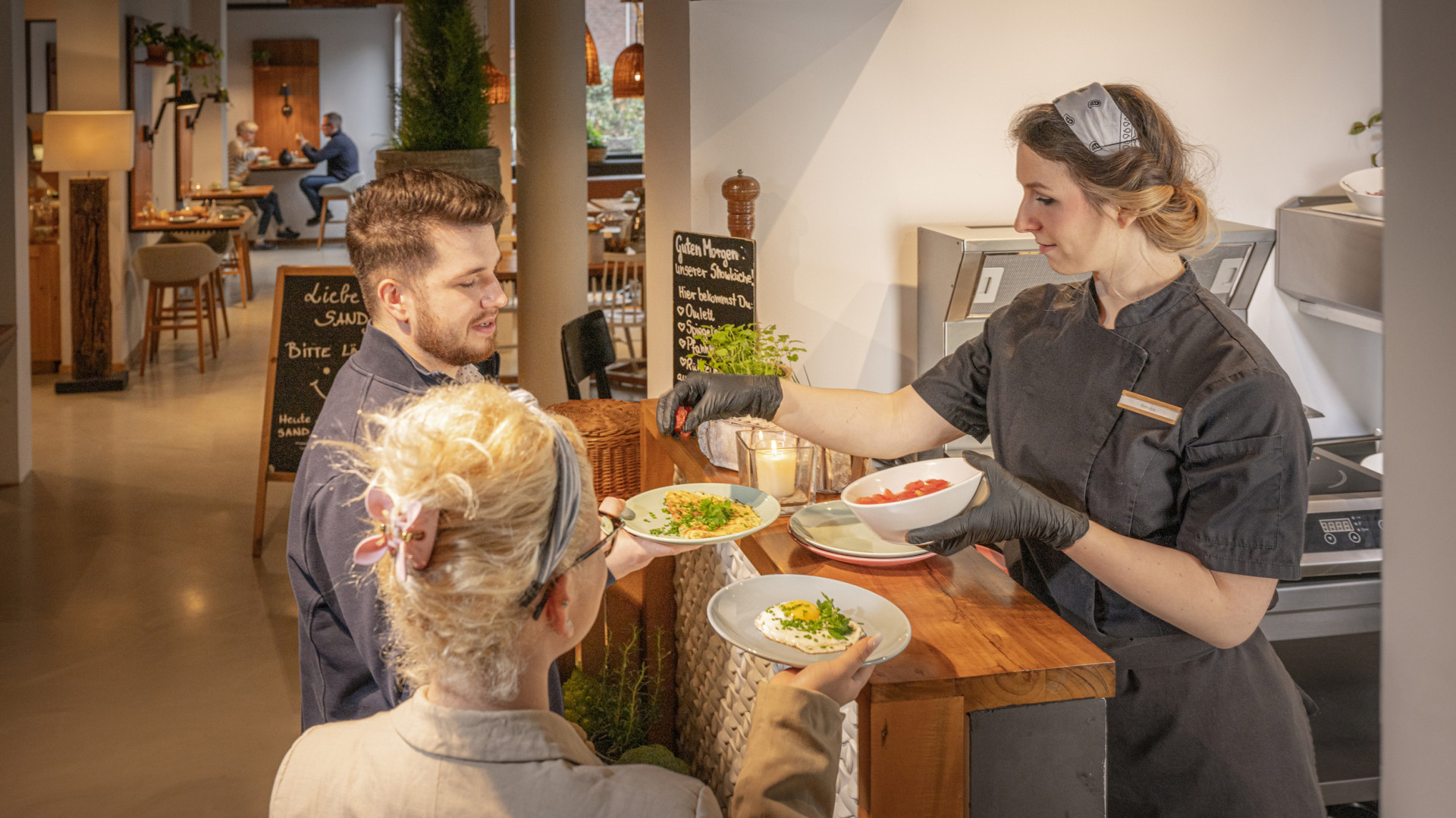
The North German SANDcollection with the SANDnature at the Baltic Sea and the SANDglow at the North Sea brings this approach to the beverage sector. The hotel’s wines are sourced from its partner winery, Malente Ingenhof, which produces award-winning white and red wines despite its unusual location in Holstein Switzerland from grapes grown in its own vineyards. When it comes to beer, hops, and grains, the two lifestyle hotels in the collection collaborate closely with the Eutin Brewery and Klüvers. And a farm in Ahrensbök supplies the organic free-range eggs for the live-cooking breakfast at SANDnature, and fruit is sourced seasonally from Bargteheide and the Lüneburg Heath.
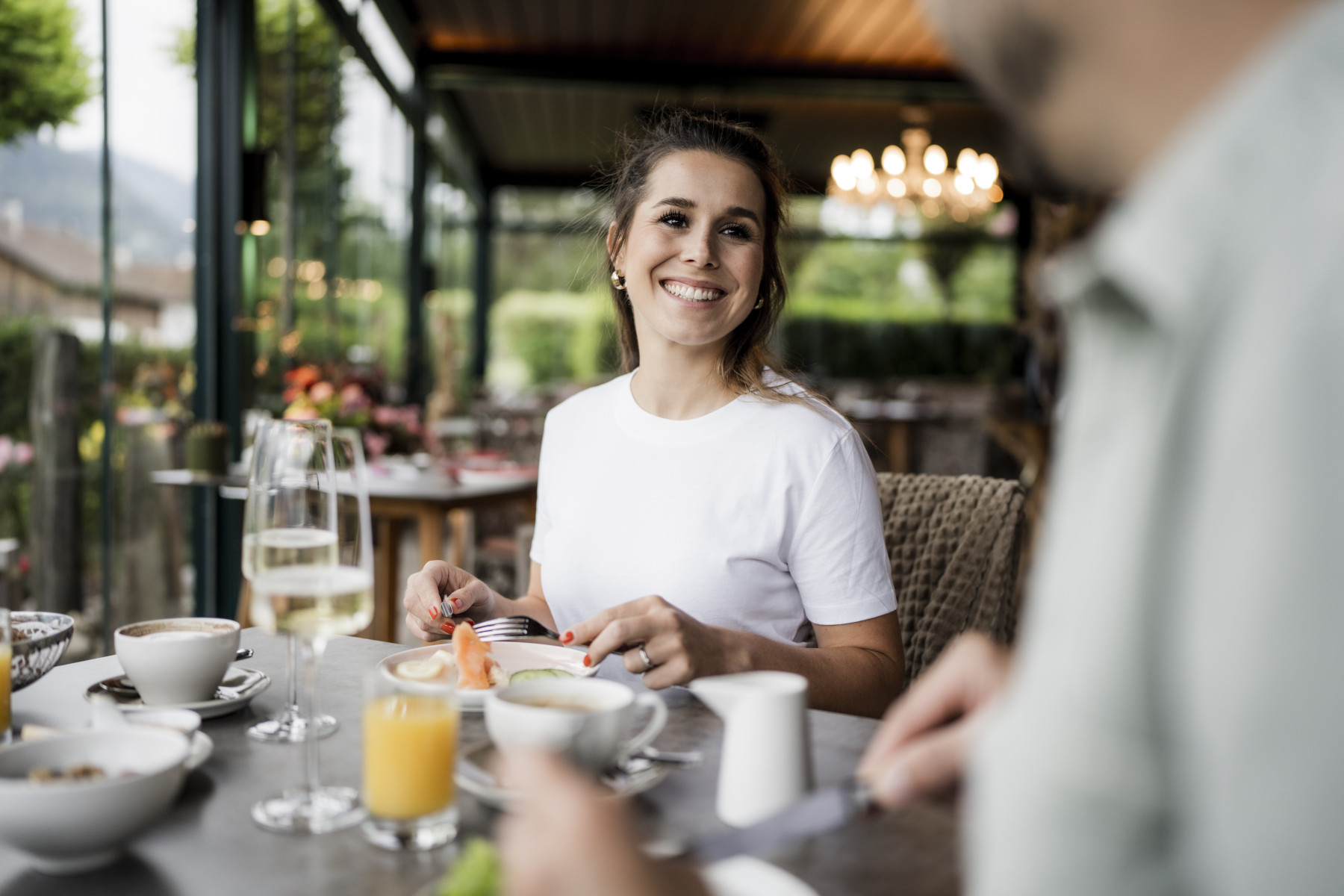
Whenever possible, Hotel Das Rübezahl sources its ingredients from neighboring producers. A large portion of the food is utilized entirely, including all parts of the animal and all parts of the vegetable. The kitchen consistently focuses on local and seasonal ingredients. Additionally, the hotel prioritizes sustainability in procurement by actively encouraging suppliers to use consolidated shipments and resource-efficient packaging.
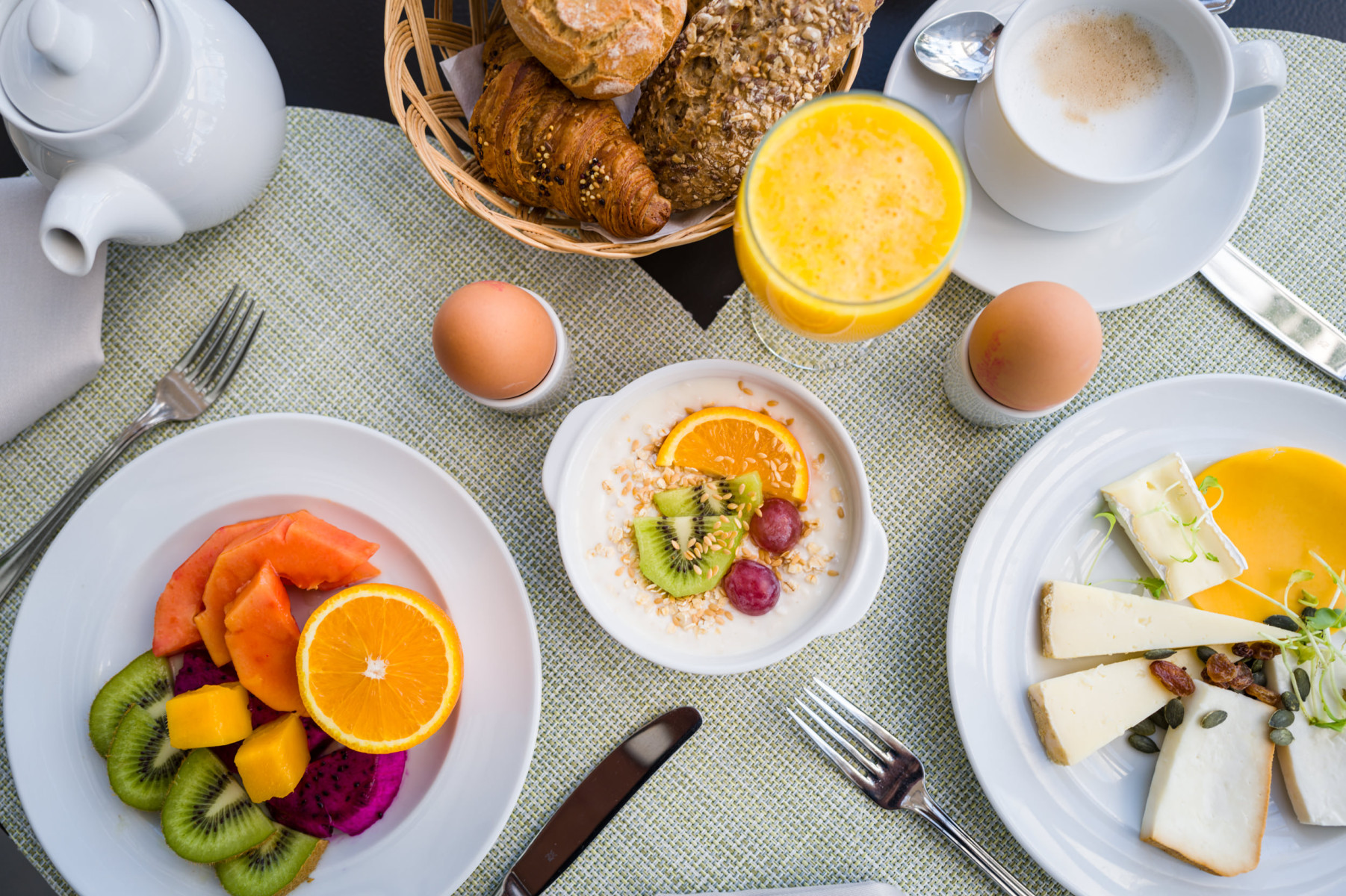
Almost all of the fruits and vegetables at the OCÉANO Health & Spa in Tenerife come from the Canary Islands. The only exceptions are a few items, such as apples, pears, and root vegetables. The hotel sources supplies from local wholesalers, including Frutería La Limera and Frutas y Verduras Nito. About 65 percent of their produce comes from their own farms, 25 percent comes from other farmers on the island, and the remaining 10 percent comes from mainland Spain. The OCÉANO also relies on local sourcing for fish and meat; about 60 percent of the fish, as well as much of the meat, including rabbit, pork, goat, and chicken, come from regional producers and are sourced through distribution partners that guarantee traceability.
Freshness: Flexible concepts and short supply chains
Some restaurants take it a step further: rather than planning long-term, they base their menus on daily deliveries and harvest yields.
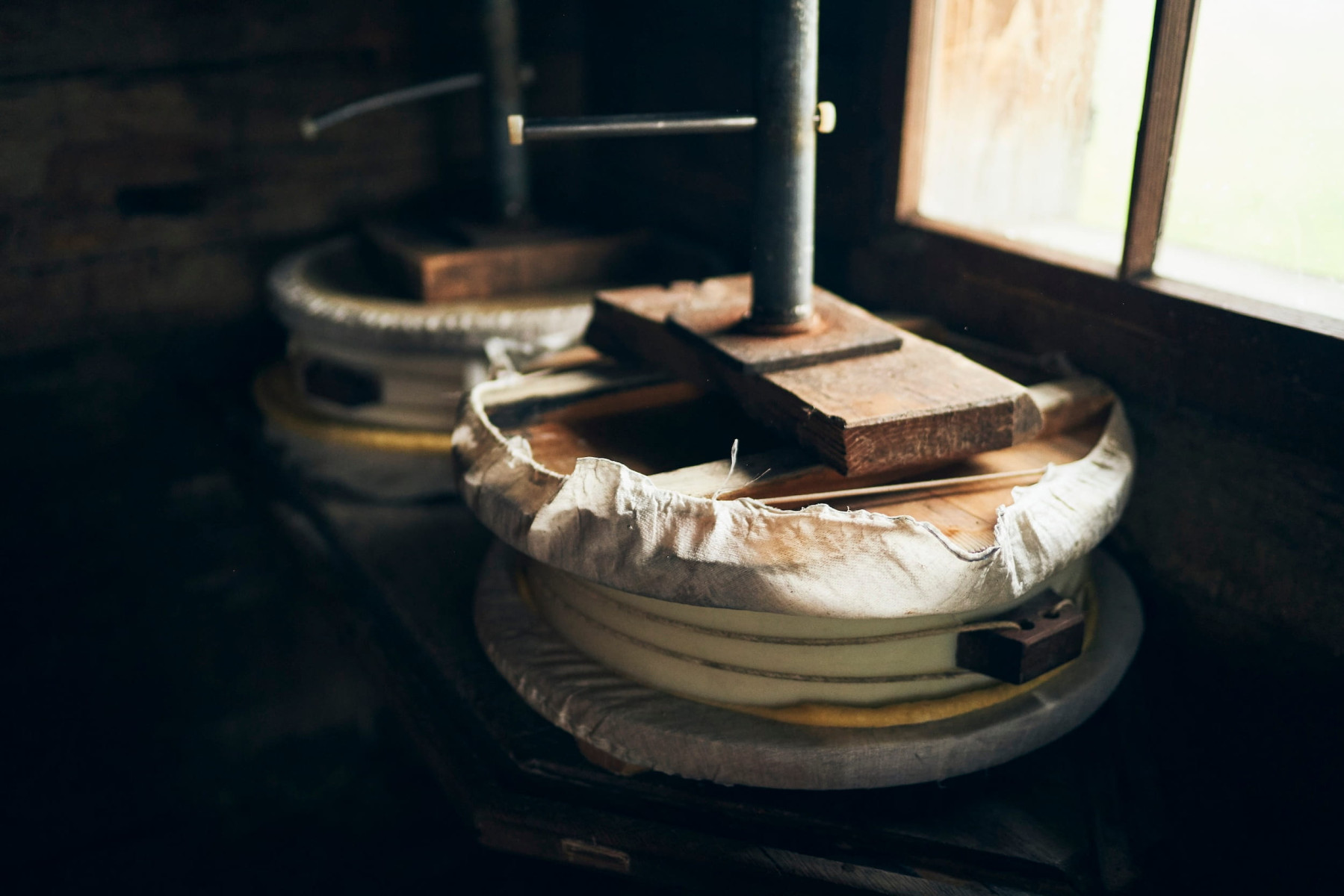
At the Green Spa Resort Stanglwirt, regional partners deliver supplies several times a day, eliminating the need for large storage areas and reducing refrigeration energy consumption. The high proportion of in-house production enhances this effect further: milk, curd cheese, yogurt, cheese, bread, and meat are largely produced on-site. The kitchen concept is complemented by the hotel’s own biomass cogeneration plant, which produces renewable energy. For this, the hotel sources materials such as bark waste from nearby sawmills. Finally, organic waste is compressed and liquefied on-site and fed into the local biogas plant for energy production.
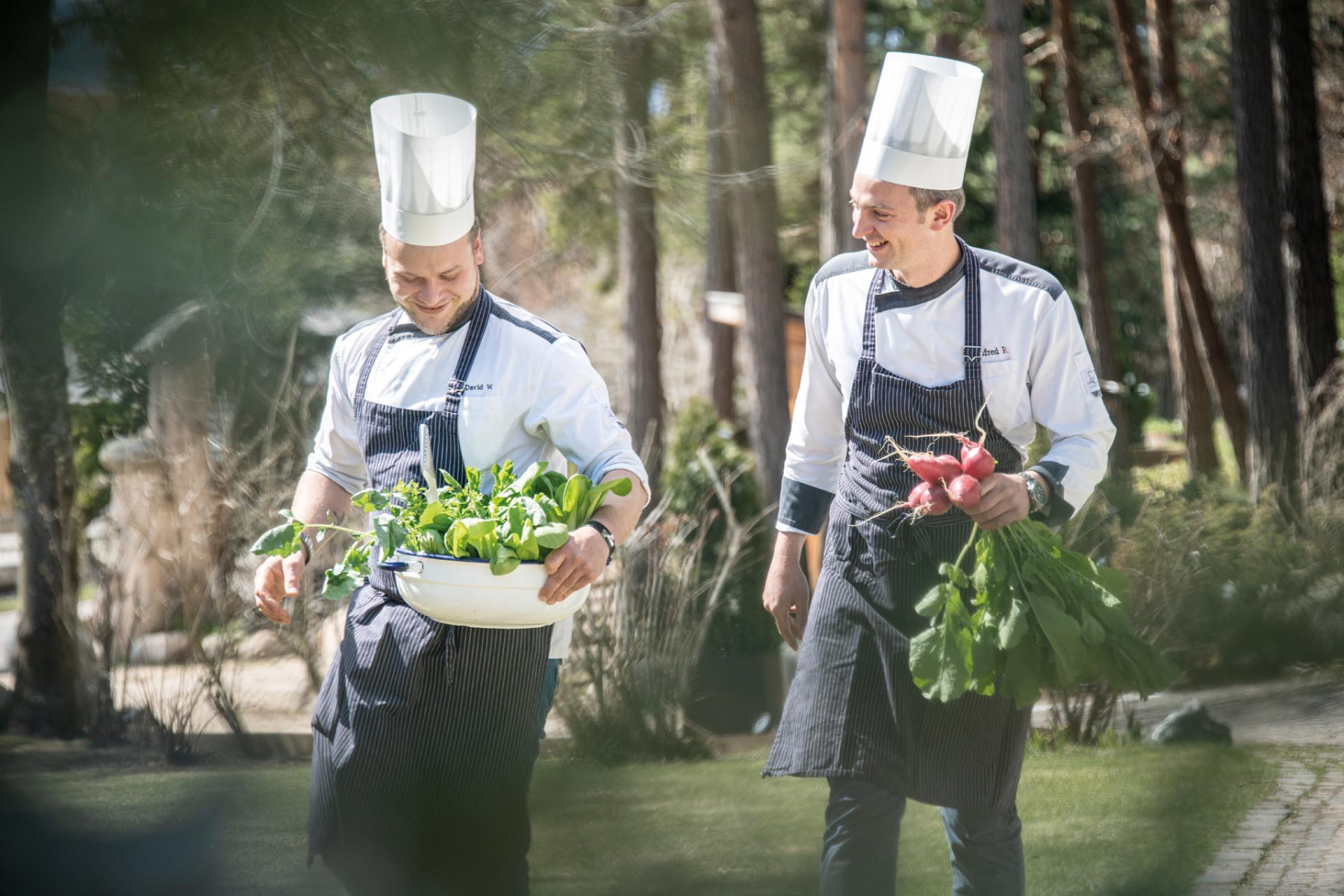
The APIPURA hotel rinner operates similarly when it comes to food delivery. Fresh fruits and vegetables are delivered several times a week, immediately after harvest, and are processed right away. In cases of overproduction, long-lasting products such as jams, pickled vegetables, fermented specialties, chutneys, and syrups are made. The hotel coordinates closely with producers, planning cultivation and harvest with Manfred Rinner, the junior manager and head chef.
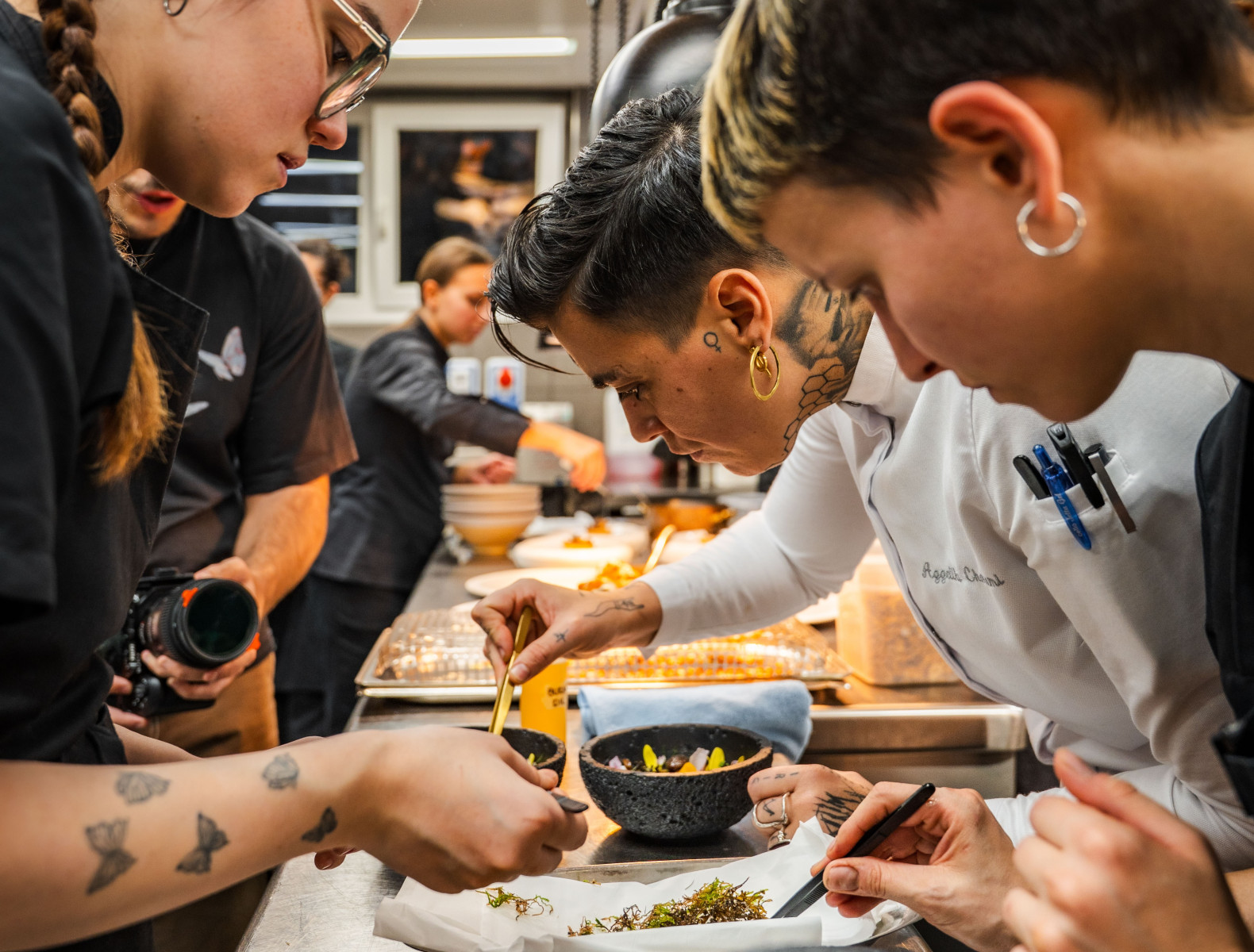
At the fully vegan Paradiso Pure.Living hotel on the Seiser Alm, Aggeliki Charami combines seasonal and organic ingredients with innovative techniques to create a menu of creative plant-based cuisine. The hotel's own SCOBY and koji fermentation cultures, for example, add depth and open up new flavor possibilities. The experience is further enhanced by the adjacent OMNIA restaurant, which offers a sophisticated fine-dining experience with a plant-based menu.
Between expectation and reality
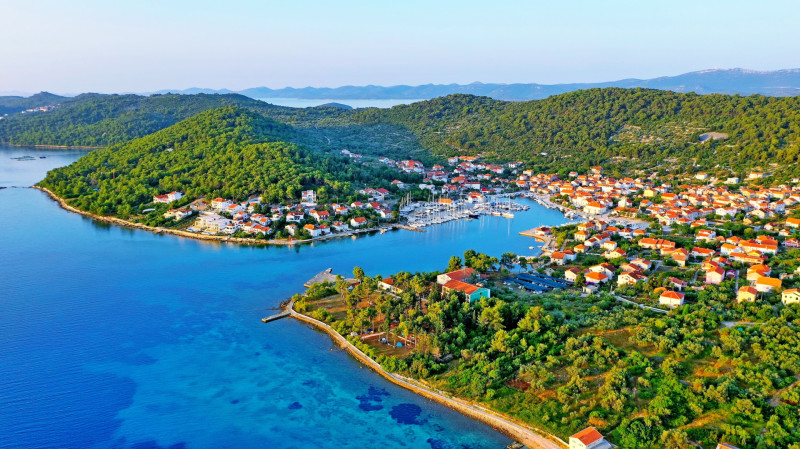
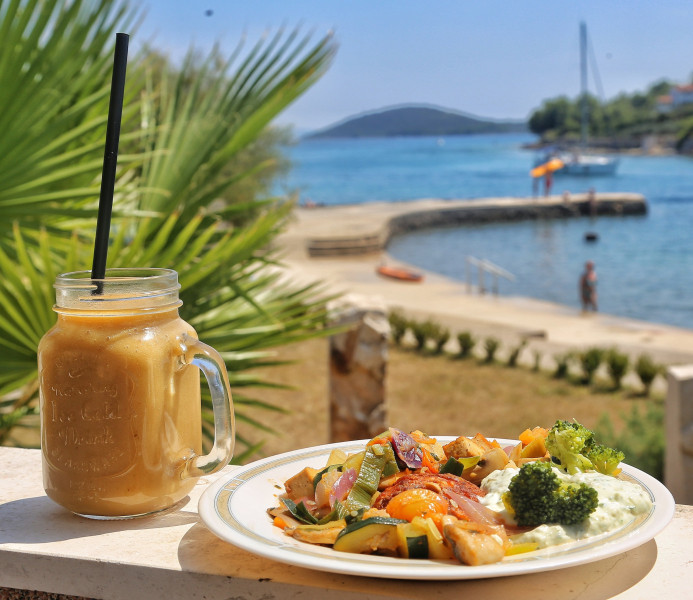
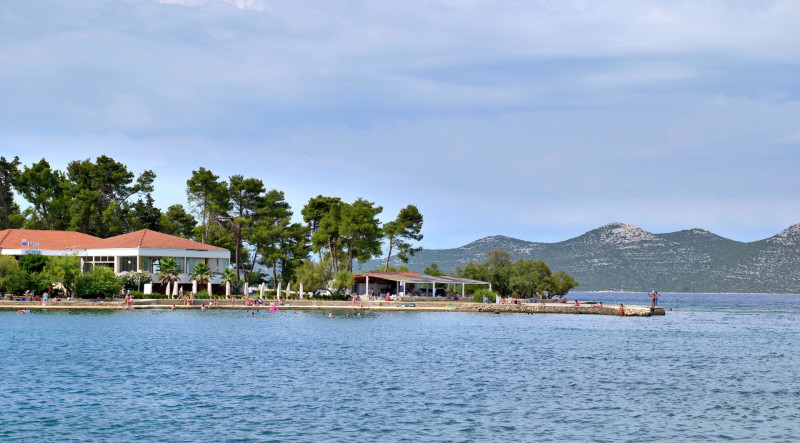
Although many concepts are consistent, some examples demonstrate that regionality must always be considered in the context of geographical conditions. At the Hotel Korinjak, the only hotel on the Croatian island of Iž, fresh, local products and Mediterranean flavors define the vegetarian-vegan cuisine. Meat, fish, and eggs are deliberately avoided. The Korinjak grows medicinal herbs for teas and primarily uses regional spices. However, since very little grows on the island, especially during the summer months, production reaches its natural limit during the high season. Seasonal vegetables are therefore sourced from the mainland when local production is insufficient to supply both locals and vacationers.
Regional value creation is particularly evident in tourism, where hotels, producers, and service providers collaborate closely and short supply chains and transparency become the norm. This is most clearly and easily seen in the culinary sector. Furthermore, examples from the Green Pearls® Community demonstrate that sustainable destination development creates ecological, economic, and social momentum locally. Crucially, this fosters genuine cycles that strengthen the guest experience and local development equally.