

Paradigm Shift in Tourism: Sustainability is more than just an Extra Charge
Germans love to travel: according to preliminary estimates, they took over 69 million trips of more than five days in 2023.1 On the one hand, intercultural encounters create acceptance and strengthen tolerance. Unique cultural and natural treasures are better protected due to the economic importance of tourism for the destination, and in some cases, new national parks are being established.
On the other hand, tourism is a major contributor to global CO2 emissions. Travel to a destination, as well as accommodation and transportation at the destination, generate global warming gases, especially air travel. In total, 5-8% of global emissions can be attributed to tourism.2
This makes the implementation of a consistent sustainability strategy in tourism all the more important. Even if factors such as carbon footprint, social sustainability, or sustainable mobility are rather low on the list of deciding factors, an intact natural environment is one of the main reasons for booking.3 Therefore, the transformation of tourism is inevitable, and the demand for sustainability should not dictate it, but be firmly integrated as part of the core business of tourism.
In response, sustainable tourism has emerged to address the future economic, social, and environmental impacts of destinations. Many suppliers have already begun to make their products sustainable. First and foremost are the Green Pearls® Unique Places, an association of leading hotels around the world that have demonstrated sustainable expertise and green projects. Many of the hotels go a step further by engaging with their guests and offering them a variety of ways to participate in sustainability initiatives. After all, as the saying goes, seeing it once is better than hearing it a hundred times.
In Dialog at the Lifestylehotel SAND
The sustainable Lifestylehotel SAND in Timmendorfer Strand is committed to an ongoing dialog with its guests. Sustainability is an important factor in the hotel's daily operations. Moreover, the SAND uses social media to inform about new organic products and spreads fun with recipes for seasonal cocktails. SAND is seeing a growing interest from visitors and uses an evaluation form to ask guests where and how they encountered sustainability during their stay and what the hotel can actively improve. These insights are translated into many innovations and guests feel that their values are seen and appreciated.
Open communication is also a priority at Hotel Okelmann's in Warpe, Lower Saxony. The two sisters, who run the hotel in the third generation, value personal conversations and lively exchanges with guests. On their website, they also provide information about the topic in advance and show how they implement sustainability in the hotel and the associated Heimatliebe Café. This includes close cooperation with local producers and a small concept store with useful and beautiful items for a sustainable lifestyle.
Gardening Tips from Gut Sonnenhausen
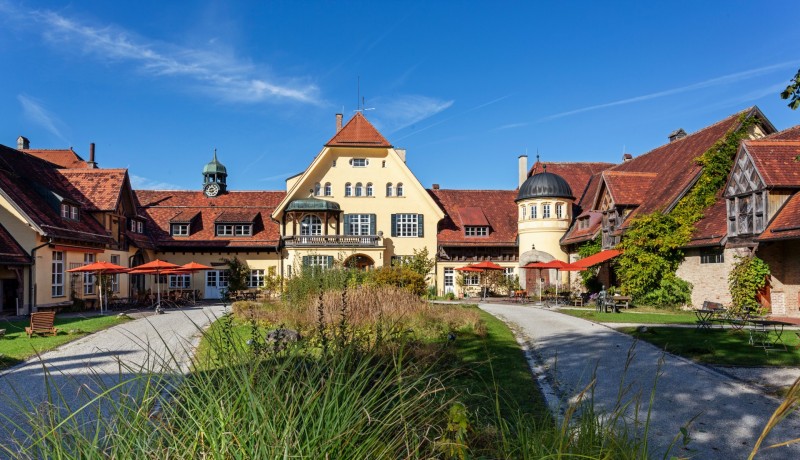
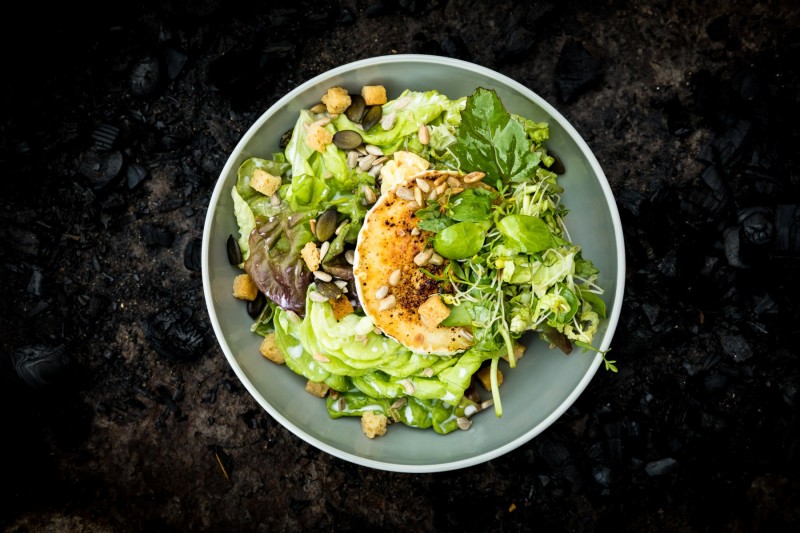
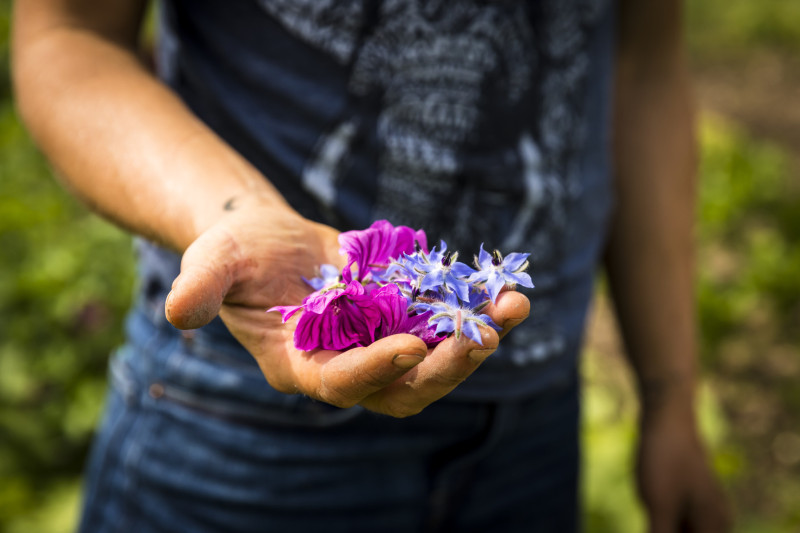
Sustainability as a way of life is the philosophy of Gut Sonnenhausen. With the careful renovation and management of the former stud farm, eco-pioneer Georg Schweisfurth has fulfilled his dream. Surrounded by agricultural land cultivated according to the principles of permaculture, it is a refuge in the midst of nature. Culture and art merge with architecture and nature to create an inspiring place. During the season, the house gardener invites guests to a free weekly gardening meeting to learn about biodynamic gardening. She also provides tips for one's garden and answers any "green fingers" questions. The hotel, which is 100% certified organic and has its own naturopathic practice, is located 30 km from Munich.
Upcycling Workshops at the Hotel SCHWARZWALD PANORAMA
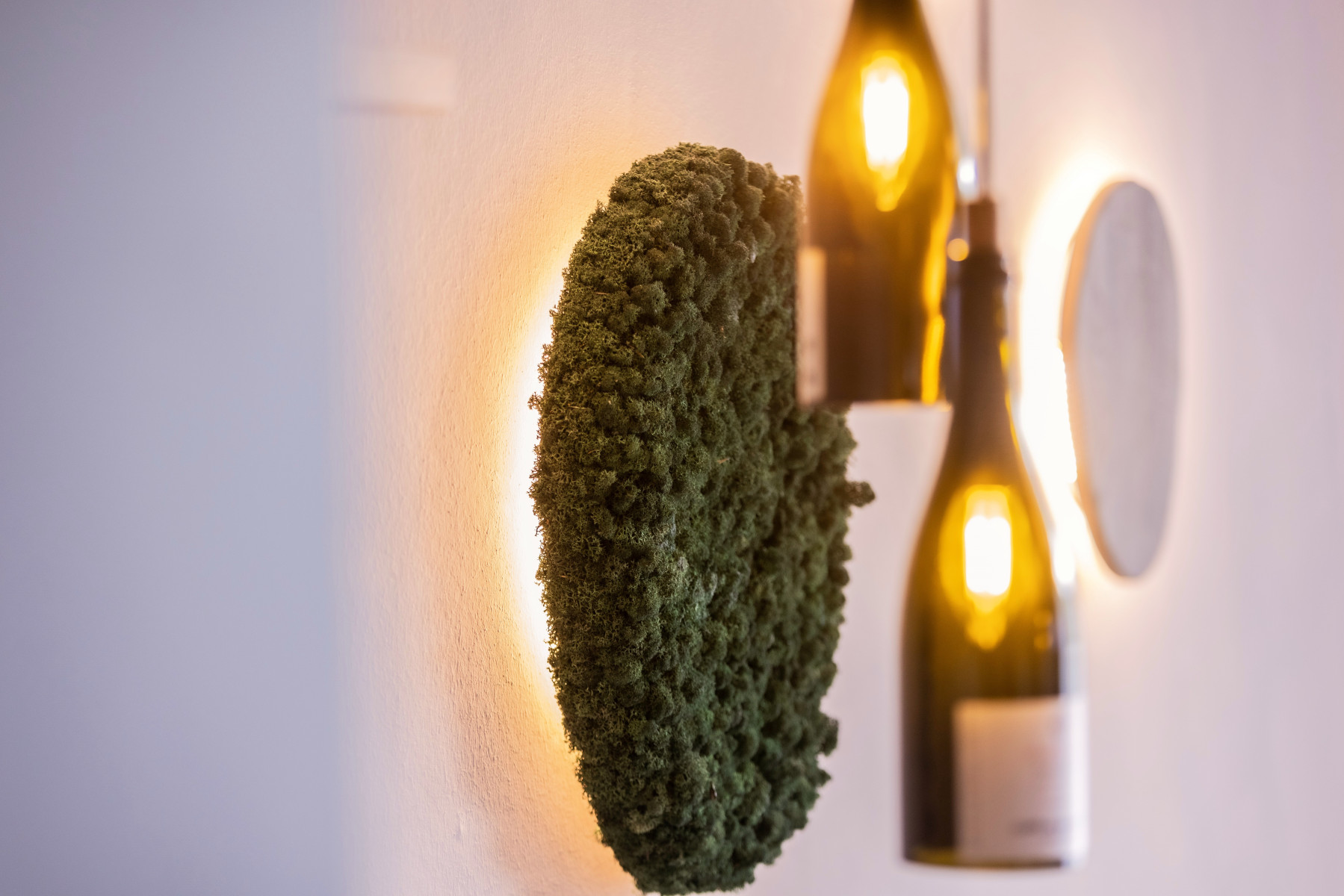
The Hotel SCHWARZWALD PANORAMA sees its contribution to sustainability as continuous development and combines entrepreneurial management with the strengthening of value awareness. Guided tours of the hotel allow visitors to see the sustainability measures for themselves. In addition, on-site upcycling workshops are available and reflected in signage and décor throughout the building. A book exchange and vegan/vegetarian brunch buffets are as much a part of the hotel as a zero-waste breakfast and nine electric car charging stations. Guests especially love the hotel's own "lawn mowers," a small herd of goats, and the outdoor snack garden. The Hotel SCHWARZWALD PANORAMA is a wellness and health hotel with a Selfness Center in the Black Forest. The region is ideal for nature excursions, especially since Bad Herrenalb is a certified climatic health resort.
Swiss Alpine Spring Water at CERVO Mountain Resort
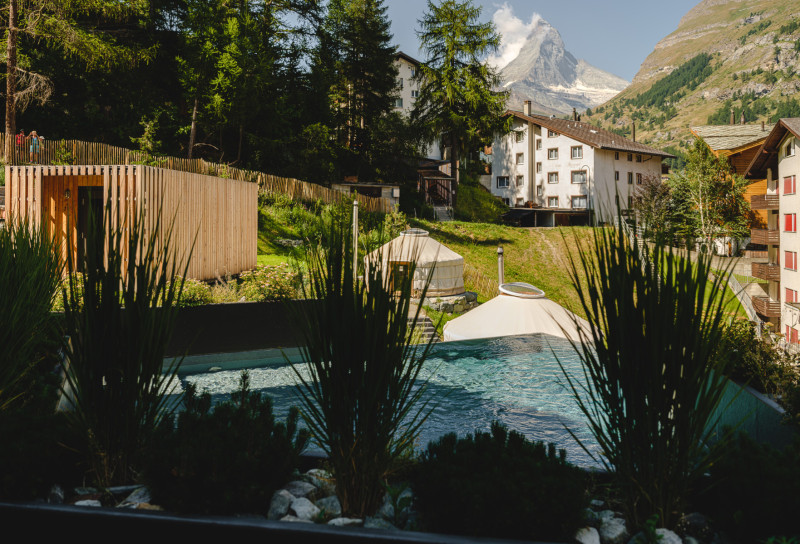
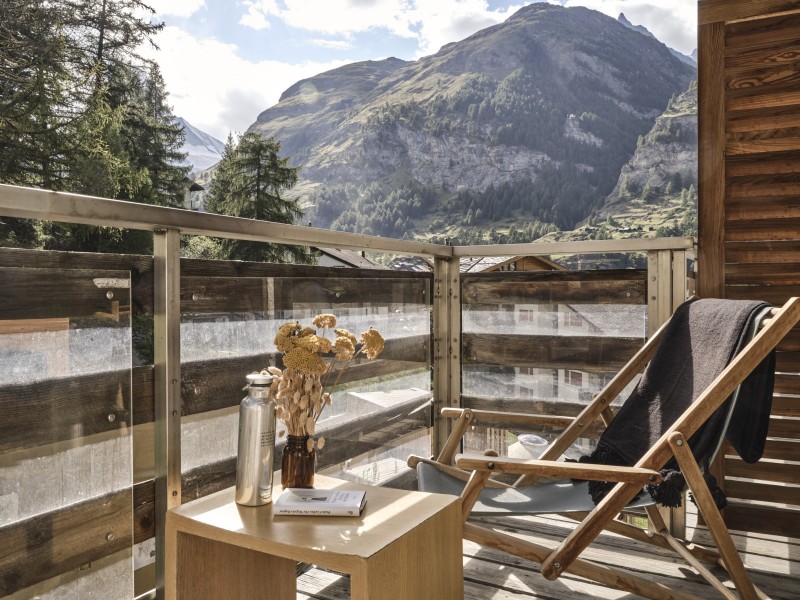
The luxurious CERVO Mountain Resort offers breathtaking views of the Matterhorn and the car-free village of Zermatt. Design aficionados will appreciate CERVO's unique interior style, which has won several design awards. When it comes to sustainability, the luxury resort places special emphasis on preserving natural resources. The water in the hotel taps is mineral water quality. In the restaurants, Zermatt water is filtered and carbonated upon request. A total of 10% of the proceeds goes to the organization WIR (Water is Right), which promotes access to clean and affordable drinking water and sanitation worldwide. Thanks to geothermal pumps, the CERVO is 100% self-sufficient in hot water production. Solar panels support electricity production. 70% of the products used in the kitchen come from within a 150 km radius of Zermatt. What does come from further afield is sourced from sustainable cooperatives.

In Slippers to the Paradiso Pure.Living
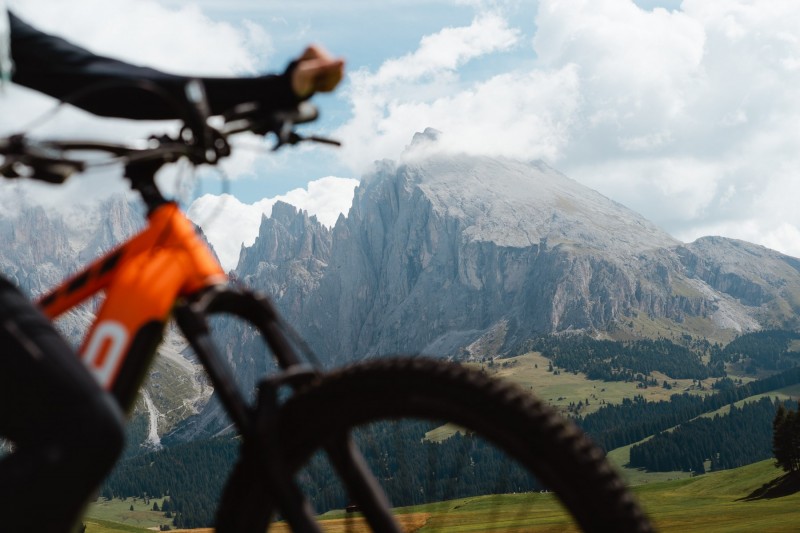
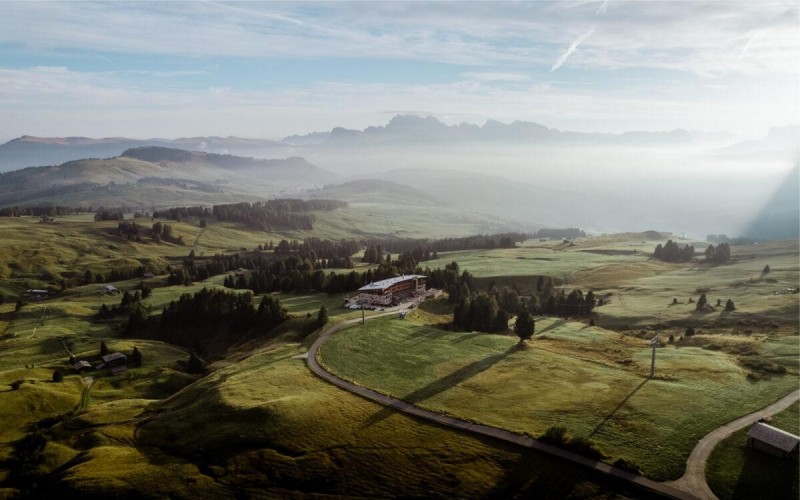
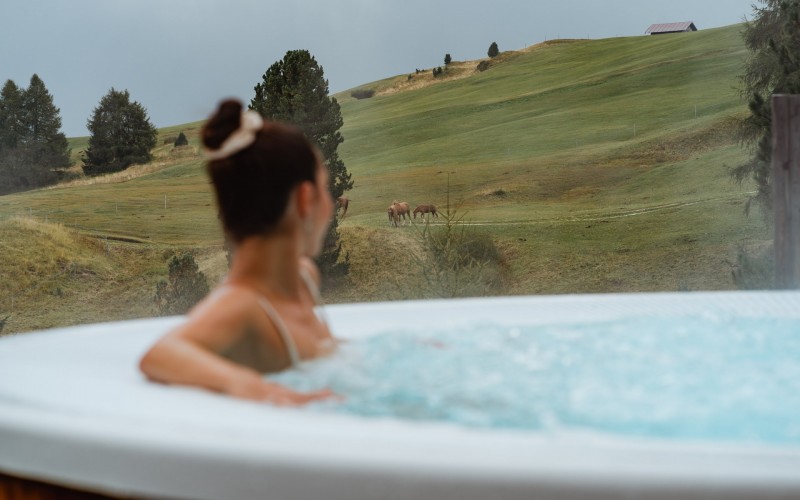
The Paradiso Pure.Living is the first vegetarian, vegan, and sustainable hotel in the Dolomites. It is located in South Tyrol, on the famous Alpe di Siusi, at an altitude of 2,000 meters and surrounded by the UNESCO-protected Alpine Nature Park. Paradiso's goal is to offer guests total relaxation and a holistic, sustainable approach to hotel operations through the active involvement of guests. Among other things, guests are asked to bring their slippers to avoid having to dispose of a large number of slippers each year after they have been worn only once. Guests are only allowed to enter and leave the hotel by car on the day of arrival and departure, otherwise, it is a car-free area and they can walk along the many hiking trails or use a bicycle.

Freshly Harvested, Freshly Served at ADLER Lodge RITTEN
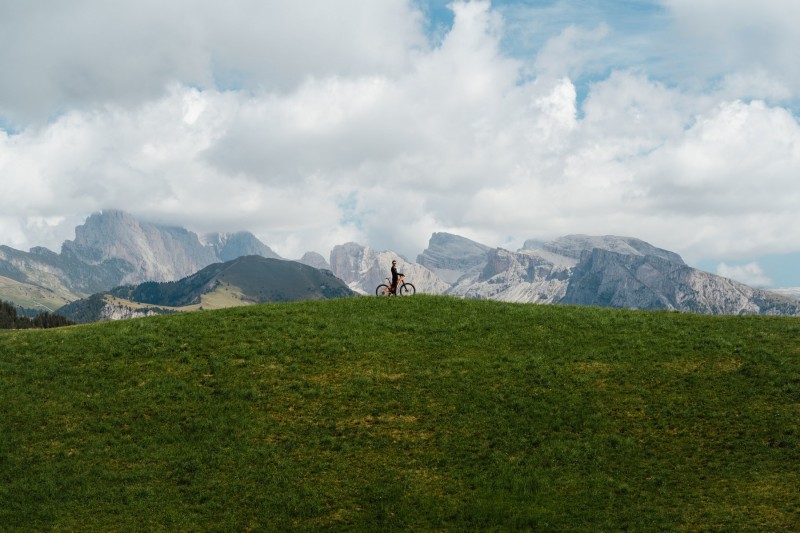
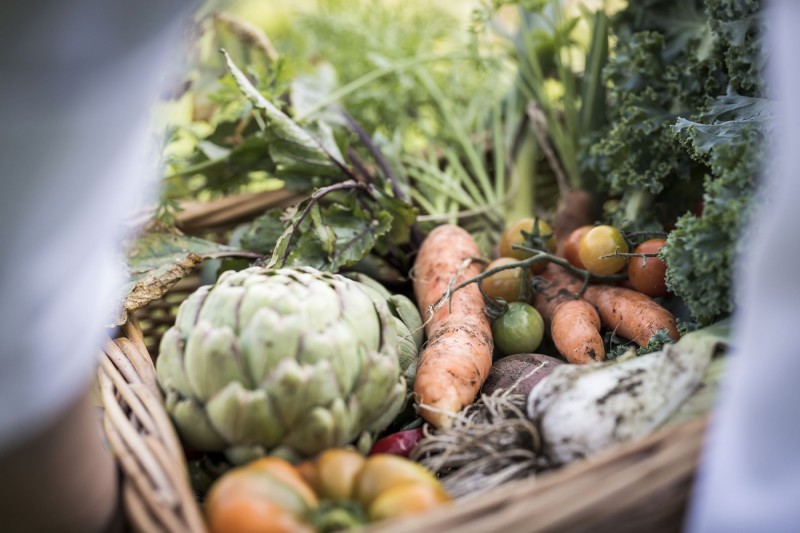
The sustainable 5-star ADLER Lodge RITTEN is set in the middle of a clearing surrounded by dense forest, with natural suites and chalets made of untreated wood and stunning panoramic views of the Dolomites. In keeping with the hotel's "from-farm-to-table" concept, the Lodge's chefs prefer to use fresh, seasonal products from local farms and producers. In 2022, ADLER Lodge RITTEN embarked on a new venture: small fields and herb gardens will be cultivated on an area of approximately 4,000 square meters, just steps away from the main building. Summer wheat, potatoes, a variety of vegetables, the finest berries, and aromatic herbs from the hotel's garden. This year, guests can take a tour through the typical farm garden. It is characterized by a high degree of diversity, natural cultivation methods, and mixed crops in the beds. The farm garden is not only a source of food but also a small oasis of relaxation.
Up Close with the Bees at Boutique Hotel Das Rübezahl
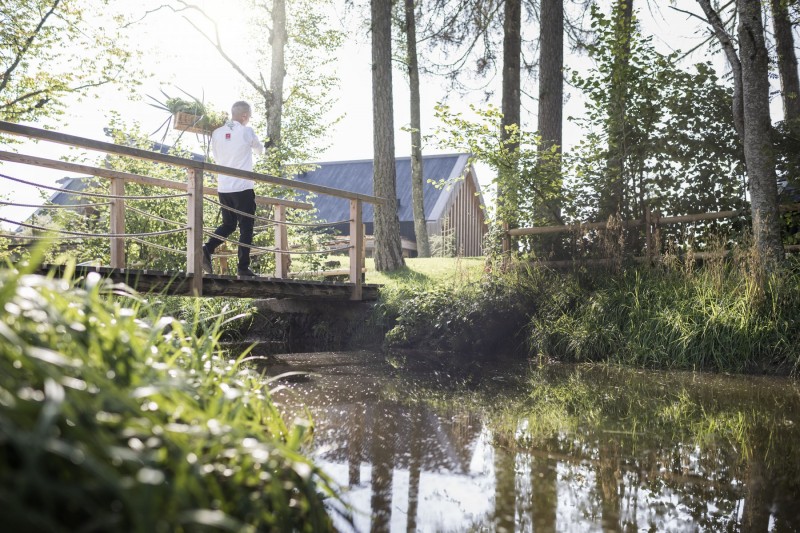
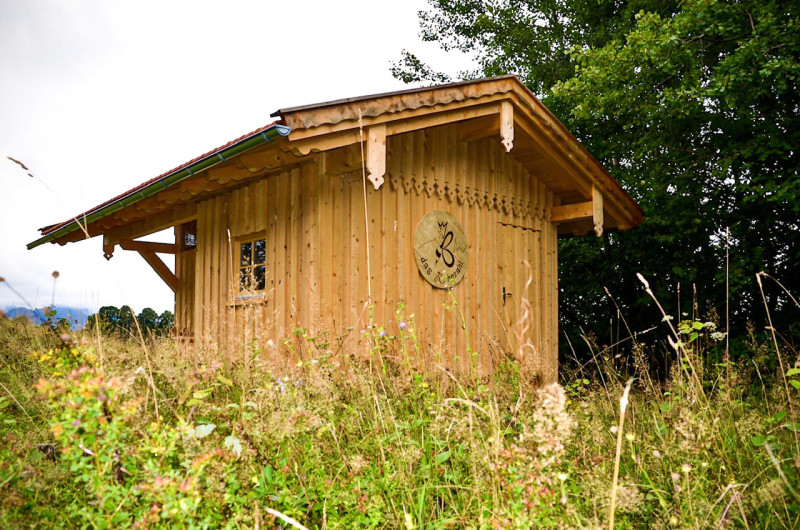
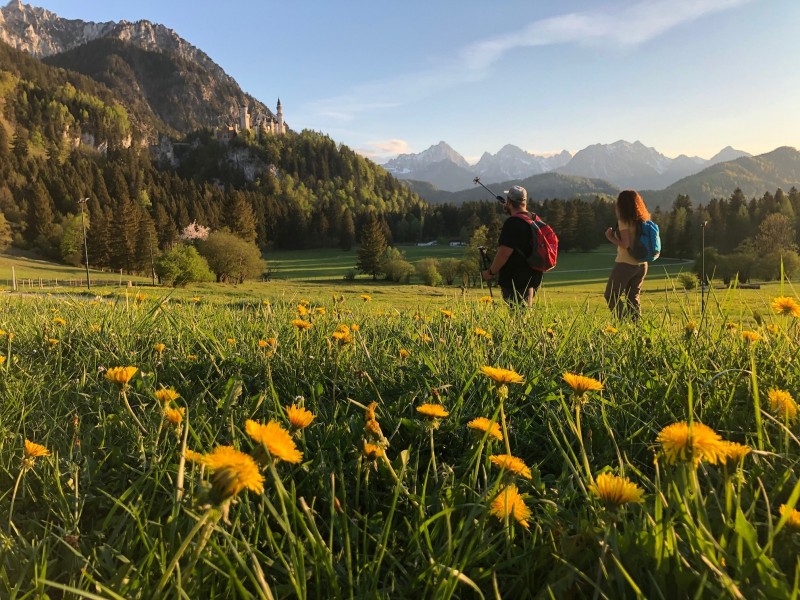
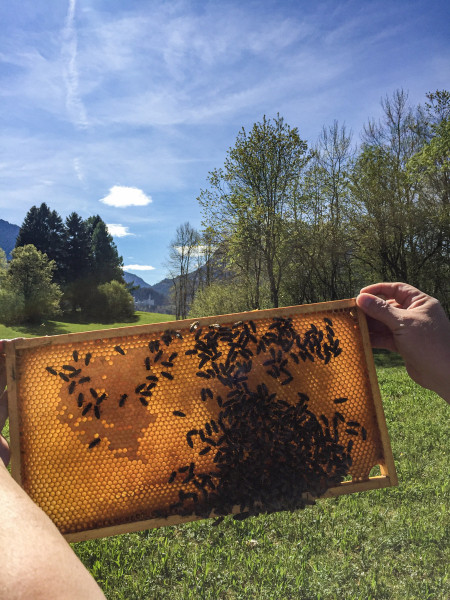
At the Hotel Das Rübezahl, sustainability has been a way of life for three generations. The family-run boutique hotel is located in Schwangau, near Füssen, in the land of mountains, castles, and lakes. But guests are not the only ones enjoying the unique views. The hotel's bee hives are located on Ehrberg Mountain, 10 minutes from the hotel and opposite the famous Neuschwanstein Castle. There are six colonies with approximately 300,000 bees. Each week, hotel guests can enjoy a tour of the apiary with the hotel's beekeeper, Sebastian. He shares many interesting details not only about his work but also about the life of honeybees and their environment. Depending on the production, the hotel's honey products can be found on the breakfast buffet or can be taken home for personal use.
A Rooftop Garden for the Hotel Bella Vista Zermatt
Now in its third generation, Hotel Bella Vista Zermatt stands for relaxation in the heart of the Swiss Alps. The eco-friendly hotel, with its 21 rooms and views of the Matterhorn, is located just a five-minute walk above the village center of Zermatt. Fabienne Anthamatten, the hotel's manager, believes in the sustainable use of resources. For example, 100% of the hotel's electricity comes from hydropower. Hotel guests are encouraged to bring their flip-flops to avoid unnecessary waste. The roof of the garage has been turned into a garden, and the harvest is served fresh to the guests' tables. Peppermint, lemon balm, and verbena are used to make tea, and bread is baked early in the morning by the owner herself. The cuisine is complemented by local products from the village butcher and cheesemaker. Leftovers are avoided as much as possible.

Zero Waste Gourmet Dinner at LA VIMEA
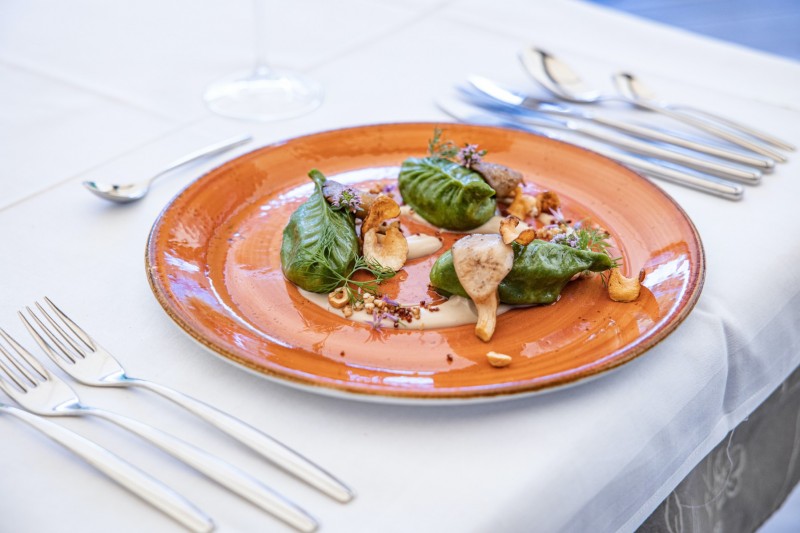
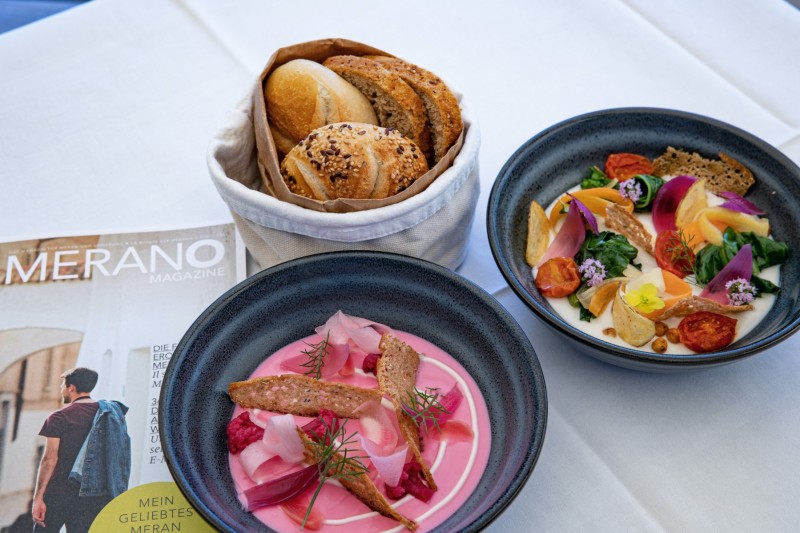
LA VIMEA, Italy's first fully vegan hotel, is located in the Vinschgau Valley in South Tyrol. It is an adults-only retreat for rest and relaxation. There are no animal products on the premises, not even in the furnishings. Guests will not find leather furniture or duvets. Each day, the chef creates dishes using local and regional vegetables, fruits, and herbs with the goal of using all ingredients in their entirety. The 5-course menu needs to be booked in advance, allowing the kitchen to accurately calculate consumption and avoid wasting quality organic produce. The mattresses are made of vegetable fibers and water-based foam. At the end of their life cycle, they are collected by the supplier and given to another company that uses them to make insulation panels for the construction industry. Bed linens, towels, and tablecloths are made from fair-trade organic cotton.
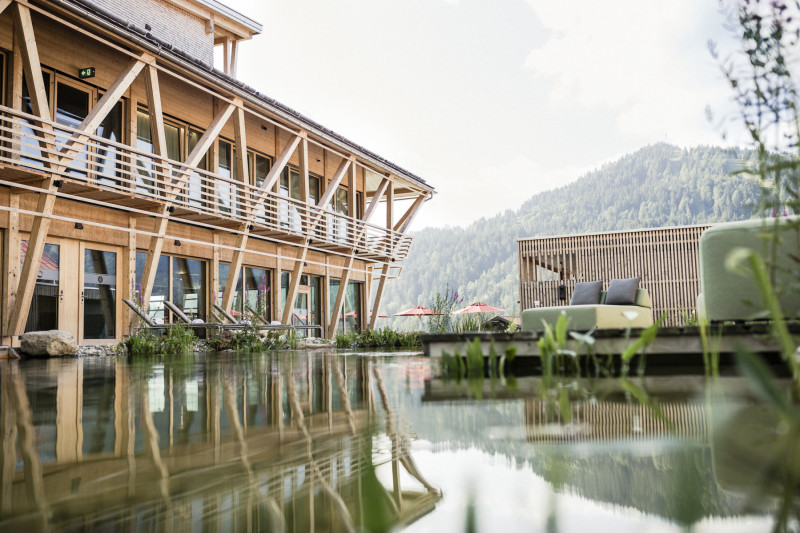
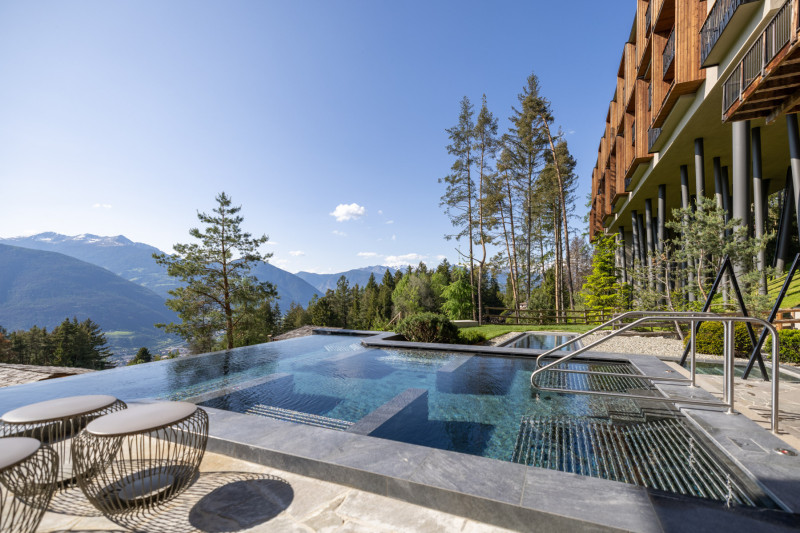
Many of the GreenPearls hotels and guesthouses, such as the HUBERTUS Mountain Refugio in the Allgäu or My Arbor near Brixen, also invite their guests to decide for themselves how often bed linen and towels should be washed. Most of the guests gratefully accept this offer. In addition, guests can use all public transportation in the area free of charge and thus reduce CO2 emissions during their vacation without any hassle. The HUBERTUS Mountain Refugio Allgäu is located at 1,044 meters above sea level and offers with its sustainable overall concept a rest for the body and soul in the middle of the mountain landscape. The Hotel My Arbor is a unique tree hotel on stilts. Thanks to this extraordinary architecture, guests can enjoy a special view of the Plose.
Hotels and accommodations are increasingly committed to environmental protection and social responsibility by adapting their practices and promoting sustainability in their establishments. This development, not only among the Green Pearls® partners, underlines the fact that a more sustainable tourism is not only essential for the preservation of our planet but is also becoming an increasingly decisive economic factor.
You can learn more about this topic and how our partners are committed to greener travel on the linked microsites, the hotel websites, and our green travel blog. If you have any questions or requests, please contact us directly at press@greenpearls.com.