

The return on fairness: Why fair working conditions are the best business strategy for hotels
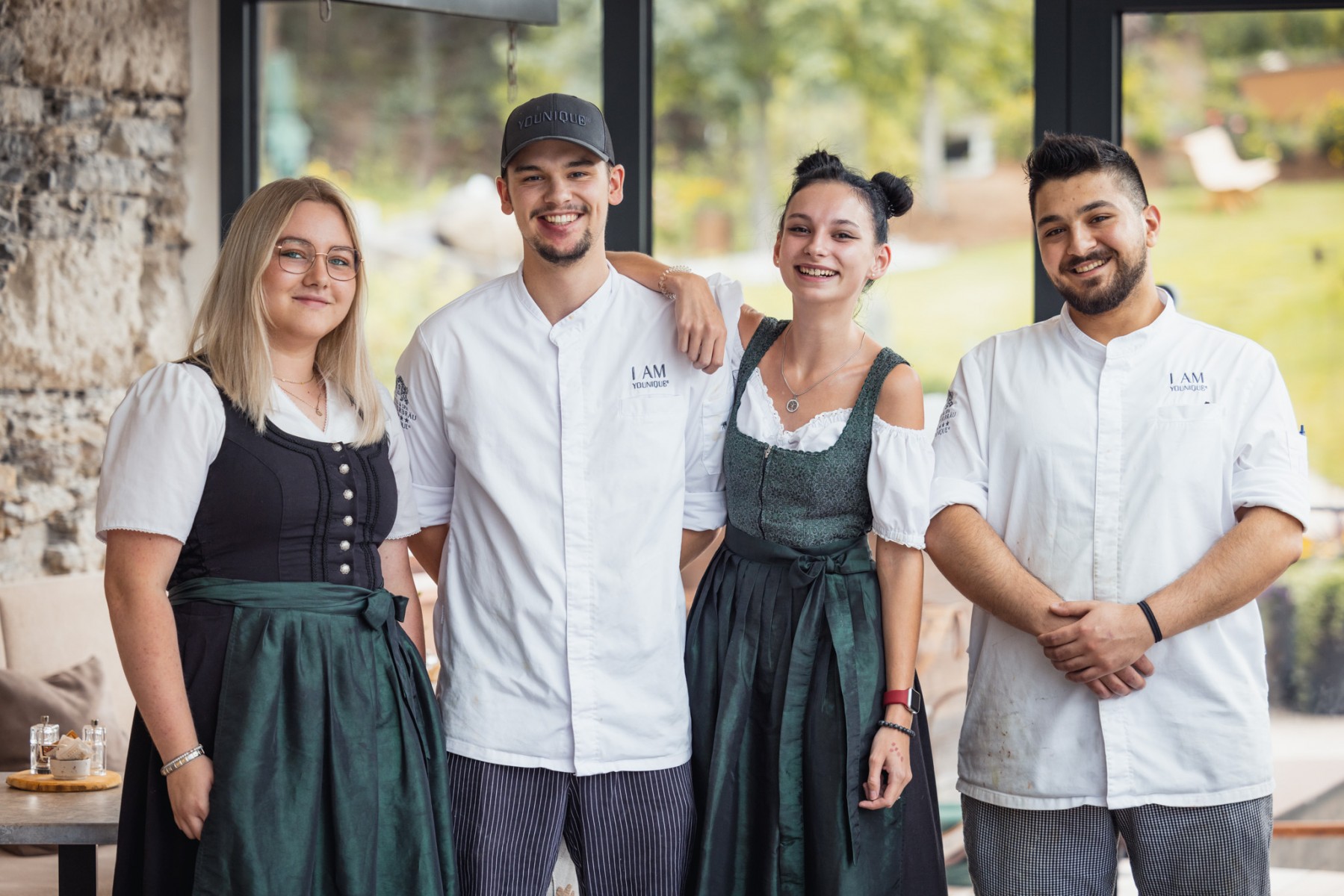
The shortage of skilled workers is costly. Overworked teams, limited opening hours, and declining service quality are common throughout the hotel industry. According to the German Hotel and Restaurant Association (DEHOGA), Germany is short tens of thousands of workers, especially in service, kitchen, and reception roles. The pandemic has further exacerbated this trend, putting enormous pressure on many businesses ever since.
While many hotels struggle with high staff turnover and constant recruitment, hotels in the Green Pearls® international sustainability network are taking a different approach: retaining team members instead of replacing them. What may seem idealistic at first turns out to be a clear economic advantage. The costs of recruiting, training, and the quality losses due to staff turnover far exceed the investment in positive working conditions.
Retention instead of recruitment: The figures speak for themselves
Examining real-life examples reveals that retention is not a matter of chance, but rather the result of deliberate decisions. For example, the same team has been returning seasonally to the Hotel Korinjak on the Croatian island of Iž for years — some for ten years, and some for as long as twenty years. This is not due to a lack of alternatives, but rather because the work rhythm, respectful cooperation, and shared values are just right.

At Hotel Luise in Erlangen, most of the staff have also worked there for many years, earning above the standard rate with virtually no overtime. At the Hotel Klosterbräu in Seefeld, Tyrol, employee anniversaries are not celebrated with standard gifts, but with guests in the historic wine cellar. The Hotel Weihrerhof in South Tyrol has cultivated a collaborative working relationship for decades, where low staff turnover is the norm. The Klosterhof — Alpine Hideaway & Spa — also focuses on long-term employment rather than seasonal work. The hotel has a comprehensive personnel concept and only employs permanent staff, many of whom have worked there for over three years.
Loyalty pays off
Employees who have internalized an establishment's philosophy, know regular guests personally, and intuitively master procedures are irreplaceable. The two purely vegan hotels, LA VIMEA and Paradiso Pure.Living Vegan Hotel, demonstrate effective retention strategies: seasonal contracts are supplemented with on-site accommodations and wholesome vegan meals for the staff. As value-based businesses, both hotels carefully select their staff, and many employees strongly identify with the vegan philosophy, further strengthening their loyalty over the years.
Studies estimate that the cost of replacing an employee is 50 to 150 percent of their annual salary. Added to this are the nearly immeasurable losses resulting from a decline in quality, loss of knowledge, and an increased workload for remaining team members. Retaining employees not only saves money but also preserves trust, expertise, and authenticity.
The people at the center
Many Green Pearls® partner hotels invest specifically in the health of their employees, yielding a measurable return on investment. For example, at OLM Nature Escape in South Tyrol, employees receive a free health checkup starting in their third year of employment, as well as two osteopathic or physiotherapy treatments per year.
At SCHWARZWALD PANORAMA in Bad Herrenalb, free massages are available every quarter, along with access to the spa, sauna, and swimming pool. The bio-oriented Gut Sonnenhausen near Munich takes it a step further with a corporate health management system supported by the Ludwig Maximilian University of Munich. The university's working group studies various aspects of health promotion. Studies on health insurance prove that every euro invested in health promotion yields a return of 2.5 to 4.8 euros through reduced sick leave.
Every euro invested in health promotion pays off 2.5 to 4.8 times over through reduced sick leave.

Predictability and fairness
Another factor for success is predictability. However, digitizing internal processes is also an often underestimated lever. Automated shift planning, digital time recording, and self-service portals reduce administrative effort and enable data-based personnel management, which is especially beneficial for seasonal businesses. At the same time, these tools strengthen employees' sense of personal responsibility and trust in fair processes.
Flexible, digital, transparent
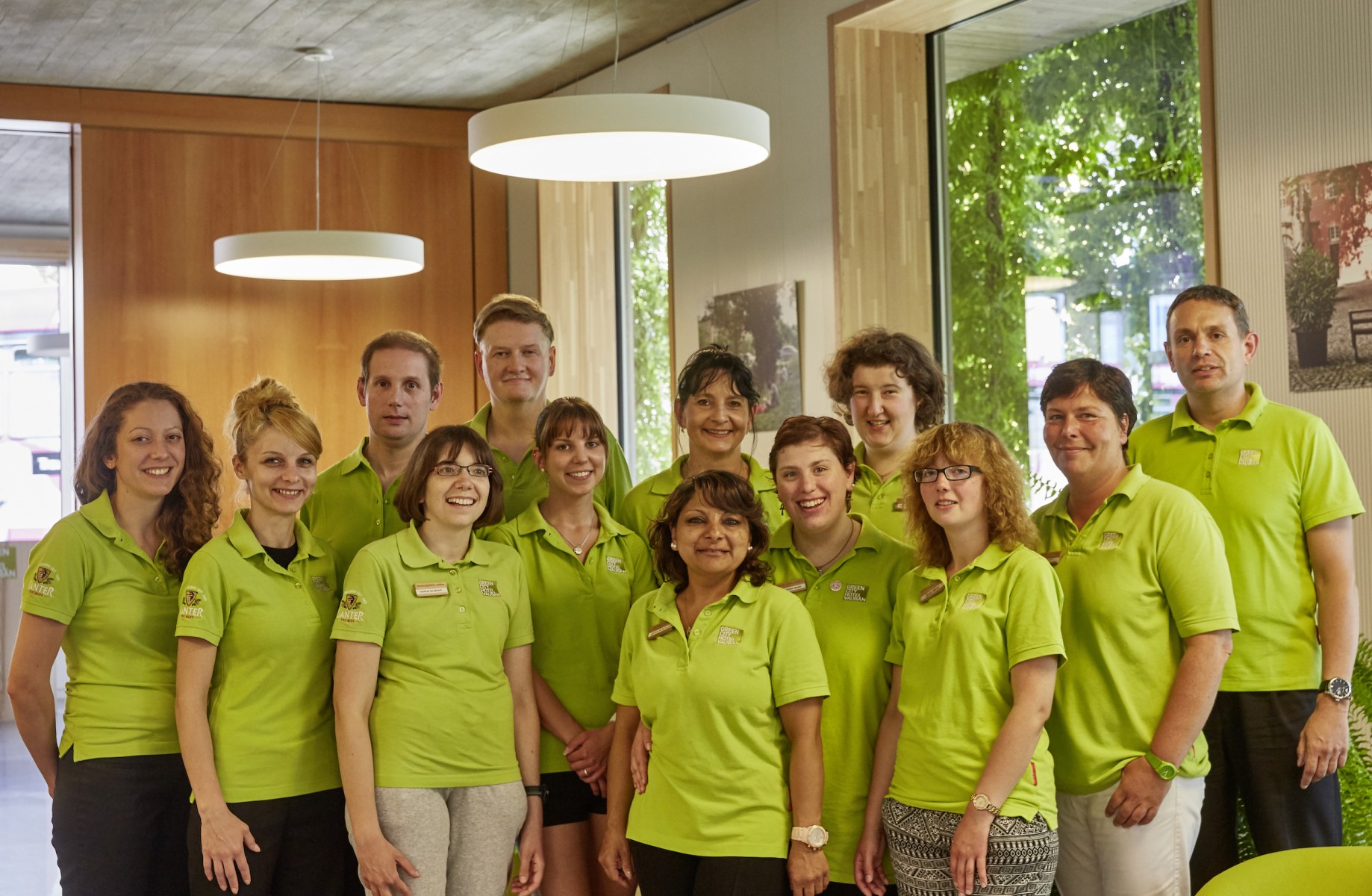
Gut Sonnenhausen creates its duty rosters up to four weeks in advance and uses a digital time-recording system. Overtime is transparently recorded and compensated. At Hotel STURM in the Rhön, clear working time models and digital tools for vacation planning and duty scheduling ensure reliability. The inclusive Green City Hotel Vauban in Freiburg has fixed work schedules that enable a high degree of planning security and virtually eliminate overtime. Since the Federal Labor Court ruled on mandatory time recording, such systems have gone from useful to essential. They create transparency for everyone and increase legal certainty for companies and employees alike.
However, predictability does not mean rigidity. At the family-run Hotel Okelmann's in Lower Saxony, for example, working hours are flexible and arranged individually with team members so that they can easily balance their professional lives with family and leisure time. The My Arbor tree hotel in South Tyrol takes a similar approach: employees can choose part-time or full-time positions with 5-, 5.5-, or 6-day workweeks depending on their personal circumstances and needs. The Naturhotel Outside in East Tyrol also tailors working hours to individual life situations, offering part-time, full-time, and hourly positions. Many perceive this freedom of choice as a decisive competitive advantage that contributes significantly to team satisfaction and long-term loyalty.
Fair working conditions as an opportunity for growth and development
Fair working conditions are a development issue. The Canvas & Orchids Retreat in Cambodia is a perfect example of this. Sokchea started as a boat driver and, after receiving continuous training, now leads English-speaking excursions. In South Tyrol and Sicily, the ADLER Lodge RITTEN and the ADLER Spa Resort SICILIA offer individualized training programs for their employees and replace seasonal employment with year-round contracts. The SANDcollection, with its two hotels on the Baltic and North Seas, also sees itself as an explicit "platform for growth." Here, staff are encouraged to take on responsibility and develop professionally.
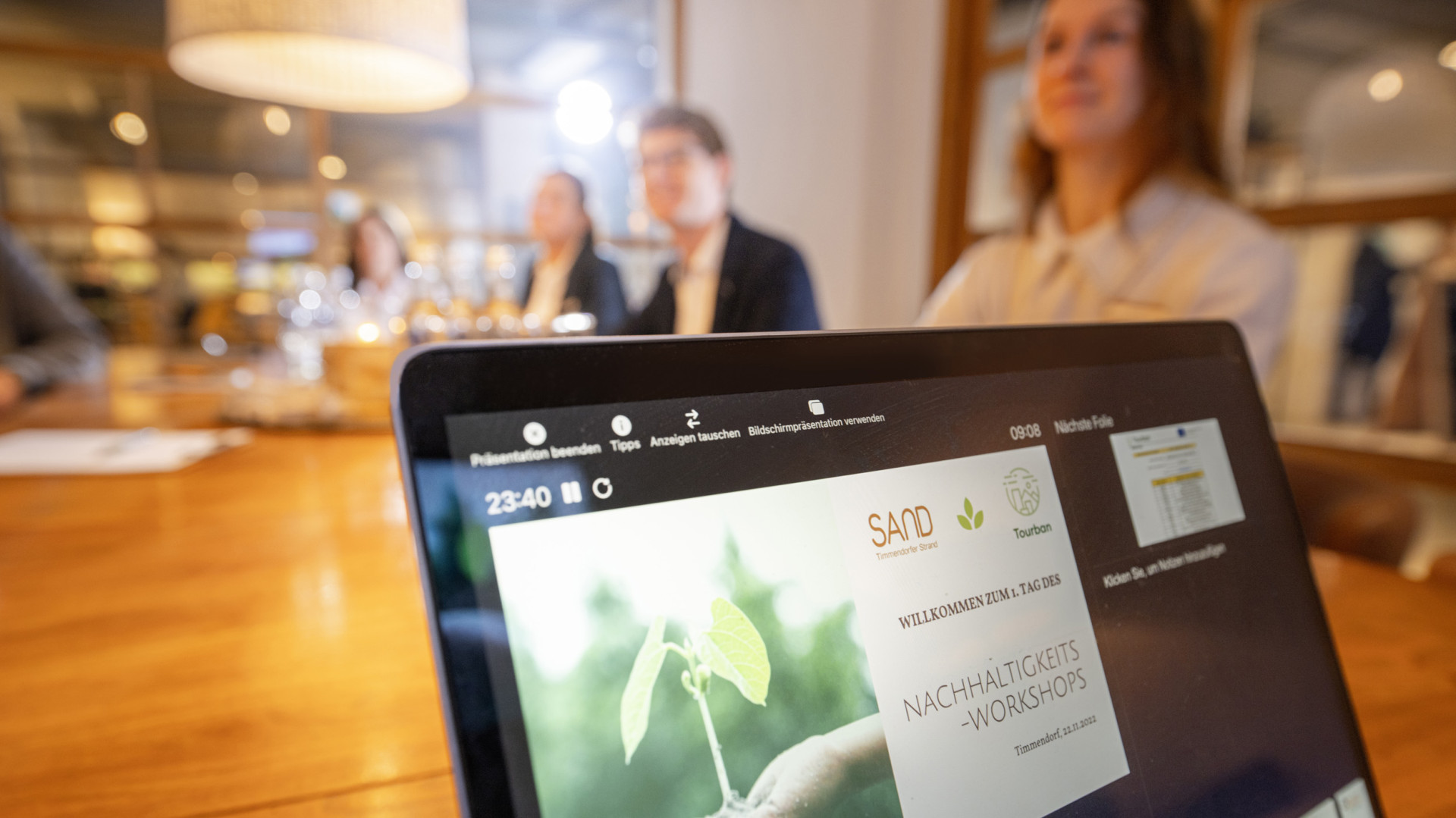
Qualified teams relieve managers and enable premium service, creating the basis for economically viable prices. Active training, hiring trainees, further training, and clear career opportunities are all part of the Green City Hotel Vauban's concept. These elements ensure that employees are continuously supported and feel comfortable. After one year of service, Vauban employees also receive capital-forming benefits.
Inner values and outer image
This internal culture has an external impact. In an increasingly competitive job market, employer branding has become a decisive factor for success. With flexible work schedules and free housing, My Arbor confidently positions itself as a modern employer. Marketing its location as a lifestyle — working with a view of Neuschwanstein Castle — also works for the Hotel Das Rübezahl in Schwangau, located in the Allgäu region. The SCHWARZWALD PANORAMA recently attracted trainees from Nepal, proving that location appeal and appropriate marketing enable diversity.
A question of attitude
However, positive working conditions always start with the right attitude. At the Hotel Bella Vista in Switzerland, every employee is as important as every guest. This belief is reflected in the hotel's flat hierarchy, reliable work schedules, and a bonus system that recognizes performance. At Hotel Okelmann's, this fairness stems from the owners' personal experience with poor working conditions and their conscious decision to implement a different model.
At Okelmann's, joy, appreciation, and a family-like atmosphere are at the heart of everything we do, with fair pay, flexible working hours, and special team events.
Kristin and Maren Okelmann
The Naturresort Gerbehof, located near Friedrichshafen on Lake Constance, takes it a step further by balancing its accounts according to the principles of the Economy for the Common Good. Here, success is measured not only in euros but also in social justice and human dignity.
Conclusion
Fair working conditions are not a costly trap; they are an investment with a measurable return. High staff turnover, on the other hand, is costly in financial, organizational, social, and cultural terms. Green Pearls® hotels demonstrate that economic success and social responsibility are not mutually exclusive. They are pioneers of a new employer culture in the hotel industry that emphasizes one key point: the best way to find good employees is to keep them from leaving in the first place.
________________________
Our Sources