

Organic vs. Local: Perspectives from the Sustainable Hospitality Industry
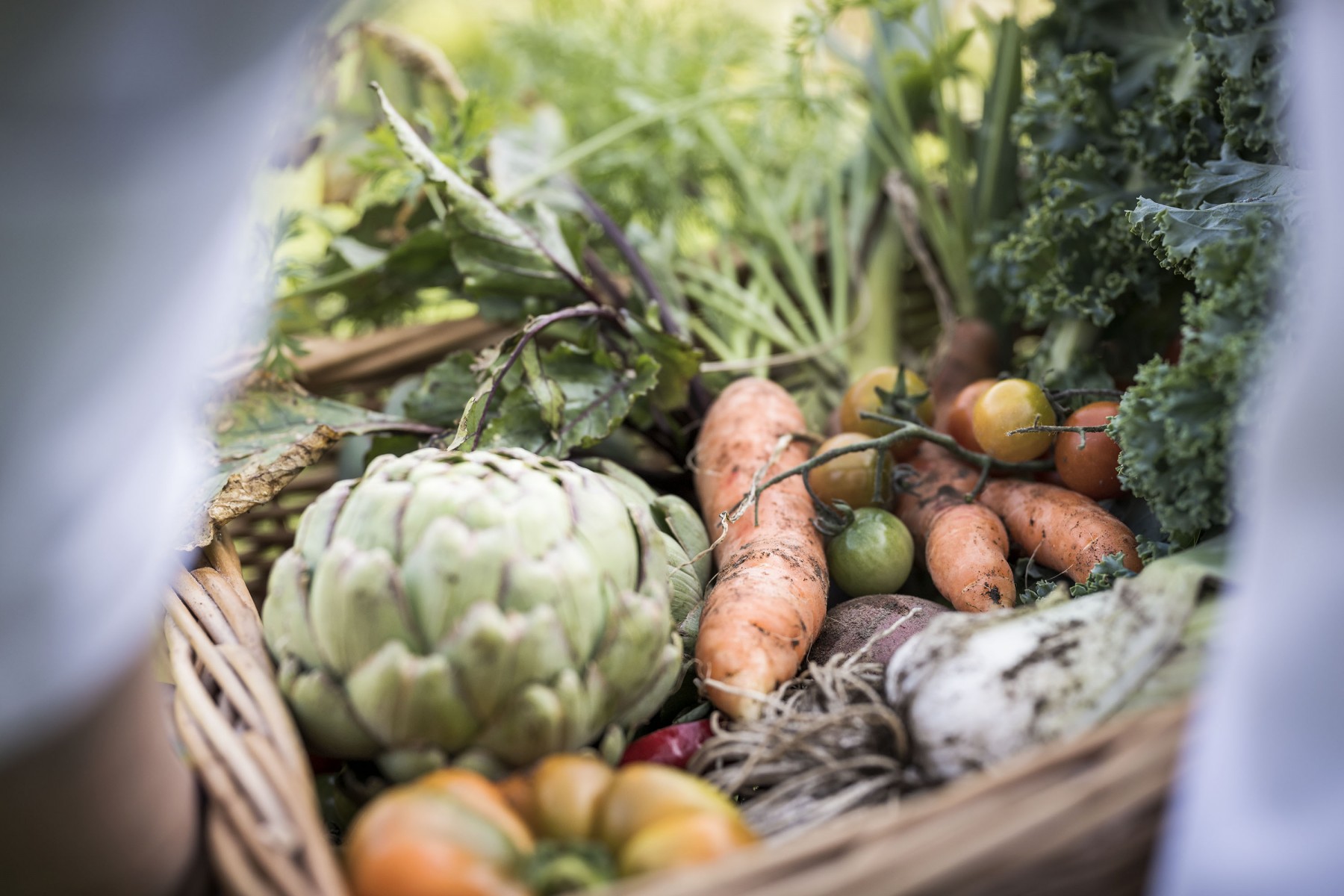
The question of whether organic or local is the more sustainable approach is often debated. A recent survey of sustainable hotels in the Green Pearls® network shows that there is no single answer. Rather, it is a combination of both, each with its own benefits.
The Benefits of Organic and Local Sources
Organic products are characterized by more environmentally friendly cultivation methods. According to the German Federal Center for Nutrition (BZfE), the use of pesticides in organic farming is allowed only in exceptional cases, which has positive effects on the environment and people. These include increased biodiversity due to the lack of pesticide use, protection of groundwater, and protection of workers.
In turn, a focus on regionality allows for shorter transportation routes, reducing not only CO2 emissions but also storage capacity and packaging materials. These aspects are particularly important when it comes to minimizing one's environmental impact. In addition, it supports local (agricultural) markets, and the cultural aspects should not be underestimated: Regional specialties or products become the "star" on the plate and ensure an authentic culinary experience.
The sustainable ideal is therefore a combination of both approaches. However, as the hoteliers of the Green Pearls network can attest, this is not always easy and sometimes impossible to achieve. So, which is more important? Organic or local?
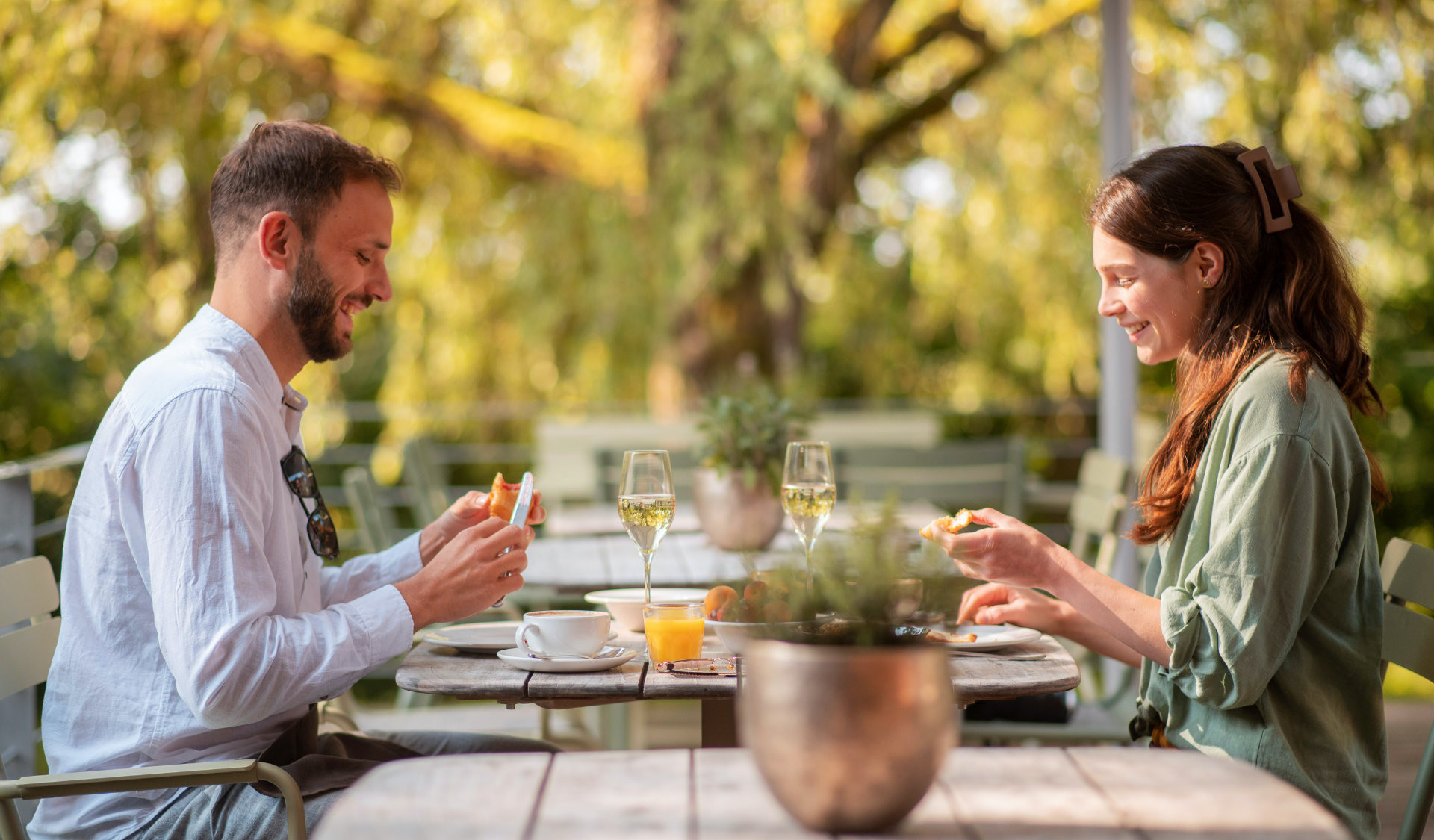
Organic vs. Regional: Perspectives from the Green Pearls® Network
A survey of Green Pearls® partners shows that 88.3% of hotels prefer to use regional organic products and consider organic and regional products to be of equal value. However, 46% of the hotels surveyed consider regional producers to be more important and only 11.5% have a clear preference for organic products. These figures illustrate the diversity of approaches and the belief that both principles can go hand in hand – if possible.
Local over Organic
We prefer local over organic – that way we know how the food is produced.
Hotel Weihrerhof

When it comes to choosing between organic and local, the Hotel Weihrerhof in South Tyrol, Italy, has a clear preference for local. The reason, explains hotelier Klaus Pichler, is that you know how the food is produced. This philosophy is supported by the family's overall commitment to the region.
Fabienne Anthamatten, owner of the Swiss Hotel Bella Vista in Zermatt, has a similar view. By sourcing locally, you know the suppliers and the products are fresh on the table.

The HUBERTUS Mountain Refugio, a wellness hotel in the Allgäu region of Germany, also focuses on regionality, accepting that not all of its suppliers are certified organic. "We value the direct relationship with our local producers, which increases the sustainability of our sourcing and supports local communities," explains the management.
Six generations is a long time and ensures deep roots in the region. No wonder that the Seefelder Hotel Klosterbräu works exclusively with local suppliers who share the values of the sustainable hotel. In the selection of products, regionality is more important than organic standards.
The team at the Lifestylehotel SAND in Timmendorfer Strand on the Baltic Sea coast is proud of its regional and seasonal selection, which is made possible by the large number of producers in the Lübeck Bay. The focus is on dialogue with guests to create transparency and awareness of regional products.

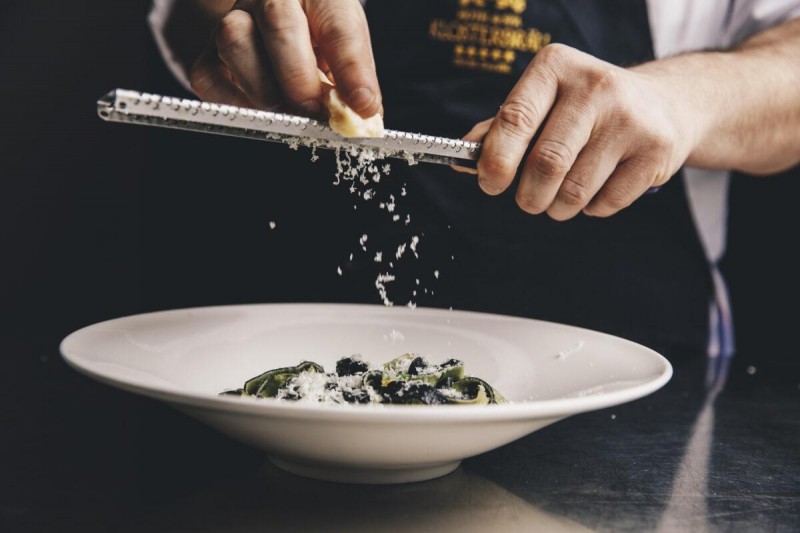
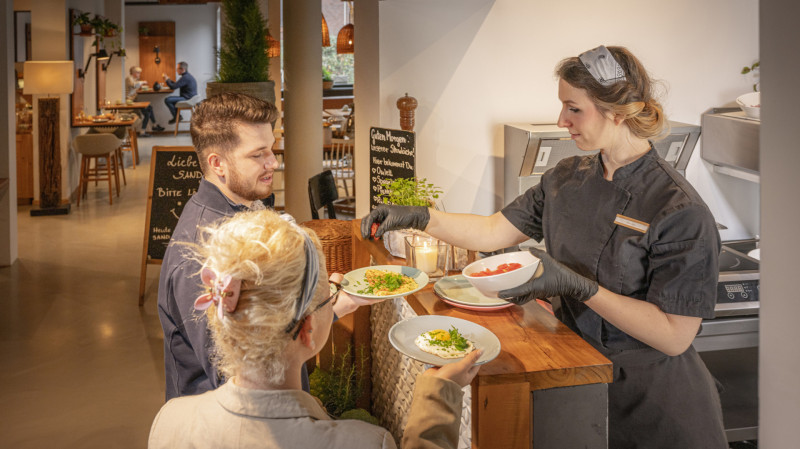
Birkenhof***** Spa & Genussresort and the Klosterhof - Alpine Hideaway & Spa (both in Bavaria) rely almost exclusively on regional partners, emphasizing their importance for both authentic cuisine and the promotion of the local economy. The hotel at the River Moselle Lifestyle Resort Zum Kurfürsten makes a similar argument, adding that organic products are often not available in the quantities needed.
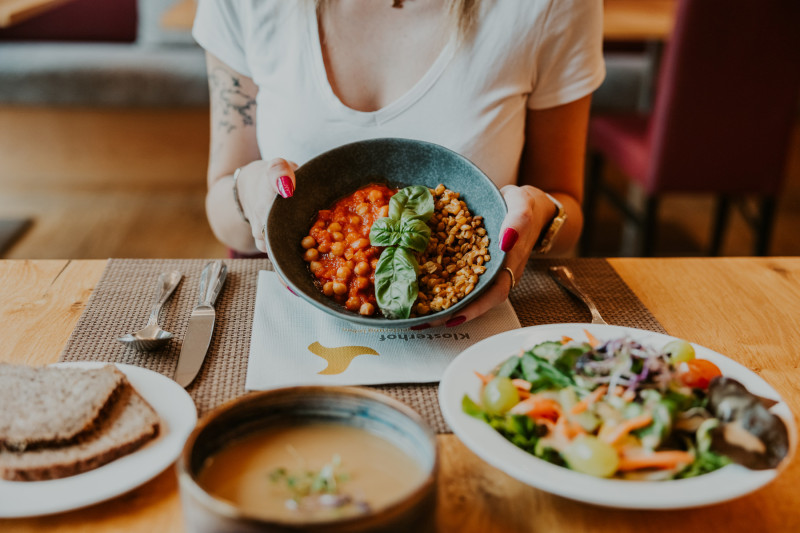
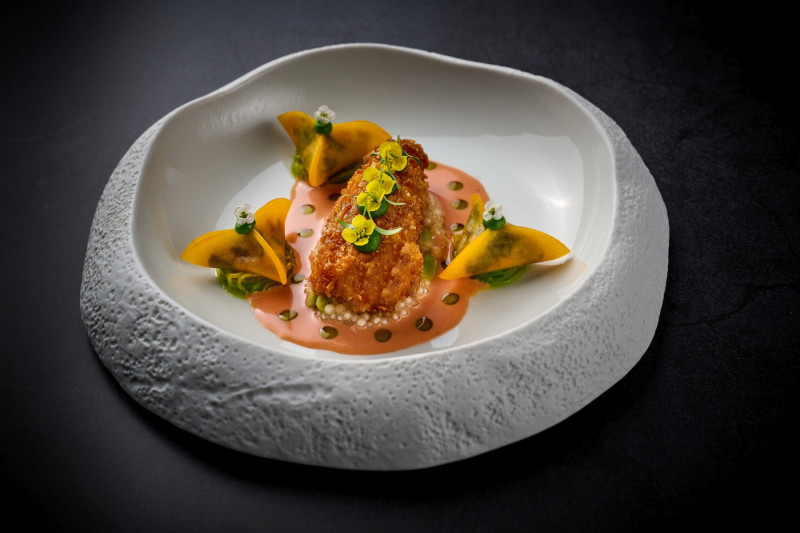

As a Bioland Gold-certified hotel, the SCHWARZWALD PANORAMA is obligated to offer at least 90% organic quality in all of its food and beverages. To achieve this, owner Stephan Bode and his team rely on organic partners in the region. However, they make it clear that before buying organic products from beyond the German border, the hotel will always opt for regional products to avoid transportation. The same applies if certain products, such as fish, are not available in organic quality.

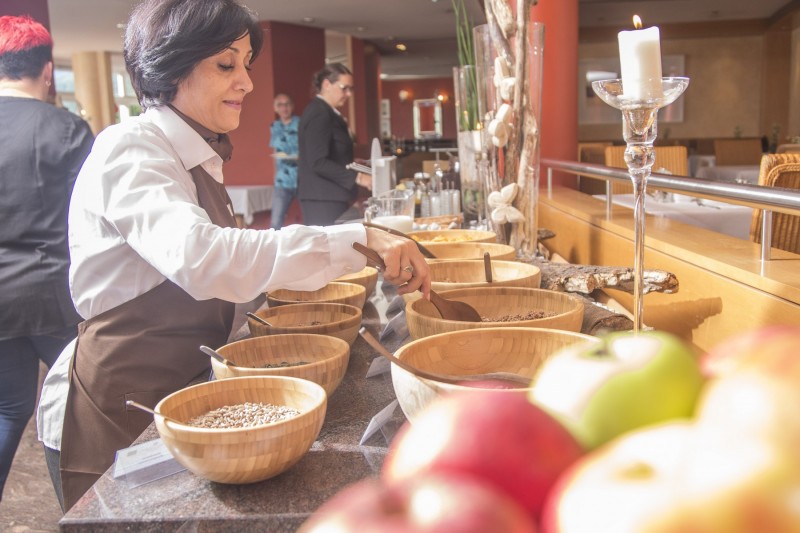
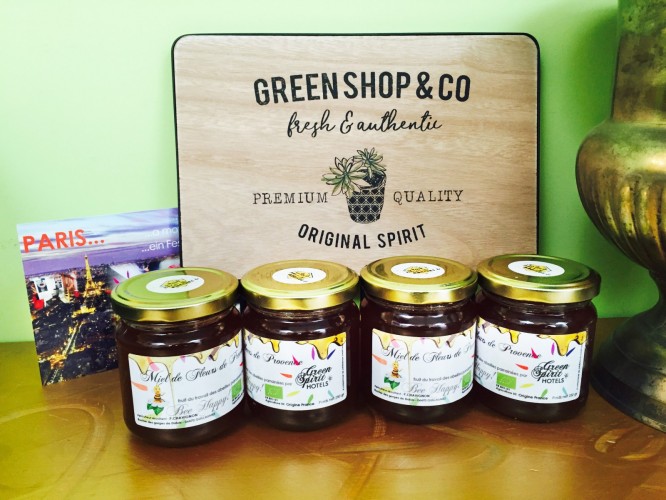
At the Austrian Naturhotel Outside, there is a strong focus on regionality and appreciation of local producers. The cheese, for example, comes from a farm just 1.5 kilometers away. The Green Spirit Hotels in Paris also follow a regional approach, but owner Barbara Tascijevic regrets the limited options for regional suppliers in an urban area.
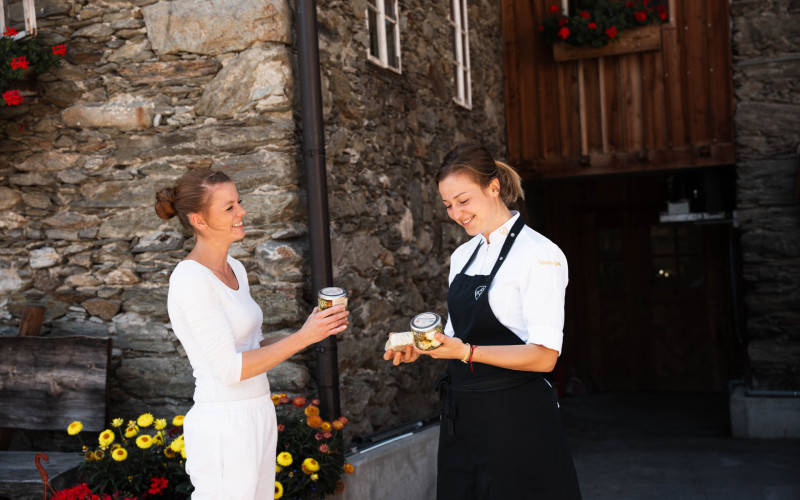
The Naturresort Gerbehof nature resort places special emphasis on local suppliers, emphasizing that organic products from abroad often do not offer the same sustainability as regional products. "We know where our food comes from and how it is produced," explains owner Ursula Wagner. The owners of Gut Guntrams also believe in regionalism and source most of their products from local (organic) farmers or the hotel's organic farm.
The family-run Hotel Okelmann's in Lower Saxony relies on a mix of the two but emphasizes the importance of regionality. "Organic wherever possible, but above all regional," say the owners. Supporting smaller producers is also important to them.

Organic above Local
Due to our organic certification, all of our food must be certified organic. We source primarily from local producers
STURM
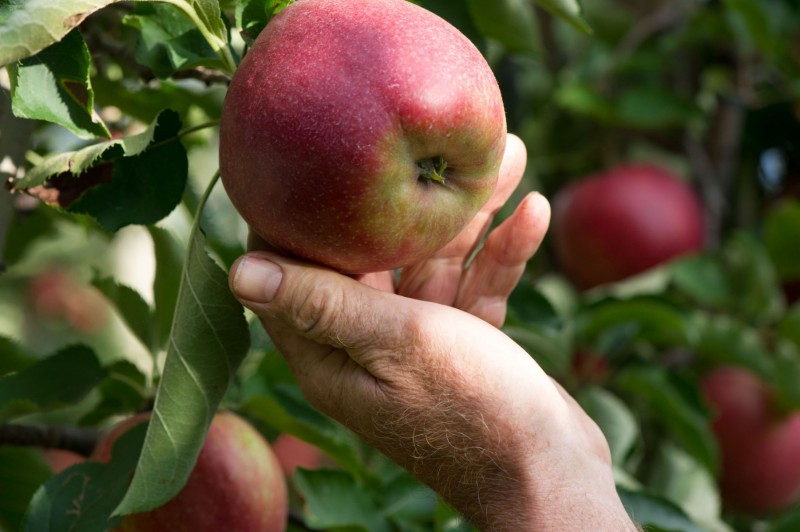
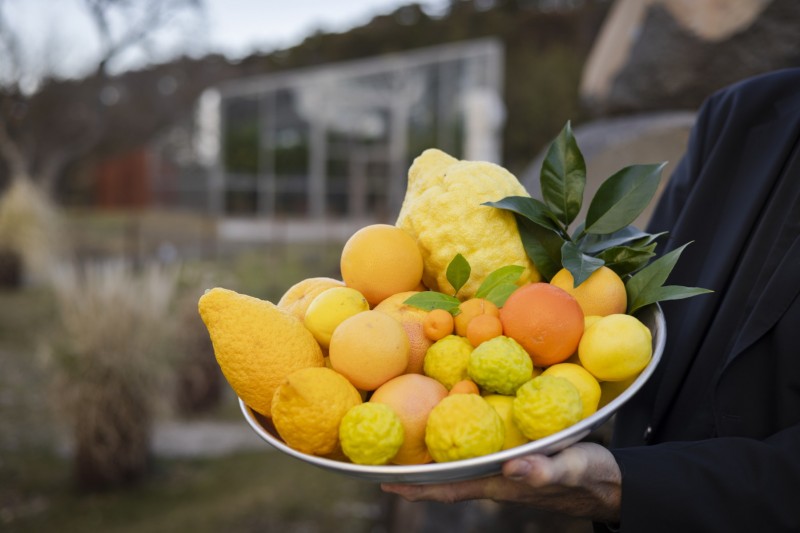
The STURM in der Rhön explains that their organic certification requires that all food be certified as such. However, whenever possible, the STURM team sources its food from regional producers or the hotel's garden. The Biohotel Grafenast sees the ideal situation in the combination of both approaches but emphasizes that organic products are more sustainable.
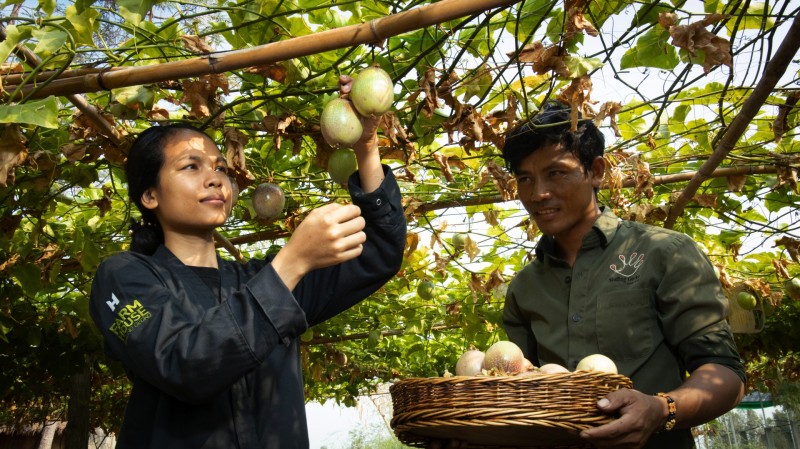
The luxurious FARMHOUSE Resort is located on the campus of the NGO Smiling Gecko in Cambodia. The resort provides education for the local population and also supports the NGO's organic farming.

Local Organic Products at the Forefront
This combination allows us to protect the environment, support the local economy, and provide our guests with high-quality, fresh food.
Hotel My Arbor
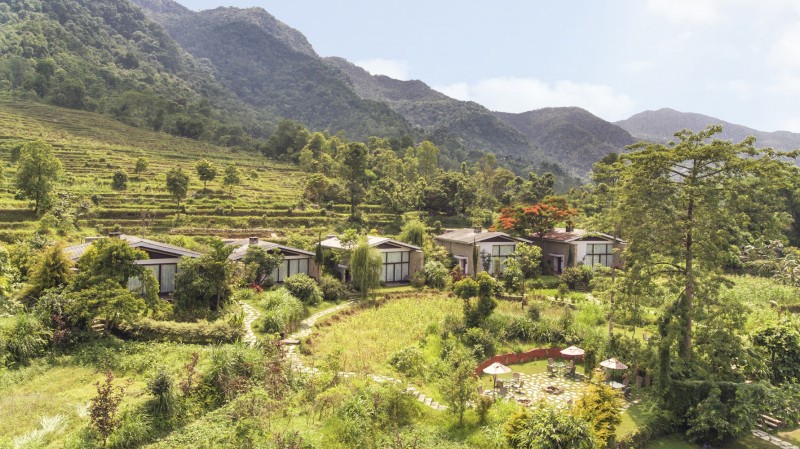
In Nepal, at the foot of the world's highest mountain range, The Pavilions Himalayas - The Farm is an example of how both approaches can be integrated. The hotel is nestled in a working organic farm that provides most of the food for the restaurant. This gives guests the opportunity to dine on fresh, sustainable, and authentic food.
The Keemala Resort combines organic and local products, emphasizing that the choice of organic is based on environmental and health benefits. At the same time, local products support the local economy and small local suppliers. The kitchen is supplemented with vegetables, mushrooms, and herbs from the resort's organic garden.
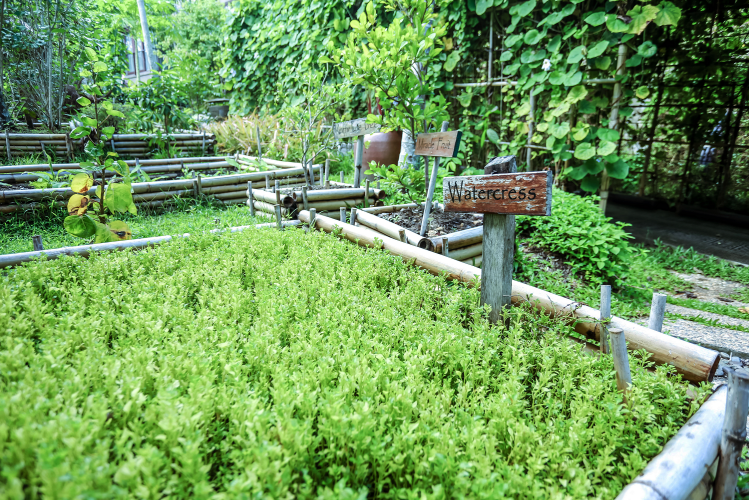
The Paradiso Pure.Living Vegan Hotel on the Seiser Alm has converted its restaurant to a purely vegan cuisine. What has not changed is the emphasis on high-quality, organic products from sustainable producers. The sister hotel LA VIMEA Vegan Hotel in Naturno, the first purely vegan hotel in Italy, also follows a holistic vegan approach and uses organic products from local farmers wherever possible. The focus here is on handmade, regional products for the colorful, plant-based cuisine.
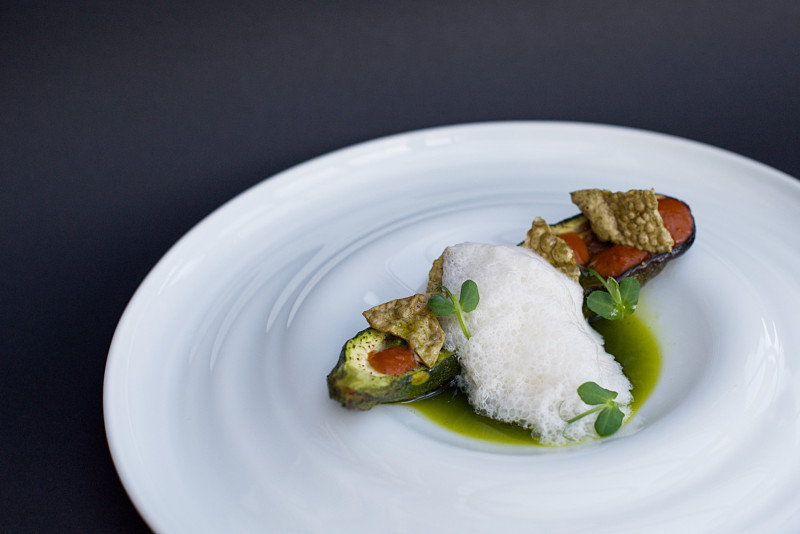
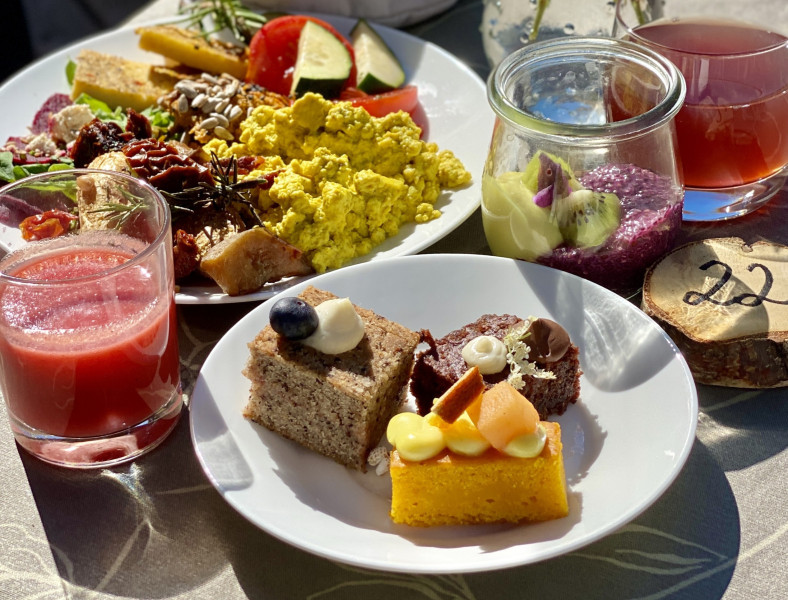
The APIPURA hotel rinner points out: "For us, regional organic products are the best. The family-run hotel on the Ritten in South Tyrol is the first hotel to bear the Bio-Fair-Südtirol seal. In addition to its certified organic beekeeping, the Rinner family, which owns the hotel, maintains close relationships with its local partners and sees itself as a driver of organic agriculture through its demand for organic products.
The restaurant at My Arbor, an adults-only hotel, also takes an inclusive approach, combining organic and local produce as the best way to promote sustainability.
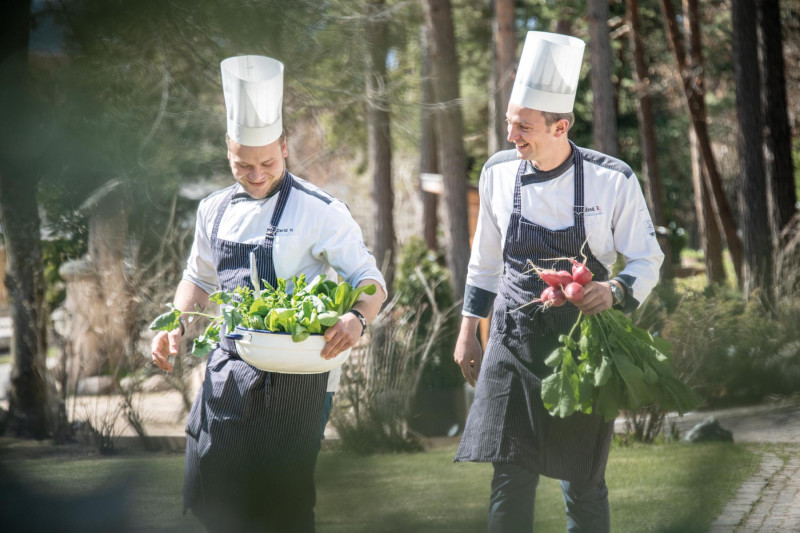
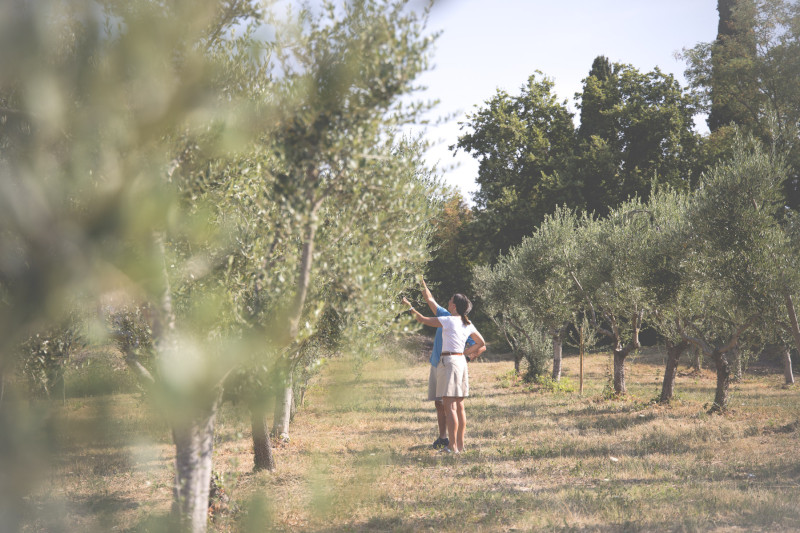
Both the ADLER Lodge Ritten in South Tyrol and the ADLER Spa Resort SICILIA in Southern Italy rely on a combination of regional and organic products to ensure both sustainability and high quality. In addition, both hotels have their own gardens, which significantly reduces transportation costs.

Be it Organic or Regional, Communication is Key
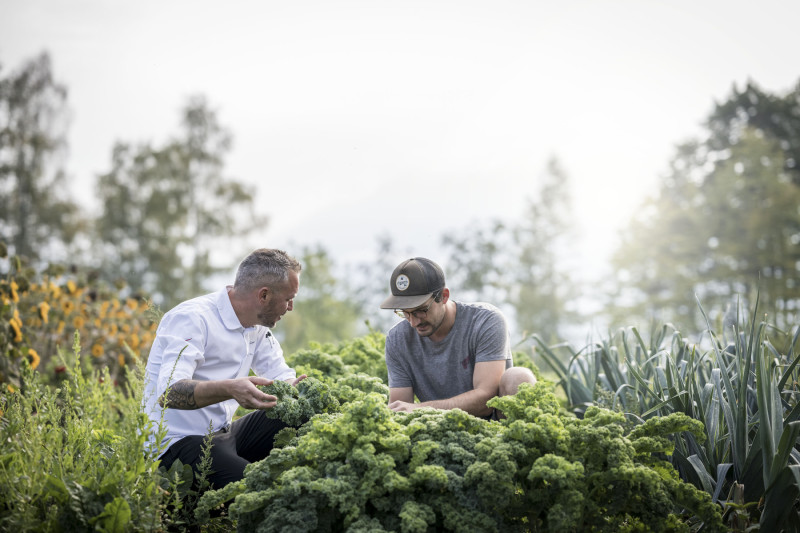
The way in which sustainable hotels inform their guests about the origin of the food they serve plays a central role in understanding and accepting that certain things are sometimes not available. Many Green Pearls® partners use innovative approaches to create transparency. In the hotel gardens of the ADLER Lodge RITTEN, the ADLER Spa Resort SICILIA, or the STURM, for example, guests can see the products that end up on their plates in the morning or evening and thus get a feel for the seasonality.
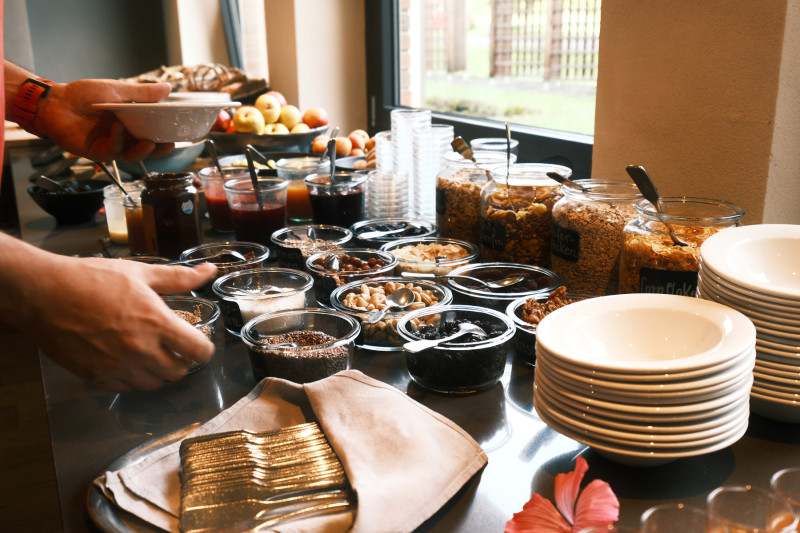
The Biohotel Grafenast and the HUBERTUS Mountain Refugio, like most other members of the Green Pearls® network, offer their guests the opportunity to learn more about local producers and their farming methods. They provide information about the origin of individual products, for example on their website, in internal mail, on signs at the buffet, or in information boxes on the menu card. This creates awareness of the hotel's roots in the region and the close link between tourism and local (sustainable) agriculture and production.
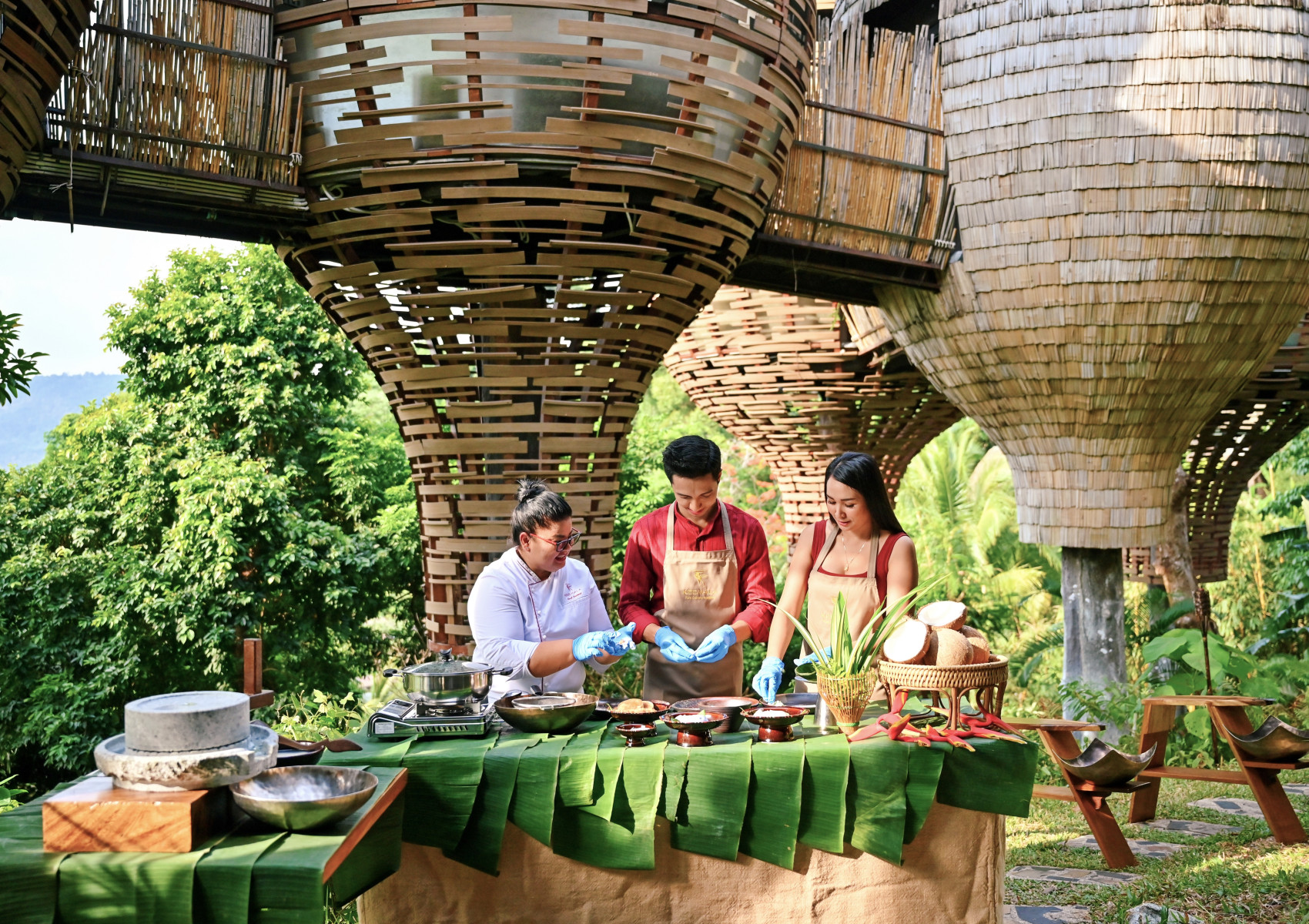
Through workshops and events that teach guests how to prepare local and seasonal dishes, hotels like Keemala in Phuket and Gut Sonnenhausen near Munich, Germany, can increase interest in sustainable eating and appreciation for local produce.
Conclusion
The organic versus local debate is complex and multifaceted. It is impossible to make a general statement about which is better or more sustainable. Rather, it seems that in many cases a combination of both approaches is the optimal solution for the hospitality industry. Where this is not possible, hotels in the DACH region in particular tend to opt for regionalism and support local businesses with which they often have long-standing partnerships.
In general, Green Pearls® partners agree that focusing on a plant-based diet and supporting local producers benefits both the environment and the local economy.
In both cases, guests benefit from fresh, high-quality food and, through targeted communication, gain insight into the sustainable practices of the hotels and their partners. This transparency promotes awareness of sustainable practices, which contributes to a positive overall experience during their stay. Whether organic, local, or a combination of the two is ultimately chosen is an individual decision for each accommodation. However, the goal for all remains the same: To promote an environmentally conscious and sustainable lifestyle and better tourism for the future.
You can learn more about the featured hotels by visiting the linked websites. If you have any questions or need additional images, please contact us directly at press@greenpearls.com.
*CIN-Codes for Italian Hotels
- ADLER Lodge RITTEN: IT021072A1QCJQTLUQ
- APIPURA hotel rinner: IT021072A1UOWUIDH4
- LA VIMEA: IT021056A1J4HHYSU4
- Hotel My Arbor: IT021011A1AE4737IT
- Paradiso Pure.Living: IT021019A16MFGOUCR
- Hotel Weihrerhof: IT021072A1L46PNBHX